REVIEW · TOKYO
Japanese Sweets (Mochi & Nerikiri) making at a Private studio
Book on Viator →Operated by Simply Oishii Wagashi School · Bookable on Viator
Mochi and nerikiri are art you can eat. In Tokyo, you’ll make two classic wagashi styles from scratch in a small-group class at a local home, then finish with matcha. It’s hands-on culture, not a demo you watch and forget.
I especially like the step-by-step feel. You’re guided through dough, shaping, coloring, and final plating, with English instruction that’s clear enough for beginners.
One thing to consider: this is a safety-focused class in a private home. Children under 4 can’t attend, and observers can’t sit in, so you’ll want to plan for the right ages and a heads-down workshop vibe.
In This Review
- Key points to know before you go
- Tokyo wagashi in a real home setting
- The 2.5-hour flow: from mochi to nerikiri to matcha
- The warm-up: mochi traditions and why it matters
- Making strawberry daifuku mochi
- Three-color dango (skewered mochi balls)
- The nerikiri lesson: dough, coloring, and seasonal motifs
- Tea time: matcha green tea pairing and Omotenashi
- What you actually make, and why it’s good value
- English instruction that actually helps you move
- Dietary notes: gluten-free, plant-derived ingredients
- Location and getting there: Meguro meeting point
- Price and value: what $91.96 buys you in Tokyo
- Who this class is best for
- Practical tips so you enjoy it more
- Should you book Japanese Sweets (Mochi & Nerikiri) at a Private Studio?
- FAQ
- What sweets will I make in this class?
- Does the class include tea?
- Are the ingredients gluten-free?
- How long is the class?
- How big is the group?
- What are the age rules?
- Is the class held at a private home?
- How does transportation work?
Key points to know before you go
- Small group (up to 8) means more personal attention while you work the dough and details.
- Private home setting gives you a more local Tokyo experience than a storefront class.
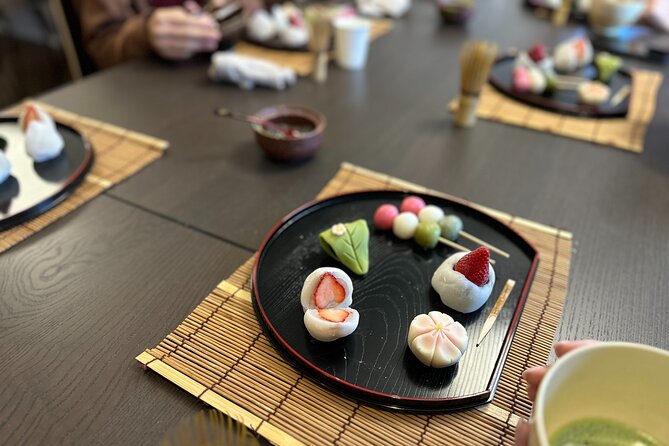
- You’ll make strawberry daifuku mochi and three-color dango, plus nerikiri with a seasonal motif.
- The instructor is a certified Nerikiri Art Instructor and is very fluent in English.
- You’ll leave with an English recipe sheet and apron help, so you can try again at home.
- Ingredients are plant-derived and gluten-free, and the class includes matcha green tea (or other non-caffeinated tea).
Tokyo wagashi in a real home setting
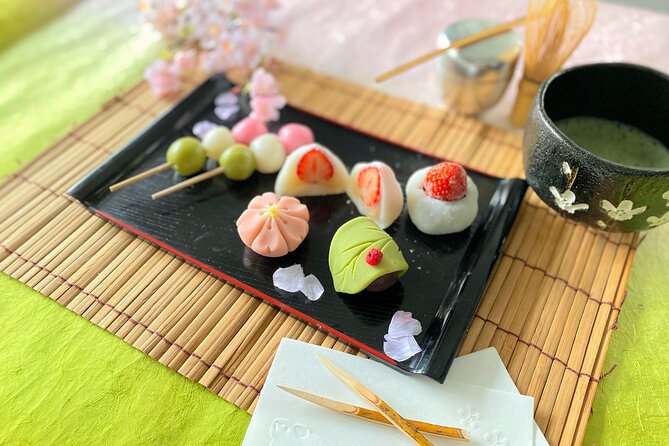
If you’ve ever tried to copy cute desserts from a photo, you know it can get messy fast. That’s the point here. This class turns wagashi from something you buy into something you can build with your hands.
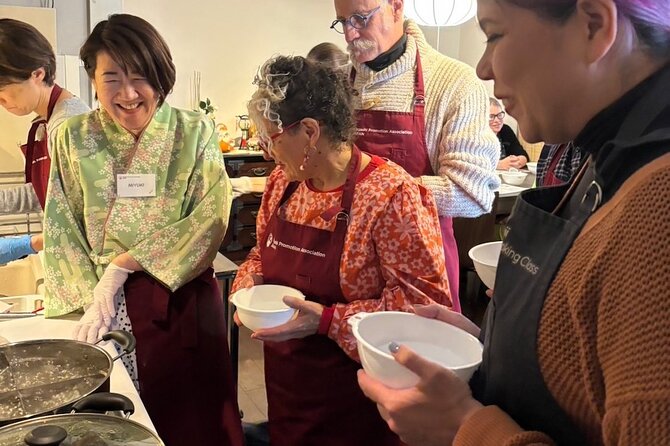
The biggest draw is location and size. Instead of a big room with people coming and going, you’re hosted at a local Tokyoite’s home. With a maximum of 8 people, you’re not just in the way. You get real coaching as you knead, shape, and decorate.
You also get a cultural layer that makes the food feel purposeful. You’ll start with a short presentation on mochi traditions and the festivals where mochi shows up, so the class isn’t only technical. You’ll still go home with sweets to eat and recreate, but you’ll also understand why the shapes and seasons matter.
You can also read our reviews of more private tours in Tokyo



The 2.5-hour flow: from mochi to nerikiri to matcha
This runs about 2 hours 30 minutes, so it’s long enough to learn actual technique without dragging into a full afternoon project. Expect the class to move in stages, with hands-on time after each explanation.
The warm-up: mochi traditions and why it matters
The session begins with a short presentation about mochi traditions and how mochi connects to Japanese culture. It’s not just a vague talk. It sets the mental frame for what you’re about to make, especially when you later see seasonal meaning in wagashi shapes.
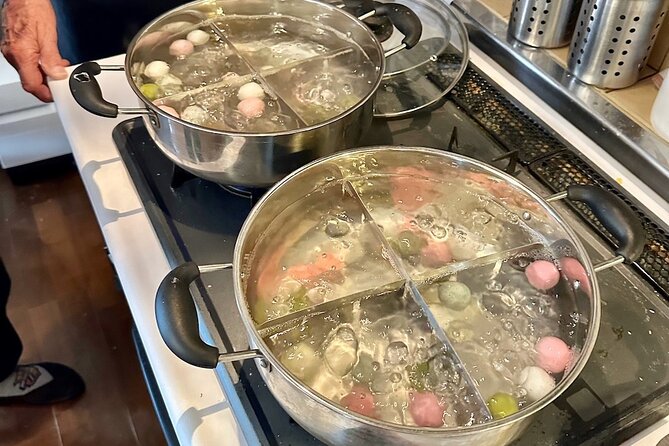
Then you shift into the practical part: you’ll make strawberry daifuku mochi and three-color dango. The way it’s structured helps you learn both “soft dough basics” and “shaping for specific forms.”
Making strawberry daifuku mochi
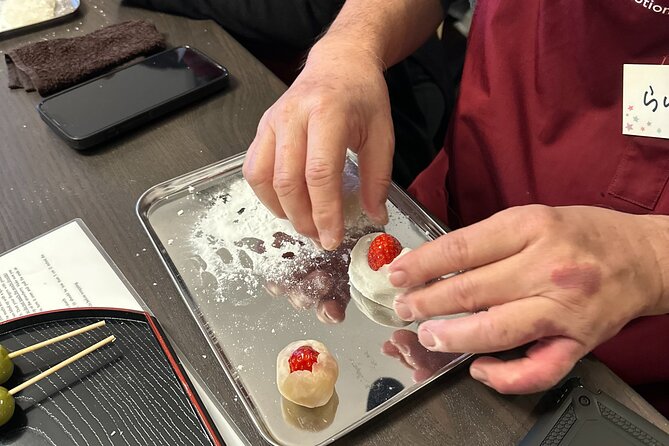
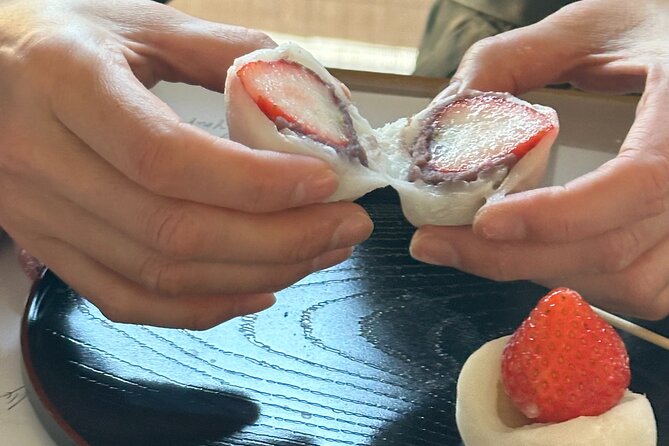
Daifuku is one of those desserts that looks simple but has a few tricky points. In the class, you make strawberry daifuku mochi from scratch. That includes working the dough to get the right consistency, then shaping it so it holds together and doesn’t collapse.
This is where the small group size pays off. If your dough is too sticky or not elastic enough, you get guidance before you’ve turned your strawberry into a stress ball.
Three-color dango (skewered mochi balls)
Next comes three-color dango. You’ll form mochi balls in three colors and learn how to put them on skewers. It’s playful, but it still teaches technique: portioning evenly, shaping cleanly, and handling the dough without crushing the detail.
It’s a nice contrast to daifuku. Instead of a filled pocket, dango is about consistent sizing and tidy finishing.
You can also read our reviews of more tours and experiences in Tokyo




The nerikiri lesson: dough, coloring, and seasonal motifs
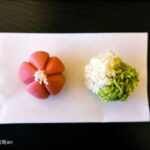
Now for the part many people book for: nerikiri wagashi. After the mochi section, the instructor shows you how to make the nerikiri dough.
Then you get hands-on: you color and shape your own nerikiri wagashi into a seasonal motif. This is more “craft” than “cook.” You’re not only aiming for edible. You’re aiming for form, color placement, and a finish that looks like it belongs on a wagashi tray.
If you’re the kind of person who likes neat results, this section will make you happy. If you’re more chaotic in the kitchen, it’s still totally doable. The class format is built around teaching consistency and control, not expecting perfection.
Tea time: matcha green tea pairing and Omotenashi
The class concludes with tasting. You’ll enjoy the sweets with a bowl of matcha green tea and you’ll also learn how to make the matcha.
Then you’ll get a short talk on Omotenashi, and how it connects to Chado (tea ceremony). In plain terms, it’s the idea of careful hospitality: attention to timing, tools, and the moment, not just the flavor.
It’s a meaningful ending. You’re not only eating what you made; you’re learning why the presentation and ceremony style matter.
What you actually make, and why it’s good value
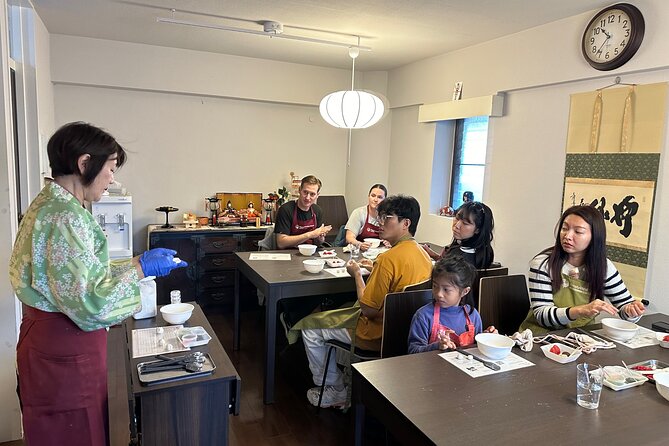
You’re not signing up for one item. You’re learning multiple wagashi styles, which is a big reason this works well as a travel activity.
Here’s what’s included in the class experience:
- Strawberry daifuku mochi
- Three-color dango (mochi balls on skewers)
- Nerikiri wagashi: making dough, then coloring and shaping a seasonal motif
- Matcha green tea (or another non-caffeinated tea) for tasting
That mix is smart. Mochi gives you the base dough feel. Dango teaches shaping and portion control. Nerikiri adds coloring and artistic form. Then matcha ties it all together so the food feels like a full wagashi moment, not random desserts.
Also, the materials support you. Aprons are provided, and you get an English recipe sheet to take home. That means you’re not just paying for an afternoon. You’re collecting a guide you can use later.
English instruction that actually helps you move
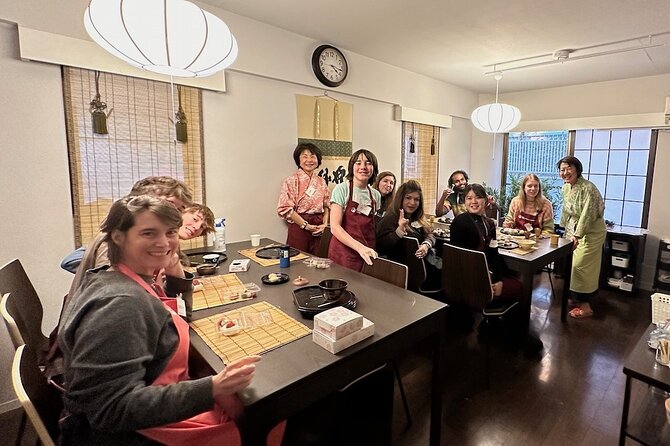
The instructor is described as very fluent in English, and that matters more than people think. Wagashi has small steps and tactile cues, and if you miss the explanation, your technique suffers.
Even for first-timers, the lesson flow is built for clarity: presentation first, then process, then hands-on work. The result is that you’re not guessing why the dough is doing what it’s doing. You get explanations in a way that supports what your hands are experiencing.
In some classes, teachers like Yukka, Waka, Miho, Satoko, Kaoru, and Miyuki Suyari are mentioned in connection with patient, organized step-by-step teaching and helpful local advice. If you’re booking with nervous-beginner energy, that kind of instruction style is exactly what you want.
Dietary notes: gluten-free, plant-derived ingredients
One practical detail I’m glad to see: all ingredients are plant-derived and gluten-free. That’s useful for many travelers who avoid certain proteins or just prefer lighter ingredients.
That said, you should still use the ingredient information provided with your class confirmation. The data you have here supports gluten-free and plant-derived as stated, but your personal dietary needs may require you to ask a quick question before the day of class.
Location and getting there: Meguro meeting point
The meeting point is in Meguro, Meguro City, at:
1-chōme−3−16 プレジデント目黒ハイツ
It’s near public transportation, and the class ends back at the meeting point.
Why you should care: this makes timing easier. You’re not coordinating a long transfer or guessing where you’ll land. If you’re building your day in Tokyo, you can plan around the neighborhood without committing to hotel pickup or complicated logistics.
Also, because this is a private home, you’ll want to arrive a few minutes early. You’re entering someone’s space for a hands-on session, and being on time keeps the workflow calm.
Price and value: what $91.96 buys you in Tokyo
At $91.96 per person for about 2 hours 30 minutes, you’re paying for three things at once:
1) Instruction from a certified nerikiri specialist
2) Materials and guidance (aprons, ingredients, step-by-step teaching)
3) A full experience (multiple sweets plus matcha tasting and pairing)
If you’ve done cookie classes elsewhere, you might think this is similar. It’s not. Nerikiri especially is more technical and craft-heavy than typical baking workshops. Add in the cultural mini-lesson (mochi traditions and Omotenashi/Chado), and you’re getting more than a snack-making session.
Small group size is part of the value too. With up to 8 people, you’re more likely to get your questions answered before you get frustrated with sticky dough. That’s hard to put a price on.
One more value note: the class offers an option to combine with a mochi-making class upon request. If you like the mochi side and want extra hands-on time, ask during booking. It can be a good fit if your group includes people who really want to bring more technique home.
Who this class is best for
This is the kind of activity that works for a lot of travel styles, as long as you match the pace.
Great fit if you:
- Want a hands-on cultural experience in Tokyo (not just a tasting)
- Like craft details and learning technique
- Are traveling with family members old enough for the minimum age requirements
The minimum age to attend is 4, and children under 4 can’t attend due to safety reasons. Also, observers can’t sit in class, so everyone present should be participating.
It’s also a strong choice if you want an experience outside the usual tourist circuit. The local home setting naturally pushes you into a quieter, more everyday Tokyo corner.
Practical tips so you enjoy it more
A few small things make this smoother and more fun:
- Wear something comfortable. You’ll knead dough and handle sticky materials.
- Expect art work. Nerikiri is about shaping and coloring, not just cooking.
- Plan for tea time. You’ll make and taste matcha, so don’t rush out the moment the sweets are done.
- If you have dietary needs, confirm details early. The class states plant-derived and gluten-free ingredients, but your personal requirements may be more specific.
And bring the right mindset: this isn’t about producing museum-perfect wagashi. It’s about learning the process well enough that you can do it again later, with confidence.
Should you book Japanese Sweets (Mochi & Nerikiri) at a Private Studio?
I’d book it if you want a Tokyo experience that feels personal, practical, and a little artistic. The small-group format, the chance to make daifuku, dango, and nerikiri, and the finish with matcha make this a complete workshop package rather than a quick demo.
Skip it only if you need something low-touch. This is hands-on, and it’s held in a private home setting. You also need the age rules to work for your group, since children under 4 aren’t allowed and observers can’t sit in.
If your goal is to leave with technique, a recipe sheet in English, and sweets you can share with pride, this is a very solid choice for Tokyo.
FAQ
What sweets will I make in this class?
You’ll make strawberry daifuku mochi, three-color dango (mochi balls on skewers), and nerikiri wagashi. You’ll also color and shape the nerikiri into a seasonal motif.
Does the class include tea?
Yes. The class includes tasting with matcha green tea. You’ll also learn how to make matcha, and non-caffeinated tea is available.
Are the ingredients gluten-free?
Yes. All ingredients are described as plant-derived and gluten-free.
How long is the class?
The class duration is about 2 hours 30 minutes.
How big is the group?
The experience has a maximum of 8 travelers.
What are the age rules?
The minimum age to attend is 4. Children under 4 are not allowed due to safety reasons.
Is the class held at a private home?
Yes. It’s held at a private home in Tokyo, and it’s described as a rare opportunity to visit a local Tokyoite’s home.
How does transportation work?
There’s no hotel pickup or drop-off included. You’ll meet at the provided Meguro address, which is near public transportation, and the activity ends back at the meeting point.