REVIEW · TOKYO
Tokyo: Shinjuku Food Tour (15 Dishes and 4 Eateries)
Book on GetYourGuide →Operated by Traveling Tokyo · Bookable on GetYourGuide
Shinjuku tastes better with a guide. In this 3-hour, small-group walk, you sample 13 dishes across four places while soaking up the local food rhythm in areas like Golden Gai and Omoide Yokocho. I love how the local guide steers you into spots most tourists miss, and I also love the variety: sashimi, sake, tonkatsu, yakitori, and takoyaki can all show up depending on what’s available that night. You’ll also get practical advice for what to do around Tokyo after the tour.
The main thing to consider is that dishes can change. The tour notes that what you eat depends on season and restaurant availability, so you should go with an open mind. Also, it’s a walking-style night in one of Tokyo’s busiest zones, so wear shoes you trust.
In This Review
- Key highlights at a glance
- Shinjuku Food Tour at a glance: what you’re really buying
- Meeting point near Shinjuku Station: α 107 Building and the AOKI sign
- Quick heads-up for the meet
- Golden Gai: starting the night with atmosphere and small-plate confidence
- Omoide Yokocho (Memory Lane): yakitori-style eating and the joy of alley food
- Kabukicho: comfort-food closer with tonkatsu and late-night energy
- The 13 dishes plus 2 drinks: how to think about portion sizes
- What the guide actually does for you (and why it matters)
- Walking route reality: shoes, pace, and group energy
- Food restrictions: how to make sure you’re covered
- Who should book this Shinjuku food tour
- Should you book this Shinjuku Food Tour?
- FAQ
- Where is the meeting point for the Tokyo Shinjuku Food Tour?
- How long is the tour, and what’s the overall time commitment?
- What’s included in the price?
- What kinds of food will we try?
- Are drinks included?
- Do I need to download WhatsApp before the tour?
- Can the tour handle food restrictions?
- What’s the cancellation policy?
Key highlights at a glance
- 13 dishes across 4 eateries: enough food to feel like a full dinner, not “samples.”
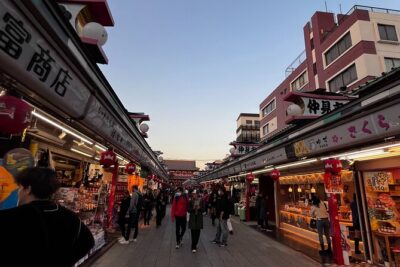
- Nightlife-oriented Shinjuku route: Golden Gai, Omoide Yokocho, and Kabukicho in one evening.
- Local guide storytelling: food culture and customs while you eat.
- Two complimentary drinks: alcoholic or non-alcoholic options.
- Different eating styles: a stall, an izakaya, a traditional eatery, and a gastrobar type stop.
Shinjuku Food Tour at a glance: what you’re really buying
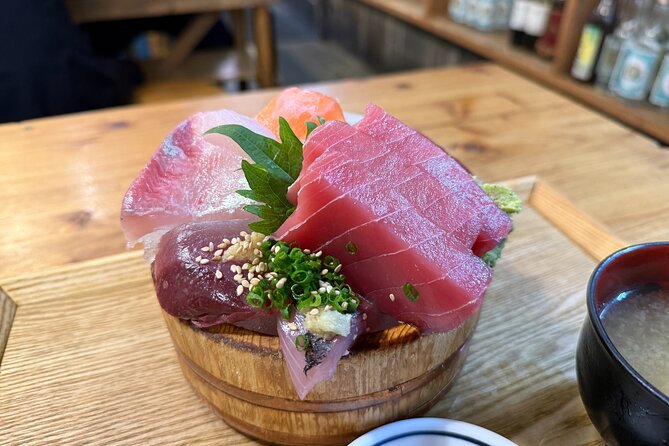
At $85 per person for about 3 hours, you’re not just paying for walking and food names. You’re paying for the shortcut into places that are hard to find and even harder to order from when you don’t speak Japanese.
You get an English-speaking guide and a structured route built around three Shinjuku neighborhoods. You also get 13 Japanese dishes at four eateries, plus two complimentary drinks. That’s the value story: you’re consolidating what would otherwise be multiple stops, multiple lines, and a lot of guesswork into one guided plan.
One more practical point: the tour is designed as a small-group experience. Reviews tied to this tour consistently praise how the pace feels manageable in crowded Shinjuku. You’ll still walk a lot, but the group size helps you actually enjoy it instead of getting swept along.
You can also read our reviews of more food & drink experiences in Tokyo


Meeting point near Shinjuku Station: α 107 Building and the AOKI sign
You’ll meet outside the α 107 Building by the blue AOKI sign. It’s right near Starbucks Nishiguchi, on the west side of Shinjuku Station.
Do yourself a favor and check the map before you head out. Shinjuku Station is a maze, and the tour specifically asks you to orient yourself ahead of time. If you need extra help, the guidance mentions being near Yodobashi Camera, which is a handy landmark to aim for.
Quick heads-up for the meet
The guide will contact you through WhatsApp, so download it ahead of time. This matters because it’s the simplest way for the guide to confirm where you are and get you moving fast.
Golden Gai: starting the night with atmosphere and small-plate confidence
Golden Gai is your first guided segment, with about an hour to walk, look, and get oriented. The big promise here is nightlife context, and Golden Gai is where the tour starts leaning into that side of Shinjuku.
This is also where you’ll typically feel the biggest shift from daytime Tokyo to nighttime Tokyo. Expect an easier time trying foods you might otherwise skip because the guide handles ordering and explains what you’re eating.
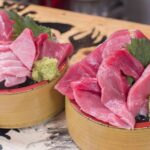
From the dishes listed for the tour, you can reasonably expect early highlights from the Japanese comfort-and-classic side—things like sashimi, and drink pairings that may include sake. In past experiences tied to this tour, guests have called out seafood moments early (like mackerel when availability lines up), which tells me the early stop isn’t just filler.
Why this stop works for most people: you start with guidance while your “food bravery” is still fresh. You’re not deciding alone in a loud environment.
Possible drawback: Golden Gai and nearby nightlife spots can get busy. If you dislike crowds or loud indoor spaces, keep your expectations realistic and rely on your guide to steer the flow.
Omoide Yokocho (Memory Lane): yakitori-style eating and the joy of alley food
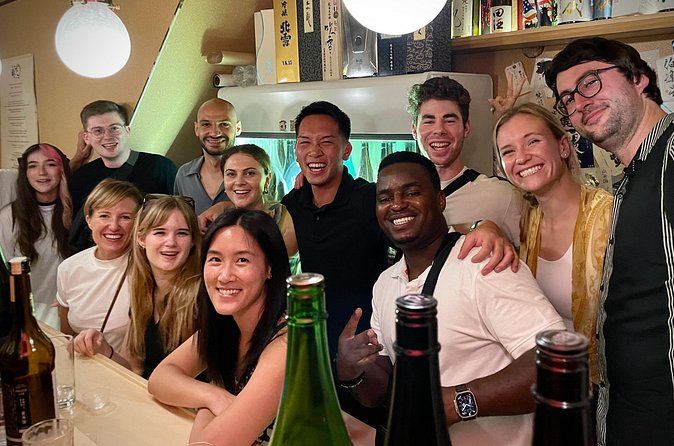
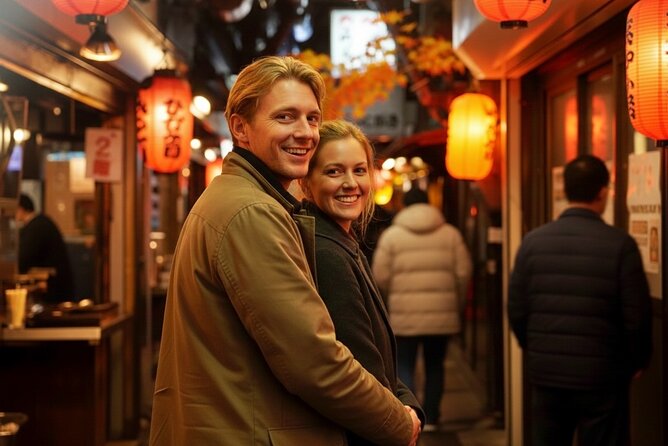
Next up is Omoide Yokocho for another hour of guided roaming. One review you’ll find tied to this tour calls out the area as a narrow lane with a strong old-school Tokyo vibe, even referencing Memory Lane as the nickname people use.
This is where the tour leans into classic Japanese street-style eating. The tour includes food at a stall as well as other types of eateries, and Omoide Yokocho is the kind of place where that “stall energy” makes sense.
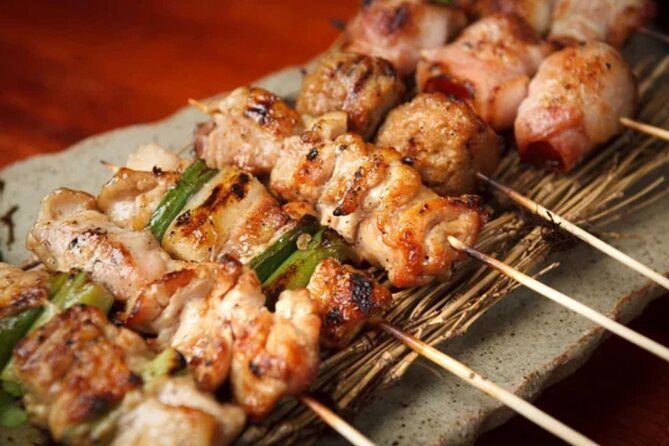
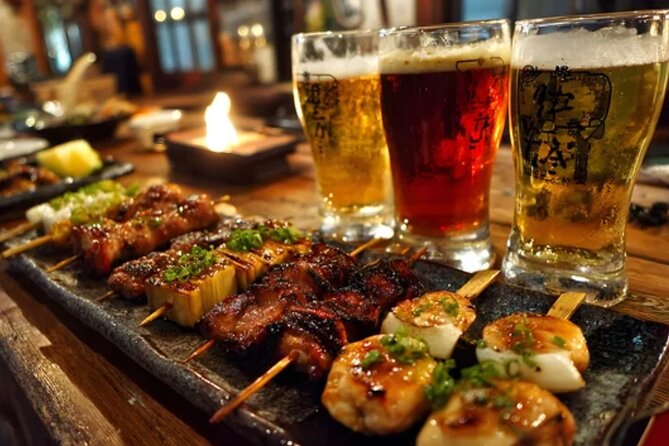
Dishes tied to the tour that fit this zone’s style include yakitori and takoyaki. You’re not just eating; you’re learning how Japanese casual food works—how it’s served, how it’s eaten, and why it’s built for conversation more than ceremony.
If you’ve ever looked at Japanese menus and felt paralyzed, this portion helps. Your guide can point out what to choose, what order makes sense, and how each dish fits into the bigger picture of Japanese flavors.
What to watch for: since the tour notes that selections depend on season and restaurant availability, you may not see every exact dish every night. Go in wanting the experience of local eating rather than a guaranteed checklist.
You can also read our reviews of more tours and experiences in Tokyo


Kabukicho: comfort-food closer with tonkatsu and late-night energy
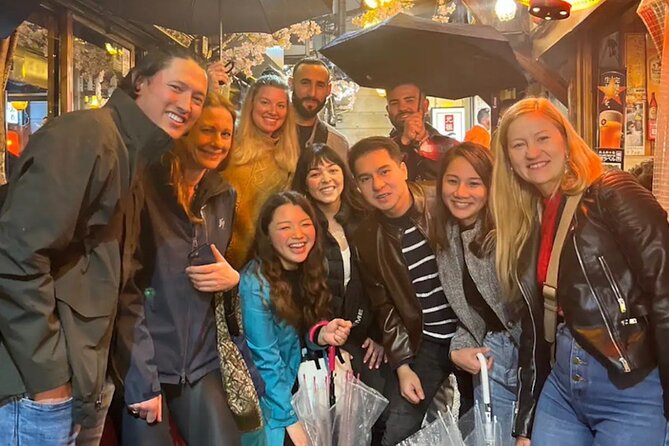
The last neighborhood segment is Kabukicho, again around an hour guided. If Shinjuku is the big machine, Kabukicho is where the machine’s mood turns late-night.
This is where the tour starts feeling like a full meal wrap-up. Reviews connected to this tour mention standout comfort dishes such as tonkatsu and pork katsu, and even a classic tonkatsu restaurant with a long track record (over 64 years, in one guest’s account).
That aligns with the tour’s dish list, which explicitly includes tonkatsu (pork cutlet). You can also see why Yakitori and other bar-style items show up earlier or later—Kabukicho makes sense for finishing with something filling.
One more dish mentioned in guest notes is taiyaki—a sweet ending that’s easy to love if you have a sweet tooth. The tour’s listed dish range doesn’t specifically say taiyaki every time, but it does include the kind of dessert course that often shows up at the end of this kind of tasting format.
Why Kabukicho is a good finish: by the time you hit this area, you’ve already tasted enough variety to notice patterns. You’ll start appreciating how Japanese meals build from lighter bites into richer comfort flavors.
Possible drawback: if you’re sensitive to big, high-energy nightlife areas, Kabukicho can feel intense. Plan for it mentally, keep your pace relaxed, and let the guide manage the turns.
The 13 dishes plus 2 drinks: how to think about portion sizes
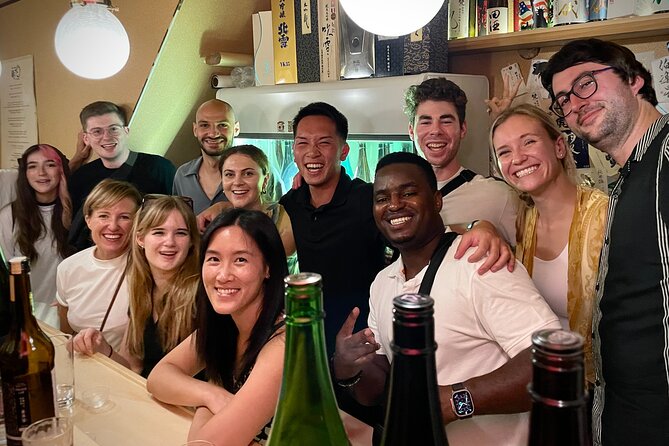
The tour doesn’t just say “food tour.” It specifies 13 Japanese dishes across 4 eateries, plus 2 complimentary drinks. That’s the difference between a “snack walk” and a proper tasting.
Here’s how I’d interpret it for your stomach:
- You’ll eat enough that dinner may feel optional afterward.
- Portions will be smaller per stop, but the total adds up quickly.
- You’ll taste a mix of textures: chewy, crispy, grilled, raw, and batter-fried options.
The dish list includes sashimi, Japanese sake, tonkatsu, yakitori, and takoyaki. In real experiences tied to this tour, guests also mention seaweed salad and tempura tuna as standout picks when they land in the itinerary that day. That supports the idea that your exact menu isn’t fixed, but the quality and style stay consistent.
Your two drinks are complementary, with both alcoholic and non-alcoholic options noted. If you don’t drink alcohol, you’ll still get a pairing that keeps the pacing moving. If you do drink, it’s a good chance to try sake without committing to a full night of ordering.
Practical tip for you: if you’re prone to getting full fast, pace yourself. Take small bites first to see what you like, then decide how fast to keep going. The guide can help with that balance.
What the guide actually does for you (and why it matters)
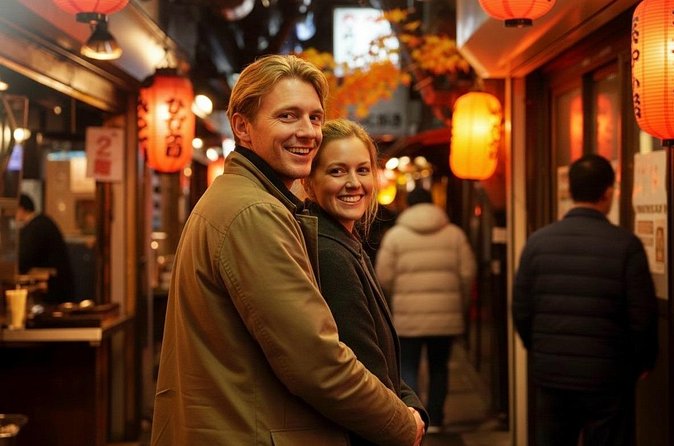
This tour is built around a local guide, and the biggest praise pattern tied to this kind of experience is simple: the guide makes the night go smoothly.
In the accounts connected to this tour, names like Daichi, Fu, Emma, Igor, and Hina show up as examples of hosts who are friendly and provide stories along the route. One guest even highlighted that the guide’s humor keeps things flowing, which matters because Shinjuku nights can start feeling like sensory overload.
What you gain from a guide here isn’t only facts about food. It’s cultural context that changes how you eat. You’ll learn what to expect from each dish type—how Japanese comfort food fits into social eating, and what people mean when they order certain classics.
You also get advice for your stay, which is useful when you want your Tokyo time to feel intentional instead of random. Some guides have even followed up with a list of what everyone ate, which helps you remember flavors later when you’re comparing spots on your own.
Possible drawback: if you’re expecting a quiet, sit-down dining experience with long lectures, this is not that. It’s a walking night with frequent eating stops and quick, helpful explanations.
Walking route reality: shoes, pace, and group energy
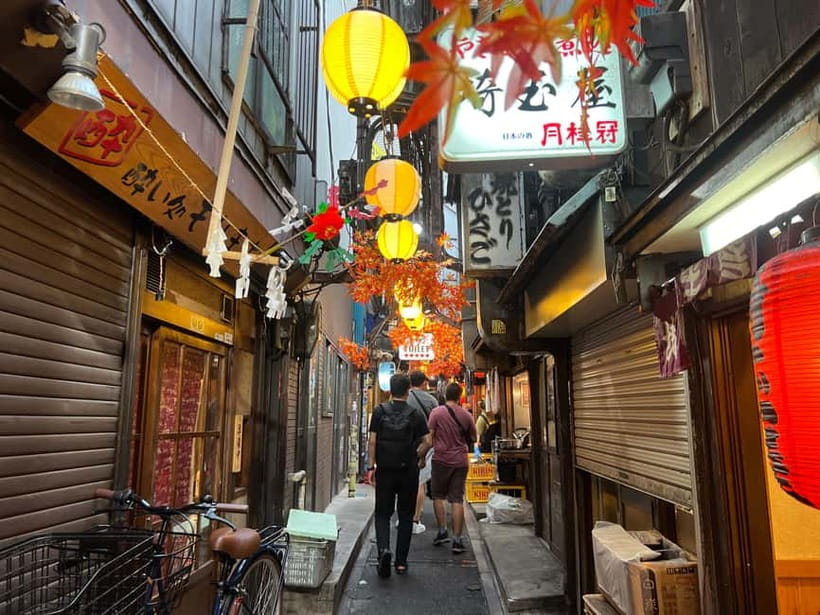
The tour is 3 hours and includes guided time through Golden Gai, Omoide Yokocho, and Kabukicho. That’s a lot of movement in one evening, and Shinjuku can be crowded.
Plan for your feet. Bring shoes that work on tight sidewalks and busy intersections. If you’re used to Tokyo’s train stations, you know the pace can be brisk; this tour keeps you moving, but in a controlled way.
Group size being small helps. One guest specifically notes that a smaller group works well in Tokyo’s crowd conditions. Translation: you won’t spend the whole tour stuck behind someone taking photos.
If you’re a slow walker: tell the guide at the start. The tour is structured for walking, but guides generally can adjust the pace slightly if someone needs it.
Food restrictions: how to make sure you’re covered
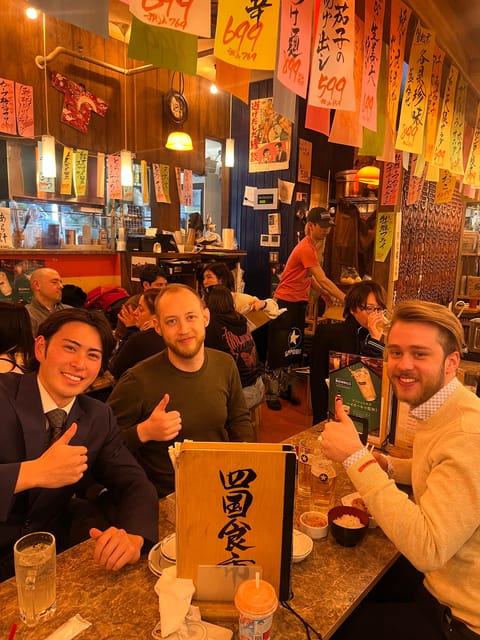
The tour asks you to advise on any food restrictions. That’s key. Because the tour uses multiple restaurants and focuses on Japanese classics, your best move is to communicate clearly before the night starts.
If you have allergies, confirm what you can and cannot eat. Don’t rely on vague language. Use the restriction notes you provide and reiterate with the guide when you meet.
Also remember the tour says dishes depend on availability and season. If one dish doesn’t work for you, your guide may be able to adjust within the restaurant options available that night.
Who should book this Shinjuku food tour
Book this tour if:
- You want a structured way to taste a lot of Japan in one evening.
- You like Japanese comfort foods like tonkatsu, grilled skewers like yakitori, and classic street bites like takoyaki.
- You’re curious about Shinjuku’s nightlife areas but want guidance on where to go and what to order.
Consider a different option if:
- You hate crowds or loud nightlife zones and want a calmer, quieter experience.
- You prefer restaurants you can research and repeat on your own without a guide-led route.
- You require very specific dietary accommodations that aren’t mentioned as supported in the provided details.
Should you book this Shinjuku Food Tour?
For most first-time Tokyo visitors, I think this is a smart buy. You get 13 dishes, two drinks, and a guided night route through three famous Shinjuku neighborhoods for $85—and the structure helps you eat well without guessing.
The only reason not to book is if you know you want a slower, fully sit-down dinner experience, or if your food restrictions are complex enough that you can’t safely adapt to changing selections.
If you want a night that teaches you how Shinjuku eats and why the classics matter, this tour is a strong match. Bring comfortable shoes, keep an open mind about which dishes show up that night, and let the guide do the heavy lifting.
FAQ
Where is the meeting point for the Tokyo Shinjuku Food Tour?
You’ll meet outside the α 107 Building by the blue AOKI sign, next to Starbucks Nishiguchi on the west side of Shinjuku Station.
How long is the tour, and what’s the overall time commitment?
The tour lasts about 3 hours, with guided time through Golden Gai, Omoide Yokocho, and Kabukicho.
What’s included in the price?
The tour includes an expert English-speaking guide, a walking tour, 13 Japanese dishes at 4 eateries, and 2 complimentary drinks (alcoholic and non-alcoholic).
What kinds of food will we try?
The tour lists dishes such as sashimi, Japanese sake, tonkatsu, yakitori, and takoyaki. The exact dishes can vary based on availability, season, and restaurant access.
Are drinks included?
Yes. You receive 2 complimentary drinks, with both alcoholic and non-alcoholic options available.
Do I need to download WhatsApp before the tour?
Yes. The guide will contact you through WhatsApp, so you should download it before your tour.
Can the tour handle food restrictions?
You can and should advise the operator of any food restrictions before the tour, so the guide can plan accordingly.
What’s the cancellation policy?
Free cancellation is available up to 24 hours in advance for a full refund.