REVIEW · TOKYO
Tokyo: Kichijoji Walking Tour with Local Guide
Book on GetYourGuide →Operated by O2 Japan Travel · Bookable on GetYourGuide
Kichijoji has a slower rhythm than the big-name Tokyo neighborhoods, and this small-group walk is a smart way to feel that difference. You get a local guide through shopping streets and food alleys, plus a guided reset in Inokashira Park before heading to the Studio Ghibli Museum. The museum time is yours to enjoy at your own pace, which is perfect if you don’t want a rigid schedule.
I especially like the guide component. Names like Mina, Yuma, Daiske, and Oishi show up again and again in the experience feedback, and the common thread is friendly, practical local tips—not just facts. One consideration: at $88 for 4 hours, you’re paying for guide time and Ghibli Museum admission as part of the package, so it can feel pricey if you’re only chasing the ticket.
In This Review
- Key Highlights You’ll Feel During This 4-Hour Tokyo Day
- Why Kichijoji Works Better Than a Rush-Through Tokyo Schedule
- Start at Hanako the Elephant: Your Easy Way In
- Kichijoji Sunroad: Shop-Street Energy Without the Aggro
- Harmonica Yokocyo: The Food Alley You’ll Want to Sniff Like a Detective
- Inokashira Park: Green Space Reset for Your Tokyo Brain
- The Walk to the Ghibli Museum: How to Use That Transition Time
- Studio Ghibli Museum Entry: Two Hours That Actually Work
- Price and Value: What $88 Really Buys You
- Who This Tour Fits Best (And Who Should Think Twice)
- Small-Group Pace: The Real Comfort Advantage
- Before You Go: What to Pack and What Rules to Remember
- Should You Book This Kichijoji + Ghibli Museum Tour?
- FAQ
- How long is the Kichijoji walking tour and Ghibli Museum visit?
- Where do we meet the guide?
- What’s included in the price?
- Is lunch included?
- Do we need to bring anything?
- What languages are the guides, and what if it rains?
Key Highlights You’ll Feel During This 4-Hour Tokyo Day
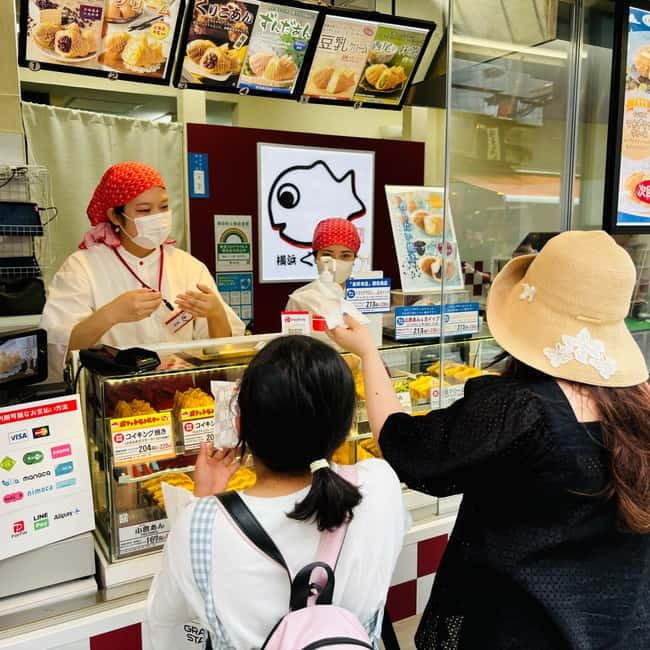
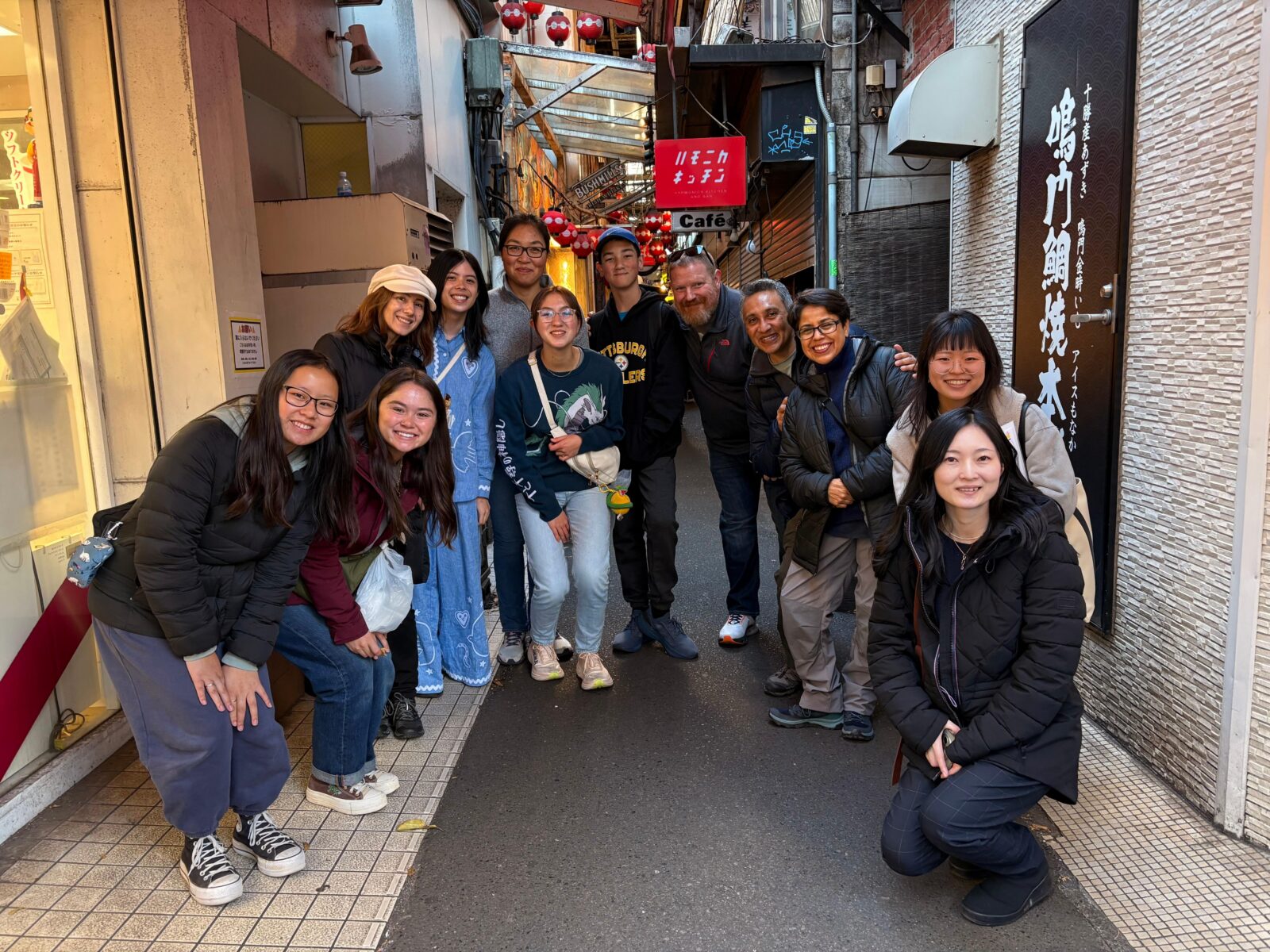
- Small group capped at 5, so the walk stays relaxed and questions stay easy
- Hanako Elephant statue meeting point in central Kichijoji, so you start with clear wayfinding
- Harmonica Yokocyo: a narrow, snack-and-dinner alley vibe that locals use daily
- Inokashira Park on a guided stroll with downtime built into the plan
- Studio Ghibli Museum entry included, plus about 2 hours of museum freedom
Why Kichijoji Works Better Than a Rush-Through Tokyo Schedule
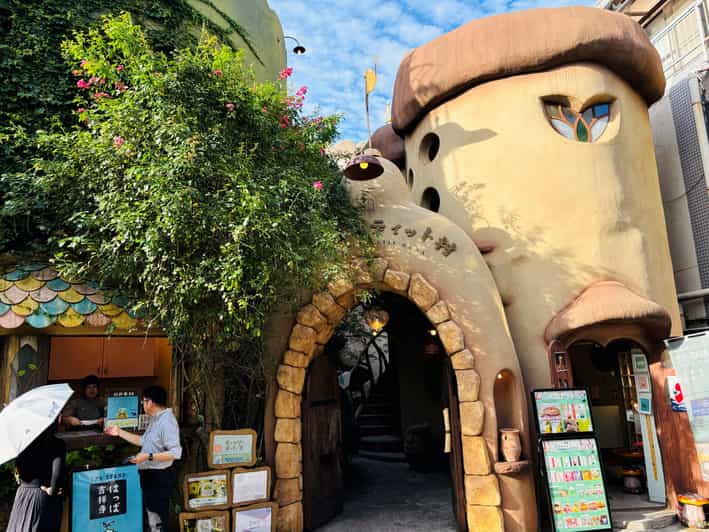
Kichijoji sits in western Tokyo with the kind of local comfort you can’t fake. It’s not trying to impress you with monuments. Instead, it draws you in with neighborhood life: small shops, side streets, and the feeling that people actually live their day here.
That’s why I like the way this tour is built. It starts with walking and “getting your bearings” in the Kichijoji area, then shifts into nature with Inokashira Park. You’re not spending your whole afternoon fighting crowds or cramming in sights at high speed. And because the group is limited to five, it doesn’t turn into a moving line.
The other reason this tour clicks: it’s designed around the hardest part for many visitors—getting to the Studio Ghibli Museum with the right entry arrangement. If you’ve struggled with ticket access before, you’ll likely appreciate having museum admission bundled into the experience rather than leaving it to chance.
You can also read our reviews of more walking tours in Tokyo


Start at Hanako the Elephant: Your Easy Way In
The meeting point is the Hanako Elephant Statue at Kichijoji Station North Exit. Your guide will be easy to spot with a lanyard, and you’ll find them there to get the group moving.
Starting at a landmark like this matters more than it sounds. Tokyo station exits can be confusing even when you think you’re ready. This meeting spot gives you a clean target and reduces that first 20 minutes of stress. One small practical note: your guide will contact you via WhatsApp the day before to confirm, so keep an eye on your phone so you’re not guessing where to stand.
The tour is also rain or shine. So if you’re visiting during a wet season or a surprise drizzle, you won’t lose the whole plan. You’ll just need to show up with comfortable walking shoes, because the day involves repeated strolls on foot.
Kichijoji Sunroad: Shop-Street Energy Without the Aggro
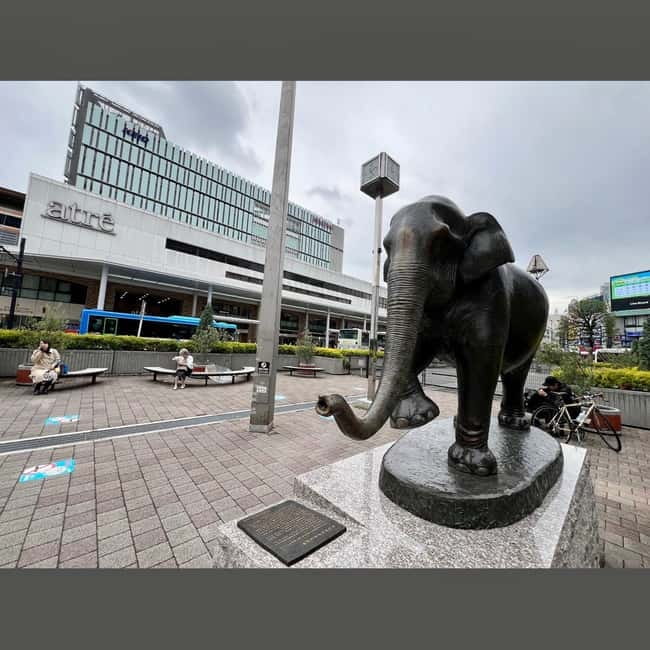
You’ll walk for about ten minutes, then spend around 15 minutes with a guide at Kichijoji Sunroad. Think of this as your neighborhood warm-up: a place where you can see everyday Tokyo shopping patterns in motion.
In practical terms, this stop does two jobs:
1) It helps you understand the local layout so the later streets make sense.
2) It keeps the early portion of the tour light. You’re not running straight into the biggest attraction; you’re building context first.
In the experience feedback, guides frequently talk about local spots to eat and what’s worth your time. Even if you’re not planning to buy much right away, the guidance helps you navigate with confidence later. When you reach the narrower streets, you’ll know what you’re looking at instead of just following a group.
Harmonica Yokocyo: The Food Alley You’ll Want to Sniff Like a Detective
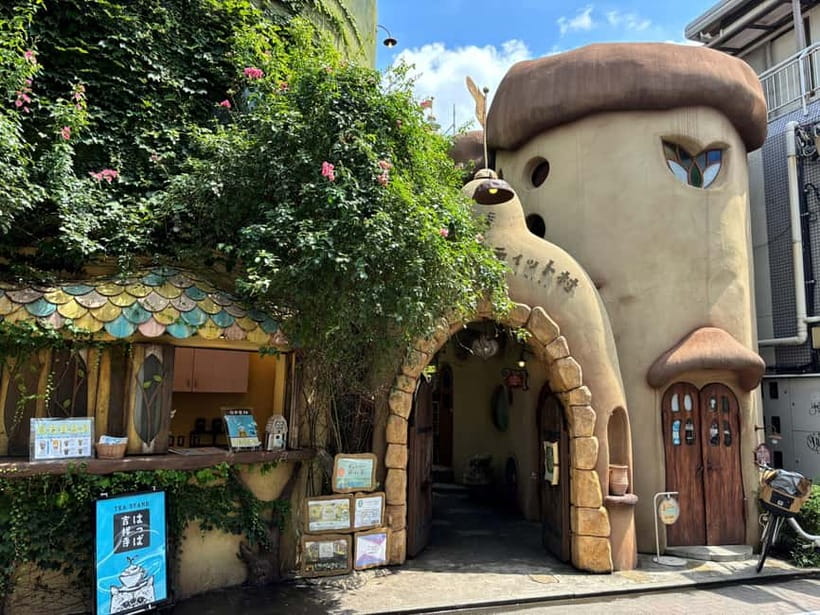
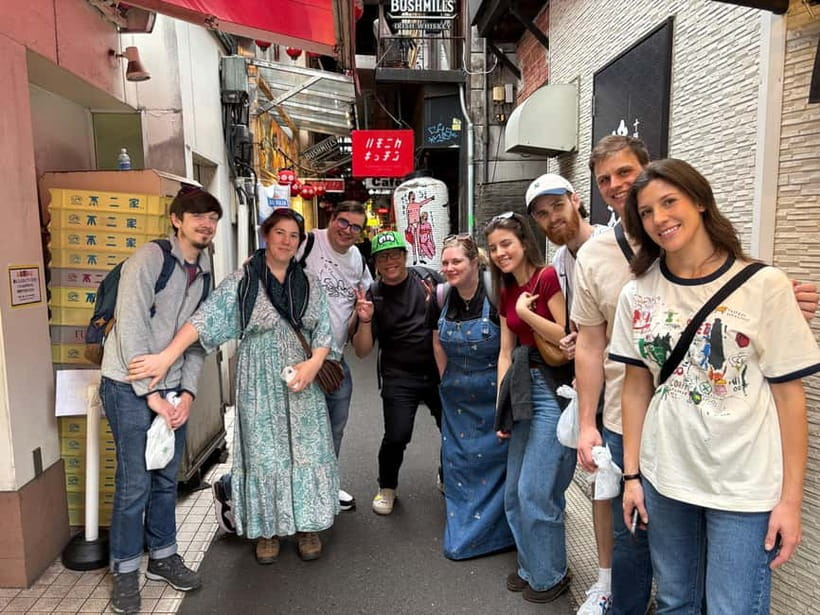
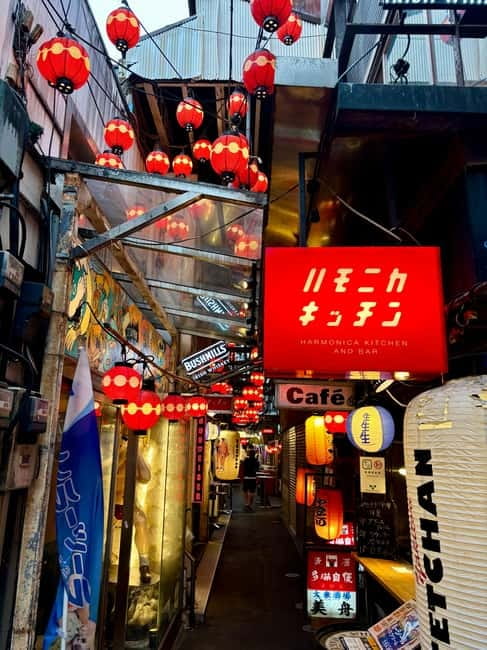
Next up is Harmonica Yokocyo, another guided segment of about 15 minutes. This is the part many people describe as tight, packed, and full of scents—basically a living corridor of small eats.
You’ll probably notice three things fast:
- It’s narrow enough that the alley feels almost like a corridor rather than a walkway.
- The crowd flow is different from larger shopping streets, more stop-and-go.
- Food choices often look simple, but they’re chosen for a reason.
The tour includes a snack, which is a nice way to sample without turning the entire day into a full meal schedule. And the guide angle matters here. Instead of you wandering randomly for the best bite, you’re learning what people choose and why.
A fair drawback to note: the alley and food culture are easy to discover on your own in Tokyo. One piece of feedback said the food experience wasn’t something you couldn’t find elsewhere. So if you’re expecting a totally exclusive culinary secret, you might be slightly underwhelmed. But if you want guidance plus a fun atmosphere, this stop delivers.
Inokashira Park: Green Space Reset for Your Tokyo Brain
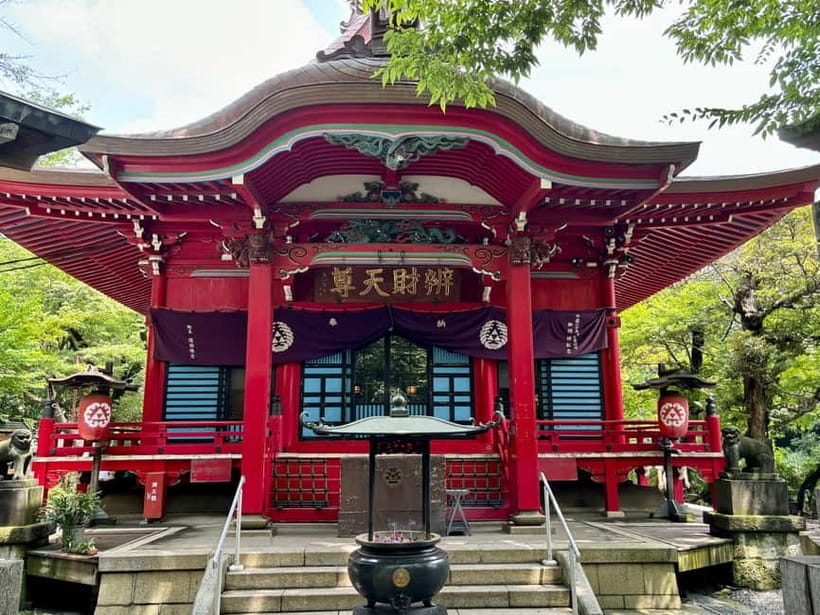
After the alley portion, you’ll move toward Inokashira Park, with about 30 minutes of guided time. The park is a major reason this tour feels calmer than many “see everything” itineraries.
Here’s what makes it worth your attention:
- It’s popular with locals throughout the year, not just a pretty stop.
- It gives you a visual break from dense city streets.
- You get a brief pause where conversation becomes easier and the group pace naturally slows down.
One interesting detail from the experience: the park is said to have been gifted to the people by the Emperor, and people point to the lake and even the swan boats as part of that casual, year-round charm. If you like your travel days to include a slow walk where you can look around—without checking your phone every thirty seconds—this park segment is the kind of Tokyo “breather” that sticks.
Also, the timing is smart. You’re not exhausted when you arrive for Ghibli Museum. You’re reset, fed (at least with the snack), and ready to settle in.
You can also read our reviews of more guided tours in Tokyo




The Walk to the Ghibli Museum: How to Use That Transition Time
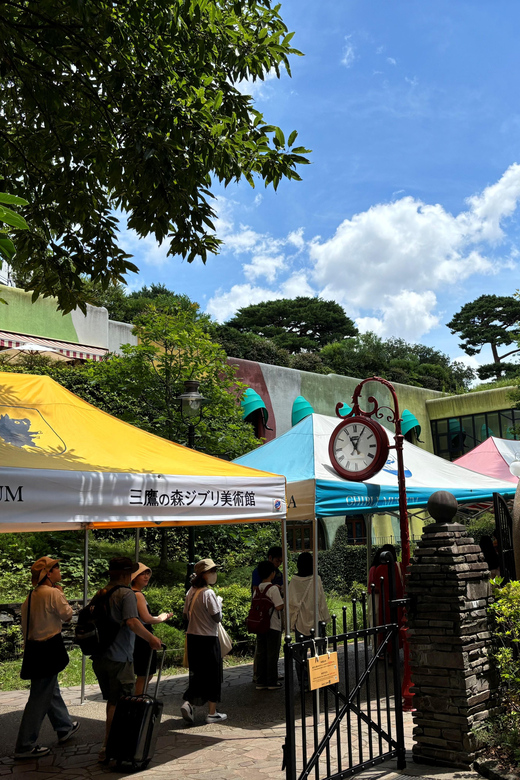
There’s about a ten-minute walk to get to the museum area. This isn’t enough time to be boring, and it’s long enough to keep you from feeling like you arrived too early and have nowhere to go.
This transition also helps the day feel less like two separate activities. Park first, then museum. It creates a natural emotional shift—from outdoor calm to indoor storytelling.
If you’re traveling with kids, this transition is useful. It gives them a small “move moment” before the museum rules take over (quiet, indoor flow, and sometimes limits on photography).
Studio Ghibli Museum Entry: Two Hours That Actually Work
Once you’re at the Studio Ghibli Museum, you’ll have entry included and around 2 hours of free time to explore. The big benefit is that your museum time isn’t micromanaged. You can follow your interests without a guide constantly moving you along.
A few practical points that matter once you’re inside:
- Photography may be limited inside the museum, so don’t plan on a full album of indoor shots.
- People mention that photo opportunities outdoors can be nice, so if you want images, you’ll have a better time focusing on the exterior and permitted areas.
- The museum is often described as smaller than what people expect, which can be a plus or a minus depending on your style. If you love tight, high-focus places, you may enjoy that scale. If you expect a big theme park experience, you might want to mentally adjust.
The ticket situation is where this tour gains real value. Many participants pick this because getting tickets directly can be difficult. Some feedback also suggests the included tickets made the entry process smoother than trying to solve everything on your own ahead of time. I’d still treat that as “it may help,” not a guarantee—but the overall point stands: you’re removing a common frustration.
And this is where guides make a difference again. There are comments about guides sending photos afterward via WhatsApp and explaining museum context in a way that made exhibits easier to enjoy. Even if you’re not obsessed with every animation detail, that kind of framing helps you notice more.
Price and Value: What $88 Really Buys You
Let’s talk money in plain terms. The tour is $88 per person for about 4 hours, and it includes:
- Ghibli Museum admission
- Walking tour + local guide
- Snack
Lunch is not included. In reality, guides often help with recommendations, and some participants ended up having excellent meals nearby. But the official structure is that you’ll handle lunch separately.
So is it worth it? For the right person, it likely is.
- If you’re chasing Ghibli Museum but dread ticket stress, your money buys certainty plus a guided warm-up day.
- If you want a calm local neighborhood experience rather than jumping from transit stop to transit stop, your money also buys time with a guide who understands the area.
Where it can feel expensive is exactly what one feedback summary pointed out: the package price can be high compared to the museum ticket itself. Also, if food is your main goal, keep expectations grounded. The snack and guidance help, but this isn’t a full multi-stop food tour lasting hours of tasting.
Who This Tour Fits Best (And Who Should Think Twice)
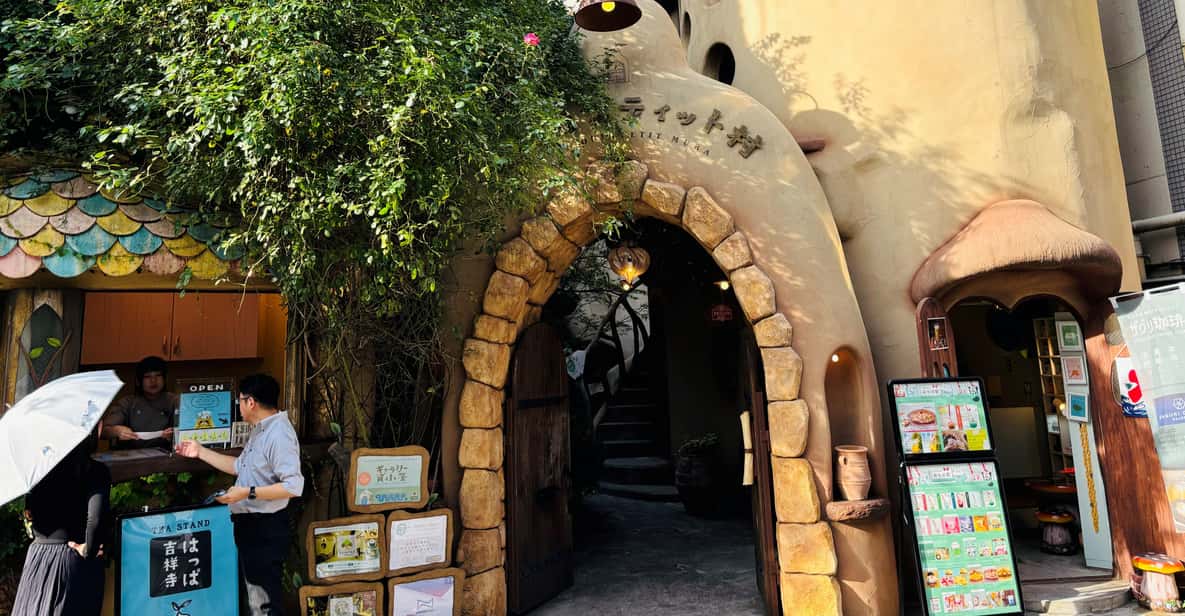
This is a strong match for:
- Families who want a slower Tokyo afternoon with nature time
- Couples who want one “big” cultural stop handled smoothly
- Anime fans who want Ghibli Museum access paired with a real neighborhood walk
- People who like local orientation more than frantic sightseeing
It might be a weaker fit if:
- You already have Ghibli Museum tickets arranged and prefer to roam alone
- You’re expecting a food-heavy itinerary rather than a short snack + guided streets plan
- You want lots of indoor photos, because museum photography can be limited
Because it operates rain or shine and stays in one area, it’s also a practical choice when your schedule is tight and you don’t want to gamble on public transport timing and ticket logistics.
Small-Group Pace: The Real Comfort Advantage
The group limit of 5 participants is more than a number. It changes how the tour feels.
With a tiny group:
- Stops are easier to manage without everyone getting lost
- Guides can answer questions in the moment
- The walk feels like a chat with direction, not a lecture
In the experience feedback, guides are frequently described as friendly and patient. People also mention guides helped with small needs, like communicating with translation tools or offering alternate return options if someone had a harder time with walking. That kind of responsiveness matters when you want your day to feel smooth rather than tense.
Before You Go: What to Pack and What Rules to Remember
Bring comfortable shoes. This is a walking day with multiple short segments and a park stroll.
Also remember:
- Smoking is not allowed.
- Photography inside the Ghibli Museum may be limited.
- Your guide contacts you the day before via WhatsApp to confirm details.
If you’re traveling with kids, consider packing small snacks or water as backup, even though the tour includes a snack. Lunch is not included, so you’ll want a plan for when you’ll eat.
Should You Book This Kichijoji + Ghibli Museum Tour?
I’d book it if you want a calm Tokyo afternoon that handles the hardest part—Ghibli Museum access—while still giving you a genuine neighborhood feel. The Kichijoji portion isn’t just scenery; it gives context, local atmosphere, and a low-pressure pace. The park break makes it feel like you’re actually living Tokyo for a few hours, not just collecting stamps.
I’d skip or reconsider if you already have museum tickets solved and you mainly want a food experience, or you’re trying to keep the budget very tight. At $88, you’re paying for guide time and the bundled admission, not just walking around town.
If you’re in the middle—curious, a little stressed about tickets, and happy to let a local guide set the pace—this is a solid, family-friendly way to do it.
FAQ
How long is the Kichijoji walking tour and Ghibli Museum visit?
The experience lasts about 4 hours, with time for walking, guided neighborhood stops, and about 2 hours of free time at the Ghibli Museum.
Where do we meet the guide?
Meet at the Hanako Elephant Statue near Kichijoji Station North Exit. Look for a guide wearing a lanyard.
What’s included in the price?
Admission to the Ghibli Museum is included, along with the walking tour, a live guide, and a snack.
Is lunch included?
No. Lunch is not included, so you’ll need to plan where to eat on your own.
Do we need to bring anything?
Comfortable shoes are recommended, since you’ll do several on-foot segments and walk through Inokashira Park.
What languages are the guides, and what if it rains?
Guides are available in English and Japanese. The tour operates rain or shine.