REVIEW · TOKYO
Private Car Tour to Mt. Fuji Lake Kawaguchiko or Hakone
Book on Viator →Operated by Japan Star Travel Agency · Bookable on Viator
Mt. Fuji gets better with less stress. This private car tour from Tokyo is built around custom stops and the kind of local guidance that helps you hit the best Fuji angles without fighting transit. You can choose the Mt. Fuji–Lake Kawaguchiko route or the Hakone route, with a nationally certified guide and a skilled driver handling the driving, timing, and ticket logistics.
I especially like the mix of classic-photo icons (like Arakura Sengen Shrine and its famous pagoda views) plus more off-mainstream nature time around the lakes and forest. If your group wants something different, the day can swing toward Aokigahara’s caves or, in Hakone, views from the ropeway and a Lake Ashi cruise.
The main drawback to plan for is weather and timing. Mt. Fuji can vanish behind clouds, and the schedule can shift if roads get slow; also, some add-ons like the Mt. Fuji 5th Station require a toll and have seasonal closures.
In This Review
- Key things to know before you go
- How the private car tour works from Tokyo (and why it feels easier)
- Mt. Fuji’s best angles: Arakura Sengen and Chureito Pagoda
- Lake Kawaguchiko: lakeside views, seasonal flowers, and easy walking
- Aokigahara Jukai: ice, wind, and bat caves (the unusual side of the Fuji area)
- Hakone instead of Lake Kawaguchiko: ropeway views, volcano stops, and Lake Ashi
- Price and value: what you’re paying for (and what costs extra)
- The timing and weather issues you should plan for
- Who should book this private Mt. Fuji or Hakone car tour
- Should you book this tour or DIY it?
- FAQ
- What is the group size for this private tour?
- How long does the tour take?
- Do I get pickup and drop-off from Tokyo?
- Is a guide included, and what languages are available?
- What’s included in the price?
- Are entrance fees included?
- Do I have to pay for Mt. Fuji 5th Station?
- Are service animals allowed?
Key things to know before you go
- Private car, door-to-door pickup from Tokyo with a group limit of up to 8 people.
- Pick 4 to 6 sites (you tell your guide what you want, and they build the day).
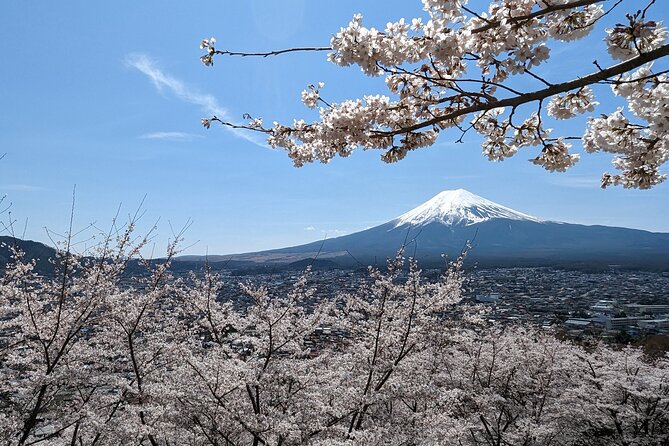
- Classic Fuji viewpoints are included such as Arakura Sengen Shrine and the Mt. Fuji World Heritage Center.
- Two big route styles: Lake Kawaguchiko and Aokigahara caves, or Hakone ropeway/volcano/shrines/Lake Ashi.
- Not everything is included in the price (entrances, food, and the Mt. Fuji 5th Station toll are separate).
- Weather matters, and some spots may be less visible, but the tour doesn’t get canceled just because Fuji won’t show.
How the private car tour works from Tokyo (and why it feels easier)
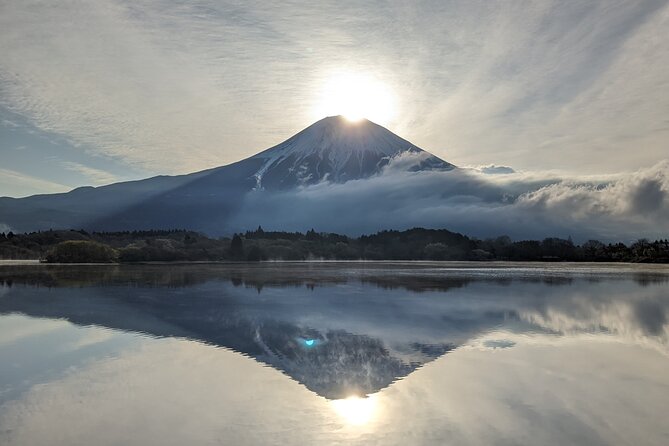
This is a true private experience. Your group—up to 8 people—rides in a round-trip, air-conditioned minivan with pickup and drop-off at your Tokyo hotel or accommodation. The whole day runs about 10 to 11 hours, so you’re not doing a quick in-and-out photo dash. It’s long enough to see multiple areas around Mt. Fuji, or to do a full Hakone highlight loop.
You’ll also have a guide who can speak English, French, Spanish, Chinese, or Korean (and the tour team is made up entirely of local Japanese staff). In real terms, that matters on a day like this. You’re dealing with rural roads, changing seasonal conditions, and places where it helps to know what to look for—so you spend time enjoying rather than figuring out.
Another detail I appreciate: the tour uses a mobile ticket. That reduces the hassle of managing paper tickets during a long, stop-heavy day. Plus, you get one bottled water per person, which is small, but it adds up when you’re out for hours in warm months.
Price reality check: it’s priced per group (listed at $1,286.89 for up to 8). For couples, it’s usually a splurge. For families or groups who split the cost, the value climbs fast—especially because you’re paying for door-to-door private transportation plus an English-capable guide for the entire day. Also keep in mind: the price stays the same with or without the vehicle, which is a hint that the guiding and planning time are a big part of what you’re buying.
You can also read our reviews of more private tours in Tokyo

Mt. Fuji’s best angles: Arakura Sengen and Chureito Pagoda
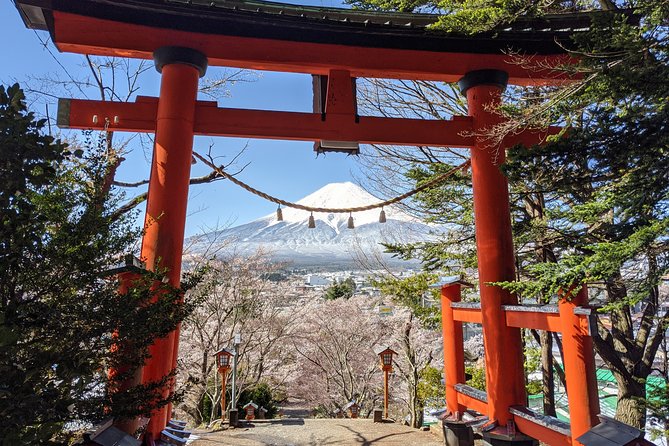
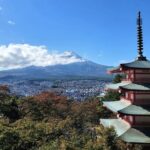
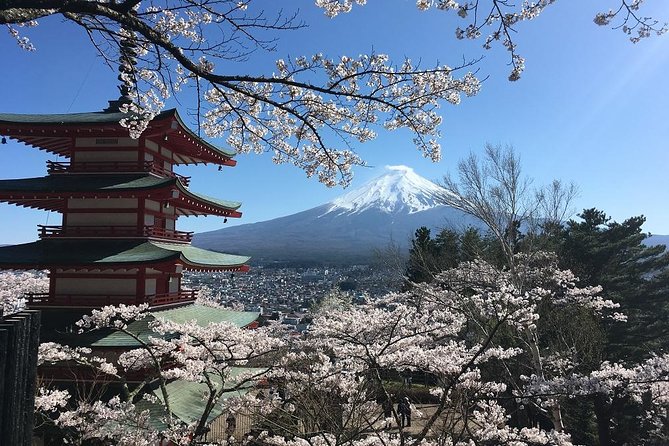
If you’re coming to see Mt. Fuji, Arakura Sengen Shrine is the kind of stop that makes the day feel like it’s working. The shrine complex is tied to the Fujisan faith tradition (it enshrines the goddess of Fire), and the views are framed in a way photographers immediately recognize.
Here’s what you can expect when your guide steers you to this area:
- A dedicated stop at Arakura Fuji Sengen Shrine, where you’re set up for a Mt. Fuji + pagoda-style composition.
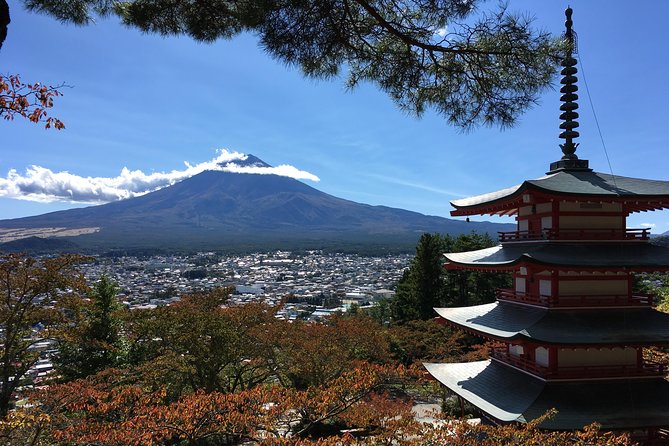
- Time for photos at the Chureito Pagoda (a five-storied pagoda shot people travel for).
- A stroll through Arakurayama Sengen Park, which is where the bigger panoramic view tends to happen.
The good news: these are listed as free admission stops, and the time blocks are short but flexible enough for photos when the lighting is right. Your guide can also adjust your exact shooting spots based on where the clouds are behaving. That matters because Mt. Fuji visibility can change quickly.
After the iconic viewpoints, the day often includes a calmer cultural stop: the Mt. Fuji World Heritage Center. You’ll watch a video about Mt. Fuji and local rituals. Even if you’re not a museum person, I like this kind of stop because it gives meaning to the photos—so the mountain isn’t just scenery, it’s a living part of local identity.
Lake Kawaguchiko: lakeside views, seasonal flowers, and easy walking
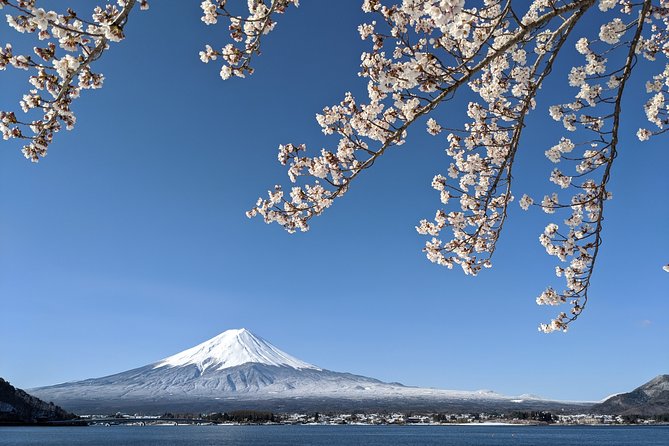
When the route centers on Lake Kawaguchiko, you get a mix of Fuji backdrops, seasonal scenery, and small cultural distractions that keep the day from feeling repetitive. This is also where customization helps the most: you might pick gentle gardens and viewpoints, or you might prioritize craft and food moments.
Some of the stops that fit well in a well-paced Fuji day:
- Kitaguchi Hongu Fuji Sengen Jinja Shrine: a major shrine on the northern side of Mt. Fuji and part of the wider Fujisan Cultural Site recognition. The time here is short, but it’s a meaningful anchor.
- Fujisan World Heritage Center (if not already done): helps connect the mountain to the rituals and heritage you’ll keep seeing.
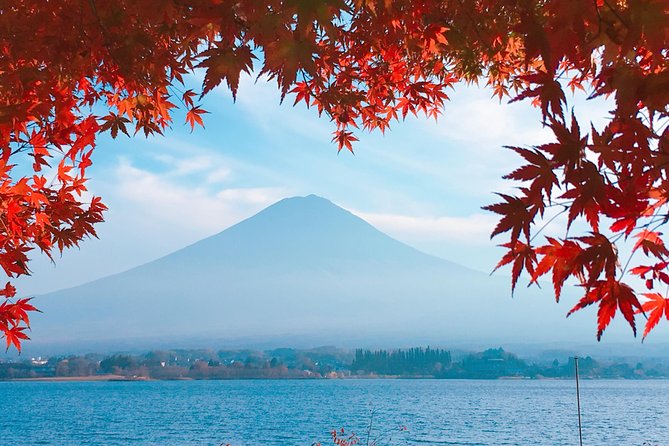
- Lake Kawaguchiko photo stops: the tour description points out that you can make seasonal photo stops from various locations around the lake.
Then you can choose garden time based on what’s in bloom:
- Fuji Oishi Hana Terrace: crafts, souvenirs, and a relaxed break with local-fruit ice cream and sorbets.
- Oishi Park: flowers in four seasons, with lavender highlighted.
If you want something that feels more traditional than viewpoint-shopping, the itinerary often includes Saiko Iyashi no Sato Nemba—an area of preserved straw-roof houses with Mt. Fuji in the background. It’s a good place for atmosphere and local crafts, and the tour notes that rental kimonos and samurai armor are available by reservation (not included).
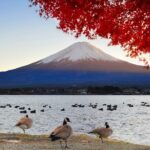
For a classic Mt. Fuji postcard moment, there’s Oshino Hakkai: eight ponds fed by snowmelt from Mt. Fuji. It’s a World Heritage Fujisan Cultural Site area, and it tends to be the kind of stop where you slow down naturally because it’s pleasant to walk around.
And if your group wants something playful:
- Oshino Shinobi no Sato is listed as a ninja show area, with costume rentals available.
- Kawaguchiko Music Forest Museum is a European-style theme museum focused on automatic musical instruments, with seasonal flowers.
One practical note: some of these are not included in the base price (entrances vary). Your guide can steer you toward the best value for your interests, not just the most famous stop.
Aokigahara Jukai: ice, wind, and bat caves (the unusual side of the Fuji area)
If you only do shrines and lakes, the Fuji day can start to feel predictable. This is why I like the idea of adding the Aokigahara forest cave stops. The itinerary lists three cave options:
- Narusawa Ice Cave
- Fugaku Wind Cave
- Saiko Bat Cave
These are short timed activities—think quick adventures rather than long hikes. They’re also explicitly noted as admission-based add-ons, so you’ll want to confirm with your guide what’s feasible with your schedule and weather.
Why this section works for many visitors: it gives you contrast. You get iconic Mt. Fuji views earlier, then you shift to something colder, darker, and more mysterious. Even the naming tells you what to expect—ice, wind, and the bat hibernation cave. That makes the day feel like it has a story, not just a list of checkpoints.
Also, the forest area can be a good choice when Mt. Fuji is hiding. If the mountain doesn’t show, you can still end up with a memorable change of pace and atmosphere.
Hakone instead of Lake Kawaguchiko: ropeway views, volcano stops, and Lake Ashi
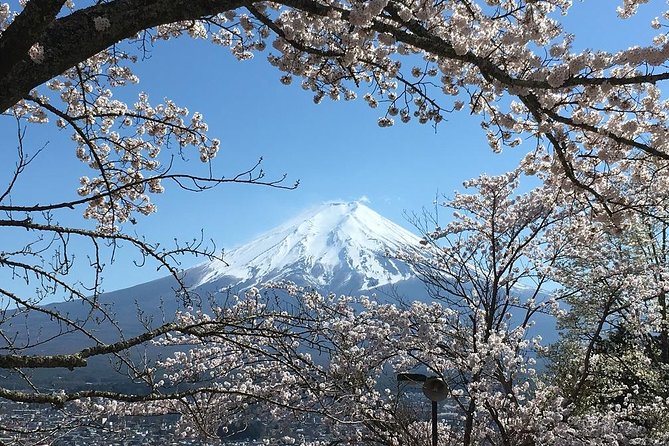
The Hakone version is a different flavor. You still get Mt. Fuji viewpoints when skies cooperate, but the day leans more toward volcanic scenery, historic shrines, and open-air culture.
Key Hakone stops you can expect in the tour description include:
- Hakone Ropeway: a high aerial ride with views from 1,350m. It’s listed as a great Mt. Fuji viewing point in the Hakone area.
- Owaku-dani Valley: the volcanic activity zone, with the famous black eggs tradition noted in the itinerary.
- Hakone Shrine / Kuzuryu Shrine: a long-established shrine area and a spot known for an Instagrammable torii gate.
- Hakone Open-Air Museum: outdoor sculpture gardens and art in an environment where photos are allowed (admission not included).
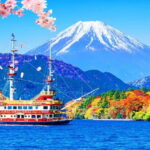
Then there’s the signature water moment: Lake Ashi sightseeing cruise. The description mentions a choice between a more famous pirate-ship style option or a regular cruise ship if you want to reduce crowd pressure. In either case, it’s a good “sit down and breathe” break after ropeway/volcano time.
You can also add:
- Odawara Castle (history museum time)
- Hakone Sekisho and its museum (Edo-period checkpoints and samurai duty themes)
- Onshi Hakone Park (seasonal cherry blossoms or red maple time, plus possible Fuji views on clear days)
If you’re the kind of person who enjoys views from above, Mishima Skywalk is also listed as a possible add-on, described as Japan’s longest suspended pedestrian bridge with Mt. Fuji expected on clear days.
You can also read our reviews of more tours and experiences in Tokyo
Price and value: what you’re paying for (and what costs extra)
This tour is premium-priced because it’s private, not seat-based. You’re paying for:
- round-trip private transportation from Tokyo
- a guide who can handle language and context
- timing across multiple rural viewpoints
- door-to-door convenience (with the long day you’d otherwise assemble yourself)
What’s not included is equally important:
- entrance fees to sites, museums, and attractions
- food and drinks (lunch is not included)
- gratuities (5–20% is requested)
- Mt. Fuji 5th Station toll (2,100 yen paid on the spot)
So your best budgeting move is to plan your 4 to 6 site selections thoughtfully. If you choose multiple paid attractions, your total cost climbs. If you stick to more free stops plus one or two paid experiences, you’ll keep the day in check.
Also remember: the tour can include a long drive day. You’ll want comfortable shoes and a phone charged for both maps and photos. The guide and driver handle the logistics, but your body still has to last 10–11 hours.
The timing and weather issues you should plan for
Mt. Fuji is famous because it’s dramatic. It’s also famous because it sometimes refuses to show up. This tour specifically notes that it requires good weather, and that the day won’t be canceled due to poor weather; instead you’ll be offered a different date or a full refund if the tour is canceled because of weather.
Even then, the schedule can shift, and some spots might not be fully visible due to clouds or conditions. Importantly, the itinerary is described as not refundable if some viewpoints aren’t visible—so you should book with the mindset of doing the day for the experience, not only for a perfect summit view.
One big add-on to understand is the Mt. Fuji 5th Station. It’s the closest car-access point listed at about 2,300m, and you’ll need to pay a toll of 2,100 yen on the spot. Access is closed from July to mid-September (climbing season) and also in winter. If you’re traveling during those windows, your guide will likely shift you toward lakeside viewpoints instead.
If your group includes hot springs in the flexible plan, the tour provides specific rules: no bathing suits or towels inside, separate men’s and women’s tubs, and tattoos/body paint prohibited. That’s the kind of detail people forget until it’s too late—so it’s smart to take note early.
Who should book this private Mt. Fuji or Hakone car tour
This is a great match if:
- you want one-day convenience from Tokyo with minimal planning stress
- your group has mixed ages or mobility needs and you want a smooth schedule with car transfers
- you care about interpretation—learning what you’re looking at rather than just taking pictures
- you want a private guide who can respond to real-time weather and timing
You might rethink it if:
- you’re on a tight budget and prefer cheaper public-transport options
- you’re okay doing a bit of planning yourself (route building, ticket lines, and coordinating travel times)
- you only care about the summit view, because fog and clouds can ruin that specific goal even on a well-run day
Should you book this tour or DIY it?
If your priority is seeing more in less time with a guide who can steer your day, this private car tour is an easy yes. The biggest advantage is the flexibility: you pick around 4 to 6 stops, and the guide plans the order so you’re not stuck wasting daylight. That’s especially valuable for Fuji days, where the mountain’s mood changes fast.
If you’re traveling with a small group who wants classic icons plus one unusual experience (like Aokigahara caves) or a full Hakone highlight loop (ropeway, volcano, Lake Ashi cruise), the value often holds up better than you’d expect. Just budget for entrances, lunch, and any tolls—because those are where the final total often surprises people.
FAQ
What is the group size for this private tour?
The tour price is listed per group for up to 8 people.
How long does the tour take?
Expect about 10 to 11 hours.
Do I get pickup and drop-off from Tokyo?
Yes. Hotel pickup and drop-off are included.
Is a guide included, and what languages are available?
Yes, a private guide is included. The tour lists English, French, Spanish, Chinese, and Korean professional guides as options.
What’s included in the price?
Included are hotel pickup/drop-off, round-trip private transportation by air-conditioned minivan, a private guide, and one bottled water per person.
Are entrance fees included?
No. Entrance fees for museums, hot springs, and other activities are not included.
Do I have to pay for Mt. Fuji 5th Station?
If your plan includes it, the tour notes a toll fee of 2,100 yen paid on the spot. Access is also closed from July to mid-September and in winter.
Are service animals allowed?
Yes, service animals are allowed.