REVIEW · TOKYO
Asakusa: Kimono Tea Ceremony with Matcha and Sweet
Book on GetYourGuide →Operated by GLOBA Inc. · Bookable on GetYourGuide
Wearing a kimono changes your tempo fast. In Asakusa, this kimono tea ceremony mixes hands-on matcha-making with a calm, structured lesson on tea etiquette and the meanings behind Wa, Kei, Sei, and Jaku. I love how you get real guidance through the ritual, not just a performance, and I also love the seasonal wagashi pairing that makes the tea feel like it has a place in the calendar. The main thing to consider is comfort: you sit on tatami mats, and shoes aren’t allowed.
Two parts of this experience really earn their keep. First, the staff take kimono styling seriously, including professional dressing and hair styling for women with long hair only. Second, you leave with matcha you made yourself—then you can keep the kimono on for a while afterward if you want, so the photos and the atmosphere don’t have to end at the tea room.
If you’re expecting a high-energy class, this isn’t that. The vibe is quiet by design, and the group can be around 12–14 participants, so your best enjoyment comes from slowing down and following instructions closely.
In This Review
- Key Things I’d Prioritize
- Kimono Styling in Asakusa: Pretty, Practical, and Photo-Friendly
- The Tea Room Rules: Wa, Kei, Sei, and Jaku in Real Life
- Matcha Making: Where You Actually Participate
- Wagashi and Seasonal Pairing: The Sweet That Adds Context
- Tatami Seating, No-Shoes Policy, and Comfort Tips That Matter
- Group Size and the Feel: Structured, Calm, and Not Too Crowded
- Price and Value: Why $66 Can Be a Fair Deal
- Who Should Book This in Tokyo’s Asakusa?
- Should You Book This Kimono and Matcha Experience?
- FAQ
- Can I request a bamboo chair instead of sitting on tatami?
- Are shoes allowed during the ceremony?
- How long is the experience?
- Is hair styling included, and who is it for?
- Is this suitable for children?
- What’s included in the $66 price?
Key Things I’d Prioritize
- Kimono selection and professional dressing so you don’t stress about the fit or the obi
- Tea etiquette taught in plain English, including Wa, Kei, Sei, and Jaku
- Hands-on matcha whisking, with careful tool handling explained as you go
- Seasonal wagashi paired with your tea, reflecting the current season’s flavors
- Tatami seating with a chair option, if you request bamboo chairs in advance
Kimono Styling in Asakusa: Pretty, Practical, and Photo-Friendly
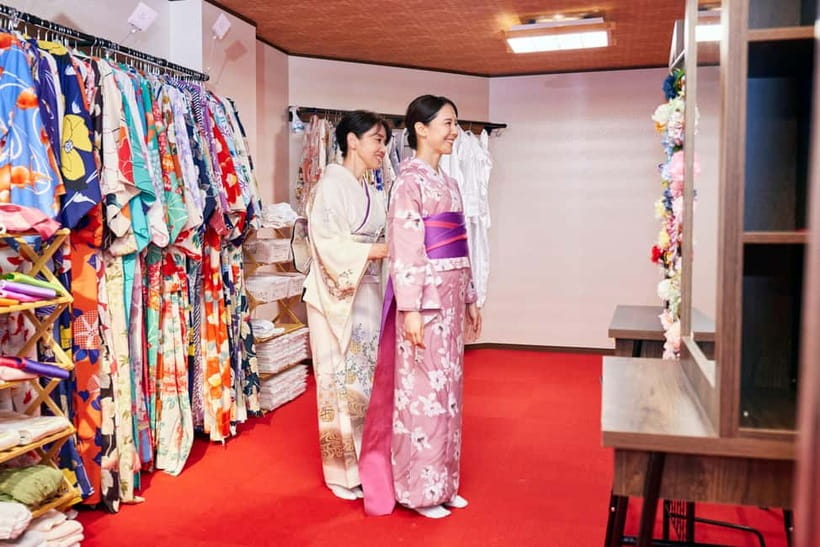
Your time starts with choosing a seasonal kimono. You’ll get help to pick one that suits you, and the dressing team handles the details so you don’t end up tugging and adjusting through your tea lesson. It’s also one of the most memorable parts of the day because your whole posture changes once you’re in a kimono—your movements get slower and more deliberate, which matches the tea ceremony pace.
Women get hair styling as part of the experience, but it’s long-hair only. If your hair is shorter, you’ll want to plan for that before you book. I also suggest wearing something easy to change out of, since shoes are not allowed during the ceremony and the whole outfit experience is part of the package.
If you’re there for photos, you’ll have setups designed for kimono pictures, including a small garden area. One nice bonus: many people like getting photos before or after the tea ritual, so you’re not just stuck holding still during the lesson.
You can also read our reviews of more tours and experiences in Tokyo.



The Tea Room Rules: Wa, Kei, Sei, and Jaku in Real Life
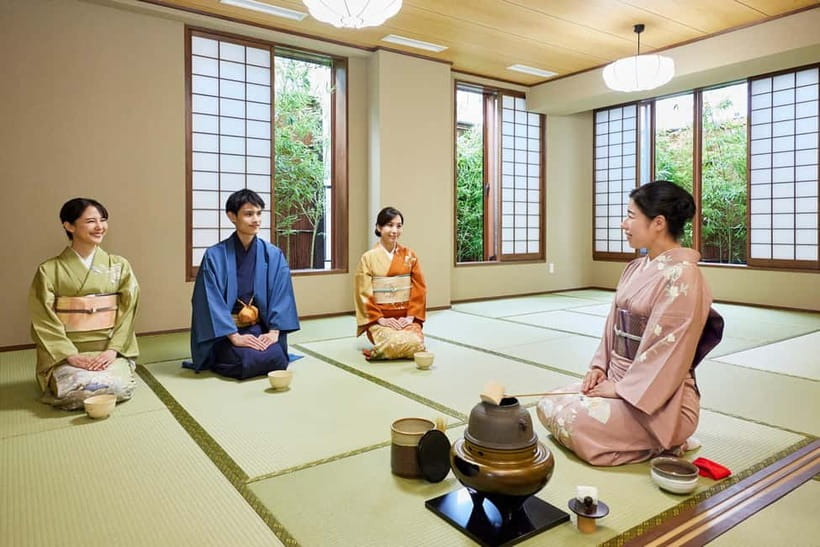
Once you’re in the tea room, the tone turns quiet quickly. This is a tea ceremony built around respect and attention. The instructor explains the meaning behind the guiding principles: Wa (harmony), Kei (respect), Sei (purity), and Jaku (tranquility). Even if you only catch part of the phrasing, the structure shows you how the words work in practice—your job is to move with care and follow the sequence.
What I like about this kind of teaching is that it’s not just cultural trivia. It helps you understand why the host handles utensils a certain way and why timing matters. Tea tools aren’t treated like random kitchen items; they’re handled with the kind of focus that makes you slow down too.
English guidance matters here. The instruction is taught in English, with bilingual staff support, so you can actually connect the meaning to what you’re seeing—especially if you don’t read Japanese.
Matcha Making: Where You Actually Participate
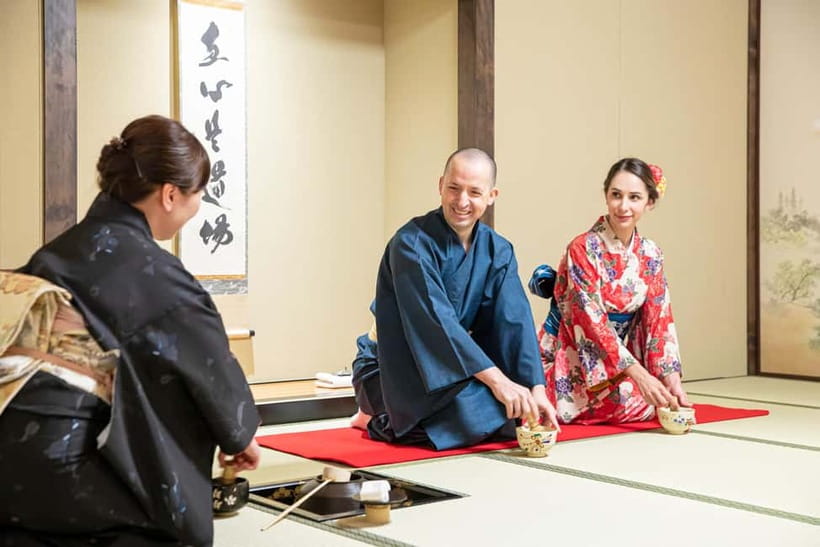
The matcha portion is the main event. You’ll watch the tea master demonstrate how to prepare matcha, including the precise handling of utensils. Many of the tools are described as cherished artifacts, and the way they’re treated reinforces that you’re learning a ritual, not just stirring powdered green tea.
Then you’ll do it yourself. You whisk your own bowl of matcha—taking part in a ritual passed down for centuries. This is a big deal for value. A lot of Tokyo cultural activities let you watch. Here, you get the satisfaction (and a little patience practice) of making something you’ll drink.
If you’re worried you’ll do it wrong, don’t. The point is the process and the attention. You’re learning how each step fits into the whole ceremony flow, so focus on doing the steps they show you rather than chasing the perfect froth.
Wagashi and Seasonal Pairing: The Sweet That Adds Context
After matcha, you’ll enjoy seasonal Japanese sweets called wagashi. This isn’t a generic snack plate. Wagashi is tied to the season—flavor and design reflect what’s happening at that time of year. That seasonal angle is part of the tea ceremony’s logic: tea isn’t just a drink, it’s a seasonal experience.
You’ll get your matcha paired with the wagashi provided for your session. If you’re watching for dietary needs, you’ll want to check details ahead of time—one account notes vegan-friendly options, but the safest approach is to ask what’s available for your specific date. Either way, plan to treat the sweet as part of the ritual, not as an afterthought you rush through.
Tatami Seating, No-Shoes Policy, and Comfort Tips That Matter
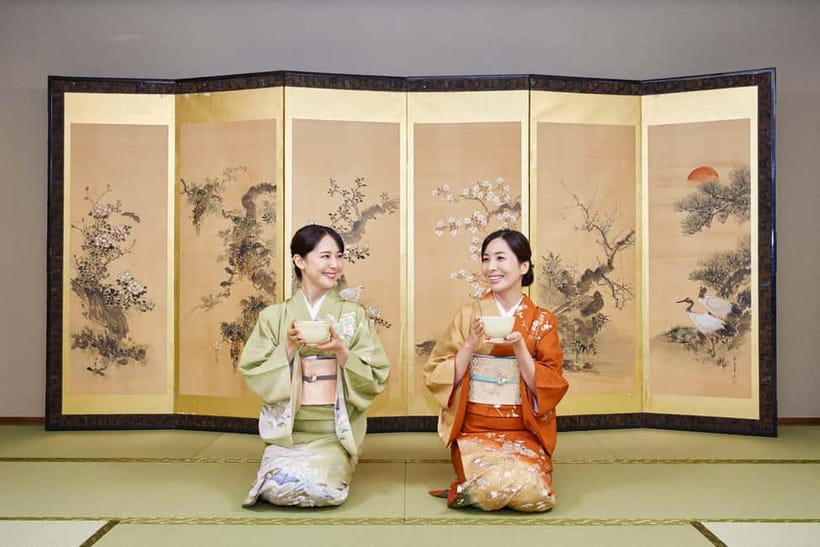
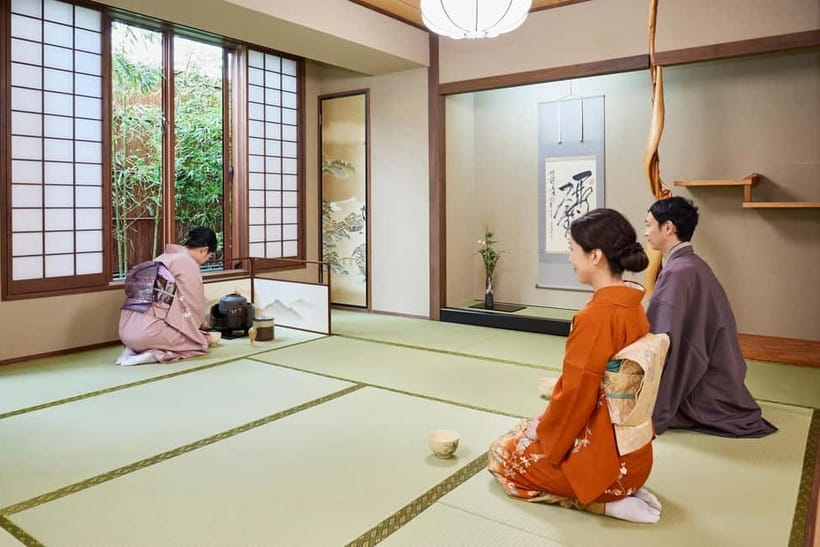
Expect seating on tatami mats. That’s part of the traditional setting, but it can be uncomfortable if you’re not used to sitting on the floor. The good news: bamboo chairs are available if you request them in advance. If you have knee or mobility concerns, don’t wait—this is the kind of detail that changes your whole experience.
Shoes aren’t allowed. You’ll be barefoot or in whatever indoor footwear rules the staff uses (the key point for you is that you can’t keep your shoes on). Wear clothing that’s easy to manage when you take shoes off, and keep your socks in good condition—your feet will be in contact with the mat area.
The ceremony is designed to be quiet and calm. That means you might feel like you’re in a peaceful pause while the rest of Tokyo keeps moving. If you’re the type who needs constant noise and entertainment, you may not love the pacing.






Group Size and the Feel: Structured, Calm, and Not Too Crowded
You can expect a group around 12–14 participants for a session. That sounds like a lot until you’re inside the tea room, because the ceremony is paced in a way that keeps things orderly. The structure gives you room to pay attention, and the calm environment keeps it from turning chaotic.
Some sessions may feel very intimate depending on how your time slot shapes up. Either way, the rhythm is the same: kimono dressing support, an explanation of principles, the demonstration, your matcha whisking, then tea and wagashi.
Because it’s a 90-minute experience, it’s a strong fit if you want something meaningful without burning your whole day. Also, the English instruction makes it workable even if you’re not familiar with Japanese etiquette.
Price and Value: Why $66 Can Be a Fair Deal
At $66 per person for a 90-minute experience, you’re paying for several things at once:
- Kimono rental and professional dressing
- Hair styling for women (long hair only)
- English guidance throughout
- Matcha preparation experience (you make it)
- Seasonal wagashi
- Traditional ceremony seating setup (with tatami, and bamboo chairs available by request)
If you’ve ever priced out kimono rental plus a guide plus a structured activity, this is where the value shows up. You aren’t just paying for the clothes—you’re paying for the instruction that turns the outfit into an actual cultural practice. The hands-on matcha part is the other major reason it feels worth it. You’re not leaving with only photos; you’re leaving with a memory tied to something you did.
Where the price might feel less appealing is if you mainly want sightseeing time and don’t care about tea rituals. If that’s you, a kimono photo-only rental might be cheaper. But if you want the meaning behind the movements, this is a good match.
Who Should Book This in Tokyo’s Asakusa?
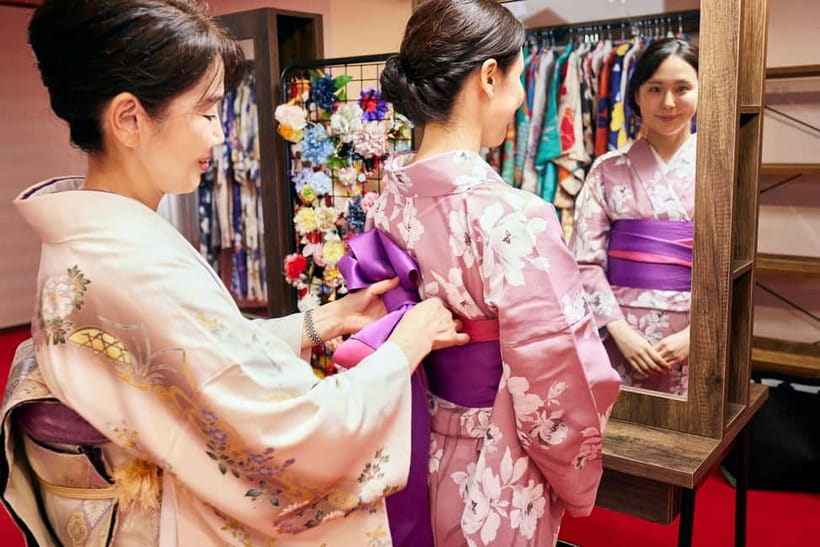
This experience is ideal if you want:
- A real cultural practice you can understand, not just watch from the sidelines
- A photo-friendly kimono moment with professional help
- A calm activity that doesn’t require intense walking or museum stamina
- English guidance that explains the why, not only the what
It’s not suitable for children under 7 years old. If you’re traveling with kids, you’ll need other plans. It’s also not for anyone who hates sitting on tatami mats—though requesting bamboo chairs can solve that.
If you’re a solo traveler, the photo and guidance setup can still work well because staff are there to help with the flow of the ceremony and pictures. One-person visits especially benefit from the attention the staff can give during the dressing and photo moments.
Should You Book This Kimono and Matcha Experience?
I’d book it if you’re the type who enjoys learning through doing. The mix of kimono dressing, an English-led ritual explanation, and your own matcha whisking gives you a full cultural story in 90 minutes. The seasonal wagashi pairing is a small detail, but it makes the tea feel tied to Japan’s sense of time.
I wouldn’t book it if your main goal is a busy day of sightseeing. This is quiet by design, and you’ll want to go in ready to slow down. Also be sure you’re comfortable with the no-shoes rule and plan for tatami seating—request bamboo chairs if you need them.
If you want one Tokyo activity that’s both meaningful and photogenic, this one earns a spot on your list.
FAQ
Can I request a bamboo chair instead of sitting on tatami?
Yes. Bamboo chairs are available upon advance request, since the standard seating is on tatami mats.
Are shoes allowed during the ceremony?
No. Shoes are not allowed.
How long is the experience?
The ceremony lasts approximately 90 minutes.
Is hair styling included, and who is it for?
Hair styling is included for women with long hair only.
Is this suitable for children?
Children under 7 years old are not permitted.
What’s included in the $66 price?
You get the traditional tea ceremony experience, kimono rental and professional dressing, matcha green tea preparation, seasonal Japanese sweets (wagashi), and full English guidance throughout.