REVIEW · TOKYO
From Tokyo: Private Mt. Fuji and Hakone Tour by Car
Book on GetYourGuide →Operated by Asoko LLC · Bookable on GetYourGuide
Mount Fuji looks better when you control the stops. This private, customizable car day pairs Hakone’s classics with dramatic Fuji-area scenery, on your schedule and in comfort.
I like that you get hotel pickup and drop-off, so you skip the early scramble and stay relaxed before the views. And I really enjoy the mix of stops: serene Yamanakako reflections, volcanic Owakudani vents (yes, black eggs), then Lake Ashi for that famous lakeside torii moment.
One thing to keep in mind: entrance fees and food aren’t included, so your day budget needs a little extra cash. Also, it’s a full plate—great for seeing a lot, but not built for slow, deep exploration.
In This Review
- Key things I’d plan around
- A private car day that actually feels flexible
- Yamanakako and Owakudani: Fuji calm then volcano drama
- Lake Ashi, a boat option, and the torii at Heiwa no Torii
- Hakone Open-Air Museum: art with real mountain air
- Mt. Fuji 5th Station Komitake Baiten: only if the day is ready
- Lunch in Hakone and how to keep the pace comfortable
- Gotemba Premium Outlets: the practical way to end the day
- Driver quality is the real upgrade (and it shows in small moments)
- Price and value: what $488 gets you for a small group
- Who this tour suits best (and who might not love it)
- Should you book this private Mt. Fuji and Hakone car tour?
- FAQ
- FAQ
- How long is the Mt. Fuji and Hakone private tour?
- Where can you be picked up and dropped off?
- Is an English-speaking driver included?
- Are entrance fees, food, and drinks included?
- Is the Lake Ashi cruise included?
- Can I visit Mt. Fuji 5th Station on this tour?
- Can I eat in the car during the tour?
Key things I’d plan around
- Private, customizable pacing with your driver syncing the order and time
- Fuji Five Lakes scenery hits, especially Yamanakako and Lake Ashi
- Owakudani volcanic valley with steaming vents and the black egg tradition
- Hakone’s lakeside torii at Heiwa no Torii for iconic photos
- Hakone Open-Air Museum plus a cable car ride for a change of pace
- Gotemba Premium Outlets so you can end with shopping instead of returning empty-handed
A private car day that actually feels flexible
A trip to Mt. Fuji can turn into a logistics puzzle fast. This tour keeps it simple: you start with pickup from central Tokyo (within Tokyo’s 23 wards), then spend the day moving between the big Hakone and Fuji-area highlights without juggling trains, transfers, and timing. It’s a smart choice when you’re traveling with kids, want to move efficiently, or just don’t feel like fighting crowds to catch the best light.
The big value is that your itinerary can breathe. You’re not locked into a rigid bus route. If the weather shifts, or if you want extra time near a viewpoint, you can usually adjust on the fly (within reason), and your English-speaking driver can help steer decisions.
You should also know the tone of the day. This is primarily a scenery-and-stops kind of outing. If you want very heavy history storytelling, you can choose the option to add an expert driver-guide, but otherwise expect more “look, walk, photograph” than lecture.
You can also read our reviews of more private tours in Tokyo

Yamanakako and Owakudani: Fuji calm then volcano drama
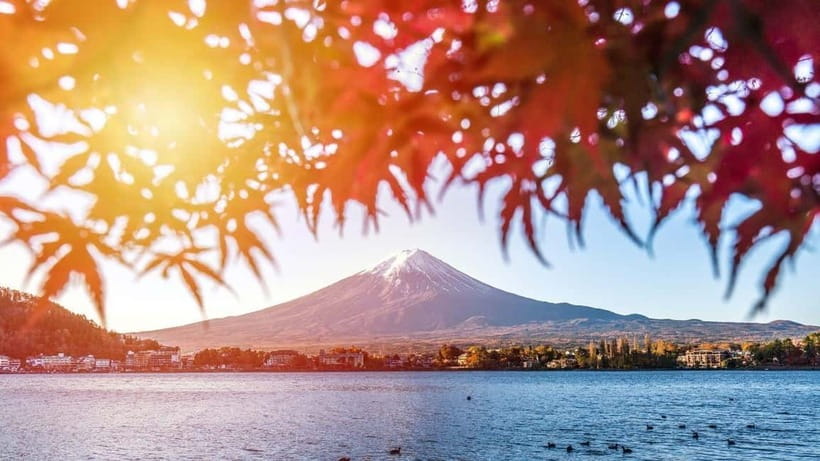
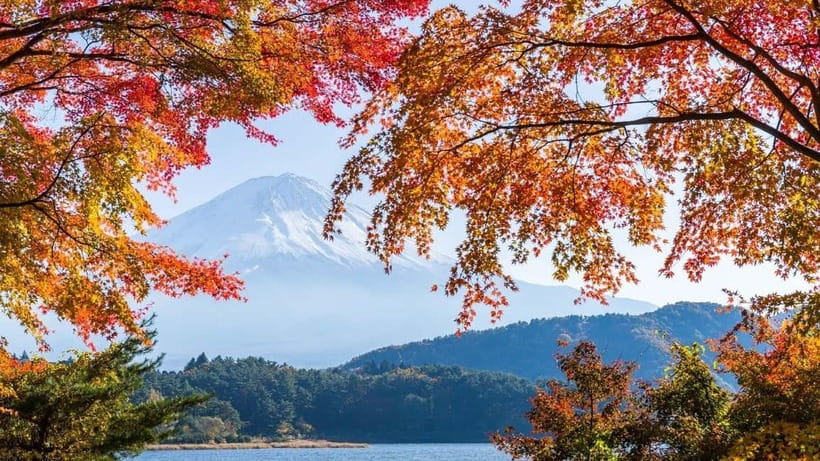
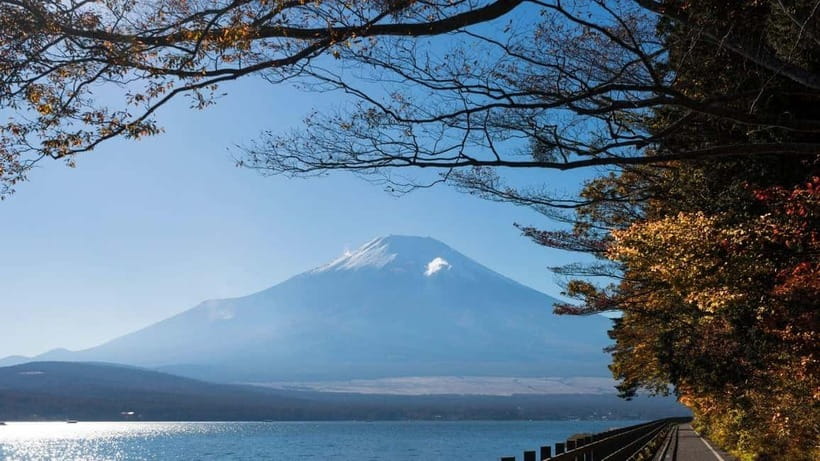
You’ll start with a drive toward Yamanakako, one of the Fuji Five Lakes. The point here isn’t just reaching a lake—it’s chasing the mood. On clear days, Yamanakako is known for mirror-like views of Mt. Fuji, which makes it a standout early stop. Even if the mountain is partially hidden, the lake setting still feels peaceful and gives you a real break from Tokyo’s pace.
From there, you head to Owakudani Valley, where the landscape is shaped by active volcanic activity. This is where the day gets dramatic. You’ll see steaming vents and the famous black eggs, a local tradition tied to the volcanic hot springs. If you’re curious, try one—part of the fun is doing the “food that belongs to the place.”
What I like about this pairing is contrast. You get a calm water moment (Yamanakako) followed by a heat-and-steam moment (Owakudani). That rhythm keeps the day interesting and helps the tour feel like more than just driving between scenic pull-offs.
A practical note: wear shoes you can walk in comfortably. Owakudani involves real walking time, not just stepping off for one quick photo.
Lake Ashi, a boat option, and the torii at Heiwa no Torii
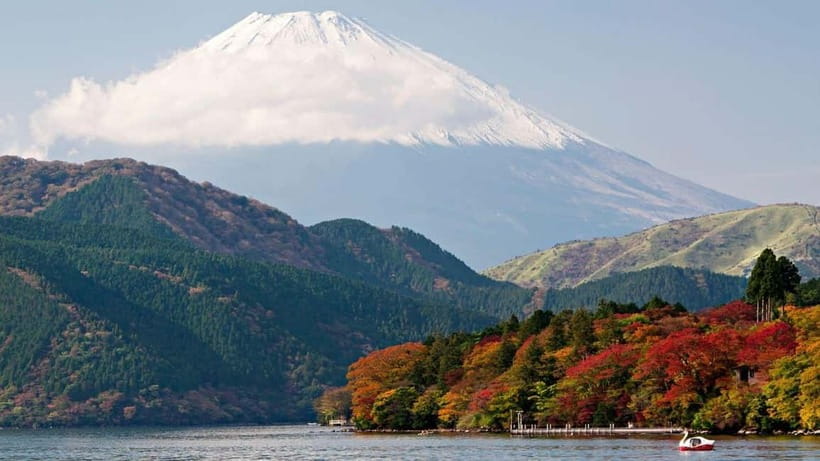
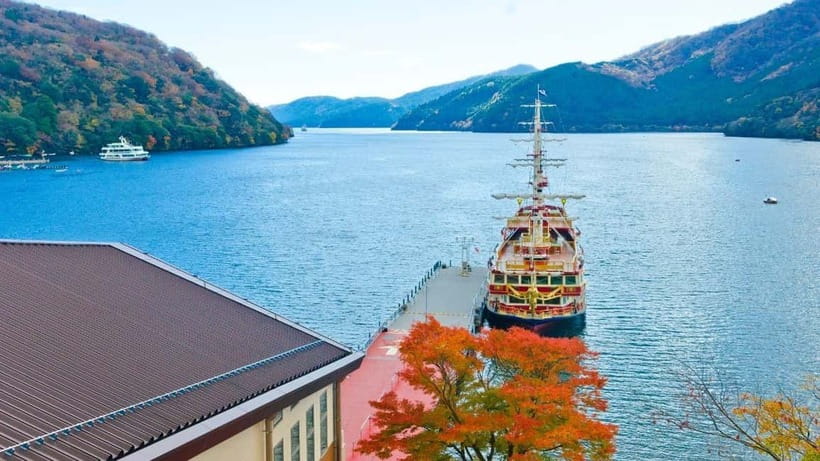
Next comes Lake Ashi, a classic stop for seeing Mt. Fuji from the water. If visibility is good, the views can be postcard-level. You also have the option of a Lake Ashi cruise, which is one of those “this is why we paid for a private car” add-ons. Being out on the lake changes the angles and compresses the best sightlines into a single stretch of time.
Then you’ll visit the Hakone lakeside shrine area and the iconic red structure known as Heiwa no Torii. Standing out over the water, it’s the kind of photo spot where it helps to have time to slow down. The torii doesn’t just look good—it anchors the whole Hakone-on-Lake-Ashi feeling. If you take photos, you’ll notice the light changes fast here, especially if clouds roll in.
Timing-wise, this part of the day is where you’ll either feel like you’re on top of your plan—or slightly rushed, depending on conditions. If the weather is playing nice, I’d prioritize extra minutes around the torii and accept a shorter museum later. If it’s cloudy, do the photos, then move on without agonizing.
Hakone Open-Air Museum: art with real mountain air
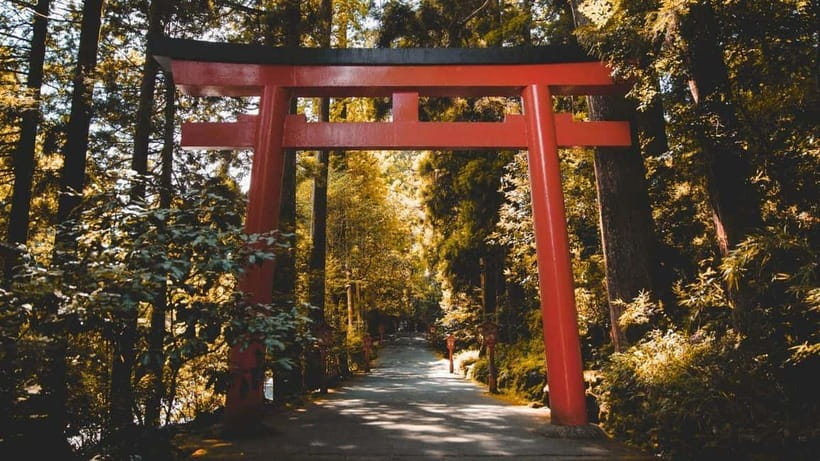
After lunch, the tour includes Hakone Open-Air Museum, plus time for sightseeing and a cable car ride. This stop is valuable because it breaks up the day’s pattern of viewpoints and walking paths. The museum is built for outdoor wandering, so you’re still in nature, but with something human-made to focus on.
Why this works well on a Fuji/Hakone day: the area around Mt. Fuji can be visually intense. When the mountain is visible, your brain keeps snapping to it. The Open-Air Museum gives your eyes a different job—sculptures and art installations set against the mountain backdrop. Even on a less-perfect visibility day, the setting still feels intentional.
It’s not the kind of place where you must “complete” everything. I’d suggest you pick a route and linger where something catches your eye. The tour gives you a solid block of time, enough to enjoy it without turning it into homework.
If you’re traveling with teens or anyone who gets bored by repetitive sightseeing, this is usually the stop that refreshes their mood.
Mt. Fuji 5th Station Komitake Baiten: only if the day is ready
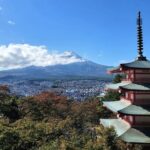
There’s an option to go up to Mt. Fuji’s 5th Station (Komitake Baiten) for photo stops and mountain views on the way. This is the highest-altitude part of the day and can be breathtaking when conditions are right—cooler air, thinner atmosphere, and a different sense of scale.
Here’s the key reality: your experience at the 5th Station depends heavily on weather and visibility. So I think it’s best to treat it as a priority if clear skies are likely for your travel day. If you’re not sure, you can still have an incredible Fuji day without it; Yamanakako, Owakudani, and Lake Ashi can still deliver the main hits.
Also, it adds time and effort. Your day is only 10 hours (for central Tokyo pickup/drop-off), so adding 5th Station can mean less breathing room for other stops. If you love viewpoints and want to say you went that high, it’s a worthwhile trade. If you’d rather savor a slower pace and fewer “just driving” miles, you might skip it.






Lunch in Hakone and how to keep the pace comfortable
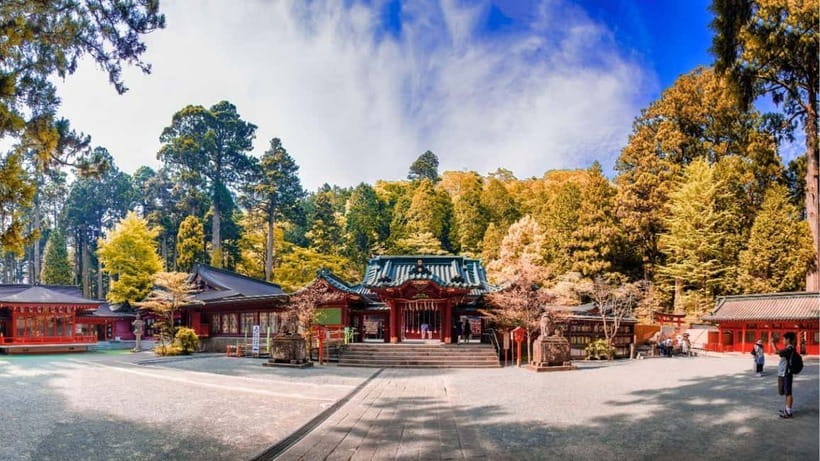
Lunch is planned with about 1.5 hours in the Hakone area. The tour has you stopping at a local restaurant rather than leaving you to solve where to eat after a long drive. That time block matters because it prevents the classic problem: eating too early, then rushing later when you’re hungry.
I also like that the day allows you to manage your own preferences. If you’re the type who likes controlling your food choices, the car can accommodate food and drinks under specific conditions—just note that no alcohol is allowed in the car, and if the vehicle gets unusually dirty, there may be a cleaning fee.
For practical planning, bring cash. You’ll likely need it for lunch (not included), entrance tickets (not included), and anything you decide to add.
One more pacing tip: if you’re sensitive to motion or winding roads, let the driver know early. A careful driver and the right stops can make the day much calmer.
Gotemba Premium Outlets: the practical way to end the day
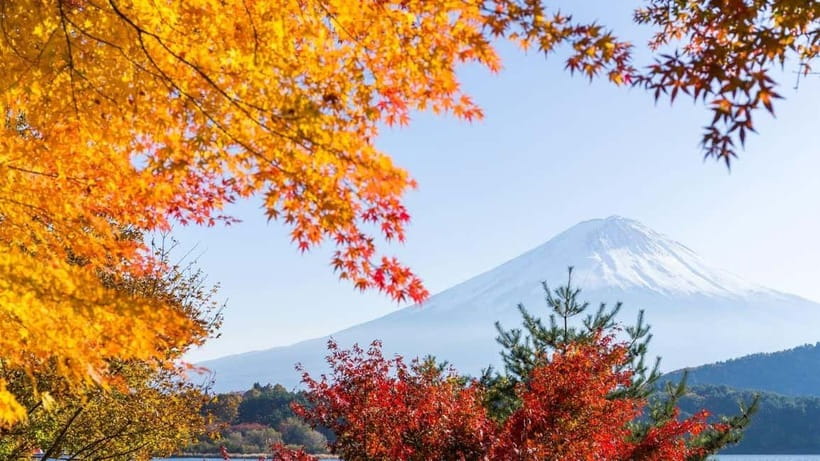
As the day winds down, you’ll have time for shopping at Gotemba Premium Outlets, one of Japan’s larger outlet malls. This works better than you’d think for a tour like this. It gives you a planned, reliable place to spend your final hours without guessing where shops are or how to get there.
It’s also a nice “reward stop.” After Fuji photos and volcanic vents, shopping feels like a change of gear. If you’re not into outlets, you can still use the time to grab snacks, souvenirs, or gifts for people back home.
Do keep expectations realistic: malls move fast. If you want calm browsing, set a goal like one or two stores, then stop. If you don’t like shopping, use the time to regroup, recharge, and still enjoy the out-of-the-city atmosphere.
Driver quality is the real upgrade (and it shows in small moments)
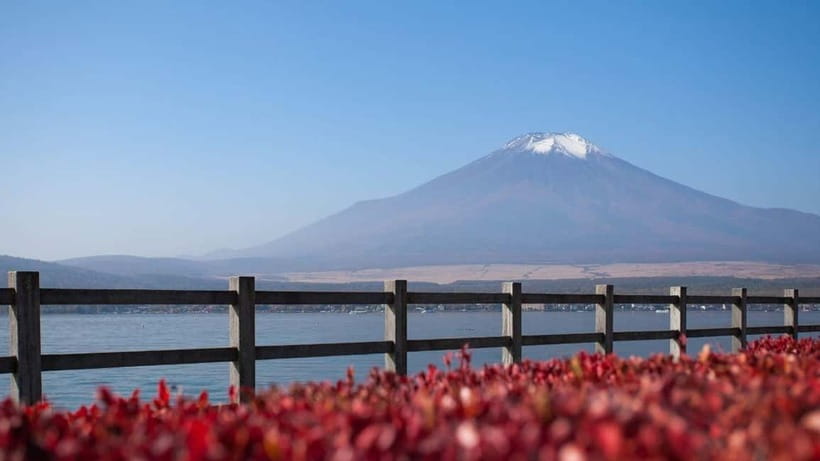
The tour includes an English-speaking driver and a modern air-conditioned vehicle, and that’s more important than it sounds on a Fuji day. Mt. Fuji-area driving includes winding roads, changing weather, and constant “where should we pull over safely for photos?” moments. A steady driver makes the day feel smoother—and less tiring.
Some prior days highlighted drivers who were especially good at flexibility and photography, including names like Haider, Umer, Anas, Jabir, and Deo. Even without “guide narration,” the advantage is that your driver can help you adapt. If you’re late on a schedule because someone took too many pictures, a professional driver handles it. If weather clouds roll in, they can suggest where to focus next.
Also, there’s an option for an expert driver-guide. That’s the best route if you want more context than just what you can read on signs. Without that option, think of it as a photo-friendly tour first, explanation second.
Price and value: what $488 gets you for a small group
The price is listed as $488 per group up to 5, for a total duration of about 10 hours (with central Tokyo pickup/drop-off). That pricing matters because a private car day to the Fuji/Hakone region is usually expensive if you price it per person. Here, you’re effectively dividing vehicle and driver costs across the group.
Is it a bargain? It can be, depending on your group size and what you’d otherwise pay for transport plus attraction tickets plus taxis. If you’re traveling as a family or small group, this is often the most efficient way to see multiple major sites without time bleeding away on transit.
But it’s not a “free all day” package. Entrance tickets, food, and drinks aren’t included. So budget extra for whatever you buy on-site—especially if you decide to do optional experiences like the Lake Ashi cruise. That’s why I think this tour is best when you plan your must-dos ahead of time, then treat extras as optional.
Who this tour suits best (and who might not love it)
This is a strong fit for:
- Families who need a predictable day with pickup and comfort
- Small groups who want private control over pacing
- First-timers who want the main Fuji/Hakone hits in one trip
- Anyone traveling with motion sensitivity who benefits from careful driving and adjustable stops
It may not fit as well if:
- You want a deep, history-heavy experience at every stop (you’ll want the driver-guide option for that)
- You prefer slow travel with minimal driving (this day is full)
- You hate crowds at popular photo spots (you can’t fully control mountain visibility or tourist flow, but you can control your time better than with public transport)
If you’re the type who wants to chase the best light for Mt. Fuji, this private format is a real advantage. You can choose where to spend time based on what the mountain is doing that day.
Should you book this private Mt. Fuji and Hakone car tour?
I’d book it if you want a high-ROI day from Tokyo: multiple iconic spots, easy pickup/drop-off, and a driver who can adapt when conditions change. The combination of Yamanakako, Owakudani, Lake Ashi, Hakone Shrine/Heiwa no Torii, an outdoor museum stop, and then Gotemba shopping is a full “Fuji season sampler” in one go.
I’d think twice if you’re traveling solo and would otherwise choose cheaper transport. Also, if you’re expecting all-in pricing, this isn’t that setup—tickets and meals are on you. Finally, if you’re mainly seeking history lectures, make sure you choose the driver-guide option.
FAQ
FAQ
How long is the Mt. Fuji and Hakone private tour?
The duration is 10 hours for Tokyo area pickup/drop-off. If you’re picked up from other areas, the operator may adjust the timings depending on distance.
Where can you be picked up and dropped off?
Pickup and drop-off are offered with 3 pickup location options (Hakone, Tokyo, Fujikawaguchiko) and 3 drop-off locations (Fujikawaguchiko, Tokyo, Hakone). Hotel pickup/drop-off is included from central Tokyo (within Tokyo’s 23 wards).
Is an English-speaking driver included?
Yes. The tour includes an English-speaking driver who can also offer travel advice, and you can choose to have an expert driver-guide join for more insight.
Are entrance fees, food, and drinks included?
No. Entrance fees and food and drinks are not included, though tickets would need to be purchased on the spot.
Is the Lake Ashi cruise included?
An optional Lake Ashi sightseeing cruise is listed as an option, but the tour does not state that it’s automatically included in the booking.
Can I visit Mt. Fuji 5th Station on this tour?
Yes, it’s an option. You need to select this at checkout.
Can I eat in the car during the tour?
Food and drinks are allowed in the car with conditions: no alcohol, and a cleaning fee may apply if the vehicle becomes unusually dirty.