REVIEW · TOKYO
Kintsugi Experience: Art of Golden Joinery in Tokyo
Book on Viator →Operated by Beauty of Japan · Bookable on Viator
Kintsugi turns broken ceramics into something meaningful, and this Tokyo class gives you the full why and how. You’ll learn the philosophy behind gold-and-lacquer repairs, not just the motions, and you’ll leave with a finished plate you made. One thing to plan for: this studio uses provided ceramics only, so don’t bring your own broken piece.
Two parts I really like are the small, capped setting and the hands-on pacing. You work in a group of no more than 10, and the instruction is designed so non-artists can follow along. The workshop runs about 1 hour, so it’s tight and focused rather than a long studio hangout.
A possible drawback: if you’re hoping to repair your own pottery, you’ll be disappointed. Personal items aren’t allowed, and kids under 6 can’t enter the atelier for safety reasons.
In This Review
- Key things to know before you go
- Kintsugi in Tokyo: what you’ll actually learn in 60 minutes
- Finding the TNCA Minami-Aoyama studio near Omotesando
- The workshop flow: samue on, gold-lacquer off
- What makes the class feel personal (small group, capped size)
- The philosophy you’ll carry home with the plate
- Meeting Master Taku: timing matters
- What you take home (and why the rules are there)
- Price and value: is $59.69 fair for this kind of class?
- Who this is perfect for—and who should skip it
- Practical tips to make your Kintsugi day go smoothly
- Quick reality check: what you should expect at the end
- Should you book this Kintsugi experience?
- FAQ
- How long is the Kintsugi class?
- How much does it cost?
- Where does the class take place?
- What do I repair in the class?
- Can I take my work home?
- Is there an age limit?
- How big is the group?
- Is food included?
- Do I need to print a ticket?
- What is the cancellation policy?
Key things to know before you go

- Gold-lacquer repair on a provided plate: you don’t bring your own broken items
- Small group format: no more than 10 people for hands-on guidance
- Culture + technique mix: you learn the philosophy behind the repairs alongside the steps
- You can meet Master Taku (11:00am class): if you book that time slot
- You take your work home: you’ll leave with the repaired piece as a souvenir
- Under 6 can’t enter: safety rules apply at the studio
Kintsugi in Tokyo: what you’ll actually learn in 60 minutes
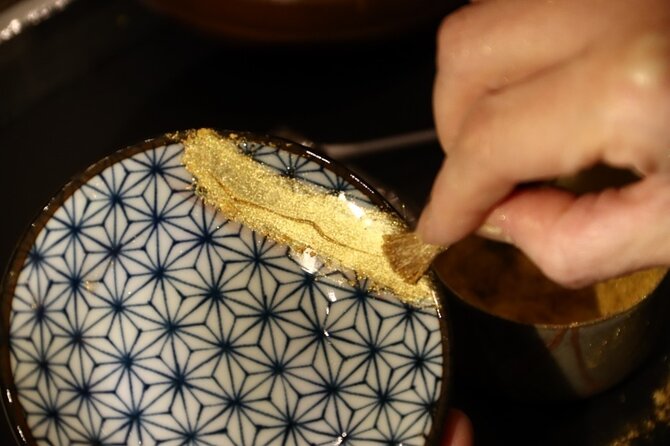
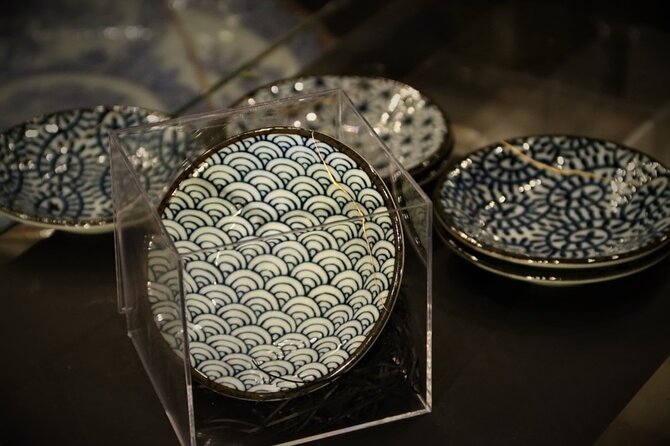
Kintsugi is the Japanese art of repairing broken ceramics with lacquer mixed with gold. The result is not “invisible mending.” It’s visible on purpose. The repaired line becomes part of the object’s story, which is a big shift from how most of us think about damage.
In this class, the goal is simple: you learn the steps well enough to create a clean, satisfying first attempt. You’ll do it on a plate the studio provides, using all the materials and tools supplied for the workshop. That setup matters because it keeps the class moving and prevents the usual beginner chaos of hunting for the right equipment.
The “why” is just as important as the “how.” You’ll hear about the belief that breakage and repair are part of an object’s history, rather than something that should send it to the back of a cabinet. You’ll also pick up ideas tied to Japanese aesthetics—especially the kind of beauty that accepts flaws instead of hiding them.
You can also read our reviews of more tours and experiences in Tokyo.



Finding the TNCA Minami-Aoyama studio near Omotesando

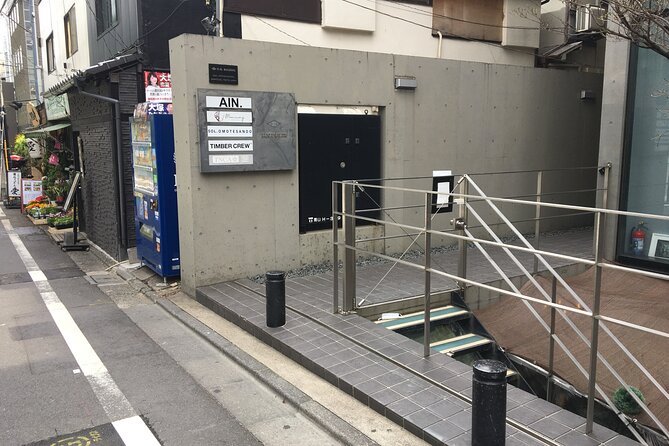
Your lesson starts at TNCA Minami-Aoyama Studio in Minato City, in the Minami-Aoyama neighborhood. The studio is listed as near public transportation, and the Omotesando area is the easiest way to think about where you are.
Practical tip: plan to use the metro to get there and give yourself extra time to spot the exact building. The studio is not some giant landmark you can’t miss, so a few minutes of buffer saves stress. If you’re comparing it to typical “tourist workshop streets,” this one feels more like a small local atelier tucked into the city.
You’ll meet at the studio and the class ends back at the same place. No hotel pickup, no drop-off, and no food plans built in—so treat it like a focused morning/afternoon slot.
The workshop flow: samue on, gold-lacquer off
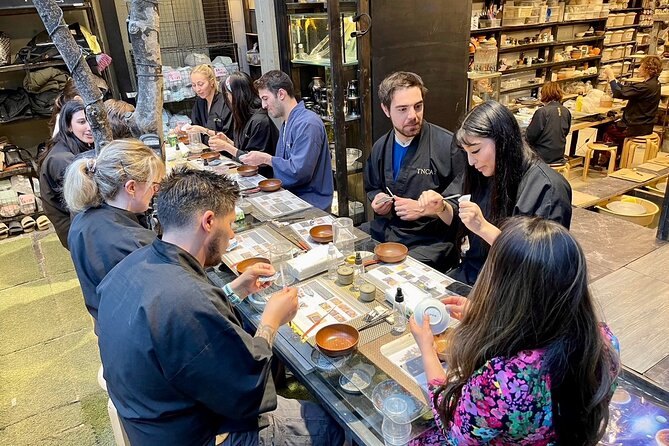
The class begins with a teacher and a small group setting. Then you’ll put on a samue, a traditional work garment that crafters wear. It’s a quick costume moment, but it also signals the vibe: this is a craft session, not a performance.
Next comes the core of it. Your instructor guides you through Kintsugi techniques over about one hour using the plate provided by the studio. You’ll be working with lacquer mixed with gold, which is the signature look of Kintsugi repairs.
One nice detail is that the instruction is designed to be copyable and beginner-friendly. Based on what people report about the teaching style, you’ll get clear direction, and the process is explained in a way that doesn’t require prior art experience. Some classes also use video examples to make the steps easier to follow, which is helpful when your hands are moving faster than your brain.
What makes the class feel personal (small group, capped size)
This is not a mass workshop. The class format is capped with no more than 10 guests, which is exactly the kind of group size where you can get corrections before you lock in a mistake.
And the overall experience listing also sets an upper cap on total participants for the activity. That matters because it reduces the chance of feeling like a number. When your instructor can actually look at your work—rather than just hovering over the room—the difference shows up in how confidently you can finish.
Language is another practical point. The instructor is reported to speak very good English, so you’re not stuck in a guessing game of gestures and hoping your timing is right.
The philosophy you’ll carry home with the plate
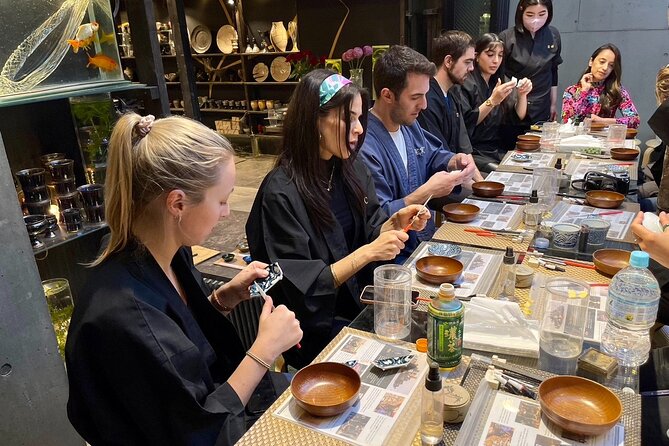
At the end of the class, you don’t just have a repaired souvenir. You have a new frame for thinking about everyday objects.
The key idea you’ll learn is that damaged goods aren’t automatically disposable. In Japanese tradition, the break is part of the object’s past and the repair is part of its future. The gold lines aren’t a cover-up—they’re a celebration of the moment the object changed.
That idea hits especially well if you’re the type of traveler who likes taking home something with meaning, not just something with magnets. A plate repaired with intention turns into a conversation starter. It also gives you a new way to look at the “clumsy” bits of life back home: the cracks are not always the end of the story.






Meeting Master Taku: timing matters
The experience notes that you may have the chance to meet Master Taku in the 11:00am class. That’s a big deal if you’re a craft-focused visitor and want to connect with a higher level of artistry.
If meeting the master is your priority, build your schedule around that time slot. If it’s not, don’t stress—your hands-on instruction is still the main event, and most of the class value comes from what you make and learn.
What you take home (and why the rules are there)
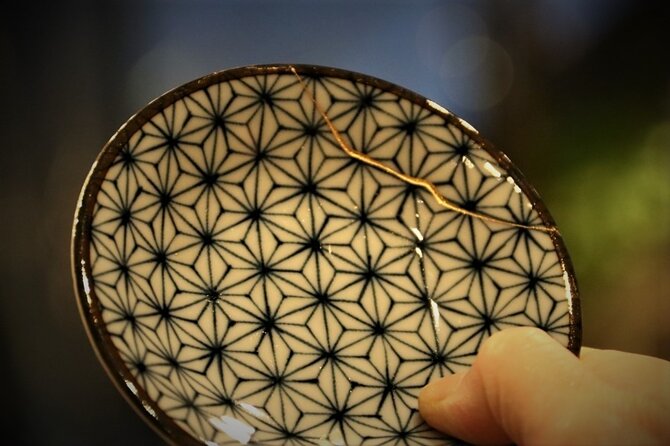
You’ll receive a plate you use during the workshop and you’ll be able to bring it home afterward. That’s included in the price, along with all necessary equipment and the taxes and fees.
Personal items are not allowed. That rule likely exists for a reason: the studio is controlling the material, the break type, the thickness, and the repair process so the class stays manageable within the hour. For you, that means fewer uncertainties and less risk that your item won’t work for the technique being taught.
When it’s time to travel with your finished plate, people mention the workshop is thoughtful about packing and safe transport. Still, bring common sense: use a bag or padded carrier, and avoid tossing it loose into a tote. Follow whatever packing guidance the studio provides, because that’s where the real protection comes from.
Price and value: is $59.69 fair for this kind of class?
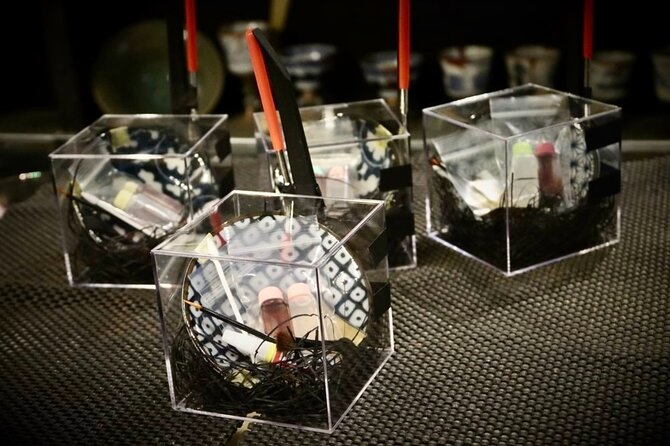
At $59.69 per person, this sits in the “workshop is worth it” category, not the “take a selfie and leave” category. You’re paying for a hands-on craft lesson in a small group, plus the materials and equipment to complete a repair, plus the finished item to take home.
What makes it good value is that you’re not just watching. You’re doing the steps. And since the studio provides the plate, you aren’t paying extra for materials or worrying about whether you brought the wrong type of ceramic.
Also, the included taxes and all supplies reduce the usual hidden add-ons that surprise people later. If you want a Tokyo activity that gives you both a memory and a physical craft object, this is one of the more direct ways to do it.
Who this is perfect for—and who should skip it
This class is ideal if you:
- want a hands-on craft with cultural meaning
- like small-group activities where an instructor can correct your work
- want a take-home souvenir that’s made with intention, not mass production
- enjoy mindful, focused tasks that give your brain a break from sightseeing
It may be less ideal if you:
- want to repair your own personal pottery (the studio provides plates only)
- are traveling with kids under 6 who need to attend the atelier
- prefer long multi-hour art sessions rather than a tight, one-hour lesson
Practical tips to make your Kintsugi day go smoothly
- Wear clothes you don’t mind getting a little workshop-adjacent. You’ll be in a samue, but you might still want something comfortable and practical.
- Arrive with time to spare. Studios like this can be easier to find with a few extra minutes than with a tight countdown.
- Take note of how the studio plans to pack your finished plate. Good packing is the difference between a souvenir and a broken apology.
- If you’re booking the time Master Taku might appear, treat the schedule as part of the experience. That’s when you should be most punctual.
Quick reality check: what you should expect at the end
You’re not walking out with museum-grade restoration done by a master artisan on a priceless heirloom. You’re making your own first Kintsugi repair with gold-lacquer technique guidance.
That’s not a downside. It’s the point. The class is designed to help you understand the steps, grasp the philosophy, and finish with something you’ll actually display back home. Done well, that blend of meaning and skill is the reason Kintsugi keeps pulling people back.
Should you book this Kintsugi experience?
I’d book it if you want a short, meaningful Tokyo craft session with a real souvenir at the end. For the money, you get the full package: a guided lesson, provided materials, and a take-home repaired plate made with the gold-lacquer approach.
I would skip it if your main goal is to repair your own broken ceramics, or if you need an activity that accommodates children under 6 inside the atelier. Also, if your schedule only gives you complicated timing, remember the experience is strict about how bookings work.
If you’re somewhere in the middle—curious about Japanese craft, short on time, and open to learning a different way to see flaws—this one fits.
FAQ
How long is the Kintsugi class?
The lesson is about 1 hour (approx.).
How much does it cost?
It’s listed at $59.69 per person.
Where does the class take place?
You’ll meet at TNCA Minami-Aoyama Studio, 3-chōme-8-2 Minamiaoyama, Minato City, Tokyo 107-0062, Japan.
What do I repair in the class?
You use a ceramic plate provided by the studio. Personal items are not allowed.
Can I take my work home?
Yes. You’ll bring home the plate you repaired.
Is there an age limit?
Yes. Under 6 years of age cannot enter the atelier for safety reasons of the establishment.
How big is the group?
The class is described as a small group of no more than 10 guests.
Is food included?
No. Food and drinks are not included.
Do I need to print a ticket?
A mobile ticket is mentioned, so you likely won’t need to print anything.
What is the cancellation policy?
This experience is non-refundable and cannot be changed for any reason. If it’s canceled due to not meeting a minimum number of travelers, you’ll be offered a different date/experience or a full refund.