REVIEW · TOKYO
Tokyo: Imperial Palace and Shogun Walking Tour
Book on GetYourGuide →Operated by Traveling Tokyo · Bookable on GetYourGuide
Fortress stone, calm water, and stories all in one walk. This tour is interesting because you’re not just looking at pretty gates—you’re learning how the Tokugawa shogunate shaped daily life and power in Tokyo. I especially love the way it turns the Imperial Palace grounds into a readable map, from moats and walls to the places where authority was staged. I also like the Ninomaru Garden, where seasonal plants and koi ponds make the politics feel human and quiet. One possible drawback: parts of the walk are outdoors, so dress for Tokyo weather and be ready to move at a steady pace.
In This Review
- What makes the guide matter
- Key points to notice
- Start at Kokyo Gaien Starbucks: how the tour gets you ready
- Ote-Mon Gate: your first lesson in power and protection
- Guardhouse stop: Hyakunin Bansho and what the site is really for
- Fujimi-yagura: learning to read castle walls in Tokyo
- East Gardens of the Imperial Palace: the ruins that make the story believable
- Ninomaru Garden: koi ponds, seasonal beauty, and a calmer kind of power
- Why the tour is only two hours (and why that can be a plus)
- Price and value: $16 for meaning, not just sightseeing
- What to bring and how to time your day
- Who this tour suits best
- Should you book this Tokyo Imperial Palace and Shogun walking tour?
- FAQ
- Where do I meet for the tour?
- How long is the walking tour?
- What is the price per person?
- Is the guide English-speaking?
- What will I see during the tour?
- Is the tour wheelchair accessible?
- Can I cancel for a refund?
What makes the guide matter
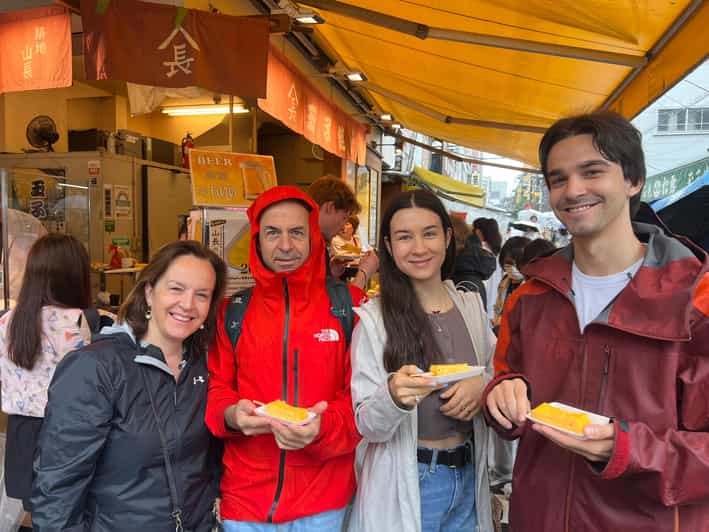
A good guide changes this site from sightseeing into understanding. I like how the English-speaking leaders (I’ve seen standout feedback for guides such as Tony, Izzy, Blake, Miguel, and Jim Allen) answer questions clearly and connect past events to the modern city around the palace. The only consideration I’d flag is that the tour is short—two hours—so if you want a slow, wander-at-your-own-tempo pace, you may feel slightly “kept moving.”
Key points to notice

- Start at Kokyo Gaien Starbucks so you get oriented fast before stepping into palace grounds
- Ote-Mon Gate sets the tone with Edo Castle-style entrances and security thinking
- Ninomaru Garden koi ponds add a peaceful reset inside political space
- Hyakunin Bansho Guardhouse and Fujimi-yagura help you decode why the walls were so massive
- Stone foundations and tower base remains show how power was built, not just declared
- Two hours is enough for meaning, but plan extra time if you want more garden time
You can also read our reviews of more walking tours in Tokyo


Start at Kokyo Gaien Starbucks: how the tour gets you ready
Your tour begins at Starbucks Coffee in Kokyo Gaien, by the Wadakura Fountain Park (meeting point is in front of the café). I like this setup because it’s easy to find, and you get a practical “pre-into-the-site” moment before you start reading the palace grounds.
From there, you head toward the Imperial Palace area with your guide. Early on, you’ll hear the big picture: this space wasn’t always “imperial gardens.” It was part of Edo Castle, the seat of power for the Tokugawa shogunate. That context matters, because once you know what you’re looking for, small details—wall lines, gate design, and water channels—suddenly explain themselves.
Ote-Mon Gate: your first lesson in power and protection

The first stop is the Ote-Mon Gate. Even if you’ve seen palace gates in photos, standing near one with a guide’s explanation changes how you interpret it. Here, the focus is on how entrances were controlled and why visibility and movement through the grounds mattered.
Your guide’s job is to help you connect the gate to the larger defensive layout around Edo Castle. If you like “why is this built this way?” questions, this is where the tour starts paying off. In short order, you’ll be thinking in terms of security and authority—not just architecture.
Guardhouse stop: Hyakunin Bansho and what the site is really for
Next comes the Hyakunin Bansho Guardhouse. This is one of those stops where the palace grounds feel less like a ceremonial backdrop and more like a working system. You’re shown and talked through how security and administration fit into the space.
I also like this stop because it gives your brain something concrete to hold on to while the tour continues. After this, when you see other stone structures and garden sections, you’ll understand what they likely served in the castle era. It’s easier to remember details when you know the job they did.
Fujimi-yagura: learning to read castle walls in Tokyo
The tour then moves to Fujimi-yagura, another chance to look closely at the fortified side of the Imperial Palace area. Yagura are watch and defense structures, so the “why” is built into the design.
This part is where the tour’s stone-wall focus really clicks. The highlights emphasize decoding massive stone walls, and that’s exactly what you’re doing here—your guide points out how these structures would have controlled movement and protected key areas. If you’ve ever wondered why Japanese castle walls look both functional and intimidating, this stop puts it into plain terms.





East Gardens of the Imperial Palace: the ruins that make the story believable

The centerpiece of the walk is the Imperial Palace East Gardens. This is the part that most people feel immediately: it’s quieter than the streets outside, and the gardens soften the scale of the stone.
What I like is that you don’t just get “pretty garden time.” You also walk among historical remnants—stone foundations, and the remains of a castle tower base—so you can picture how the estate worked when it was actively used as Edo Castle. The tour helps you imagine what used to stand here, then relate that to what you see now.
This is also where the guide’s storytelling pace matters. I’ve heard consistently strong feedback about guides like Tony and Miguel for connecting the Tokugawa era to what Tokyo looks like today. Even if you’re not a deep Japan-history nerd, you’ll come away with a clearer sense of how feudal power systems transformed into modern Japan’s imperial setting.
Ninomaru Garden: koi ponds, seasonal beauty, and a calmer kind of power
Then you reach Ninomaru Garden, which is one of the tour highlights. The setting is different from the fortress-feeling stone areas. Here, the garden design and the water take over the mood.
The most memorable detail is the koi swimming in tranquil ponds within the palace grounds. If you’re the type of traveler who needs a mental break from Tokyo’s pace, this section is your reset button. Instead of rushing through impressive sights, you get a quieter moment where the place feels reflective.
Your guide will also help you notice how the garden’s seasonal beauty connects to Japanese design thinking: careful composition, natural-looking views, and a sense of order you can’t see from just one angle. In other words, this isn’t only about seeing koi—it’s about learning how the space was shaped to be experienced.
Why the tour is only two hours (and why that can be a plus)
This experience lasts about two hours, from the Starbucks meeting point back to the same spot. I like a time-limited tour in Tokyo because it’s easy to fit around other plans: you’re not sacrificing an entire day, and you’re not stuck feeling tired halfway through.
Two hours is also long enough for the main targets: Ote-Mon Gate, Hyakunin Bansho Guardhouse, Fujimi-yagura, the East Gardens, and Ninomaru Garden. The trade-off is that you’ll get a guided path, not a self-directed meander. If you want to sit longer by specific ponds or take extra photo loops, plan a bit of your own time before or after.
Price and value: $16 for meaning, not just sightseeing
At $16 per person, the value here is strong—especially because you’re paying for interpretation. Palace grounds can be confusing without context: gates, stones, and garden sections blur into each other fast if you’re just walking.
What makes the price feel fair is the mix of elements: gates plus defensive structures, plus the garden calm of Ninomaru. That combination is hard to replicate on your own in a satisfying way unless you’ve studied the story already. With a guide, you’re getting the “why it matters” layer, and plenty of people seem to notice that. Multiple guides (including Tony, Izzy, Blake, and Jim Allen in the standout feedback I’ve seen) are praised for taking questions and making the grounds easier to understand.
What to bring and how to time your day
Because this is primarily a walking tour outdoors, you’ll want practical basics: comfortable shoes and weather-appropriate layers. Tokyo weather can change quickly, and even when the gardens are calm, you’ll still be moving between stops.
Also, consider when you schedule it. If you book it early in your Tokyo visit, you’ll get a faster sense of the palace area’s role in the city. If you book it later, you can test your new understanding against what you’ve already seen.
Who this tour suits best
This is a great match for a few travel styles:
- First-time visitors who want clear context without a long museum day
- History-minded travelers who prefer outdoor “proof” like stone foundations and walls
- Garden lovers who also enjoy quiet, reflective moments (Ninomaru Garden is the payoff)
- Travelers who want an easy, structured plan that still feels thoughtful
If you’re the kind of traveler who hates group pacing, keep in mind the tour is guided and timeboxed. But if you like a clear route and a guide to point out what you’d otherwise miss, you’re in the right place.
Should you book this Tokyo Imperial Palace and Shogun walking tour?
I’d book it if you want the quickest path to understanding what this site was built to do—control power, protect territory, and stage authority—while ending in a calm garden with koi ponds. At $16 for two hours with an English guide, it’s priced like a useful “orientation” tour, not a luxury add-on.
Skip it only if you want total freedom to linger and wander without structure. Otherwise, this is a smart, value-heavy way to turn a famous Tokyo location into something you can actually explain afterward.
FAQ
Where do I meet for the tour?
You meet in front of Starbucks Coffee at Kokyo Gaien Wadakura Fountain Park. The coordinates are 35.6830391, 139.7614181.
How long is the walking tour?
The tour lasts about 2 hours.
What is the price per person?
The price is $16 per person.
Is the guide English-speaking?
Yes. The tour includes a live English speaking guide.
What will I see during the tour?
You’ll visit the East Gardens of the Imperial Palace, including Ninomaru Garden, plus stops such as Ote-Mon Gate, Hyakunin Bansho Guardhouse, and Fujimi-yagura.
Is the tour wheelchair accessible?
Yes, it is listed as wheelchair accessible.
Can I cancel for a refund?
Yes. Free cancellation is available up to 24 hours in advance for a full refund.