REVIEW · TOKYO
From Tokyo: Mount Fuji Full Day Private Tour English Guide
Book on GetYourGuide →Operated by Adventure Seekers · Bookable on GetYourGuide
Fuji looks best with time on your side. This private day is built for photo stops that actually land and a flexible route powered by an English-speaking guide. I like the door-to-door pickup from Tokyo and the calm pacing that lets you linger—yet one thing to plan around is the Mt. Fuji 5th Station access, which can be closed in bad weather or in winter.
You’ll move through iconic spots—Chureito Pagoda, Oshino Hakkai, Lake Kawaguchi, Oishi Park, and Kita-Guchi Shrine—without the stress of buses, transfers, and waiting. The day runs about 9–10 hours, and it’s a private group tour (so it’s just you and your party), but it’s not designed for wheelchair users or people over 95.
Where this tour really wins is the human factor: guides like Adnan, Ahmed, Sunny, Rizwan, Malik, and Badshah are repeatedly praised for timing, helpful English, and adjusting when weather shifts. You might still get crowds at the famous viewpoints, but with a good driver, you can often beat the rush or at least avoid getting trapped in it.
In This Review
- Key highlights worth caring about
- Why a private Fuji day from Tokyo makes sense
- Door-to-door pickup: the underrated part of a 9–10 hour day
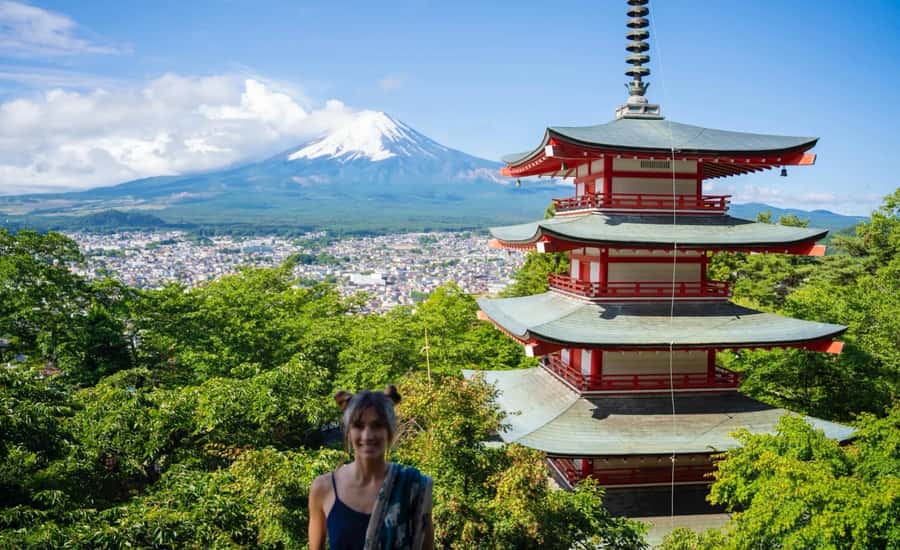
- Chureito Pagoda: your first big Fuji photo moment
- Mt. Fuji 5th Station: the payoff, and the weather risk
- Oshino Hakkai: eight ponds and a slower rhythm
- Lake Kawaguchi and Oishi Park: where the view changes by the hour
- Kita-Guchi Shrine: a calmer cultural close
- Price and logistics: what you’re really paying for
- What’s likely to go right (and how to make it go even better)
- Quick itinerary rhythm: how the day typically feels
- Should you book this Mount Fuji private tour?
- FAQ
- How long is the tour?
- Is this tour private?
- Where does pickup happen?
- What’s included in the price?
- Are there extra fees for Mount Fuji?
- Does the tour include food?
- What if Mt. Fuji 5th Station is closed?
- Can we customize the itinerary?
- Are there restrictions on drones, smoking, or bikes?
- Is this tour suitable for wheelchair users or elderly travelers?
Key highlights worth caring about
- Private Tokyo pickup and drop-off in an air-conditioned car that keeps the day comfortable
- Chureito Pagoda views timed for great angles and steady photo time
- Mt. Fuji 5th Station option at about 2,300 meters, with real weather caveats
- Oshino Hakkai ponds for a quieter, stroll-friendly break from the big sights
- Lake Kawaguchi + Oishi Park viewpoints for long-range Fuji moments
- Guides who adjust on the fly, including smart timing tips
Why a private Fuji day from Tokyo makes sense
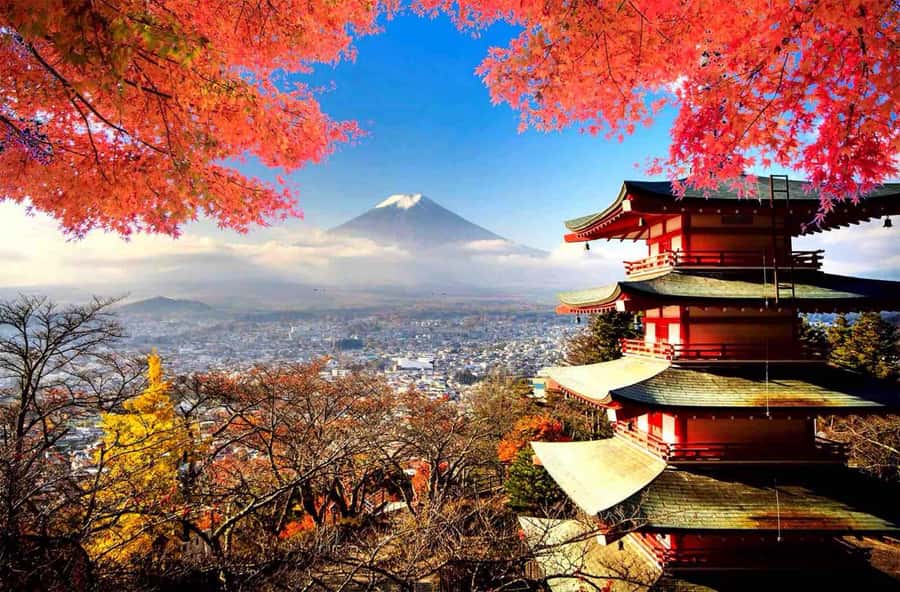
A Mount Fuji day trip can feel chaotic fast: trains, buses, crowds, and schedules that don’t care if the clouds roll in. This is different. You get a private car for your group with hotel pickup in Tokyo’s 23 wards, plus an English-speaking driver/guide, so you’re not forced into a rigid parade.
I like this style of planning because Fuji is weather-dependent. When the day is good, you want time at the viewpoint. When it isn’t, you need flexibility. A private setup gives you that breathing room: you can shift stops, add time where the views open up, or simply reduce the stress of rushing between far-flung points.
The trade-off is price. At $370 per group (up to 5), this isn’t a budget day. But you’re paying for logistics solved for you: fuel and tolls, parking, bottled water, and a dedicated driver for roughly 9–10 hours. If you’re traveling as a family, a couple, or a small group with shared priorities, it can actually work out better than you’d think once you price out guide help plus transport headaches.
You can also read our reviews of more guided tours in Tokyo
Door-to-door pickup: the underrated part of a 9–10 hour day
Getting out of Tokyo is usually the slow part. Here, pickup is from your Tokyo hotel, and the tour runs about 9–10 hours total. That timing matters because Fuji viewpoints often reward an earlier start—clearer air, fewer people, and better odds of catching Fuji before the day thickens.
You’re also traveling in an air-conditioned private vehicle, which helps when the road trip takes time (it will), or when the weather changes quickly. One small practical bonus: bottled water is included, and Wi-Fi may be available if you need it.
This is also where the guide quality shows. People have highlighted drivers like Adnan and Ahmed for being punctual, friendly, and calm, and for making safety feel straightforward. That matters when you’re navigating rural roads around Fuji with limited language support.
Chureito Pagoda: your first big Fuji photo moment
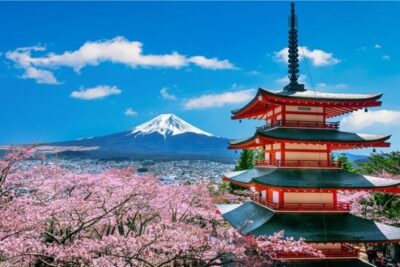
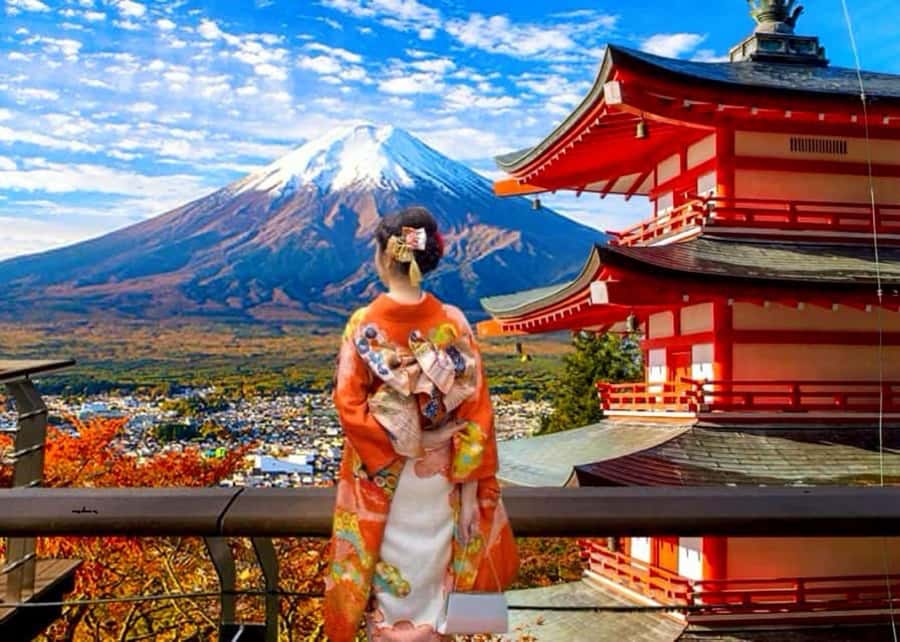
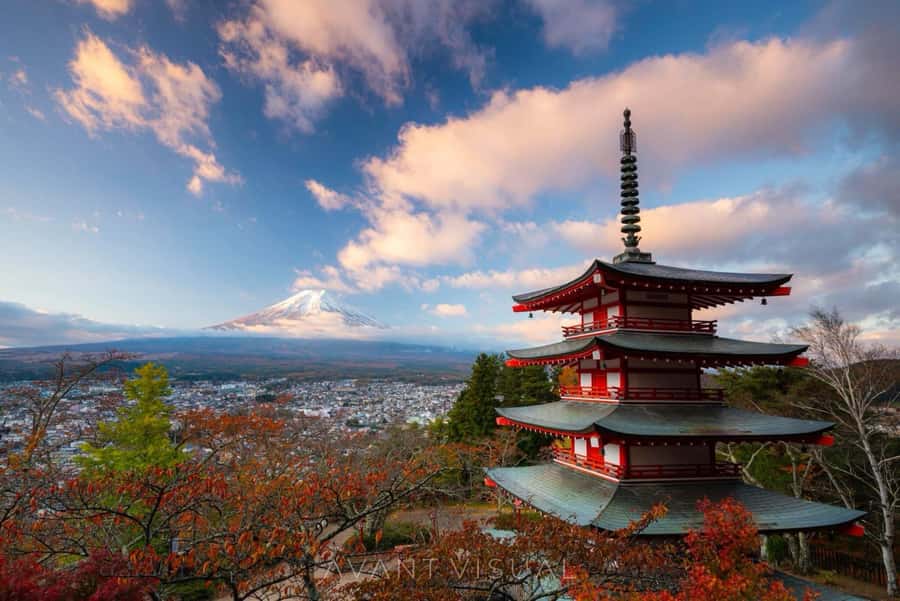
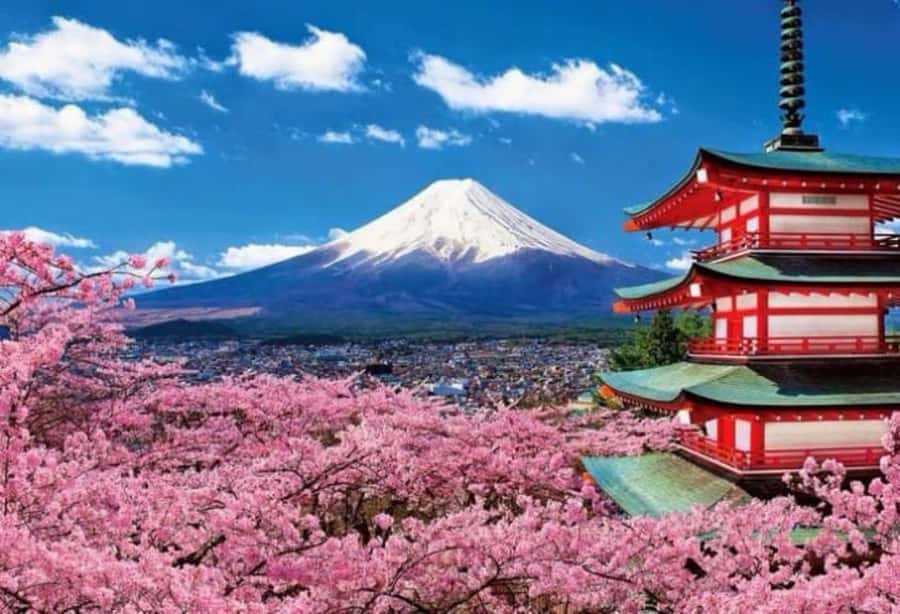
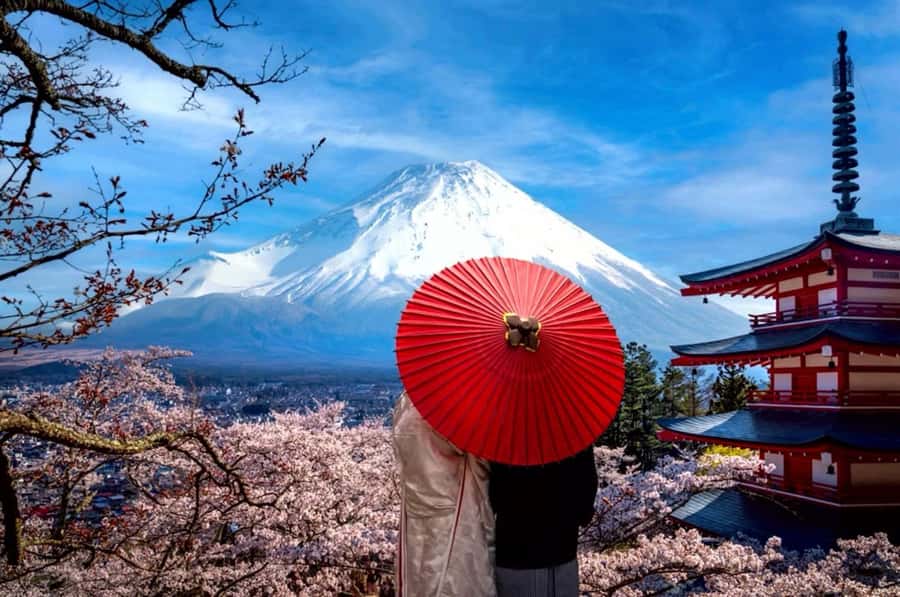
Chureito Pagoda is one of those places where the background does half the work for you. You’ll head there first for postcard-style photos: Mt. Fuji framed by the iconic five-storied pagoda.
I love starting here because it sets the tone. If Fuji appears clearly, you get your iconic image early rather than chasing it all day. If clouds sit low, you’re still in position to wait a bit, adjust angles, or plan the rest of the day with more realistic expectations.
One consideration: this is a famous spot. Even with a private driver, you may deal with crowds on clear days. The practical fix is simple: your guide can help you manage the timing. In real use, guides have advised starting earlier to beat the rush, and that advice can change the whole experience—less waiting, more actual viewing time.
Mt. Fuji 5th Station: the payoff, and the weather risk
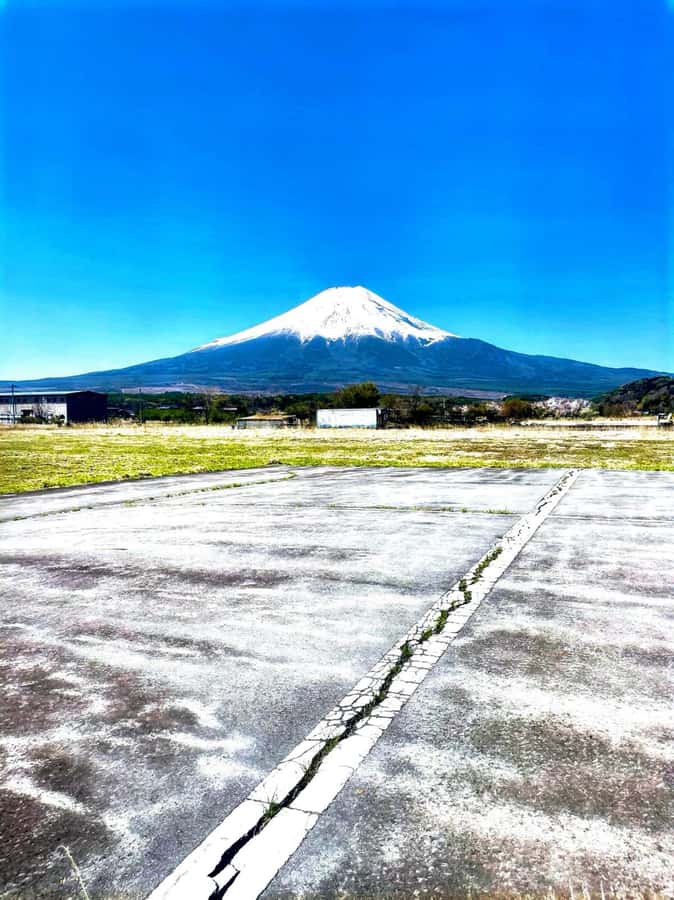
Next comes the big one: Mt. Fuji 5th Station, around 2,300 meters above sea level. This is where the day stops being just scenic and starts feeling “up there.” Weather permitting, you get panoramic views over the lakes and valleys below, plus the option to browse souvenir shops or visit a small shrine.
Here’s the drawback you should plan for: the 5th Station may be closed during winter or due to weather conditions. That doesn’t mean the day is a loss—it means your guide needs to adjust. This tour is designed for that kind of reality.
If the 5th Station is open, great. You’ll feel the altitude difference quickly, and you’ll likely want layers even on days that feel mild in Tokyo. If it’s closed, you can shift focus to the lakeside viewpoints and shrines where Fuji still shows up often, especially when the clouds lift.
Oshino Hakkai: eight ponds and a slower rhythm
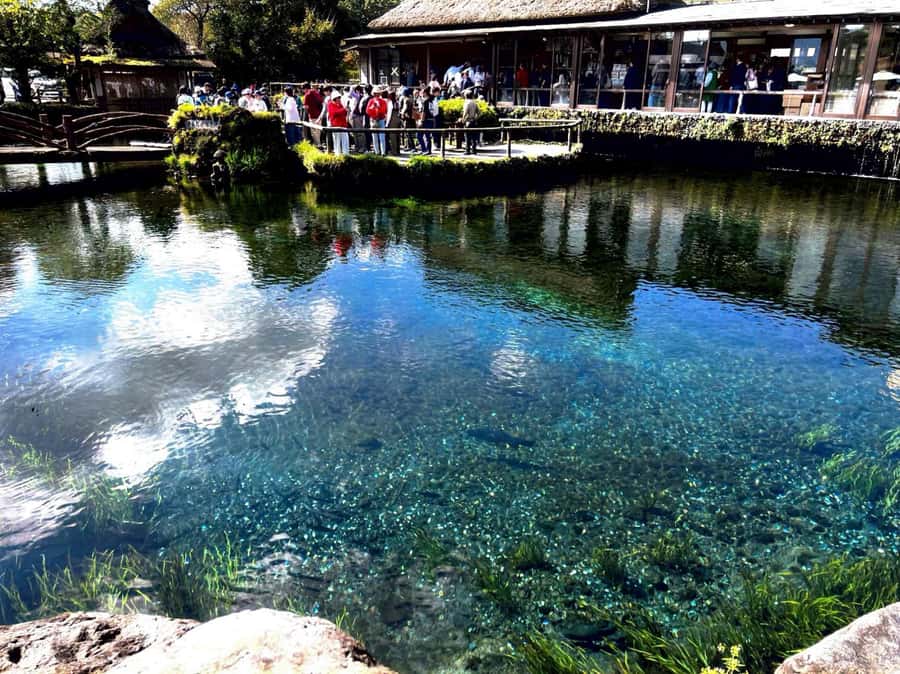
After the big “Fuji engine” moments, Oshino Hakkai is a welcome reset. This traditional village is known for eight spring-fed ponds, wooden bridges, and reflections that can make Mt. Fuji look like it’s hanging over the water.
I like Oshino Hakkai because it’s not just another viewpoint. You can actually slow down here: take a relaxed walk, do photos at your own pace, and try local snacks if you’re in the mood. It feels calmer than the most famous pagoda spots, so it’s a good place to reset your feet and your camera battery.
The trade-off is that this stop works best when you dress for wandering. Expect walking on uneven ground in spots and some time standing around for photos. The upside is you’re not sprinting between locations.
You can also read our reviews of more private tours in Tokyo
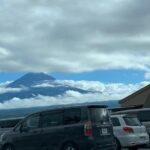

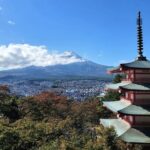
Lake Kawaguchi and Oishi Park: where the view changes by the hour
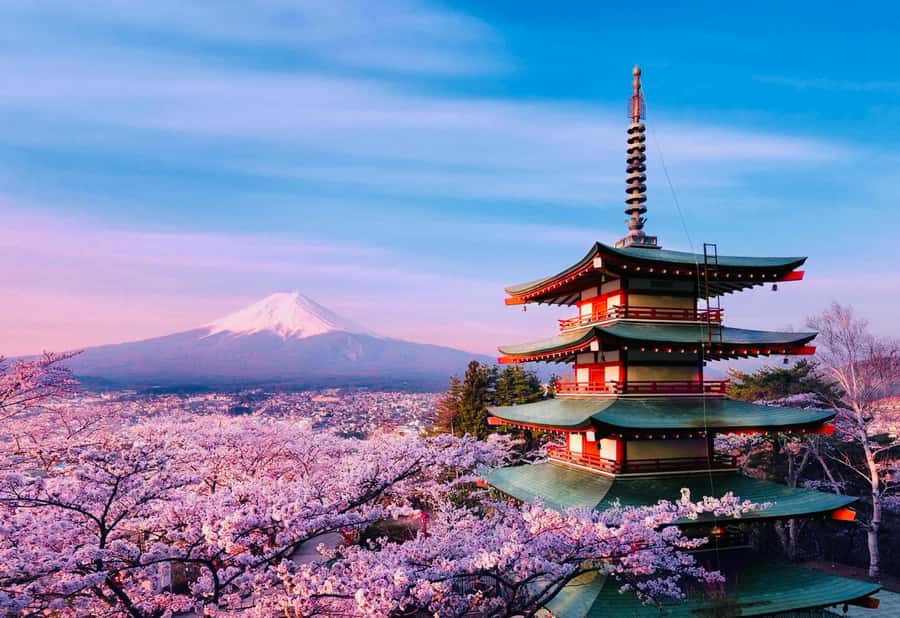
Lake Kawaguchi and Oishi Park are the heart of the Fuji lakes region experience. This is where you can catch wide views, plus the classic “Fuji with water” feeling.
What makes lakeside stops valuable is how weather behaves near Fuji. Even if Fuji was hidden earlier, it can sometimes reappear when clouds shift. That’s why having a private driver helps: you can spend more time where visibility looks better instead of sticking to a rigid timetable.
I also like these stops for variety. The day shifts from pagoda framing to shrine-and-treat strolls to broad horizon views. If you’re traveling with mixed interests—someone who loves photos, someone who loves gentle walking, someone who wants a cultural stop—this section of the tour usually lands well.
Kita-Guchi Shrine: a calmer cultural close
The day finishes with Kita-Guchi Shrine (often referred to as Kitaguchi-hongu Fuji Sengen Shrine). It’s a meaningful ending because you’re not just “looking at Fuji,” you’re connecting it to belief and tradition.
One practical reason to value this stop: it gives the day structure beyond viewpoints. If you’re lucky and Fuji shows clearly, great. If you’re not, you still get a worthwhile cultural moment to carry the day home.
Also, this part of the experience can feel more local than the most photographed pagoda. If your guide has flexibility, you may even find small nearby extras depending on timing. People have shared experiences where the guide worked in additional sights when it made sense, rather than forcing a fixed checklist.
Price and logistics: what you’re really paying for
At $370 per group up to 5, the price can sound steep if you compare it to joining a bus tour. But the value is in what’s included and how you use it.
Here’s what your money covers:
- Hotel pickup and drop-off in Tokyo (23 wards)
- A private air-conditioned car
- An English-speaking driver/guide
- Fuel, tolls, and parking
- Bottled water (and Wi-Fi if you need it)
What costs extra:
- Mt. Fuji entrance fee: 2,100¥ per group
- Entry fees for any optional activities
- Food and drinks
That Mt. Fuji fee is per group, not per person, which can help if you’re traveling with up to five. Still, plan for lunch on your own since food isn’t included.
So is it worth it? For couples, families, and small groups who want comfort and control, it often is. If you’re a solo traveler, you might feel the cost more sharply. If your top priority is cheap transport, a group bus option could beat this price. But if your priority is seeing Fuji with less stress—and having an actual plan when weather shifts—this private format is the smarter spend.
What’s likely to go right (and how to make it go even better)
The strongest theme in the experience is guide quality. People have highlighted that drivers like Adnan and Ahmed are polite, helpful, and good at adapting when conditions change. Sunny and Rizwan are mentioned for finding strong photo locations. Malik and Badshah are praised for friendly conversations and photo timing.
That kind of support makes a difference because Fuji days can be unpredictable. A good guide doesn’t just drive; they manage the whole day:
- Suggesting when to start to reduce waiting
- Keeping a calm pace so you don’t feel rushed
- Adjusting the route when weather changes
You can make the day smoother with a few practical choices:
- Bring cash for fees like the Mt. Fuji entrance charge
- Pack sunglasses and a camera (you’ll likely want both)
- Dress in layers, since mountain weather can shift fast
- If you’re sensitive to walking, plan for some time on foot, especially around villages and viewpoints
- No drones, no smoking in the vehicle, and no bikes—stick to that so the day stays easy for everyone
Quick itinerary rhythm: how the day typically feels
Expect this flow: Tokyo pickup → Chureito Pagoda for the iconic Fuji-with-pagoda shot → Mt. Fuji 5th Station if open → Oshino Hakkai for a slower pond walk → Lake Kawaguchi and Oishi Park for wider views → Kita-Guchi Shrine to close out the day.
The big pattern is “photo first, higher altitude next, calm village breaks, then lakeside panoramas.” That sequence helps because it builds from the most famous image to the most rewarding geography, with recovery time in the middle.
One more thing: this is a private tour, so you can customize the itinerary in advance or even on the day. That’s useful if you want more time for photos, a specific lunch style, or an extra stop if timing allows.
Should you book this Mount Fuji private tour?
Book it if you want a stress-free day with real flexibility. This is a strong choice for couples, families, and small groups who value a dedicated English-speaking guide, comfortable transport, and the ability to shift plans if weather changes. The price is also easier to justify when you’re splitting it among up to five people.
Skip or rethink it if you’re very budget-focused or you’d rather handle your own transport. Also keep in mind the 5th Station risk—closed in winter or bad weather is a real possibility, not a rare edge case.
If your Mount Fuji day matters—like it’s your only chance or you really care about getting great viewpoints—this private format is one of the cleaner ways to do it from Tokyo.
FAQ
How long is the tour?
It runs about 9–10 hours.
Is this tour private?
Yes. It’s a private tour, so only your group participates.
Where does pickup happen?
Pickup is available from hotels in Tokyo’s 23 wards, with hotel pickup and drop-off included.
What’s included in the price?
Included are hotel pickup and drop-off, a private car for your group, an English-speaking driver/guide, fuel, tolls, parking, bottled water, and Wi-Fi if needed.
Are there extra fees for Mount Fuji?
Yes. The Mt. Fuji entrance fee is 2,100¥ per group, and additional entry fees may apply for optional activities.
Does the tour include food?
No. Food and drinks are not included.
What if Mt. Fuji 5th Station is closed?
The 5th Station may be closed during winter or due to weather. Your guide can adjust the day accordingly, since the itinerary can be customized in advance or on the day.
Can we customize the itinerary?
Yes. You can customize it in advance or on the day, including adding stops or changing the schedule based on your preferences.
Are there restrictions on drones, smoking, or bikes?
Drones are not allowed. Smoking in the vehicle is not allowed. Bikes are not allowed.
Is this tour suitable for wheelchair users or elderly travelers?
No. It’s not suitable for wheelchair users or people over 95 years old.