REVIEW · TOKYO
Tokyo: Mt. Fuji, Kamakura, Big Buddha, & Lake Ashi Day Trip
Book on GetYourGuide →Operated by AMIGO TOURS JAPAN GK · Bookable on GetYourGuide
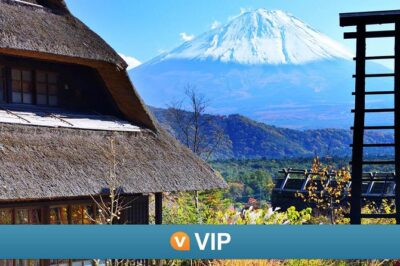
Fuji day trips can feel like a photo sprint, in a good way. I like how this route stacks the big hits—Mount Fuji viewpoints and Japan’s classic scenic stop (Lake Ashi / Oshino Hakkai)—into one 10–11 hour day. The one drawback: Mt Fuji depends on weather, so if you’re unlucky with clouds, you’ll still get great places, just not always the postcard mountain.
What makes it more fun is the human factor. Guides like Naomi, Jorge, Fran, and the driver team (names like Waku-San/Maku/Mac) keep the day moving, explain what you’re seeing, and add humor along the way. Still, it’s a long day on the road, and you’ll want comfy shoes and patience for tight schedules.
In This Review
- Key highlights that shape your day
- Tokyo to Fuji and Kamakura: One Day, Many Scenes
- Meeting Point and the Pace: 10–11 Hours That Fly By
- Kotoku-in Great Buddha in Kamakura: Why This Stop Feels Like a Reset
- Lake Ashi and the Pirate Ship Option: Fuji Views From the Water
- Oshino Hakkai Spring Ponds: Where the Guided Time Pays Off
- Oishi Park and Lake Kawaguchi: Another Shot at the Best Fuji Angle
- Mount Fuji Sightseeing: The Weather Reality Check (and How to Handle It)
- Transportation, Comfort, and What the Price Really Covers
- What to Pack for a Fuji Day: Small Stuff That Makes a Big Difference
- Who This Tour Fits Best (and Who Should Skip It)
- Should You Book This Tokyo to Fuji, Kamakura, Lake Ashi Trip?
- FAQ
- How long is the Mt. Fuji, Kamakura, Lake Ashi day trip?
- Where do I meet for the tour?
- What languages are the guides?
- Is the Lake Ashi boat cruise included?
- Is lunch included?
- Can I count on seeing Mount Fuji?
- What should I bring?
- Is this tour wheelchair accessible?
- What is the cancellation policy?
Key highlights that shape your day
- Bilingual guidance (English/Spanish) so you get context, not just directions
- Kamakura’s Great Buddha (Kotoku-in) with a dedicated photo stop and visit time
- Lake Ashi cruising option (Hakone-style boat ride) for moving views of Fuji
- Oshino Hakkai spring ponds with a guided tour and time to wander
- Oishi Park + Lake Kawaguchi for another chance at strong Fuji angles
- Premium option may include lunch in Oshino Hakkai, so you’re not hunting during the tightest moments
Tokyo to Fuji and Kamakura: One Day, Many Scenes
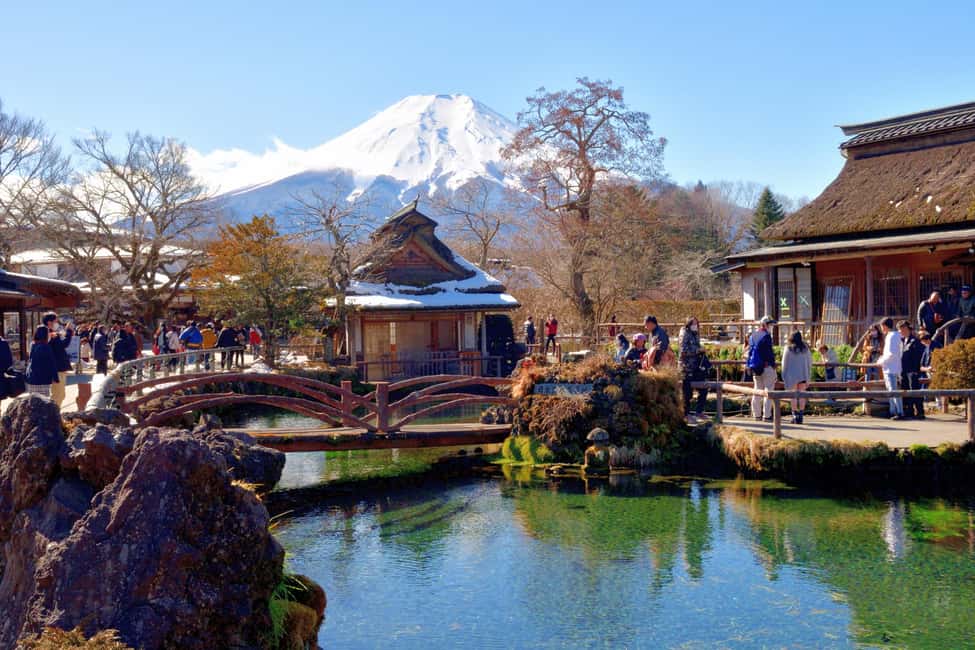
This is one of those days where your “Tokyo trip” turns into a full-on Honshu experience. You’ll start from the Tokyo side and spend the day bouncing between famous Fuji scenery and Kamakura’s old-school atmosphere—temple stop, lake views, spring ponds, and a final push toward mountain viewpoints.
The big idea is simple: don’t spend your limited vacation time guessing which bus transfer to make. Instead, you get a guided loop with transportation handled, plus photo stops that are timed for when the light and sightlines matter most. A bunch of guides also add practical tips while you’re traveling, like where to stand for photos and what to notice in each place.
You’ll also see why this route gets repeat praise. People mention that even when Fuji hides behind clouds, the stops still feel worth the effort. That’s the difference between a “maybe” day and a “you’ll enjoy it even if the sky misbehaves” day.
You can also read our reviews of more tours and experiences in Tokyo



Meeting Point and the Pace: 10–11 Hours That Fly By
Your day starts from a meeting point that can vary by option. One published starting location is Marunouchi / Ginza area (Ginza Inz 2). From there, you’re on a bus/coach—around 1.5 hours at the start—before the sightseeing starts stacking up.
Expect a packed rhythm:
- short photo stops where you grab your angles
- guided segments where you learn what you’re looking at
- small windows of free time so you can breathe, snack, and take photos without feeling rushed nonstop
A lot of the review love boils down to timing and safety. Drivers described as careful and calm (names like Otsuka-san, Nakashima-san, Sakamoto-san, Utsu-san) help the day feel controlled, even when traffic or holiday crowds stretch travel time. And guides like Naomi or Jorge tend to check in often, answer questions, and keep everyone on schedule.
One practical note: this is not “slow travel.” It’s efficient. If you want long sits, multiple meals, and zero stress, choose a slower multi-day plan instead.
Kotoku-in Great Buddha in Kamakura: Why This Stop Feels Like a Reset

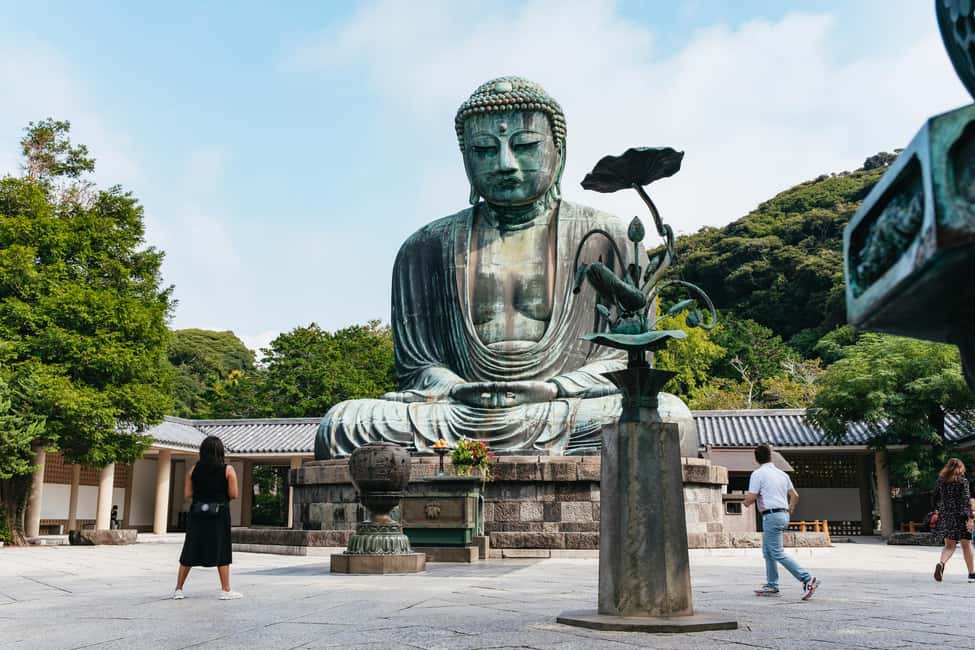
Kamakura’s Great Buddha at Kotoku-in is one of those sights that changes the mood instantly. You get both a photo stop and a visit (about 20 minutes in the schedule). The tour also mentions the statue as a major feature—13 meters—so you’ll feel the scale when you’re there.
What I like about including Kotoku-in in a Fuji day is the contrast. You’re going from the natural scenery “chasing Fuji” into something grounded in Japanese history and Buddhism. The time window is short, but it’s enough to:
- get your photos
- step in, look around, and appreciate the calm around the temple grounds
It’s also a relief stop for people who don’t want every moment to be standing at a viewpoint. Even if you’re focused on Mt Fuji photos, this temple moment gives you a different kind of memory from the day.
If you select the option that includes Kotoku-in, you’ll also get the ticket as part of the inclusions. (If you don’t, you may still see the area depending on route, but the Kotoku-in ticket is tied to the corresponding option.)
Lake Ashi and the Pirate Ship Option: Fuji Views From the Water
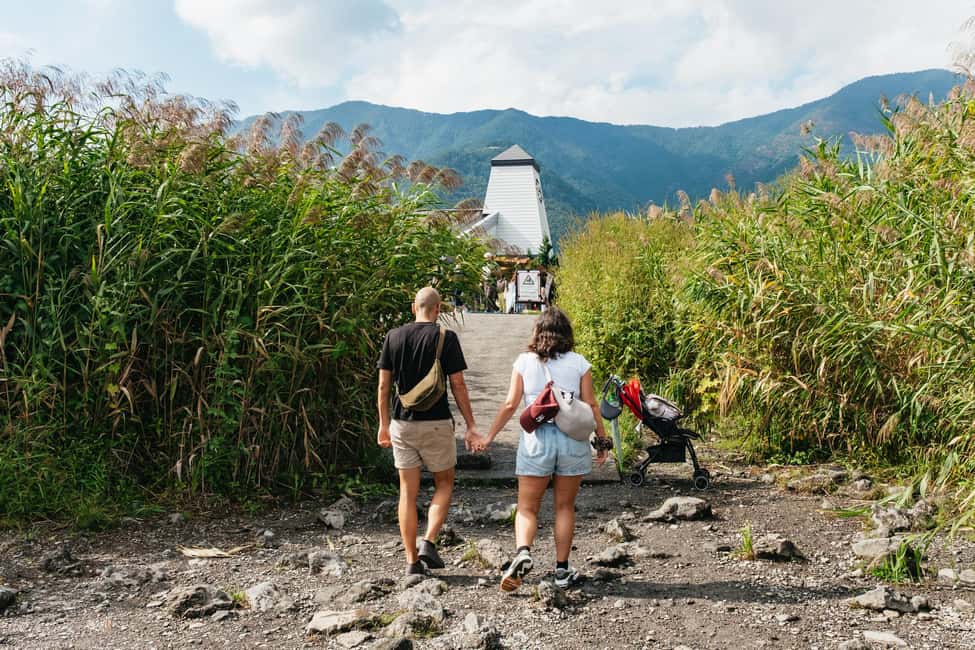
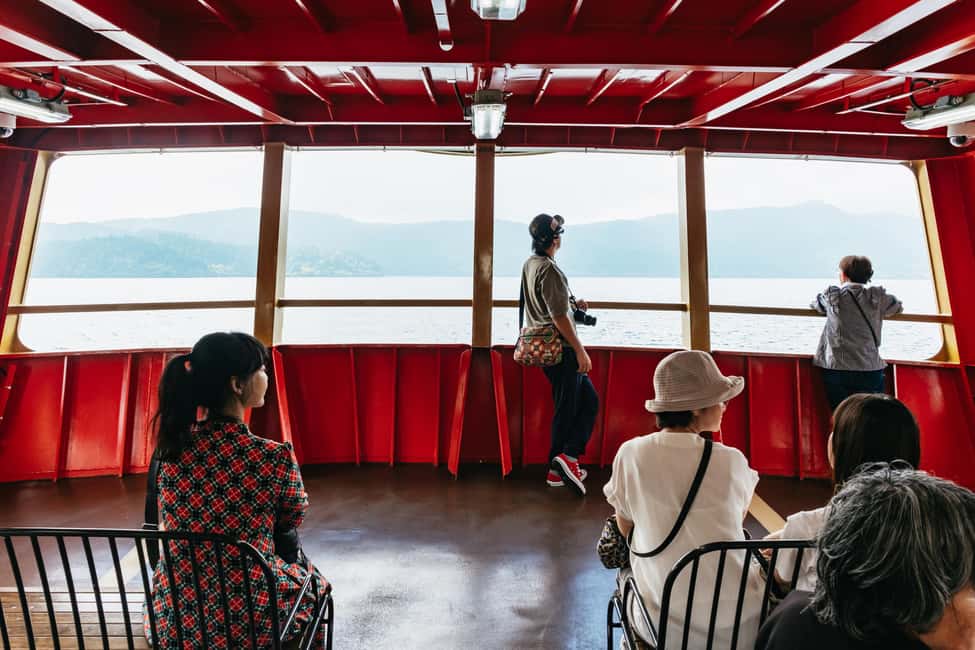
Lake Ashi is one of the best “Fuji backdrop” settings because it gives you reflections and angles you can’t get from a shoreline selfie. If you choose the option that includes a cruise, you’ll enjoy a Lake Ashi boat ride (listed at 10 minutes).
Some routes describe the boat as a Hakone-style experience—often associated with the Hakone Pirate Ship name. Either way, the value is the movement. You’re not just looking at Fuji from one spot; you’re slowly repositioning your viewpoint as the boat glides across the water.
In the real-world comfort category, the ride is short enough that it usually doesn’t drag. And it pairs well with the rest of the loop: you’ll also have time around the Motohakone area for sightseeing, which makes Lake Ashi feel like part of a wider scenic moment, not a random ticket add-on.
The only caution is the obvious one: if Fuji is obscured, water views can still be beautiful, but the signature mountain photo might not appear. The upside is that you’re still on a lake—so the setting stays scenic even when the sky changes.
Oshino Hakkai Spring Ponds: Where the Guided Time Pays Off
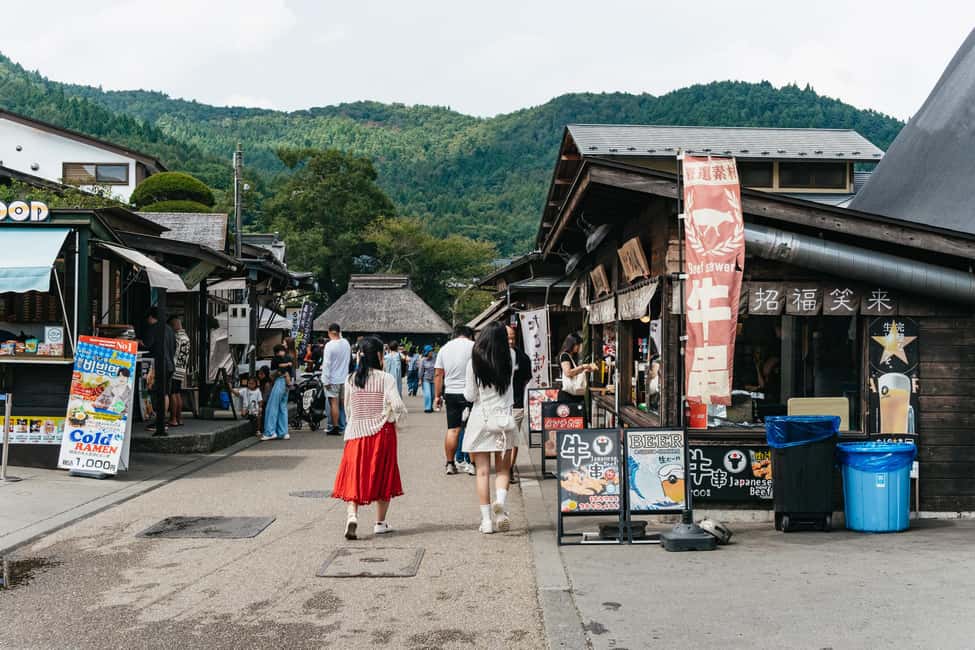
Oshino Hakkai is the “crystal-clear spring ponds” stop at the base of Mount Fuji. You get a guided tour plus free time (about 1.5 hours total at this stop). This is one of the most practical parts of the day because the guide can point out details that you’d miss wandering alone.
Here’s what you’re really looking at:
- small ponds fed by spring water connected to the Fuji region’s natural system
- a compact village feel where you can move between viewpoints on foot
This stop is also one of the easier places to manage your energy. People talk about the area as having food options nearby, and with the premium option you may also get lunch in Oshino Hakkai. That’s a big plus if you don’t want to think about finding a meal during a jam-packed schedule.
One weather-neutral benefit: even if Fuji is hiding, Oshino Hakkai still delivers. The water, the walkways, and the atmosphere are the point, not just the mountain photo.



Oishi Park and Lake Kawaguchi: Another Shot at the Best Fuji Angle
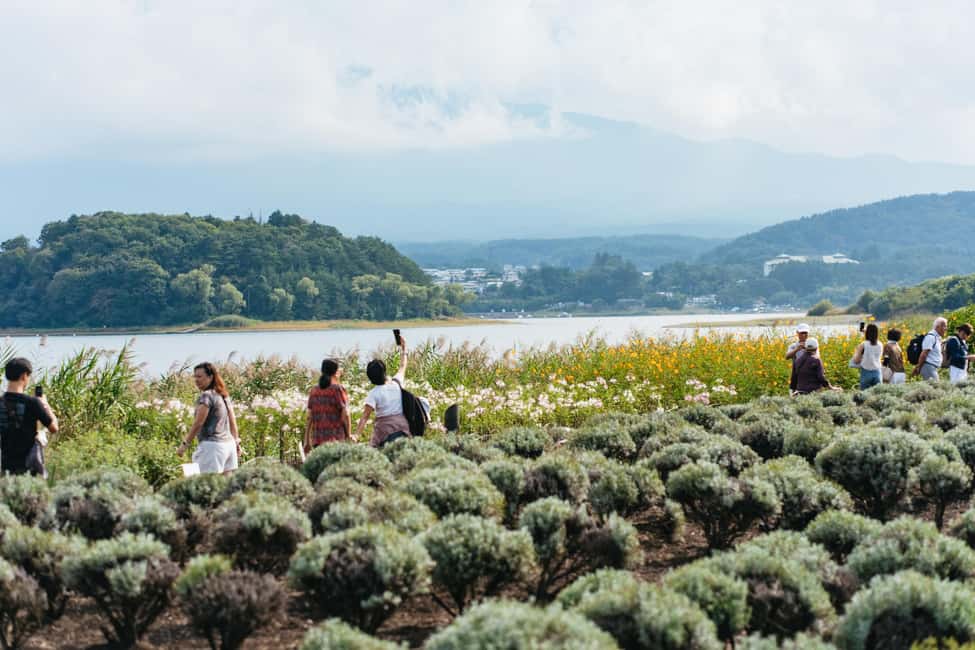
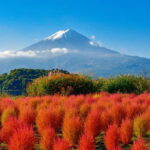
After Oshino Hakkai, the day shifts toward Oishi Park (a guided stop around 45 minutes) and then continues to Lake Kawaguchi for sightseeing. This is your second meaningful attempt to catch Mt Fuji in clearer conditions.
Why this matters: Fuji visibility can change fast. Many day trips live or die by one viewpoint. This one gives you multiple chances, which is why the experience feels more “forgiving” when conditions aren’t perfect.
Oishi Park is a common place to stand and look over the lake toward the mountain. It’s timed so you have time to take photos and actually enjoy the moment, not just rush through. Then Lake Kawaguchi adds more flexibility for sightseeing—enough time to walk a bit, find your angle, and decide how long you want to stay if the sky cooperates.
If Fuji does show up, you’ll understand why people mention seeing it from a distance or even for brief windows. You’re not only chasing a single perfect shot; you’re building a set of Fuji memories across the day.
Mount Fuji Sightseeing: The Weather Reality Check (and How to Handle It)
Mount Fuji visibility is the deal-breaker for a lot of tours, and this one is honest about it. The tour notes that weather affects whether you can see Fuji, and you should plan your expectations accordingly.
Here’s the practical approach I’d recommend:
- Treat Fuji as the bonus, not the guarantee.
- Focus on the full “Fuji-region experience” including lakes and ponds.
- Bring your camera, but also enjoy the places even if the mountain is partly hidden.
Even with clouds, the day can still land big. Several experiences in the reviews include wording like Fuji showing up after being hidden early in the day. That’s very plausible in real mountain weather. The schedule is built so you’re still in scenic zones as conditions shift.
One more tip: dress warm. Even in milder months, the lake air and mountain region can feel cooler than central Tokyo. Your warm layers will make the viewpoints more comfortable and your photos less frantic.
Transportation, Comfort, and What the Price Really Covers
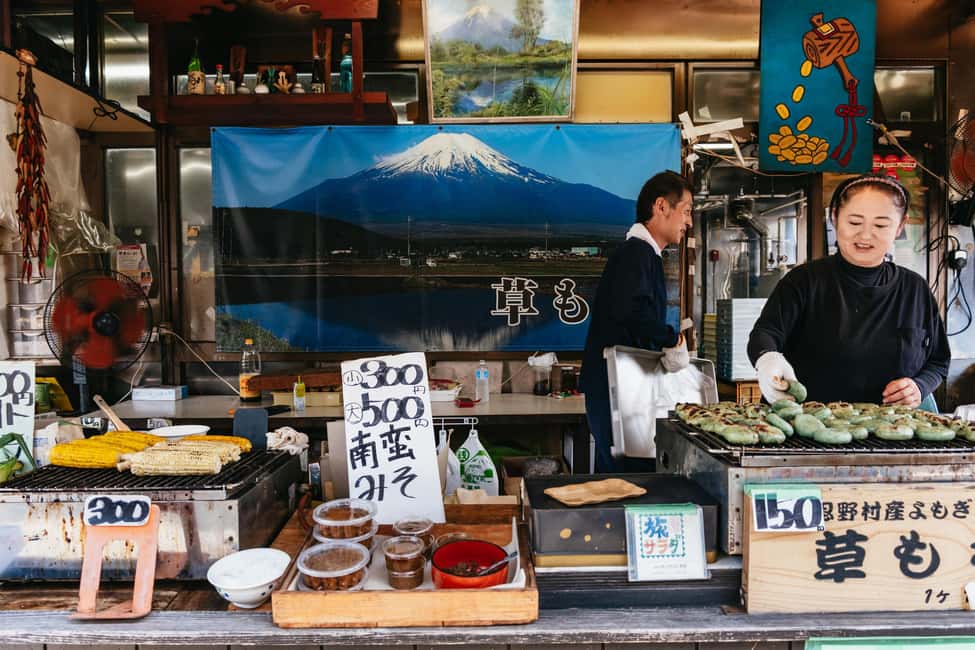
This tour runs for about $49 per person, and the value comes from what’s included. You’re paying for:
- a bilingual English/Spanish guide
- round-trip transportation from the meeting point
- the Lake Ashi cruise only if you choose that option
- Kotoku-in ticket only if you choose the Kotoku-in option
- lunch in Oshino Hakkai only if you pick the premium option
What’s not included is food and drinks, so you’ll need to plan for snacks or meals during your free time. If you have food priorities (diet limits, favorite cuisines, or just a strong need for a sit-down meal), the premium lunch option may be worth it.
Also keep expectations realistic about the group day format. Comfort can be good—people mention comfortable buses and safe driving—but you’ll still be on the move for most of the day. This is a “see a lot” plan, not a “travel like a local at your own pace” plan.
For logistics, bring cash. The tour notes that some areas or shops may not take card payments.
What to Pack for a Fuji Day: Small Stuff That Makes a Big Difference
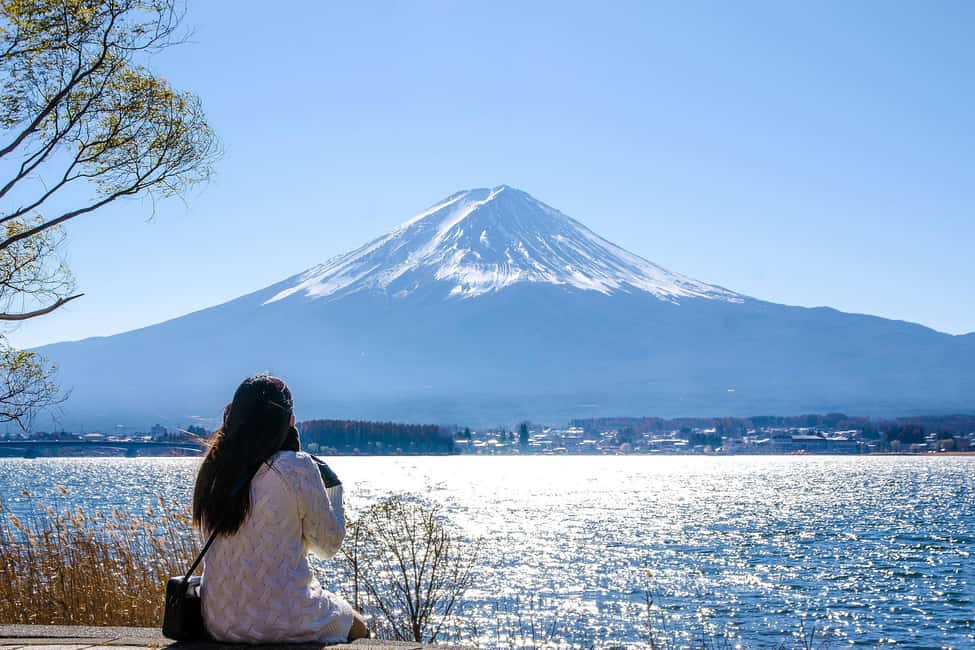
You’ll be outside for photos and viewpoints, so plan like you’re going to a long day outdoors, not an indoor museum tour. The recommended packing list is simple and useful:
- comfortable shoes
- warm clothing
- hat
- camera
- sunscreen
If you’re going in colder months, warm layers matter more than you think. When you’re standing still taking photos over lakes, wind can cut through quickly.
Also, pack for the rhythm of the day: you’ll have guided segments and then short free time. Having your essentials ready (water if you buy it, a small snack, a layer you can remove) helps you stay relaxed.
And don’t underestimate timing. Reviewers consistently praise guides for keeping things moving and answering questions fast. You’ll get more out of the day if you’re ready to act on photo tips and stop instructions.
Who This Tour Fits Best (and Who Should Skip It)
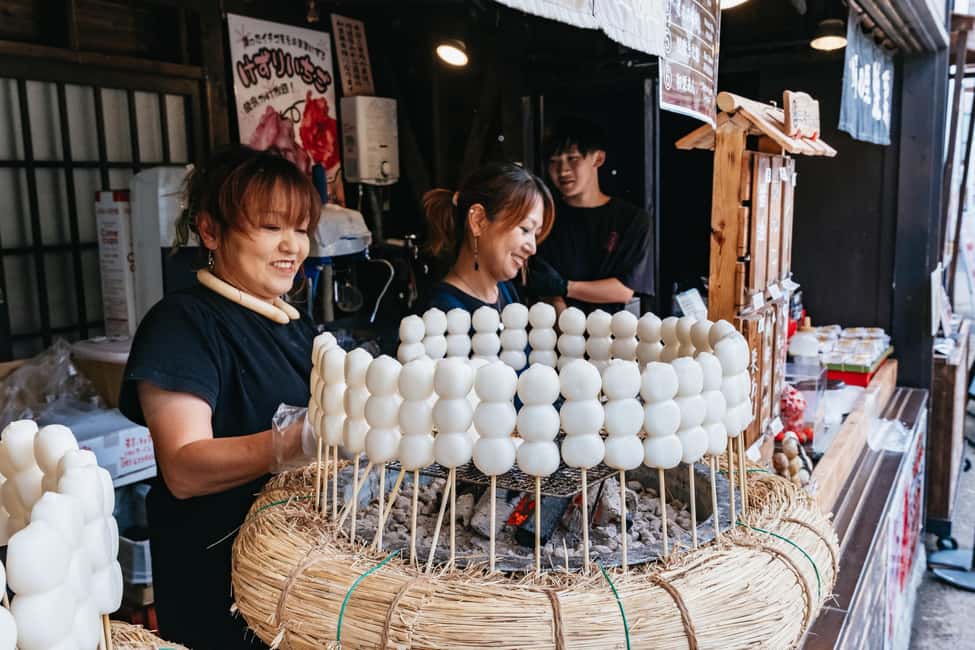
This tour is a great fit if you want:
- one-day access to Mt Fuji highlights from Tokyo
- a mix of nature (lakes, ponds) and culture (Kamakura’s Great Buddha)
- bilingual explanation in a guided format
- multiple chances to see Fuji, not just one
It’s also well-suited for people who want humor and calm organization in a long day. Several guides get specific shoutouts for being funny, approachable, and responsive—names include Naomi, Jorge, Fran, Beru/Bertrand, Eric, Raoul, Melody, Ariadna, and more.
Skip it if:
- you need wheelchair access, because it’s not suitable for wheelchair users
- you hate long coach rides and want slow, flexible pacing
- you’re only interested in a single perfect Fuji viewpoint and don’t want the weather uncertainty
Should You Book This Tokyo to Fuji, Kamakura, Lake Ashi Trip?
I’d book it if your goal is to squeeze maximum “Fuji region” value into one day and you like guided structure. The price-to-coverage ratio is strong because transportation and the main guided components are included, and the big sights are spread across the day to improve your odds.
I’d think twice if you want zero stress, deep cultural immersion at a slow pace, or total control over meals. Also, if weather visibility scares you, remember: this day is designed so you still get meaningful stops even when Fuji won’t fully cooperate.
Final decision checklist:
- If you can handle 10–11 hours and walking around viewpoints, go.
- If seeing Mt Fuji is your only goal, go in with Plan B expectations.
- If you want fewer decisions, pick the option(s) that match your must-dos, especially Lake Ashi cruise and/or Kotoku-in.
FAQ
How long is the Mt. Fuji, Kamakura, Lake Ashi day trip?
The tour lasts about 10 to 11 hours.
Where do I meet for the tour?
The meeting point may vary depending on the option booked. One listed option is 1-chōme-9-1 Marunouchi, Ginza Inz 2.
What languages are the guides?
The tour is guided in English and Spanish.
Is the Lake Ashi boat cruise included?
The Lake Ashi cruise is included only with the selected option that offers it.
Is lunch included?
Lunch in Oshino Hakkai is included only if you choose the premium option. Otherwise, food and drinks are not included.
Can I count on seeing Mount Fuji?
Mount Fuji visibility depends on weather conditions, so you cannot rely on guaranteed sightlines.
What should I bring?
Bring comfortable shoes, warm clothing, a hat, a camera, and sunscreen. Also bring cash, since some shops may not accept card payments.
Is this tour wheelchair accessible?
No. It is not suitable for wheelchair users.
What is the cancellation policy?
You can cancel up to 24 hours in advance for a full refund.