REVIEW · TOKYO
Tokyo Cherry Blossoms blooming spots E-bike Tour, 3hrs
Book on Viator →Operated by Cycling Holiday Tokyo · Bookable on Viator
Sakura season, minus the traffic jams. This small-group e-bike tour is a smart way to see Tokyo’s cherry blossoms without getting stuck on foot in crowded areas, because electric assist helps you keep moving through car-free paths and scenic routes with a certified guide. I love how the stops are timed for real viewing and quick photo moments, not just passing by from a bus window.
One thing to keep in mind: bloom timing can be hit or miss. Even in peak season, blossoms can run late or be past their best, so you’ll want to be flexible—and expect the guide to steer you toward the best available sights when conditions aren’t perfect.
In This Review
- Key Things I’d Highlight Before You Go
- Why an E-Bike Blossom Tour Feels Like a Tokyo Shortcut
- Meeting at Kanda: The Easy Start With a Real Base
- Chidorigafuchi: The Classic Blossom Look-By From the Bike
- Yasukuni Shrine: Dismount Time and a Park-Style Sakura Moment
- Sotobori Park: Riding Along the Outer Moat for a Different Angle
- Hibiya Park: Pass-By Beauty With Quick Photo Options
- Kensei Kinenkan: Getting Off the Bike for a Final Blossom Break
- How the Guide Changes the Whole Experience
- The Value of $64.57 for a 3-Hour Blossom Circuit
- What to Bring and What Conditions Affect Your Ride
- Who This E-Bike Cherry Blossom Tour Fits Best
- Should You Book This Tour?
- FAQ
- How long is the Tokyo cherry blossom e-bike tour?
- What’s included in the price?
- Where does the tour start?
- Who can join the tour?
- How big is the group?
- What should I bring or plan for?
Key Things I’d Highlight Before You Go
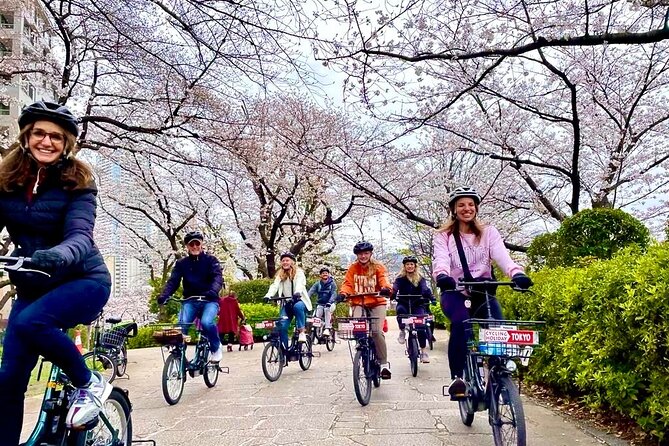
- E-bike access to blossom streets: you’ll go where cars can’t, so the scenery feels more local and less tour-bus-like.
- Small groups up to 6: easier navigation, quicker questions for your guide, and more breathing room at stops.
- Multiple landmark parks: you’re not stuck with just one photo spot; you get a whole mini spring circuit.
- Quick get-on/get-off viewing: short moments to dismount, look closely, and take photos before cycling on.
- Guides bring Tokyo context: the ride comes with history and culture talk that helps you understand what you’re seeing.
Why an E-Bike Blossom Tour Feels Like a Tokyo Shortcut
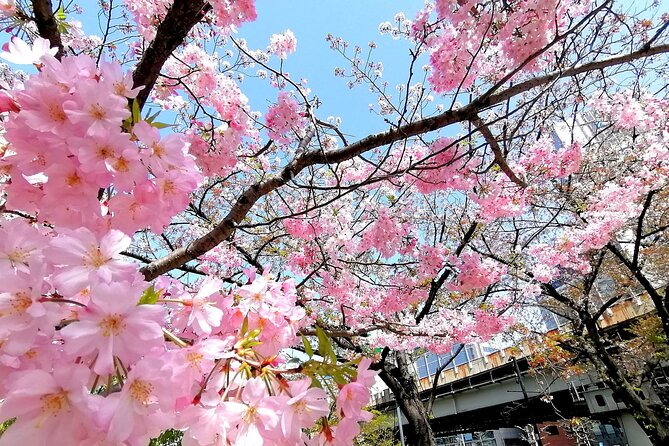
Cherry blossoms are popular in Tokyo, which means you can spend a lot of time doing the slow parts: crossing streets, circling for the right entrance, and waiting while crowds shift. This tour cuts that friction by using electric-assist bikes, so you can cover several key areas in around 3 hours without turning it into a legs-only challenge.
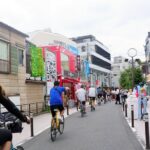
I like that the route is designed around getting you close to the trees and parks, not just giving you a high-speed scenic lap. Cars aren’t part of the plan, and you’ll often feel like you’re riding through the city’s spring rhythm—families out for photos, people picnicking, and calmer side paths where the blossoms feel more intimate.
The other big win is the guide. You’re not just collecting landmarks; you’re getting answers in real time. Guides such as Take, Jenny, Yoshihisa (Yoppi), Kenta, Kay, Takako, and Mr San show up across this experience, and the common thread in their approach is practical context—how these places fit into Tokyo life, and what to notice while you’re there.
You can also read our reviews of more cycling tours in Tokyo
Meeting at Kanda: The Easy Start With a Real Base
You’ll meet at Cycling Holiday Tokyo in Uchikanda, near Kanda Station (JR Yamanote Line and Tokyo Metro). One helpful detail: the shop is set up as a launch point, with free Wi-Fi at the base, so it’s easy to confirm your mobile ticket and get settled before you ride.
You’ll get an e-bike rental plus a helmet. There’s also insurance, and you can leave luggage with them during the tour as long as it’s not valuables. That matters in Tokyo, because cherry blossom season often means you’re carrying a day bag you don’t want to drag around parks and sidewalks.
Plan to arrive a few minutes early so you can handle bike fitting and basic safety instructions. Also, be honest with yourself about riding comfort: if you can’t ride a bicycle, you can’t join. The e-bike helps, but it still requires bike control.
Chidorigafuchi: The Classic Blossom Look-By From the Bike
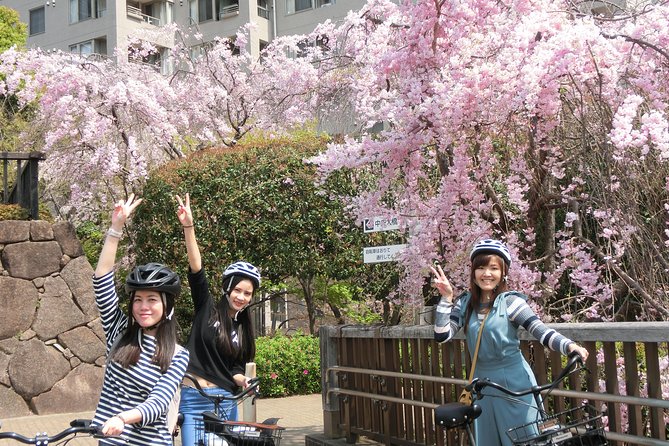
Your first stop is Chidorigafuchi, known for its famous blossom-lined scenery along the water. On this tour, you’ll enjoy the trees as you pass by on the e-bike, then you’ll have a short window to take photos and soak in the view.
The value here is pacing. Instead of waiting for one perfect moment somewhere in the crowd, you get a guided approach to seeing what makes this area special and then moving on before the scene overwhelms you. If you’re hoping for spring photos, this is where your camera (and your framing instincts) will get tested.
Pro tip: if you see a spot that looks good for photos while you’re riding, tell your guide right away. The tour is built for quick stops, but good timing is still everything.
Yasukuni Shrine: Dismount Time and a Park-Style Sakura Moment
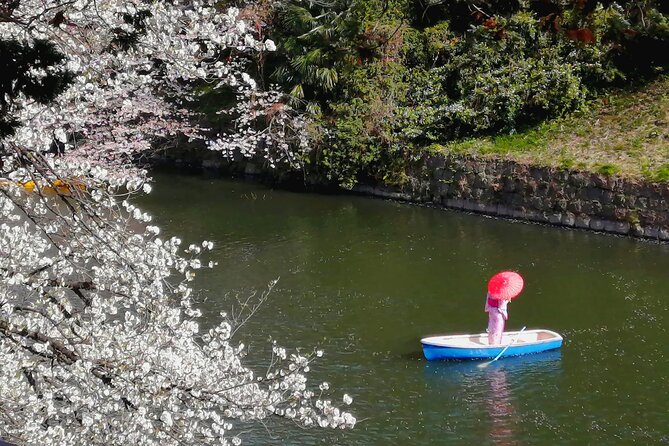
Next up is Yasukuni Shrine. Here you’ll get off the bike and spend around 15 minutes viewing the blossoms in the park area.
This stop tends to feel more grounded than the strictly postcard-famous viewpoints. You’ll have time to slow down, walk a bit, and look at the trees where people gather naturally. It’s a good place to ask your guide questions too—this is where you can connect what you’re seeing with the role of the site in Tokyo culture.
What to watch for: people often set up for photos in clusters near the most photogenic angles. If you want less interruption in your shots, aim for the edges of the busiest spots, then reposition once the flow shifts.
Sotobori Park: Riding Along the Outer Moat for a Different Angle
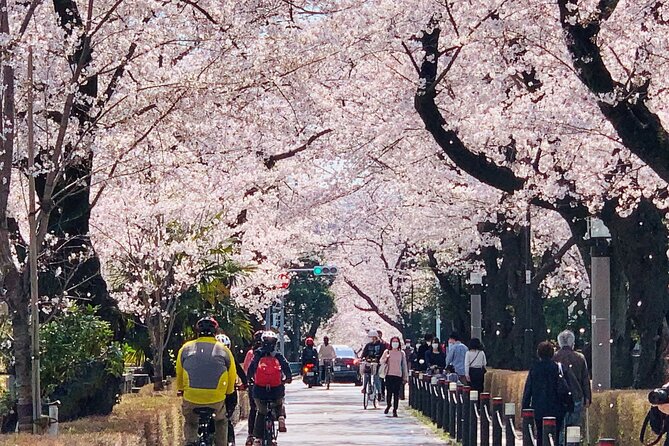
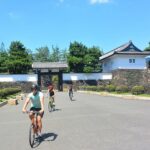
Then the tour shifts to Sotobori Park, where you can see blossoms along the outer moat while you ride. This is one of those stops that works best when you notice the layout: the waterline and the trees create a strong horizontal composition, even if you’re not stopping for a long walk.
The short viewing window (about 10 minutes) is intentional. It keeps you moving while still giving you enough time to get the shot you want. If you’re the kind of person who likes variety over long waits, you’ll appreciate how this part changes the visual vibe without breaking the rhythm of the ride.
One caution: because it’s a scenic cycling moment, you’ll want to avoid rushing your gear setup. If you stop to fumble, you’ll eat into your time. Keep your phone or camera ready before you arrive.
You can also read our reviews of more tours and experiences in Tokyo


Hibiya Park: Pass-By Beauty With Quick Photo Options
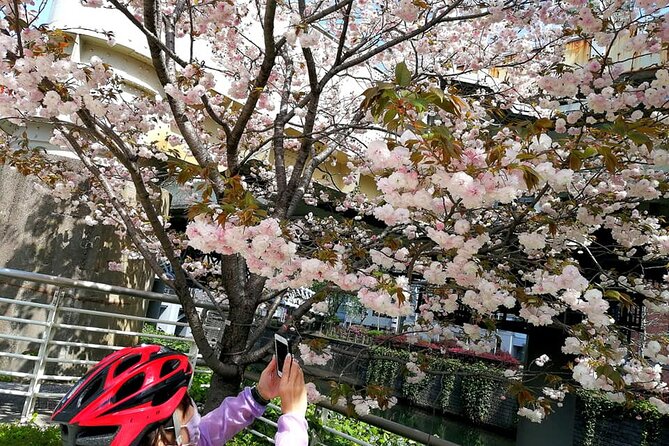
At Hibiya Park, you’ll mostly pass by on the e-bike while looking at blossoms in the park. This part is shorter—around 5 minutes—so it’s best thought of as a snapshot stop that adds continuity to the whole route.
I like this approach because it prevents the tour from turning into a sequence of long park waits. Instead, you get a little hit of spring scenery, then you’re back on the bike, heading toward the next place.
If your goal is a lot of photos, you’ll still get chances to dismount elsewhere. Here, treat it as a quick check-in: find the angle, take the photo, then keep going.
Kensei Kinenkan: Getting Off the Bike for a Final Blossom Break
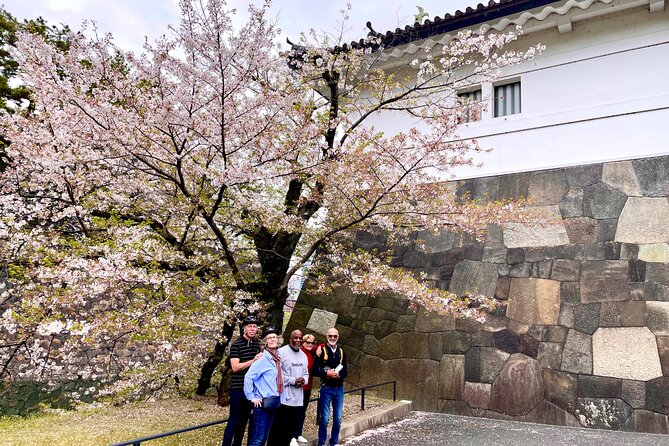
The last named stop is Kensei Kinenkan, where you’ll get off the bike and spend around 10 minutes viewing blossoms in the park area. Ending with a dismount makes the finish feel satisfying—you’re not just cycling away from the “best part,” you’re actually there long enough to look closely.
This is also a good point in the tour to slow your pace and absorb what you’ve already seen. By now, you’ll have that spring mix in your head: water-side trees, shrine grounds, moat views, and city parks. It makes Tokyo’s cherry blossom season feel like a connected story rather than separate photo stops.
How the Guide Changes the Whole Experience
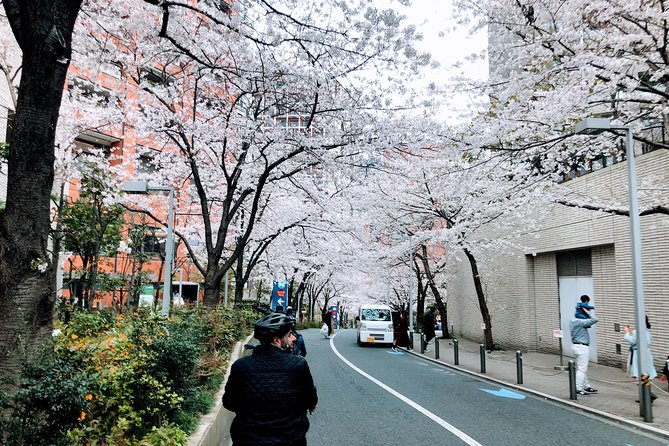
The best part of this tour isn’t the bike. It’s how the guide uses the ride to teach you what you’re seeing.
Across guides like Take (often noted for fun explanations and cultural background), Jenny (known for a lively, engaging style and lots of worthwhile spots), and Yoshihisa, Yoshiko, Kay, and Kenta (credited with taking people to special viewing places), the common thread is context. You’ll usually understand why each stop is chosen and what to notice while you’re there.
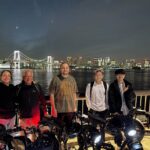
Pace also matters. With a max of 6 people per booking, you’re less likely to get stretched out across sidewalks. In practice, that means your guide can manage photo stops without losing the group. If you’re someone who prefers quiet photos or doesn’t want group shots, speak up early so your guide can read the room.
There’s also real-world flexibility built in. On one trip, blossoms arrived late, so the team adjusted to still give riders a great e-bike experience even when peak sakura wasn’t available. That’s important: cherry blossom timing is never fully controlled, but the best guides can pivot fast.
The Value of $64.57 for a 3-Hour Blossom Circuit
At $64.57 per person for about 3 hours, this isn’t just a sightseeing ticket. You’re paying for an e-bike rental, a helmet, a guide, and insurance, plus the convenience of having a route plan that strings together several central areas efficiently.
In Tokyo, bike rentals and guided time can add up quickly on your own, especially if you want to cover multiple blossom zones without wasting time finding your way. Here, the value comes from packing in a lot of “useful spring viewing” per hour—getting on and off bikes at the right moments and using electric assist so the ride stays enjoyable for different fitness levels.
It’s also good value because it’s genuinely social without being crowded. The small group format is part of what makes it feel personal rather than rushed.
What to Bring and What Conditions Affect Your Ride
The basics are covered: helmet, e-bike, insurance, and a guide. But you’ll still want to plan for your comfort.
Since food and drinks aren’t included, I recommend you eat before you arrive (or plan a stop after). If you’re riding in warm weather, bring towels and sunscreen. In winter, plan for colder conditions and bring warm clothes and gloves.
Rain gear is also not included, so if showers are in the forecast, you’ll want a plan. The tour itself requires good weather, and if it’s canceled due to poor weather, you should expect an alternative date or a full refund option.
Also check these requirements before you go:
- Minimum age is 12 years
- Minimum height is 147 cm
- If you can’t ride a bicycle, you can’t join
Who This E-Bike Cherry Blossom Tour Fits Best
This is a great fit if you:
- Want to see multiple blossom areas in a short amount of time
- Don’t love navigating crowded streets on foot
- Are curious about Tokyo culture and want explanations tied to what you see
- Want a small-group experience rather than a big bus-style tour
It may be less ideal if you:
- Are only interested in one single viewpoint and don’t care about comparisons across parks and neighborhoods
- Prefer long, uninterrupted walking time at one site
- Don’t want to ride a bike at all, even with electric assist
Should You Book This Tour?
If you’re visiting during cherry blossom season and you want the best mix of spring scenery plus movement through central Tokyo, I’d book it. The combination of e-bike ease, short viewing stops, and a guide who connects the dots makes it feel efficient without feeling like a checklist.
But be realistic about timing. Sakura season can run late, and that can change what you see at peak moments. If you’re the type who gets stressed by uncertainty, treat this tour as a way to enjoy blossoms even when they’re not at their absolute fullest—and lean on the guide’s ability to adjust.
Final call: book this if you want a smart Tokyo spring overview with minimal hassle, and you’re comfortable riding a bike for a few hours. If that sounds like your style, you’ll leave with a ton of photos, better context, and that very Tokyo feeling of spring in motion.
FAQ
How long is the Tokyo cherry blossom e-bike tour?
The tour runs about 3 hours.
What’s included in the price?
The experience includes an e-bike rental, helmet rental, a guide, insurance, and the option to leave luggage (except valuables) with the team during the tour.
Where does the tour start?
The meeting point is at Cycling Holiday Tokyo, 3-chōme-8-6 Uchikanda, Chiyoda City, Tokyo 101-0047, near Kanda Station.
Who can join the tour?
Most travelers can participate, but you must be able to ride a bicycle. Minimum age is 12 years, and the minimum height is 147 cm.
How big is the group?
There’s a maximum of 6 travelers per booking, and a minimum of 2 per booking.
What should I bring or plan for?
Food and drinks are not included, and rain gear is not included. It’s recommended to bring towels and sunscreen in summer, and warm clothes and gloves in winter.