REVIEW · TOKYO
Tokyo: Sumo Tournament with Guide & Assigned Reserved Seat
Book on GetYourGuide →Operated by AMIGO TOURS JAPAN GK · Bookable on GetYourGuide
Sumo starts like a ceremony, then turns into full-contact speed. What makes this outing work so well is the English sumo guide plus your assigned reserved seat. I like that you’re not just sitting in the dark until something happens, because you get the rules, rituals, and ranking context before you settle in. The main drawback is the price: you’re paying a real premium for ticket access and interpretation, not just for admission.
You’ll spend about 4 hours at Ryogoku Kokugikan during the tournament stretch, with a short guided introduction to help you understand what you’re seeing. English-speaking guides can include people like Jorge, George, Mili, Caesar, Lily, or Erik, and they tend to focus on explaining what matters in the moment, not just sumo history.
In This Review
- Key things to know before you go
- Tokyo Sumo at Ryogoku Kokugikan: Why the arena experience matters
- Your guide’s role: Rules and rituals you can actually use in your seat
- The 30-minute guided start: Getting your bearings fast
- Assigned reserved seats (B or C class, second floor): The view reality check
- The 4-hour tournament visit: What your afternoon actually feels like
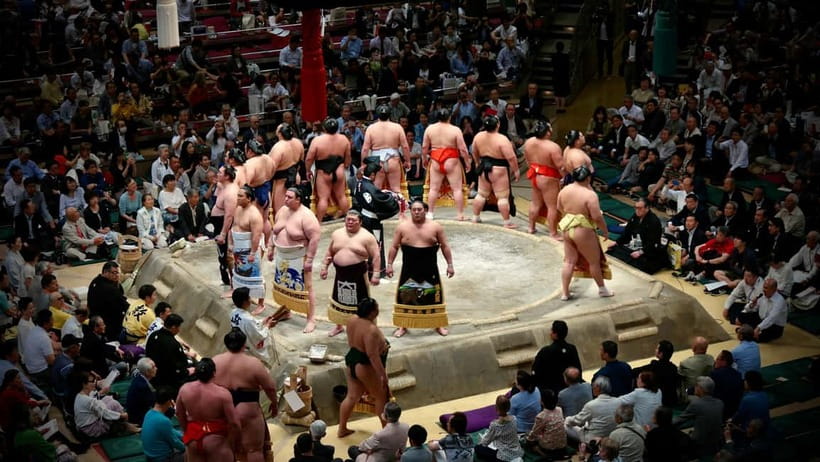
- The storybook photo setting: When tradition becomes visible
- Optional extra stops you may find: Temple and garden add-ons
- Price and logistics: Is $209 value or a tourist premium
- Who this is best for (and who should skip it)
- Should you book this Tokyo sumo tour?
- FAQ
- How long is the sumo tournament experience?
- Where is the tournament held?
- What seats are included?
- Is food included or can I bring food and drinks?
- Is the guide available in English?
- Is the booking refundable if I need to cancel?
- Is this tour suitable for mobility impairments?
Key things to know before you go
- Guaranteed reserved seating in second-floor B or C class, so you avoid the ticket scramble.
- A real guide-led explanation of rules, rituals, ranking system, and cultural meaning.
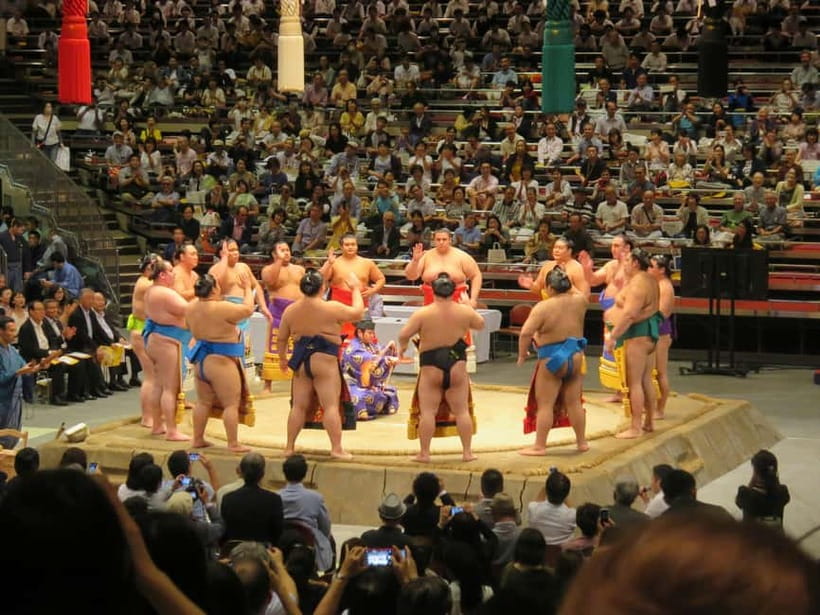
- About 4 hours inside Ryogoku Kokugikan watching an official tournament.
- Photo-friendly atmosphere that feels cinematic and formal, especially in the arena area.
- Food and drinks are not allowed, so plan meals ahead of time.
- Tour timing is 4–5 hours total, with a brief guided portion before your long seat time.
Tokyo Sumo at Ryogoku Kokugikan: Why the arena experience matters
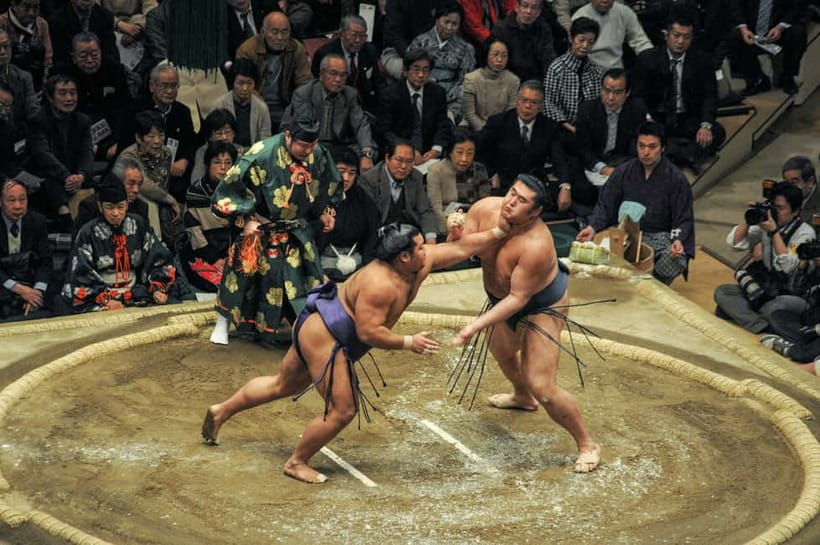
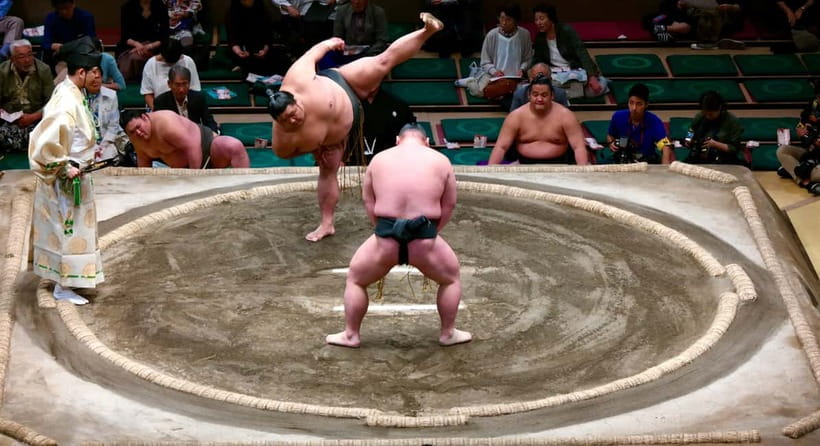
If you’re choosing between a sumo tour with seats and a DIY plan, this one has a strong argument: Ryogoku Kokugikan is built for spectators who want to feel close to the action and the ritual. When you understand what’s happening, the whole thing reads differently. The stares, the pauses, the formality before contact, and the way bouts unfold become easier to follow instead of feeling random.
My favorite part of this experience is that it’s designed for first-timers. You don’t need prior sumo knowledge to enjoy it, because your guide is actively translating the culture while you’re there. That’s how you turn a ticket into an afternoon you’ll remember, especially if you came to Tokyo for more than photos.
The second thing I like is the seating approach. You get reserved seats (B or C class on the second floor), and you’re not playing the guessing game of whether you’ll end up somewhere hard to see. Some people love assigned seats immediately, because it removes uncertainty from an already intense day.
You can also read our reviews of more guided tours in Tokyo

Your guide’s role: Rules and rituals you can actually use in your seat
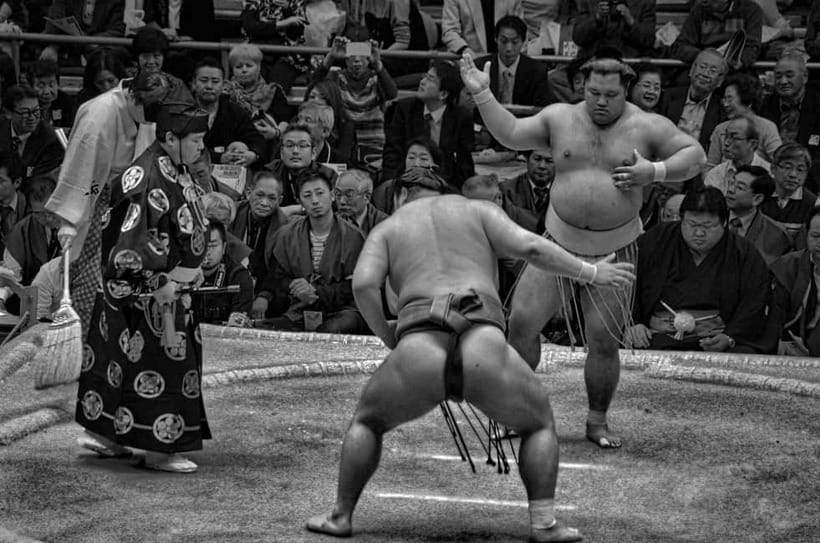
This is not the kind of tour where a guide just points out a few facts and then disappears. The guide is there to explain the basics you need to watch intelligently: rules, rituals, the ranking system, and why those traditions exist in the first place. Even if you only catch part of it at first, you’ll notice patterns once the tournament begins.
One practical benefit: you’ll spend less time wondering what to pay attention to. When you know how the ranking system works and what the rituals are signaling, you stop treating each bout like a separate event. You start seeing the tournament as a sequence with stakes.
And the energy matters. Guides named in past English tours include Jorge, George, Mili, Caesar, and Lily, and the consistent theme is that they answer questions and keep the group oriented before the matches start. That makes a difference when you’re in a loud, rule-heavy environment where it’s easy to miss key moments.
The 30-minute guided start: Getting your bearings fast
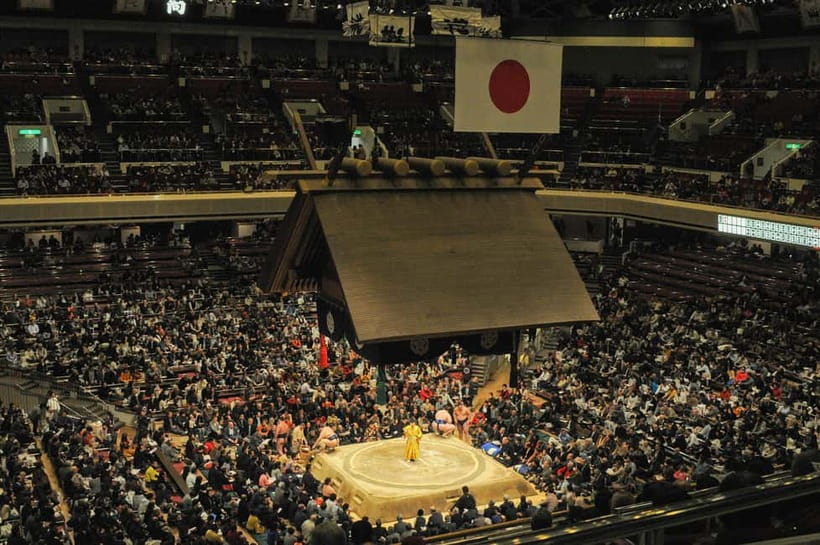
You’ll begin with a short guided portion at Ryogoku Kokugikan, about 30 minutes. It’s a smart length. Long enough to give you the essentials, not so long that you feel trapped waiting for the tournament to start.
In that time, the guide typically sets you up with the “what you’re about to see” framework: what a sumo tournament is, how the ranking system connects to what you’ll observe, and how the rituals fit into the sport. For a first-timer, this turns the stadium into a lesson you can watch, not just a venue you pass through.
There’s also a practical “how to watch” element. You get cues that help you track bouts instead of watching the entire time with confusion. If you’ve ever sat at a live event and felt like everyone else understood the flow, you’ll appreciate this setup.
Assigned reserved seats (B or C class, second floor): The view reality check
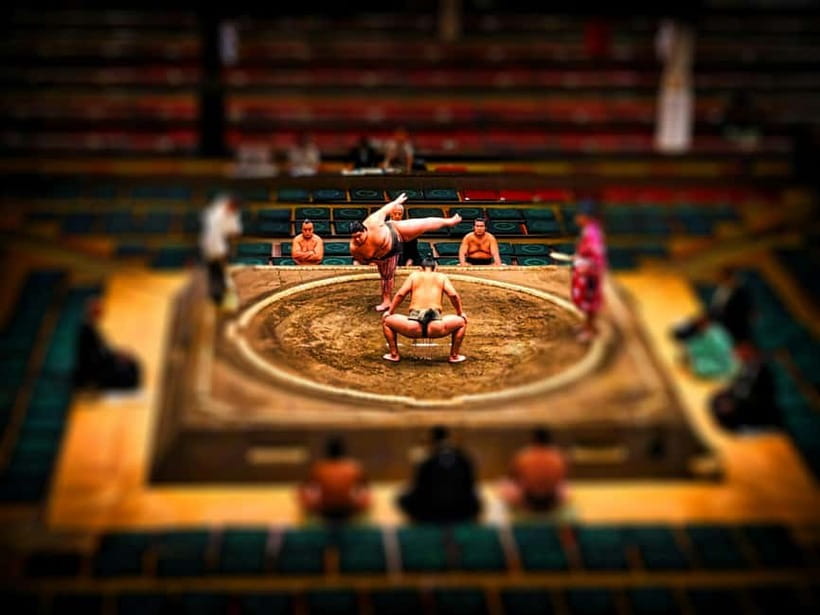
Your reserved seat is either B or C class, located on the second floor. That sounds straightforward, but it matters how you experience it. Second-floor seating can still work well for seeing matches clearly, especially when you understand where to look during pre-bout moments.
Some people liked their seat position and said they could see the bouts clearly and soak in the atmosphere. Others noted that assigned seats can still mean limited control over where exactly you end up. If you’re the type who likes to choose your exact seat and angles, this might not feel perfect.
A small but important tip: sit with a plan. During explanations, your guide may move through the group to speak. Once you’re seated, keep your eyes on the ring area and let the ritual moments guide your attention. If you find yourself unsure what you’re looking at, focus on the transitions between formal steps and the moment action starts.
The 4-hour tournament visit: What your afternoon actually feels like
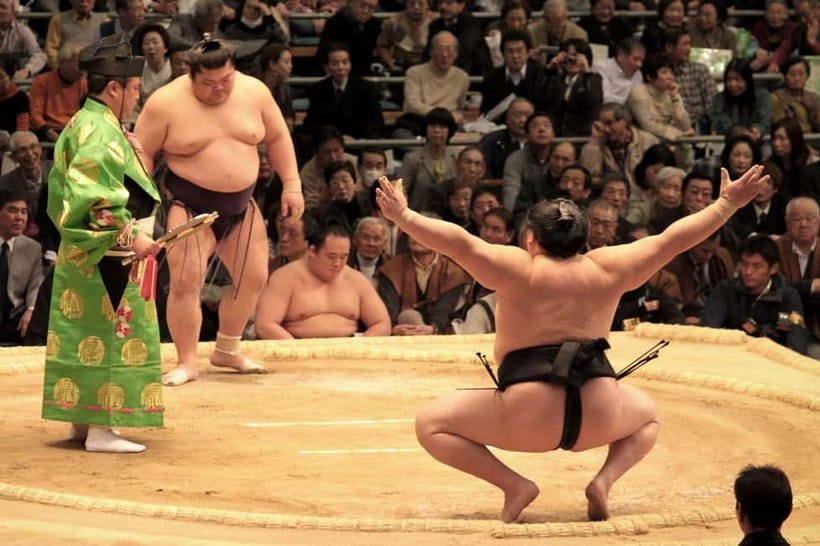
After the guided start, you’ll have about 4 hours to visit and watch the tournament. This is the core of the experience, and it’s long enough that the guide’s context starts paying off in real-time.
With your guide in the group, you’ll be better prepared to understand the rhythm of bouts and why certain details matter. Instead of feeling like you only catch the “big hits,” you’re more likely to notice how bouts progress, how the tournament structure works, and why the ritual elements influence the pacing.
It’s also worth noting the atmosphere. The arena experience is formal, but the environment can feel noisy and active. If you’re in a larger group, it can be harder to hear every explanation clearly at all times. The simplest fix is positioning: if the guide is speaking, try to stay where you can hear well before the matches begin.
Also plan around the rules for food and drinks. Food and drinks are not allowed, and they’re not included. That means you should eat before you arrive (and consider bringing snacks before the event, if allowed by the venue rules outside the experience window). Once you’re inside, you’ll focus on watching rather than eating.




The storybook photo setting: When tradition becomes visible
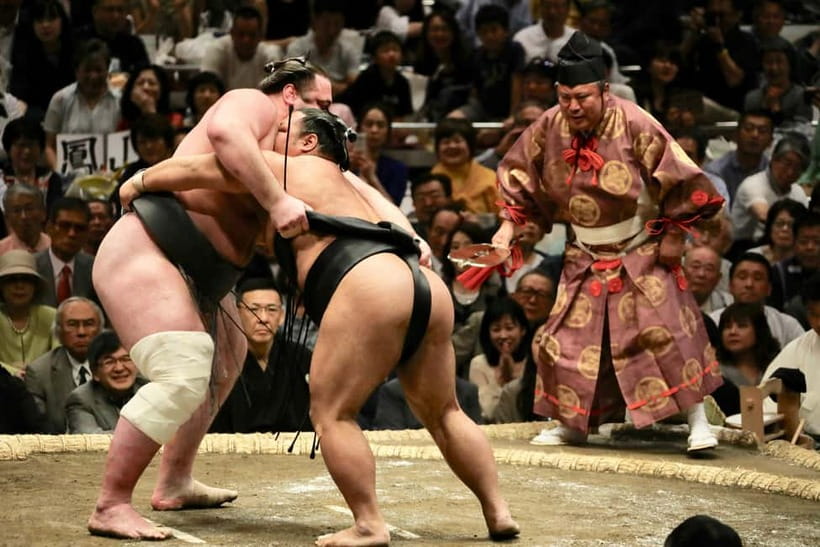
One of the highlights is photo time in a setting that feels almost storybook—formal, ceremonial, and very “this is what Japan looks like when traditions are still alive.” Even if you’re not a big photographer, you’ll likely want at least a few shots, because the visuals reinforce what your guide is describing.
Photo-friendly moments often cluster around the arena area before matches and during the guided portion. You won’t need to sprint for perfect angles, but you should use the time you’re given and stay aware that once the tournament proper starts, your attention should be on the ring and the flow.
Optional extra stops you may find: Temple and garden add-ons
Some departures seem to include extra sights around the sumo neighborhood. For example, there are mentions of a stop at Ekoin temple and a garden near the arena area, along with other nearby landmarks. One person also noted an added cemetery/garden-type stop as part of their experience.
These add-ons change the feel of the afternoon. They can be nice if you want more than just the arena, and they give you breathing space before you settle into the tournament. The tradeoff is time and noise: some explanations may happen outside in busier streets, and that can be distracting if you prefer quiet learning.
If your main goal is the tournament itself, the good news is the schedule still keeps your focus on the 4-hour arena visit. The extras are bonuses, not the centerpiece.
Price and logistics: Is $209 value or a tourist premium
At $209 per person for a 4–5 hour experience, you’re paying for two things: access to reserved seating and a guide who turns sumo into a story you can follow.
Here’s the balanced way to think about it. Buying sumo tickets through official channels can be difficult, and this format is often chosen specifically for guaranteed seats. For some people, the certainty is worth a lot—especially when you’ve got limited days in Tokyo and you don’t want your schedule held hostage by ticket availability.
On the other hand, you should know why some folks feel sticker shock. Some comparisons suggest the basic ticket portion can cost much less than what you pay here, and that the extra cost is largely for the guided component and the service layer. If you already know sumo basics and you just want entry, you might feel the pricing doesn’t match your expectations.
So the real question is: do you value guided context that helps you watch better? If yes, this price starts to make sense. If no, you may prefer buying tickets on your own and spending your time elsewhere in Tokyo.
Who this is best for (and who should skip it)
This tour fits well if you’re a first-time sumo fan, or if you want to understand the ritual side of the sport, not just watch the bouts. It also works nicely for groups or couples who want a guided plan without scrambling for tickets on their own.
It may be less suitable if you:
- have mobility impairments (it’s not suitable for mobility limitations),
- strongly prefer choosing your exact seat in advance,
- or want a self-paced experience with no structure.
Should you book this Tokyo sumo tour?
I’d book it if you want the easiest path to an official sumo tournament with reserved second-floor seats and an English guide who explains the rules and rituals while you’re watching. The payoff is real: you spend less time guessing and more time understanding.
I’d skip or reconsider if you’re price-sensitive and you’d rather take the time to hunt for tickets yourself. This experience is built around certainty plus interpretation, and that’s exactly what you’re paying for.
If your priority is an unforgettable, culturally meaningful afternoon in Tokyo, this is a strong bet—just go in knowing it’s not the cheapest way to see sumo. It’s the way that helps it click.
FAQ
How long is the sumo tournament experience?
It runs about 4 to 5 hours total. The exact timing depends on the starting time available for your selected date.
Where is the tournament held?
The main venue is Ryogoku Kokugikan in Tokyo.
What seats are included?
You receive a reserved seat in B or C class on the second floor.
Is food included or can I bring food and drinks?
Food and drinks are not included, and food and drinks are not allowed during the experience.
Is the guide available in English?
Yes, the guide is provided in English.
Is the booking refundable if I need to cancel?
No. This activity is non-refundable.
Is this tour suitable for mobility impairments?
No, it is not suitable for people with mobility impairments.