REVIEW · TOKYO
Tokyo: 3-Hour Bike/E-Bike Tour of the City’s Highlights
Book on Viator →Operated by Tokyo Rental Bicycle · Bookable on Viator
Tokyo can feel like a firehose of options.
This 3-hour bike and e-bike tour lines up big landmarks in a smart order, then adds real context as you roll through the city. You’ll zip from Zojo-ji Temple and the Imperial Palace area to Tokyo Station Marunouchi and end at Shibuya Crossing, with a guide along the way to explain what you’re seeing.
I like the setup because it’s low-stress: bike rental is included, you get a small pouch for your phone and wallet, and the guide helps you stay on track so you’re not hunting routes. One thing to plan for is that you’re riding through real traffic and crowds, so you should feel comfortable in busy streets; also, the helmet is not included (¥1000 rental, cash needed).
In This Review
- Key points at a glance
- Why This Tokyo Bike Tour Works When Your Time Is Tight
- Commodore Perry to Pedals: Where You Meet and How Setup Feels
- Zojo-ji Temple: Old Tokyo in the Shadow of Tokyo Tower
- Imperial Palace Area: Gates, Ceremony, and Photo-Friendly Stops
- Tokyo Station Marunouchi: Red-Brick History Meets Modern Lines
- Ongoing Themes: Akasaka Palace and Japan National Stadium
- Aoyama Street and Shibuya Cat Street: Fashion on Two Wheels
- Riding Through Shibuya Crossing: The Main Event
- Ending Near Yoyogi Park and Harajuku: Don’t Stop Here
- Price and Logistics: Does $63.01 Feel Like Value?
- Who This Tour Fits Best (and Who Might Want a Different Plan)
- Practical Tips for a Smoother Ride in Tokyo
- Guides: The Real Difference Maker
- Should You Book This Tokyo Highlights Bike Tour?
- FAQ
- How long is the Tokyo bike/e-bike tour?
- What does the price include?
- Is a helmet included?
- Is this tour private?
- Where do you meet and where does it end?
- What stops are included during the ride?
- Do I need to be in good physical shape?
- What happens if it rains or the weather is poor?
- Can I cancel for a refund?
Key points at a glance
- E-bike/pedal assist helps you keep the pace for a long list of stops in just 3 hours
- Guide storytelling turns landmarks into something you can remember (many guides like Naoki, Rin, Rinto, and Casey are praised for this)
- Smart route through Tokyo’s big “wow” hits: Zojo-ji, Imperial Palace gates, Tokyo Station, Shibuya Crossing
- Safety support while riding: guides ride at the front and back for group control
- Great finish near Harajuku: you end by Yoyogi Park and Jinnan, so you can keep exploring right after
Why This Tokyo Bike Tour Works When Your Time Is Tight
If you only have a few hours in Tokyo, this kind of tour makes sense. Tokyo is huge, and even “close” neighborhoods can take time when you factor in walking and train transfers. Here, you stay in motion on a bike, which means you get more sights without losing half your day to logistics.
The best part is that the stops hit different sides of Tokyo at a workable rhythm: temple grounds and old power, imperial gates and ceremonial space, then the modern showpieces around Tokyo Station and Shibuya. In particular, the ride through Shibuya Crossing gives you the feeling of being in the middle of the city, not just watching it from the edge.
You can also read our reviews of more cycling tours in Tokyo
Commodore Perry to Pedals: Where You Meet and How Setup Feels
You start at the Statue of Commodore Perry in Shibakoen (Minato City). It’s a landmark-style meeting point, and once you arrive, the process is built for speed: you grab your bike, get brief guidance, and get ready to roll.
A few details help a lot:
- You get a mini pouch for your phone, wallet, and keys, so you’re not juggling bags while riding.
- You’ll have bike insurance included.
- If it rains, you get a raincoat on rainy days.
Also, this is a private tour for just your group, so you’re not trying to merge into a big crowd at every stop.
Zojo-ji Temple: Old Tokyo in the Shadow of Tokyo Tower
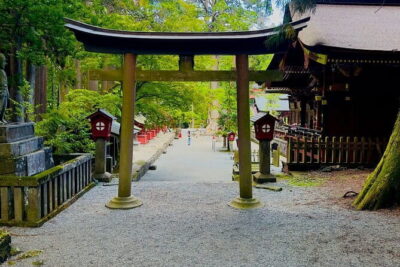
Stop one is Zojo-ji Temple, a major religious site and the resting place of warlords. It sits near Tokyo Tower, so even before you get deep into the temple area, you get that classic Tokyo contrast: the modern skyline energy next to a place that feels rooted in earlier eras.
What I like about this stop is the way it sets the tone for the whole day. You’re not starting with shopping streets or a quick photo. You begin with a place that has weight—then your guide can connect it to what you’ll see later, like the shift from old authority to modern city icons.
Practical note: admission is listed as free, but the timing is short (about 5 minutes). Treat it as a “see it, learn a bit, move on” moment, not a slow temple wander.
Imperial Palace Area: Gates, Ceremony, and Photo-Friendly Stops
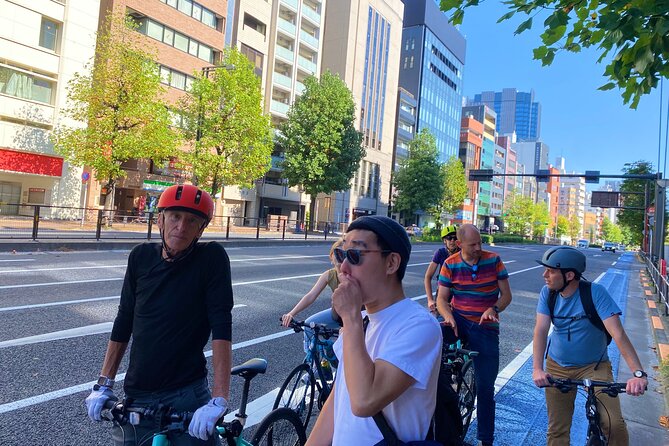
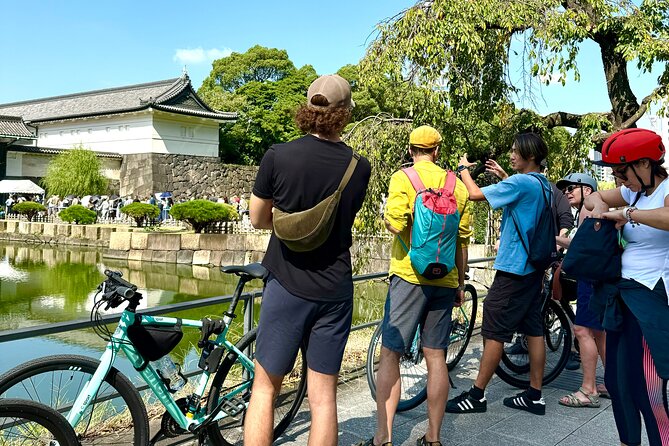
From Zojo-ji you roll toward the Imperial Palace area. The tour includes time at:
- the Imperial Palace (about 15 minutes)
- the Kokyo Otemon Gate (about 10 minutes)
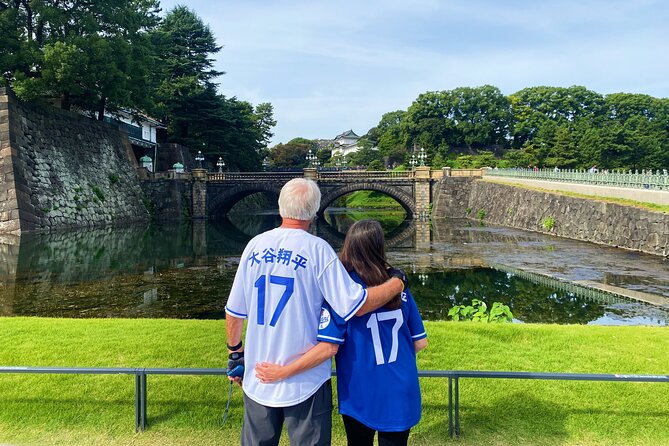
The Imperial Palace is the residence of Japan’s Emperor. Even if you don’t spend time deep inside the grounds, the point here is being able to recognize the ceremonial layout and the scale of the space. The Otemon Gate is specifically called out as the main entrance, which is perfect for photos and for getting your bearings.
One tip: this is a good moment to slow your pace and watch for how people behave in the area—Tokyo can feel strict in a polite way, and the palace grounds reinforce that sense of formality.
Tokyo Station Marunouchi: Red-Brick History Meets Modern Lines
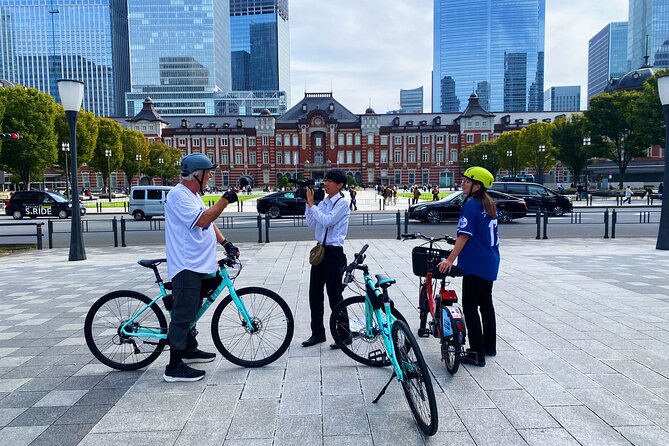
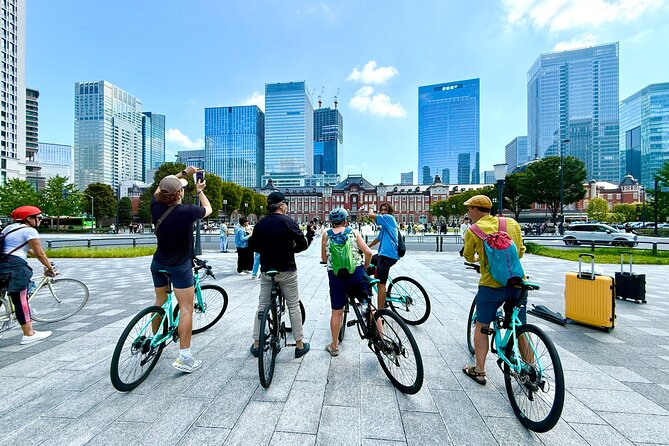
Next up: Tokyo Station Marunouchi Ekimae Hiroba, where you’ll spend around 10 minutes. The famous draw is the red-brick facade, opened in 1914, which has become an icon of the station’s long identity.
Even if you’re only seeing the facade and surrounding area from the bike route, it’s a helpful stop because it gives you a “this is what Tokyo was building” feeling. Then, when you later ride through Shibuya, you’ve got both sides in your head: the tradition and the fast-turning modern city.
You can also read our reviews of more city tours in Tokyo


Ongoing Themes: Akasaka Palace and Japan National Stadium
After Tokyo Station, the route continues through political and sports landmarks:
- Akasaka Palace (State Guesthouse) for about 5 minutes
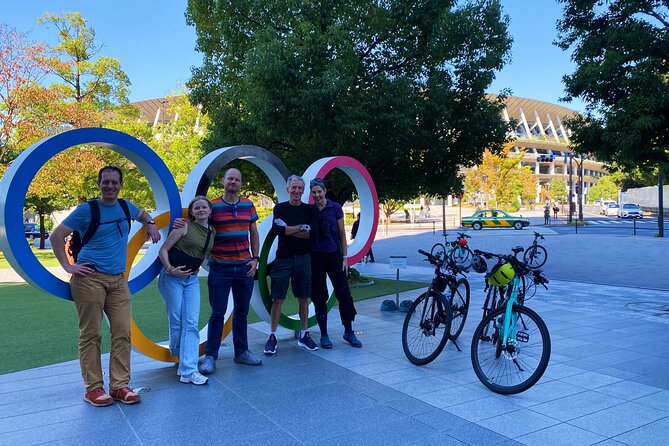
- Japan National Stadium for about 15 minutes
Akasaka Palace was originally built as a royal villa and now functions as a state guesthouse. The key value here is learning how these spaces evolved—so you understand why certain buildings look monumental even when they feel “quiet” in the city.
Then Japan National Stadium ties into the modern global spotlight: it hosted the 2020 Olympic and Paralympic Games. Spending time here on a bike is efficient because you’re not stuck on a bus or walking in and out. You get a quick sense of a major venue’s scale and importance.
Aoyama Street and Shibuya Cat Street: Fashion on Two Wheels
Now the tour shifts gears from big institutions to style corridors:
- Aoyama Street (about 5 minutes)
- Shibuya Cat Street (about 5 minutes)
Aoyama is known for high-end fashion brands and distinctive architecture. Then Cat Street adds a different texture with its mix of fashion brands and vintage shops. These short stops are ideal for a taste test. You’re not trying to shop for hours. You’re learning how Tokyo neighborhoods “sound” visually—what changes street by street.
A practical heads-up: because stops are timed, you’ll see more if you decide in advance what you want from each place:
- a quick photo and a short walk-through, or
- slowing down to read what’s in front of you and get a feel for the street.
Riding Through Shibuya Crossing: The Main Event
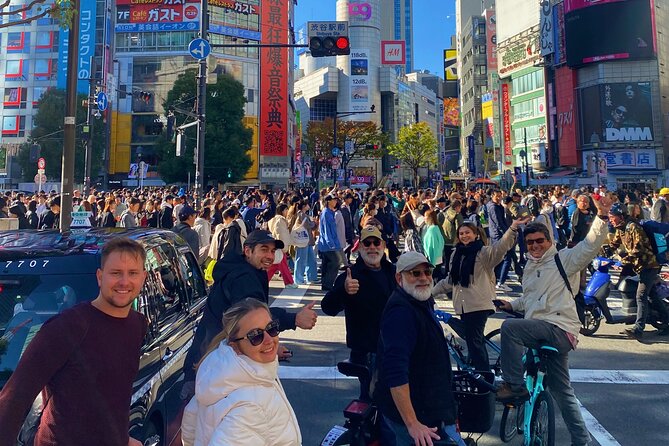
The ride culminates at Shibuya Crossing (about 5 minutes). This is the moment most people picture when they think Tokyo, and this tour makes it more than a screenshot.
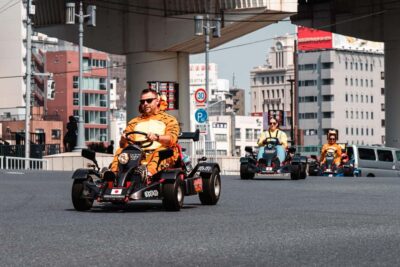
In the reviews, the way guides manage group control comes up again and again—riders mention that guides ride at the front and back, which helps everyone stay together while moving through traffic and signals. There’s also clear guidance on road rules, especially for people who might feel stressed at first in dense areas.
You should be ready for this to feel intense even with an e-bike. That’s normal. If you can stay calm and follow your guide’s cues, it’s also one of the most fun experiences you’ll have in the city.
Ending Near Yoyogi Park and Harajuku: Don’t Stop Here
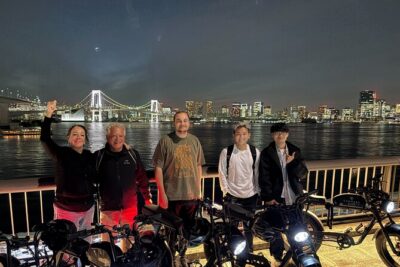
The tour ends near Yoyogi Park, close to Harajuku Station. The listed end point is also by the Bell of Peace, and the tour finishes in Jinnan, a shopping and dining area between Yoyogi Park and Shibuya.
This is a smart way to end because you’re not stuck back at the start location. You can keep going immediately:
- walk into the Harajuku/Yoyogi zone
- grab food in Jinnan
- or return to Shibuya from nearby transit
It’s also helpful that the tour is timed so you can still have energy afterward, especially if you do the afternoon ride for a different vibe than daytime.
Price and Logistics: Does $63.01 Feel Like Value?
At $63.01 per person for roughly 3 hours, the value depends on what you’re trying to accomplish. If you want a “first orientation” tour—get your bearings and hit major highlights fast—this price is easier to justify. You’re paying for:
- a guide who maps the route
- bike rental included
- insurance
- rain support
- short, efficient access to multiple big areas
Where it can feel less like a bargain is if you’re the kind of traveler who hates traffic and prefers long photo pauses. Also, a couple items can add cash on the spot:
- Helmet rental costs ¥1000 (cash needed)
- a child seat costs ¥3000 if required (arranged in advance and paid in cash)
Still, most people booking this are looking for a practical way to see Tokyo in a short window, and that’s exactly what this tour is designed for.
Who This Tour Fits Best (and Who Might Want a Different Plan)
This tour suits you if:
- you have limited time and want a packed route
- you can ride a bike moderately comfortably (the requirement is moderate physical fitness)
- you want both landmark viewing and guide context
- you like the idea of e-bike assistance for less strain
It might be less ideal if:
- you hate riding in crowds and tight city traffic
- you want long museum-style stops
- you need lots of time at each site for detailed photo work
One detail I’d treat as important: reviews mention a few riders felt stressed in traffic, but then felt better once guides explained the road rules. So comfort isn’t just physical—it’s also confidence. Follow the guide closely and you’ll likely have a calmer ride.
Practical Tips for a Smoother Ride in Tokyo
A few small choices can make this tour go much better.
Bring cash for the helmet
Helmet rental is ¥1000. If you don’t want to pay extra, you’ll need your own helmet, but the tour offers rental only with cash listed for the activity date.
Use the mini pouch and travel light
You’ll feel it when you’re riding: a phone and wallet you can grab quickly is useful. Keep other bags minimal so you don’t wrestle with straps while stopping.
Plan your energy around timed stops
The schedule is built around quick visits: Zojo-ji, Imperial Palace area, Tokyo Station, Akasaka, National Stadium, and two shopping street tastes, then Shibuya Crossing. This is not the tour for a long wander. It’s for getting the sweep of Tokyo.
Expect a safety-first ride
Guides keep the group together, and many reviews highlight that they ride at front/back. That matters in a city like Tokyo. Stay aware and keep your spacing.
If rain hits, don’t assume you’ll get a reroute for free
Rain support includes a raincoat, but the experience is listed as requiring good weather. If poor weather cancels it, you’ll be offered a different date or a full refund. That’s a nice safety net when you’re tight on time.
Guides: The Real Difference Maker
The route matters, but the guides are the factor that turns a list of landmarks into a story you understand. In feedback, names like Naoki, Hiroto, Sho, Rin, Rinto, and Casey show up with a pattern: they explain history and also connect it to what you’re seeing right now.
One review style you’ll notice in the praise: guides don’t just list facts. They help you interpret why a gate looks the way it does, why a temple’s location matters, and why Shibuya Crossing feels like a cultural symbol instead of just a traffic intersection.
Should You Book This Tokyo Highlights Bike Tour?
Book it if you want a smart, fast orientation that hits Tokyo’s biggest “must-see” moments with minimal fuss. You’re not just getting a ride; you’re getting a route plan, safety structure, and guide context that makes the stops click.
Skip it (or consider a quieter alternative) if you’re uncomfortable riding through crowds and traffic or if you prefer long, slow sightseeing with lots of time at each place. This is a short-clock tour.
If you do book it, I’d especially schedule it earlier in your trip. Getting your bearings on day one makes every later walk and train ride easier.
FAQ
How long is the Tokyo bike/e-bike tour?
The tour lasts about 3 hours, and the total duration includes travel time between stops.
What does the price include?
Included items are bike use, a raincoat on rainy days, an in-person guide (English and Japanese), a mini pouch for your phone/wallet/keys, and bike insurance.
Is a helmet included?
No. A helmet rental costs ¥1000, and you need cash on the activity date.
Is this tour private?
Yes. It’s listed as a private tour/activity, so only your group participates.
Where do you meet and where does it end?
You start at the Statue of Commodore Perry in Shibakoen (Minato City). You end by the Bell of Peace in Shibuya, near Yoyogi Park and Harajuku Station (and the area of Jinnan between Yoyogi Park and Shibuya).
What stops are included during the ride?
The route includes Zojo-ji Temple, the Imperial Palace area (including Kokyo Otemon Gate), Tokyo Station Marunouchi Ekimae Hiroba, Akasaka Palace (State Guesthouse), Japan National Stadium, Aoyama Street, Shibuya Cat Street, and Shibuya Crossing.
Do I need to be in good physical shape?
You should have moderate physical fitness since you’ll be riding for about 3 hours.
What happens if it rains or the weather is poor?
The experience requires good weather. If it’s canceled due to poor weather, you’ll be offered a different date or a full refund.
Can I cancel for a refund?
Yes. You can cancel up to 24 hours in advance for a full refund. If you cancel less than 24 hours before the start time, the amount paid is not refunded.