REVIEW · TOKYO
Tokyo: Kamakura and Yokohama Private Day Trip with Guide
Book on GetYourGuide →Operated by Tour Master · Bookable on GetYourGuide
A quiet coastal day beats another day in the city. This private 10-hour outing links Kamakura’s temples and Yokohama’s waterfront energy with hotel pickup and drop-off, so you spend less time figuring things out and more time looking closely. I especially like the mix: the famous bronze Great Buddha at Kōtoku-in and the preserved-home serenity of Sankeien Garden make the day feel varied but still calm.
One consideration: Sankeien-en Garden can look very different by season. If you’re going in winter, it may feel less rewarding than in spring or fall, so plan your expectations around the dates you travel.
In This Review
- Key things I’d plan around
- A private Kamakura-to-Yokohama day that actually flows
- The Great Buddha at Kōtoku-in: more than a famous statue
- Hase-dera: temple views with a slower rhythm
- Tsurugaoka Hachimangu: the shrine stop that ties it together
- Hokokuji’s bamboo forest: short walk, big mood
- Sankeien Garden in Yokohama: the preserved-house twist
- Chinatown + the real lunch-or-snack choice
- Shin-Yokohama Ramen Museum: a playful break from sightseeing
- Minato Mirai and the 296m Landmark Tower: modern Japan, waterfront mood
- The guide and the pacing: why private format matters
- Price: is $474 per group up to 6 a good deal?
- What to bring so the day feels easy
- Who this tour fits best
- Should you book this Kamakura and Yokohama private day trip?
- FAQ
- What’s the duration of the Kamakura and Yokohama private day trip?
- Does the tour include hotel pickup and drop-off in Tokyo?
- Are meals included?
- Are entrance fees included for the stops?
- What languages are available for the guide?
- Is this tour suitable for wheelchair users?
Key things I’d plan around
- Hotel pickup and drop-off in Tokyo keeps the day stress-free
- Kōtoku-in’s Great Buddha is the anchor stop, with standout photo angles even with crowds
- Sankeien Garden mixes botany with preserved Japanese houses from different eras
- Minato Mirai + the 296m Landmark Tower gives you a modern counterpoint to Kamakura’s temples
- Shin-Yokohama Ramen Museum adds a fun, food-focused break (with entrance fees not included)
A private Kamakura-to-Yokohama day that actually flows
This is a full-day route that avoids the common Tokyo pitfall: seeing one place well, then rushing the rest. Here, you move from Kamakura’s sacred sites to Yokohama’s big-city sights without getting stuck in “what do we do next?” mode. The private format matters. You’re not squeezed into a large bus schedule, and your bilingual guide (English/Japanese) can adjust pacing around your group.
The day is built around walking, but it’s the kind of walking that feels like sightseeing, not exercise. Expect comfortable shoes to earn their keep. Also bring a hat and sunscreen—coastal Japan can catch you by surprise when the sun decides to show up.
If you’re thinking, I want one guide, one van, and a plan that hits the highlights—this is the setup.
You can also read our reviews of more guided tours in Tokyo
The Great Buddha at Kōtoku-in: more than a famous statue
Kamakura’s star is the 13-meter-high bronze Great Buddha at Kōtoku-in. It’s been standing since the 15th century, and that longevity is part of the impact. When you’re there, it’s not just a sightseeing checkbox. You’re looking at an object that has watched centuries change around it.
What I’d focus on:
- How the light hits the bronze as you change your viewing angle
- The way the courtyard atmosphere turns the stop from quick to reflective, even if you’re moving with a tour group
At about 1 hour, you get time to look, take photos, and still keep momentum for the next temple cluster. One practical note: entrance fees aren’t included, so budget a bit for ticketed sites along the way.
Hase-dera: temple views with a slower rhythm
Next you’ll head to Hase-dera, another about 1 hour stop. This is where Kamakura starts to feel like a place you could stay longer than a day. Temple grounds tend to reward a slower pace—pausing for sightlines, stepping back for photos, and letting the atmosphere sink in.
Why it fits this tour:
- It’s a cultural stop that doesn’t require you to know much in advance.
- Your bilingual guide can help you understand what you’re seeing, without turning it into a lecture.
If you like your sightseeing to include a bit of visual payoff—hillside views, temple details, and that distinct Kamakura calm—Hase-dera is a strong match for this itinerary.
Tsurugaoka Hachimangu: the shrine stop that ties it together
Then it’s Tsurugaoka Hachimangu, again about 1 hour. This is one of those places that helps you connect Kamakura’s religious life to Japan’s broader historical story—without needing an encyclopedia on your lap.
What to do with your time:
- Walk the approach at an easy pace
- Notice how the space feels designed for ceremony and movement
It’s a key “middle” stop. After the Great Buddha and temple grounds, this helps reset your perspective and keeps the day from becoming a straight line of photos.
Hokokuji’s bamboo forest: short walk, big mood
The Hokokuji Bamboo Forest is one of those spots where a relatively brief walk delivers a very specific mood. Expect about 1 hour including time to wander and take pictures.
Here’s the practical truth: bamboo forests aren’t about facts; they’re about feeling the air and light. If you’ve ever wanted a stop that feels like a movie scene but isn’t staged for tourists, this is it. Just keep your camera handy and don’t rush the corners.
You can also read our reviews of more private tours in Tokyo

Sankeien Garden in Yokohama: the preserved-house twist
After Kamakura, you switch gears to Yokohama with Sankeien Garden. It’s about 1 hour, and it’s not just a botanical park. The big draw is preserved Japanese residences from different eras—so you’re looking at nature plus architecture plus history, stitched together in one place.
Here’s the value for you:
- It’s a break from nonstop temple walking
- You’ll get a “how people lived” perspective while still being in a garden setting
Season matters, and you’ll want to think about your travel dates. One guidebook-style reminder you can actually use: a garden visit in December may feel less satisfying than in spring or fall, so if winter is your only option, go in with a “less spectacle, more atmosphere” mindset.
Entrance fees apply here (not included), so check what’s necessary in advance so you’re not doing last-minute math.
Chinatown + the real lunch-or-snack choice
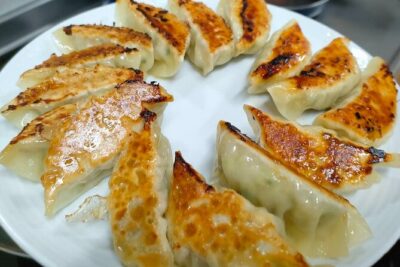
Then comes Yokohama Chinatown for about 1.5 hours. This is one of the stops where you get freedom inside a structured day. You can shop, browse, and eat—if you want to turn your sightseeing into a full meal plan.
Practical advice:
- Don’t try to do everything in 90 minutes. Pick a direction and walk.
- If you’re hungry, this is the best time to handle it because the day is otherwise temple-and-sight heavy.
Also, meals aren’t included, so Chinatown is where you can spend that money in a way that feels fun instead of obligatory.
Shin-Yokohama Ramen Museum: a playful break from sightseeing
Next is Shin-Yokohama Ramen Museum for about 1 hour. This stop adds an “eat and look” energy that balances the earlier religious sites. It’s also a good checkpoint in the schedule: by this point you’re likely tired, and a themed museum can reset you mentally.
Because entrance fees aren’t included, plan for that cost separately. Still, it’s an easy way to turn a long day into something more memorable than just more streets and temples.
Minato Mirai and the 296m Landmark Tower: modern Japan, waterfront mood
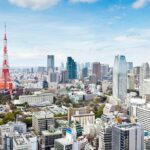
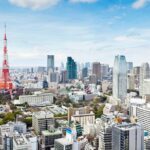
Finally you reach Minato Mirai—Yokohama’s seaside district—and you’ll see the 296m Landmark Tower. This is your “modern Japan contrast” moment. Kamakura tends to feel tucked in and spiritual; Minato Mirai feels built for the present, with wide views and a sense of space.
There’s also a 30-minute free time window near the end. Use it wisely:
- If it’s a clear day, spend the extra minutes looking out rather than hunting for one last photo
- If you need a caffeine reset, this is where you’ll find a place without burning daylight
Because the day is about 10 hours total, including commuting, you don’t want to blow your final minutes scrambling.
The guide and the pacing: why private format matters
The tour runs with a live guide in English and Japanese, plus a bilingual chauffeur. That combo is what keeps this day from feeling like a list of stops. A good guide helps you know what you’re looking at, and when to slow down.
In past experiences attached to this tour, guides have been named like Kasim Ali and Qesm Ali, and their groups praised safe driving, clear explanations, and a pace that didn’t feel rushed. I can’t promise the same guide for your dates, but the point is: the format is designed for an informed day, not just transportation.
Pacing is also part of value here. Many stops are about an hour, and that’s enough time to see and absorb without feeling like you’re in a sprint. It’s also long enough that you don’t just glance and move on.
Price: is $474 per group up to 6 a good deal?
At $474 per group up to 6, you’re paying for a private vehicle with hotel pickup and drop-off, a bilingual guide/chauffeur, and water bottles. If you split the cost among multiple people, it can become very reasonable compared with buying separate transport and paying for guided help one stop at a time.
Where the math changes:
- Meals and entrance fees are not included, so your total spending will depend on what you eat and which sights require tickets.
- You’ll also be doing a lot of walking, so if anyone in your group struggles with mobility, you might need a different plan. This tour is not suitable for wheelchair users, and it’s also listed as not suitable for pregnant women.
Still, if your goal is “highlight-packed but not stressful,” private day trips are often the cheapest way to buy time. You’re buying a clean route, not just seats in a car.
What to bring so the day feels easy
You’ll walk, and you’ll likely stand around for photos. Come prepared:
- Comfortable shoes
- Hat
- Camera
- Sunscreen
And one smart move: wear layers. Tokyo-to-coast weather can shift, and temples and gardens often mean you’ll move from sunny paths into shaded areas.
Who this tour fits best
This is a great choice if you:
- Want one organized day that mixes Kamakura’s temples with Yokohama’s waterfront
- Prefer private pacing over rigid group tours
- Like a day that includes both major icons (the Great Buddha) and variety (Chinatown, ramen museum, and Minato Mirai)
It’s less ideal if you:
- Need wheelchair-accessible routing
- Want a mostly hands-off day with little walking
- Are traveling when the garden season is a weaker match for your tastes (especially if you’re visiting around winter)
Should you book this Kamakura and Yokohama private day trip?
I’d book it if you want a clean, guided day that covers the classics without dragging you through complicated transit. The Great Buddha at Kōtoku-in, Hase-dera, Tsurugaoka Hachimangu, the Hokokuji bamboo forest, and Minato Mirai with Landmark Tower give you strong visual variety in just one day. Add Sankeien Garden for a preserved-home contrast, plus Chinatown and the Shin-Yokohama Ramen Museum to keep it fun.
If your dates land in a season when Sankeien feels less impressive to you personally, go anyway but adjust expectations: aim for atmosphere, not peak garden spectacle. And if your group is sensitive to walking, don’t assume you can modify the route—this one is listed as not suitable for wheelchair users and pregnant travelers.
If that all sounds aligned with how you like to travel, this is a high-value way to see two major coastal towns from Tokyo with less friction.
FAQ
What’s the duration of the Kamakura and Yokohama private day trip?
The tour is approximately 10 hours, including commuting time.
Does the tour include hotel pickup and drop-off in Tokyo?
Yes. Pickup and drop-off in Tokyo are included.
Are meals included?
No. Meals are not included.
Are entrance fees included for the stops?
No. Entrance fees are not included.
What languages are available for the guide?
The live guide is available in English and Japanese.
Is this tour suitable for wheelchair users?
No. It’s not suitable for wheelchair users.