REVIEW · TOKYO
10 kinds Sake Tasting Experience in Tsukiji with local!!
Book on Viator →Operated by nomuno · Bookable on Viator
Sake tastes better when someone explains it. In Tokyo’s Tsukiji area, this private 90-minute tasting pairs guided learning with real sips, so you can tell Junmai from the rest, not just memorize names. I like the hands-on flow (about 10 varieties, sometimes 11) and the chance to ask questions on the spot, and I especially liked how the guide uses clear sheets while you sample. One drawback: the start spot can be a little hard to locate if you arrive late or only glance at the address.
You’ll meet near a wagyu yakiniku and sake spot, so the vibe is casual, not museum-quiet. I also like that it’s built for language gaps, with a local host who can keep the conversation moving even if your Japanese is basic. If you’re the type who wants a party atmosphere or zero structure, this may feel more like a friendly lesson than a night out.
In This Review
- Quick hits before you go
- Ten Sakes, One Simple Lesson Plan
- Where You Start Near Tsukiji and How to Not Get Lost
- How the Tasting Actually Feels: Etiquette, Small Notes, and Real Conversation
- Junmai, Daiginjo, and Other Labels You’ll Stop Guessing
- From Region to Region: Noticing Japan’s Sake Geography
- Snacking Your Way Through 10 Sips: Nuts, Soy, and Calm Between Courses
- Chef-Credibility: Why Nomuno Matters in the Room
- Price, Timing, and Whether $62.40 Feels Fair
- Who This Works Best For (and Who Should Skip It)
- Should You Book It?
- FAQ
- How long is the sake tasting experience?
- How many types of sake will I taste?
- Is this a private tour?
- Are snacks included?
- What kind of ticket will I receive?
- Can I cancel and get a full refund?
Quick hits before you go
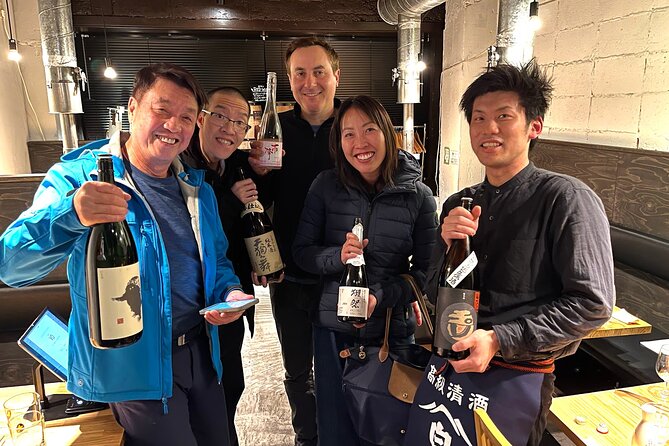
- About 10 (sometimes 11) sake tastings in 90 minutes: enough variety to notice patterns without turning it into a marathon.
- Junmai / Daiginjo labels made practical: you learn what the categories mean and how to read them while tasting.
- Etiquette and drinking basics included: you don’t just sip; you learn how sake is meant to be handled.
- Snacks between pours: nuts and soybeans, plus additional small snacks help you reset.
- Chef-led private session with handouts: my guide Matsu-style explanations come with sheets you can keep.
Ten Sakes, One Simple Lesson Plan
This experience is built around a straightforward idea: tasting teaches faster than reading. Over about 1 hour 30 minutes, you sample roughly 10 different sake types, guided step by step, so you can compare styles back-to-back instead of guessing later.
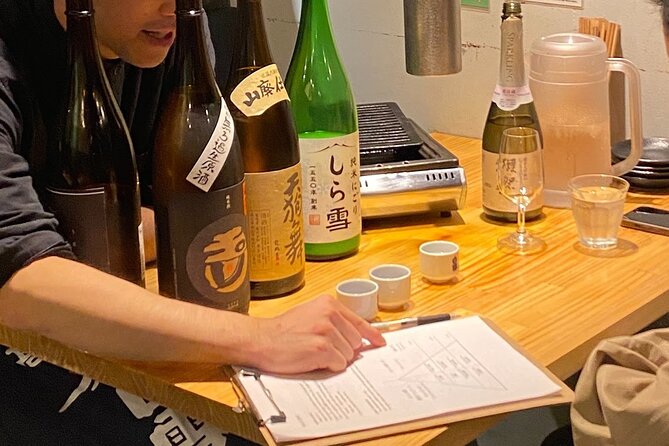
You start with the basics: how to drink sake, plus core etiquette. Then you move into the big “why it tastes different” topics, like quality classifications such as Junmai / Daiginjo and what those labels are pointing to.
A bonus that matters: the pacing is set up for learning, not just drinking. Several sips can blur together in Tokyo, so this structure helps your palate stay alert and your brain stay organized.
You can also read our reviews of more food & drink experiences in Tokyo



Where You Start Near Tsukiji and How to Not Get Lost
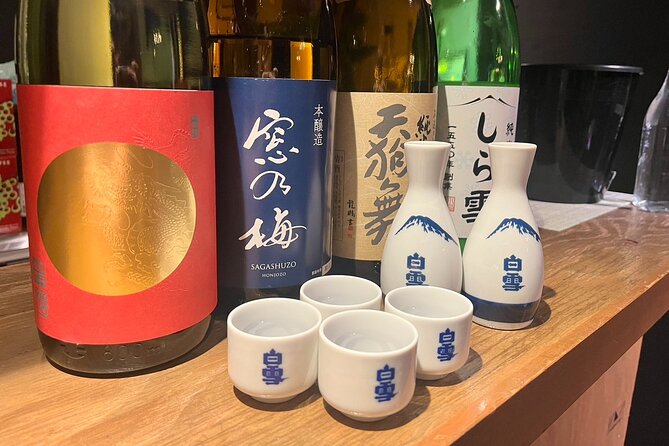
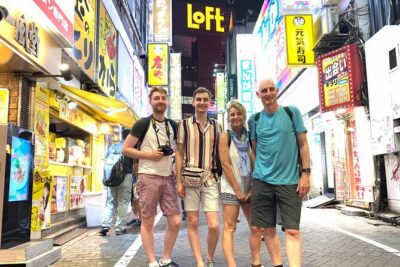
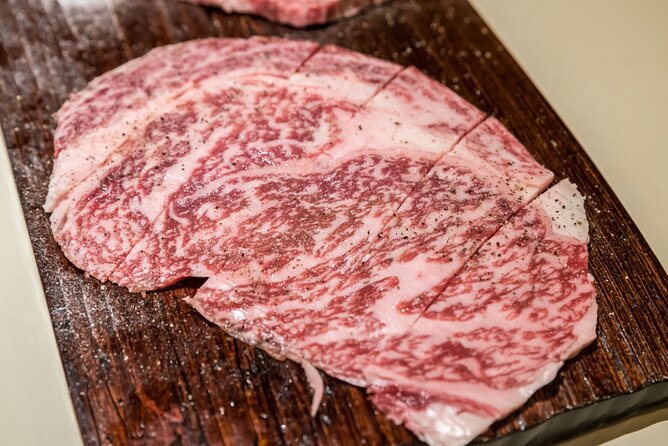
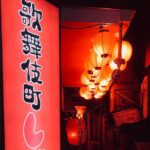
You begin at Wagyu Yakiniku & Sake all-you-can-drink Niku-no-Himalaya to nomuno, 2-chōme-13-2 Shintomi, Chuo City, Tokyo 104-0041, Japan, and the session ends back there. It’s near public transportation, which is a real plus in this part of the city.
That said, one practical heads-up: the meeting spot can be tricky to spot. Plan to arrive a bit early, or you’ll waste time circling while your guide is waiting.
Because it’s a private experience, you won’t share your group space with strangers. That makes it easier to find your guide and get comfortable quickly.
How the Tasting Actually Feels: Etiquette, Small Notes, and Real Conversation
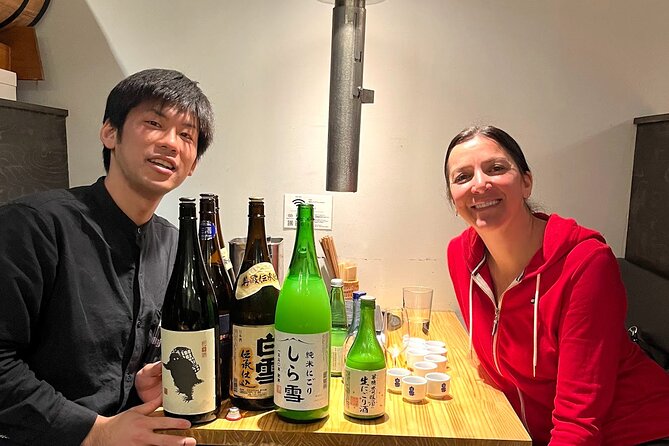
This isn’t a lecture where you nod and hope. It’s a relaxed, informal tasting where you can ask questions as you go. The host’s English level is a big part of the experience, and several write-ups highlight strong communication.
You’ll get handouts and simple written materials, which makes a difference. When you leave with a few sheets in your pocket, you can compare what you tasted to the categories later when you shop for bottles (or when you’re staring at labels in a store).
One more detail worth taking seriously: pacing. A couple of participants specifically suggested you go slower than you think you need to, because once the tastings start, it’s easy to overshoot your comfort level.
Junmai, Daiginjo, and Other Labels You’ll Stop Guessing
Quality categories are where a lot of people get stuck. Terms like Junmai and Daiginjo sound like marketing until someone ties them to what’s in your glass.
In this session, you learn the difference between sake quality classifications and you taste those differences directly. So instead of memorizing, you’re building a mental map: label category first, then taste comparison second.
If you’ve ever bought a bottle based on a pretty label, this is the antidote. You’ll come away with clearer instincts about what each category tends to communicate in flavor and style, even if your Japanese reading is limited.
From Region to Region: Noticing Japan’s Sake Geography
The session also covers how sake differs by where it’s made across Japan. That matters because sake can reflect local tastes, brewing approaches, and regional preferences.
What I like about this part is that it gives you a lens. You’re not just tasting to get drunk on variety; you’re tasting to learn a pattern: how changes in origin can show up in the glass.
Because you taste multiple styles in one sitting, you’re more likely to notice those region-to-region contrasts than if you tried to compare bottles at different times of day.
You can also read our reviews of more drinking tours in Tokyo


Snacking Your Way Through 10 Sips: Nuts, Soy, and Calm Between Courses
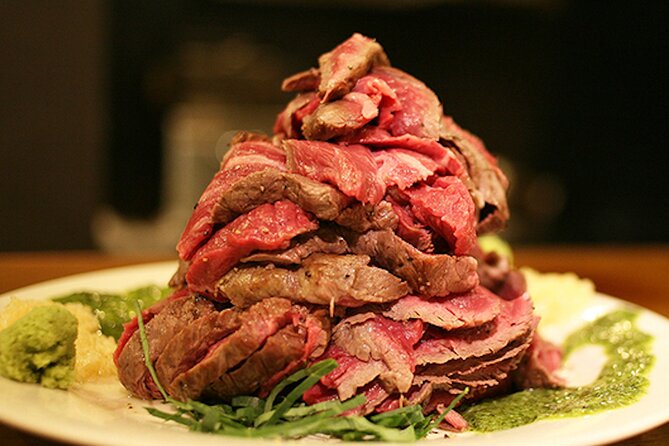
Most tastings either treat food as an afterthought or ignore it entirely. Here, you get snacks alongside the pours.
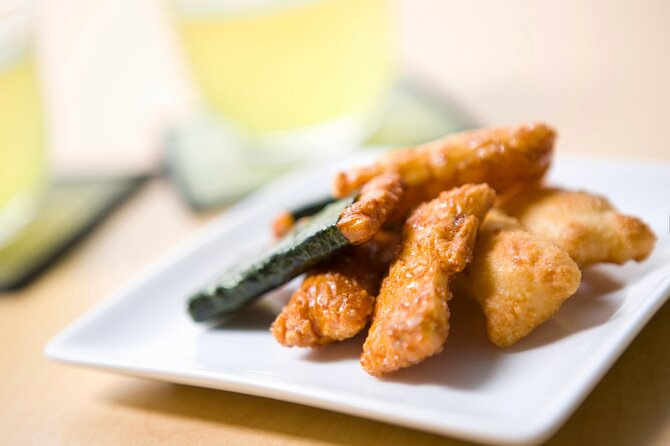
Expect small bites like nuts and soybeans, plus additional snack items during the session. That’s not just for comfort; it’s practical. Between sips, your palate stays clearer, and the overall pace feels easier.
If you’re planning this around other Tsukiji sightseeing, think of it as a smart “bridge meal.” You’re getting a guided drink experience, but you’re not going completely empty into the next stop.
Chef-Credibility: Why Nomuno Matters in the Room
The experience is run by a local provider called nomuno. Several write-ups mention the guide is a chef at Nomuno, and that chef mindset comes through in the tone: practical, food-leaning, and focused on how sake fits into daily Japanese eating and drinking.
That matters for you because a chef-style explanation often stays anchored in real taste. Instead of long background stories, you get attention on the things you can actually notice while tasting.
Also, the guide’s style seems built for real conversation. If you want to talk about how sake is served, what etiquette looks like, or how to approach labels later, this format tends to support that.
Price, Timing, and Whether $62.40 Feels Fair
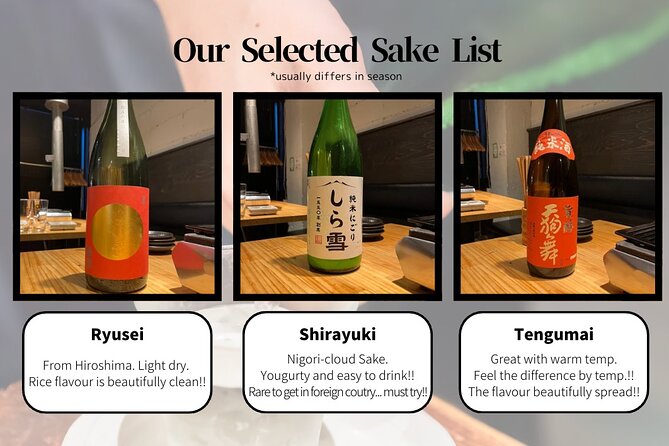
At $62.40 per person for about 90 minutes, you’re paying for structure: a private host, about 10 tastings, and snacks plus written materials. You’re also paying for the part that’s hard to DIY—context.
If you tried to build this yourself, you’d run into problems quickly:
- you might taste 2–3 bottles and still feel lost on labels
- you’d struggle to compare styles in a logical order
- you’d miss the etiquette and the “how to drink” basics
The value is strongest if you want more than just a bar crawl. This is for people who like learning while doing, and who enjoy asking questions.
Timing is another small advantage. The average booking window is about 27 days in advance, which suggests this slot fills. If your trip dates are fixed, I’d book early rather than “maybe later.”
Who This Works Best For (and Who Should Skip It)
I think this is a strong choice if you’re a food-focused traveler who wants to understand sake rather than just sample it. You’ll likely enjoy it if you’re curious about brewing methods at a basic level, drinking etiquette, and the labels you see in shops.
It can also be a good option if your Japanese is limited. The experience is designed so the guide can help with language barriers and keep the conversation going.
On the other hand, if you’re looking for a loud, party-style night with no teaching and no structure, you might find the format too educational. This is relaxed, yes, but it’s still a guided tasting built around learning.
Should You Book It?
Book it if you want a clear, friendly way to understand sake categories and taste regional differences in one short session. The private format, the handouts, and the snacks (including nuts and soybeans) make it feel like you’re getting real value rather than paying for random sips.
If you’re sensitive to spending time finding a location, do yourself a favor and arrive early. That’s the main practical risk I’d plan around, since the start point can be a little hard to spot.
If you want the best outcome, go in curious and pace yourself. This is one of those experiences where your brain stays sharp, your palate stays clear, and you leave with usable knowledge—not just a buzz.
FAQ
How long is the sake tasting experience?
It lasts about 1 hour 30 minutes.
How many types of sake will I taste?
You’ll taste around 10 varieties. One write-up mentioned tasting 11.
Is this a private tour?
Yes. It’s a private experience, so only your group participates.
Are snacks included?
Yes. Snacks are included, including nuts and soybeans, plus other snack items.
What kind of ticket will I receive?
You get a mobile ticket.
Can I cancel and get a full refund?
Yes. Free cancellation is available up to 24 hours before the experience starts for a full refund.