REVIEW · TOKYO
Tokyo Castle, Imperial Palace, Shogun & Garden Walking Tour
Book on Viator →Operated by Sunrise Adventure · Bookable on Viator
Tokyo’s Imperial Palace, minus the confusion. This small-group stroll through the East Gardens turns a huge, sometimes-maddening site into a clear story of Edo Castle, shogun power, and the parts of Tokyo that still show the past.
I love the guide-led context that makes what you see make sense, from the Ōtemon Gate area to the surviving structures of the old fortress. I also love the photo stops your guide points out, so you’re not just wandering. The only real drawback: you do not get into the Inner Palace buildings, so expect gardens, gates, and stone instead of palace interiors.
In This Review
- Key highlights to know before you go
- Imperial Palace East Gardens: worth it even when the buildings are gone
- Where the tour starts: Starbucks at Wadakura Fountain Park
- Walking to Ōtemon Gate: how the main entrance sets the tone
- What to watch for
- Guardhouse ruins: the quiet details that explain power
- Ninomaru Garden: koi, calm paths, and photo angles
- Photo spots that save you time
- Why a guide changes everything at the Imperial Palace
- Pace, weather, and what to wear for this 2-hour route
- Tickets, money, and value: is $31.84 a fair deal?
- Who should book this Imperial Palace East Gardens walking tour
- Should you book it or skip it?
- FAQ
- How long is the Tokyo Castle, Imperial Palace, Shogun & Garden Walking Tour?
- Where does the tour start?
- What parts of the Imperial Palace are included?
- Is admission included?
- What is the group size limit?
- Do I need a special dress code?
- Is this tour good for beginners or people who do not know Tokyo well?
- What ticket method do I use?
- What happens if the weather is bad?
- Can I cancel for free?
Key highlights to know before you go
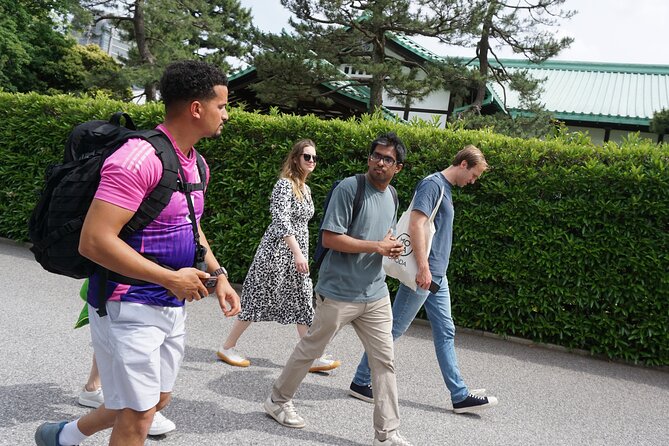
- Small group size (about 10, framed as up to 15) keeps the pace calm and questions easy
- Ōtemon Gate, guardhouse ruins, and Ninomaru Garden are the core sights
- Shogun-era to modern Tokyo explanations help you connect the dots
- Great photo guidance so you know where the best angles are
- No dress code and tattoos welcome
- Mobile ticket makes check-in simple
Imperial Palace East Gardens: worth it even when the buildings are gone
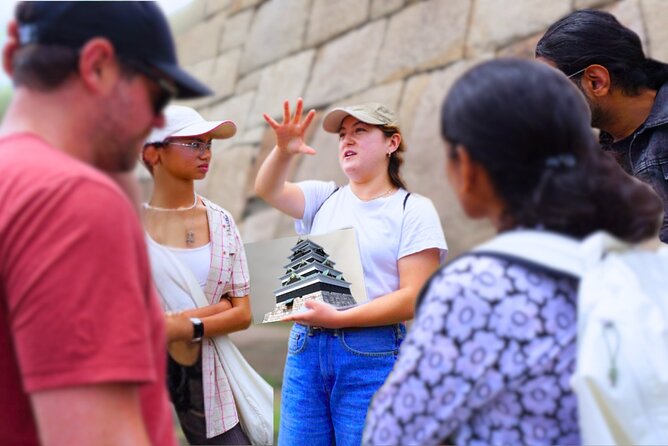
The Imperial Palace grounds cover a lot of ground, and it can feel oddly “empty” if you expect a full museum of rebuilt palaces. That’s exactly why this tour works. You get a guided walk through the parts the public can access, plus the historical thread to make them meaningful.
You’re walking in the space tied to Edo Castle, the seat of shogun rule for centuries. Even though the palace buildings that people picture are not part of what visitors can enter, you still get to experience the scale, the layout, and the garden design choices that carried power and status. The stories your guide shares help you visualize what once stood where you’re standing now.
You can also read our reviews of more walking tours in Tokyo



Where the tour starts: Starbucks at Wadakura Fountain Park
Meeting point matters in Tokyo, and this one is refreshingly straightforward. You meet at Starbucks Coffee in Kokyo Gaien Wadakura Fountain Park (3-1 Kōkyogaien, Chiyoda City). It’s an easy landmark, and the tour ends back at the same meeting point.
The practical win here is time. Instead of fumbling with maps and entrances, you get a guide to get you moving in the right direction from the start. That matters at the Imperial Palace, because it’s big and split into areas.
Walking to Ōtemon Gate: how the main entrance sets the tone

The first stretch is part orientation, part storytelling. You’ll walk toward the grand main gate area, called Ōtemon. This is where the tour really starts to pay off, because you’re not just seeing a gate—you’re learning what it meant in the system of control for Edo Castle.
As you approach, your guide will help you understand the why behind the placement and the defenses. One review specifically called out practical explanations of castle defenses as a fun bonus if you ever daydream about being under siege someday. Even without that humor, the message is clear: gates like this weren’t decorative. They were checkpoints in a much bigger machine.
What to watch for
Take a slow lap with your eyes. Look at sightlines from the gate area and how the grounds guide movement. With a guide, you start noticing the logic—where people would have been filtered, slowed, or redirected.
Guardhouse ruins: the quiet details that explain power
After Ōtemon, the tour focuses on the guardhouse ruins and related areas on the grounds. This is the part that can feel underwhelming if you’re expecting walls and towers everywhere. But with context, these “small” remains become the point.
You learn how the shogun-era system relied on layered security. You’re also getting a reminder that Tokyo’s modern leadership structures grew out of older governance setups. That connection—Edo-era organization to modern Tokyo’s center of authority—is a theme several guides handle well.
Guides like Natsumi and Nico have been praised for making these details click, including how the placement connects to broader Edo history. If you like history that feels practical instead of textbook-like, this section will land.






Ninomaru Garden: koi, calm paths, and photo angles
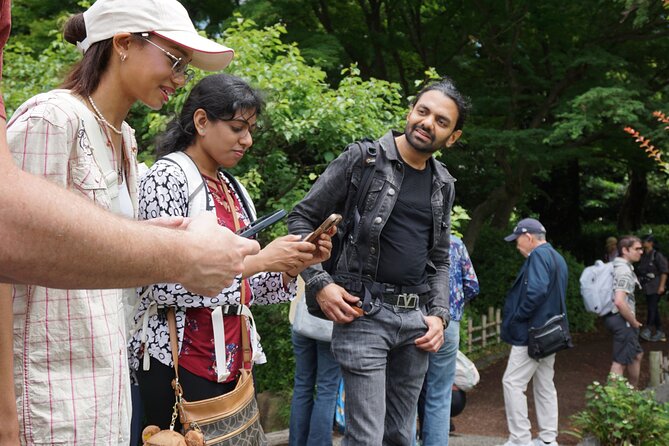
Then comes the garden part: Ninomaru Garden. This is where the tour shifts from fortress logic to the softer side of power—beauty that still serves status and function.
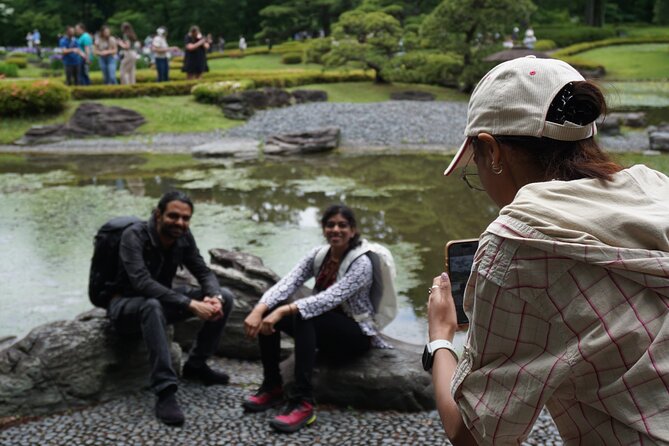
If you love gardens, you’ll likely appreciate how peaceful the walking feels compared with central Tokyo streets. One review highlighted that the gardens were lush, with koi visible, and that the guide helped the group notice the history behind the design instead of just pass by greenery.
Photo spots that save you time
One of the most repeated strengths is that your guide knows where to stand for good photos. That’s not just about scenery. It’s about getting composition without blocking traffic or ending up in a bad angle where fences, crowds, or awkward sightlines ruin the shot. If photography matters to you, ask your guide early in the walk where the best spots are, because they often work in sequence with the route.
Why a guide changes everything at the Imperial Palace
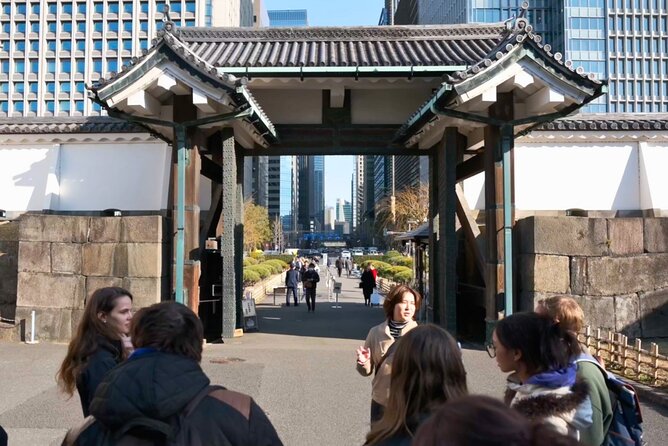
You can wander the East Gardens on your own. But the problem is scale plus story. The Imperial Palace site is huge, and it can be tempting to walk without knowing what you’re looking at. That’s when the “I’m here, but I don’t get it” feeling hits.
A good guide solves that. People have praised multiple guides for clear English, friendly teaching, and answering lots of questions without rushing. Mika is specifically mentioned for keeping families engaged with Japanese historical references, including when touring with kids. Lakki has been noted for engaging explanations that made even a rainy morning fun. Natsumi and Nicolas/Nicola are repeatedly highlighted for turning garden views into Edo-to-modern connections.
If you tend to speed-read signs and then forget everything, this type of guided walk is a strong use of your time.
Pace, weather, and what to wear for this 2-hour route
The tour is about 2 hours, and it’s designed for a relaxed walking pace with time for questions and photos. Still, it’s outdoors. The Imperial Palace grounds are open-air, and one review warned that the site feels huge, so hot summer or cold winter days can be tougher if you show up unprepared.
Practical advice:
- Wear comfortable shoes. You’ll be on your feet for a couple hours.
- Bring a layer. Even in comfortable seasons, gardens can feel cooler or breezier.
- If it’s rainy, you’re not automatically out of luck. A rainy day didn’t spoil the experience for at least one group, and the guide kept the history flowing.
The operator also notes that this experience requires good weather. If weather turns poor, you’ll be offered another date or a full refund, so check your confirmation details close to your start time.
Tickets, money, and value: is $31.84 a fair deal?

At $31.84 per person for about 2 hours, the price isn’t budget travel, but it also isn’t tour-industry inflation for a five-minute photo stop. You’re paying for three things that matter:
- A guide who explains what’s behind the gates and gardens.
- A small group that helps the pace stay human.
- Route efficiency so you don’t waste time circling large grounds with no plan.
Also, admission to what you’re visiting is free (you’re not buying entry into a museum ticket). That means the money goes toward the guiding and the experience design.
Is it worth it for first-timers in Tokyo? Often yes—especially if you want to understand how shogun and emperor power shaped the capital. But if you’re the type who only cares about “grand palace interiors” and expects a lot of restored buildings, you might feel the gap between expectations and reality.
Who should book this Imperial Palace East Gardens walking tour
This is a great match if:
- You like history explanations tied to real places.
- You want a calm walk with time to ask questions.
- You want someone to handle navigation and help you avoid getting lost.
- You’re traveling with kids or teens who benefit from an energetic, reference-rich guide approach.
It’s less ideal if:
- You’re mainly after the ability to tour the palace buildings themselves. The Inner Palace access is not part of this experience because it’s not open to the public.
No dress code helps too. Tattoos are welcome, which makes it easier if you’re traveling from countries where tattoo-friendly experiences are rare.
Should you book it or skip it?
I’d book this tour if you want the Imperial Palace site to make sense beyond photos. The East Gardens and nearby areas are not just scenery—they’re a map of Edo Castle’s footprint and a doorway into how shogun-era governance influenced what Tokyo became.
I’d consider skipping if you’re holding out for full access to palace interiors. This tour is built for the grounds that are accessible, and its value is the guide’s storytelling plus the walk through Ōtemon, guardhouse ruins, and Ninomaru Garden.
FAQ
How long is the Tokyo Castle, Imperial Palace, Shogun & Garden Walking Tour?
It lasts about 2 hours.
Where does the tour start?
You meet at Starbucks Coffee – Kokyo Gaien Wadakura Fountain Park, 3-1 Kōkyogaien, Chiyoda City, Tokyo 100-0002.
What parts of the Imperial Palace are included?
The tour focuses on the Eastern Gardens of the Imperial Palace grounds and includes the Ōtemon Gate, guardhouse ruins, and Ninomaru Garden. It does not include access to the Inner Palace buildings.
Is admission included?
Admission is listed as free for this activity.
What is the group size limit?
The tour is described as a small group. The overview mentions a limit of just fifteen travelers, and additional info lists a maximum of 10 travelers.
Do I need a special dress code?
No dress code is required, and tattoos are welcome.
Is this tour good for beginners or people who do not know Tokyo well?
Yes. The tour is designed to help you get oriented so you do not have to figure out where to go on your own.
What ticket method do I use?
You receive a mobile ticket.
What happens if the weather is bad?
The experience requires good weather. If it’s canceled due to poor weather, you’ll be offered a different date or a full refund.
Can I cancel for free?
Yes, there is free cancellation. You can cancel up to 24 hours in advance for a full refund.