REVIEW · TOKYO
Best Sushi Making Class in Tokyo: Sushi Making Class Shibuya
Book on Viator →Operated by Tokyo Sushi Experience · Bookable on Viator
Sushi secrets, taught in Shibuya. This class is a hands-on sushi workshop where you make both a California roll and classic nigiri, then sit down and eat what you shaped. The format stays small-group (max 14), and the staff includes friendly instructors like Kaito, which makes the whole thing feel welcoming instead of rushed.
The main thing to weigh is value: it’s priced like an experience, not like a food-buying bargain. In particular, a few people felt the session structure could be a bit scripted and the start time wasn’t always perfectly smooth—so if you want pure freestyle fun, go with realistic expectations.
In This Review
- Key things to know before you go
- Entering Nanpeidaichō: Your Shibuya Sushi Classroom
- The Sushi Quiz Warm-Up: Learning While You Gear Up
- California Roll Station: A Practical First Win
- Nigiri Practice: Shaping Rice Into the Real Deal
- Sitting Down to Eat What You Made
- Dietary Options: Vegan, Vegetarian, and Halal on Request
- Price and Value for a Tokyo Sushi Workshop
- What the Small Group Format Changes
- Logistics That Actually Matter in Tokyo
- Who Should Book This Sushi Making Class
- Quick Tips so Your Sushi Comes Out Better
- Should You Book Sushi Making Class Shibuya?
- FAQ
- How long is the Sushi Making Class in Shibuya?
- Where is the meeting point for the class?
- What sushi will I learn to make?
- Is there a limit on group size?
- Do I eat the sushi I make during the class?
- Are vegan, vegetarian, or halal options available?
- What’s included in the price?
- Is transportation included?
- Can I cancel for a full refund?
Key things to know before you go
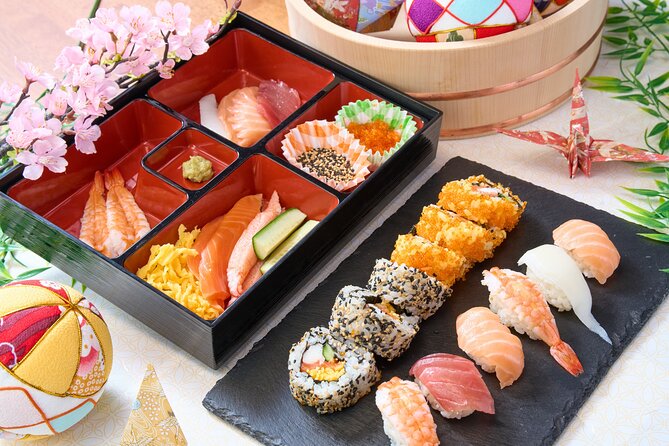
- Small group (max 14): more hands-on help and less standing around
- Two sushi styles: California rolls first, then nigiri shaping practice
- Sushi quiz warm-up: a quick history/knowledge check before you start rolling
- You eat at the end: no long wait with only training rice in your stomach
- Dietary requests possible: vegan, vegetarian, and halal options are available on request
- Tokyo convenience: near public transportation, with a mobile ticket for check-in
Entering Nanpeidaichō: Your Shibuya Sushi Classroom
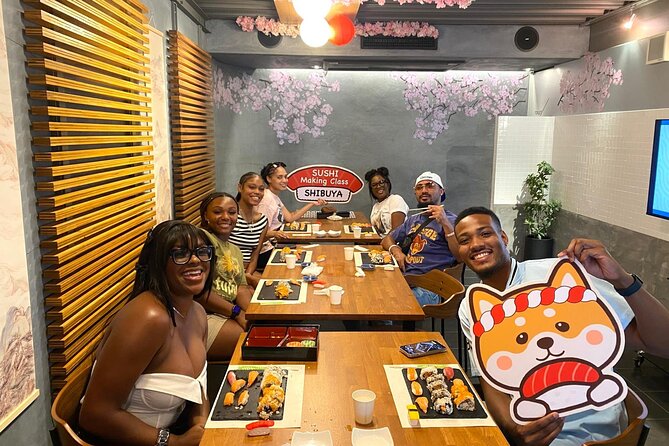
Your class starts in Shibuya, in the Nanpeidaichō area, at Japan, 150-0036 Tokyo, Shibuya, Nanpeidaichō, 25 A-bandsビル. Expect a straightforward arrival: staff welcomes you, confirms your reservation, and guides you through the basics before you touch food—like washing your hands.
That small pre-step matters more than it sounds. Sushi is all about cleanliness and temperature control, and learning it properly starts with good habits. You’ll also get oriented to the workspace quickly, which helps if you’re doing this early in your trip and just getting your bearings in Tokyo.
Since it’s near public transport, you won’t be stuck coordinating taxis or private transfers. And the activity ends back at the meeting point, so you’re not planning extra time for “getting home later.”
You can also read our reviews of more tours and experiences in Tokyo


The Sushi Quiz Warm-Up: Learning While You Gear Up
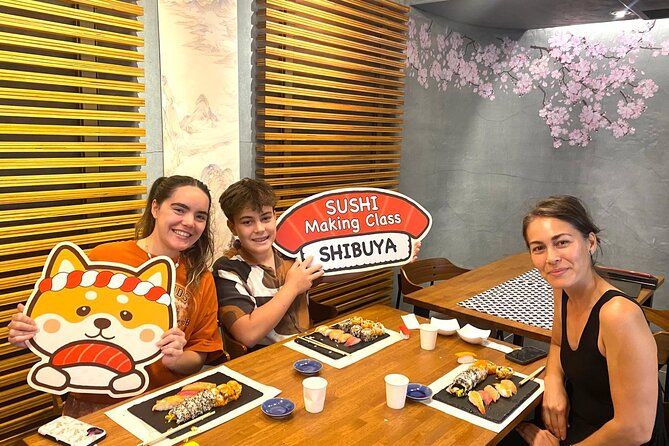
Before you start rolling, you’ll do a short sushi quiz focused on the history of sushi and some surprising facts. It’s not a long lecture. It’s a quick way to get your brain switched on and your group talking.
I like this kind of warm-up because it changes the whole tone of the class. When you’re later shaping nigiri or building a roll, you’re not only copying movements—you’re connecting them to what makes sushi sushi. You’ll also get a break from the nerves of trying something new. You learn first, then practice.
If you’re bringing kids or relatives who get restless, this quiz segment often acts like a mental reset. It gives everyone a shared starting point.
California Roll Station: A Practical First Win
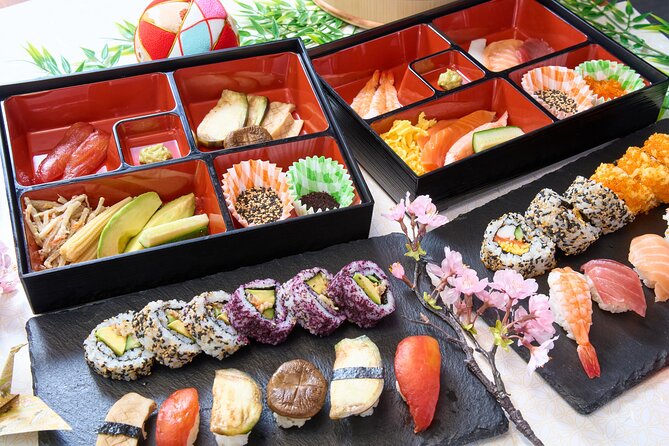
You begin with making California rolls, a modern sushi style that’s popular worldwide. The lesson here is less about impressing people with exotic ingredients and more about building confidence fast.
California rolls are a great first step because they’re structured and repeatable. You get to practice core sushi skills—how to handle rice, how to roll neatly, and how to assemble with intention—without the pressure of mastering the most delicate traditional forms immediately.
For me, this is where the class earns its “worth it” feeling. You’re not just being shown what sushi looks like. You’re actively doing the work, with staff guidance to correct small mistakes before they become bad habits.
Nigiri Practice: Shaping Rice Into the Real Deal
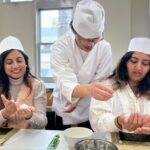
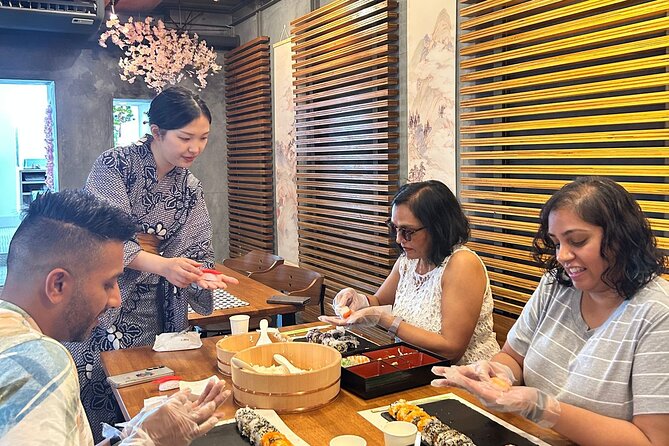
After the roll, you move into traditional nigiri. Nigiri is the iconic style where hand-shaped rice gets topped with fish or other toppings. This is the step that usually makes people say: wait, so it’s not just placing toppings?
Here’s what you can expect from the structure: you’ll see a demonstration, then the staff supports you as you shape your own pieces. Nigiri depends on feel and consistency—how tightly the rice is formed and how the topping sits on top.
Even if your nigiri ends up looking a little homemade (it will), you’ll still learn the important part: the technique. You’ll come away with a better sense of why sushi chefs work with careful pressure and balance, not just “pretty plating.”
Sitting Down to Eat What You Made
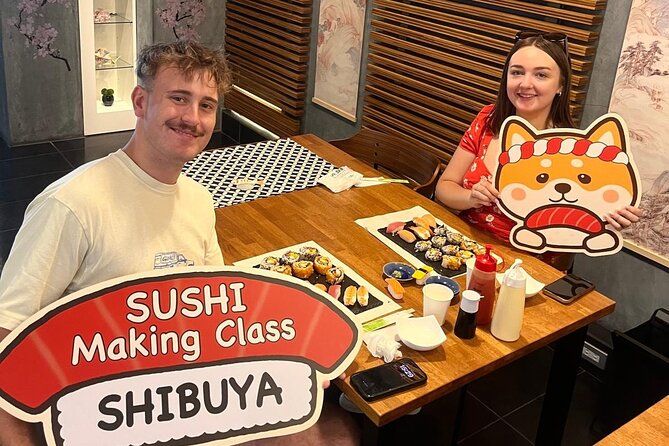
You don’t end the class starving. After you finish making your sushi, you sit down and enjoy what you created. Soy sauce, wasabi, and pickled ginger are provided, like a real sushi restaurant setup.
That “eat at the end” choice is a smart design. If you’re doing a 90-minute class, you don’t want a long gap where you’re waiting to eat until you’re already tired of thinking about rice texture. Here, you get the payoff right when your skills are fresh in your hands.
Also, the tasting turns your practice into learning. You immediately notice what tastes good, what you’d adjust next time, and which step mattered most for flavor and texture.





Dietary Options: Vegan, Vegetarian, and Halal on Request
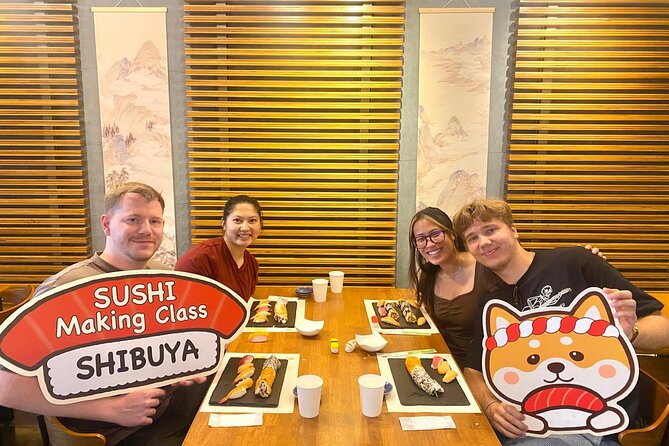
One of the most helpful notes here is that vegan, vegetarian, and halal options are available on request. That means you’re not forced into a one-size-fits-all class where some people just snack on rice.
In a practical sense, it also helps your group feel included. Instead of someone waiting while others eat, everyone can sit down with the same rhythm at the end.
If you have dietary needs, message or request them in advance so the instructors can plan what you’ll make and eat. The class is designed to handle these requests, but you still need to tell them clearly.
Price and Value for a Tokyo Sushi Workshop
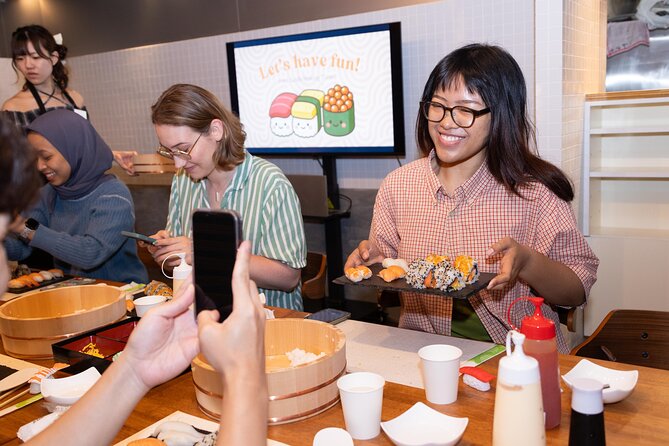
At $31.63 per person for about 1 hour 30 minutes, this sits in the “experience pricing” category. You’re paying for instruction, staff support, included meals, and the fact that you’ll actually produce sushi—not just watch it happen.
So is it a bargain? Not in the way a casual meal is. But it can be good value if you care about learning technique. The class includes meals, and it keeps the group small (max 14). More hands-on help often means you spend less time struggling and more time doing.
Still, one consideration is quantity and pacing. A few people felt the class price didn’t fully match how much food you leave with, and some noted the session can feel a bit scripted. That doesn’t mean it’s bad—it just means you should expect a structured teaching format, not a completely free-form cooking party.
My practical take: if you want to learn sushi basics you can repeat later, the price makes sense. If you mainly want to eat lots of sushi, you may prefer a restaurant experience instead.
What the Small Group Format Changes
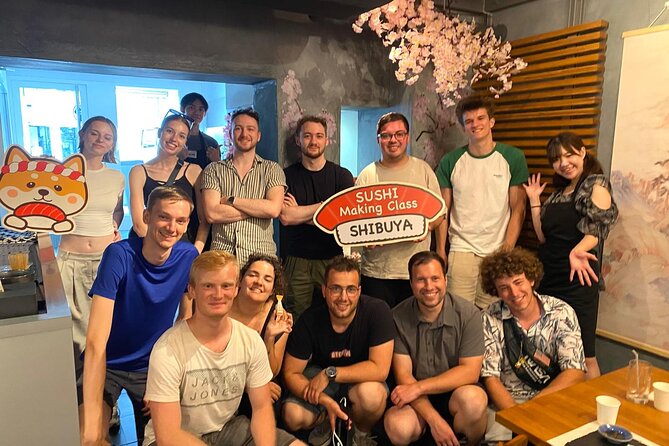
With a maximum of 14 travelers, you’re more likely to get real feedback. That matters in sushi making, because tiny technique differences can change everything—especially with nigiri shaping and roll tightness.
In classes with large groups, the instructor can be explaining while you’re guessing. Here, the staff guidance is described as warm and helpful, and the overall vibe from the feedback you’ll see tends to agree: people leave feeling supported.
That’s especially good if you’re not confident in the kitchen or your Japanese is limited. You’re learning by doing, not by decoding a long lecture.
Logistics That Actually Matter in Tokyo
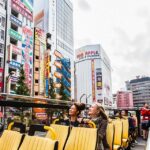
You’ll use a mobile ticket, and the class is near public transportation, so it’s relatively easy to fit into a day of Shibuya walking and snacks. You’ll also return to the meeting point at the end.
Because private transportation isn’t included, plan to use trains/buses/taxis on your schedule. The meeting location is specific, so it’s worth checking the exact address before you head out—Tokyo streets can feel confusing if you’re in a hurry.
If you like buffer time, arrive a bit early. The class starts promptly enough to move through washing hands, the warm-up, and the making steps without dragging.
Who Should Book This Sushi Making Class
This class is a strong fit if you want:
- a structured intro to sushi basics (California roll + nigiri)
- an activity that works well for families
- an end-to-end experience where you learn, make, and eat in one sitting
- options for dietary needs like vegan or halal, as long as you request them
It may be less ideal if:
- you mainly want a long, slow meal experience
- you expect lots of free conversation and very unscripted teaching
- you’re very sensitive to timing hiccups (a late start was mentioned)
Quick Tips so Your Sushi Comes Out Better
You’ll get the most out of the class if you treat it like a skill lesson, not a photo shoot:
- Listen closely during the demonstration. With sushi, one small step changes everything.
- Take the quiz warm-up seriously. It sets context you’ll feel when you eat.
- Don’t rush the rice handling. This is usually where beginners trip.
- When you sit down, taste intentionally. Notice how soy sauce and ginger work with what you made.
And if Kaito and the staff are explaining something to your table, lean in. The point is feedback while your hands are still warm.
Should You Book Sushi Making Class Shibuya?
If you want a real Tokyo hands-on experience with a clear outcome—learn California roll technique, practice nigiri shaping, then eat your work—book it. The small-group size, included meals, and staff support make it feel practical, not just theatrical. Plus, dietary options on request are a big win for group planning.
If you’re price-checking hard or you’re expecting a super free-flowing show, know what you’re buying: a structured sushi workshop that can include a quiz and teaching from prompts/video. It’s still fun and skill-building, just don’t expect it to be pure spontaneity.
If that sounds like your kind of lesson, this is an easy recommendation for a Shibuya day.
FAQ
How long is the Sushi Making Class in Shibuya?
It lasts about 1 hour 30 minutes.
Where is the meeting point for the class?
The meeting point is at Japan, 150-0036 Tokyo, Shibuya, Nanpeidaichō, 25 A-bandsビル.
What sushi will I learn to make?
You’ll make a California roll and you’ll also learn how to create traditional nigiri sushi.
Is there a limit on group size?
Yes. The class has a maximum of 14 travelers.
Do I eat the sushi I make during the class?
Yes. You eat your sushi at the end of the class, and meals are included.
Are vegan, vegetarian, or halal options available?
Yes. Vegan, vegetarian, and halal options are available on request.
What’s included in the price?
Meals are included.
Is transportation included?
No. Private transportation is not included.
Can I cancel for a full refund?
Yes. Free cancellation is available up to 24 hours before the experience starts for a full refund. If you cancel less than 24 hours before, the amount paid will not be refunded.