REVIEW · TOKYO
Tokyo: Edo Castle & East Garden of the Imperial Palace Tour
Book on GetYourGuide →Operated by gotcha Corporation · Bookable on GetYourGuide
History feels close at hand. This two-hour guided walk through the East Gardens connects Edo-era power to today’s calm, with standout moments like the famous koi fish viewing. I also love how the guide makes the site make sense fast, turning confusing walls, gates, and sightlines into clear stories you can actually follow. One consideration: the tour stays on public grounds and does not enter the Imperial Palace itself, so if you came hoping for interior access, you’ll feel limited.
You meet your guide at Wadakura Fountain Park (look for the sign that says Gotcha), and you’ll get a paced, easy stroll with English narration. Plan for on-site baggage inspection once you enter the Imperial Palace grounds, and note the East Garden is closed on Mondays and Fridays.
In This Review
- Key highlights I’d block on your Tokyo plan
- Why this Imperial Palace East Gardens walk hits different
- Getting oriented: Wadakura Fountain Park and your guide with Gotcha
- East Gardens: walking the Edo Castle footprint (without going inside)
- The shogun-and-emperor stories you’ll actually remember
- The koi fish highlight: the moment that sells itself
- Architecture and garden design: how your guide teaches you to see
- Timing, pace, and what two hours really buys you
- Who should book this Imperial Palace East Gardens tour?
- Price and value: $42 for a guide in the right place
- Should you book this Tokyo Imperial Palace East Gardens tour?
- FAQ
- Where is the tour meeting point?
- How long is the tour?
- Is this tour inside the Imperial Palace buildings?
- What days is the East Garden closed?
- Will there be baggage inspection when entering the grounds?
- What if I’m carrying weapons or items that could be used as weapons?
Key highlights I’d block on your Tokyo plan
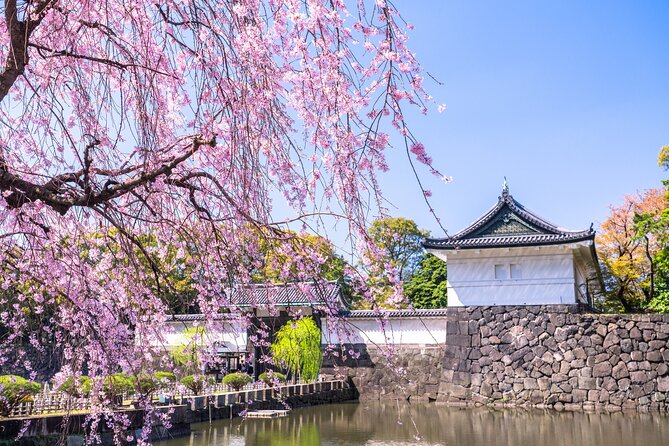
- Edo Castle grounds, explained in plain English so the space clicks quickly
- Koi fish moment you won’t want to rush past
- Slow, photo-friendly pacing with guides who help you frame shots
- Shogun vs emperor stories tied directly to what you’re seeing
- Built-for-walking garden paths that feel like a breather from the city
Why this Imperial Palace East Gardens walk hits different
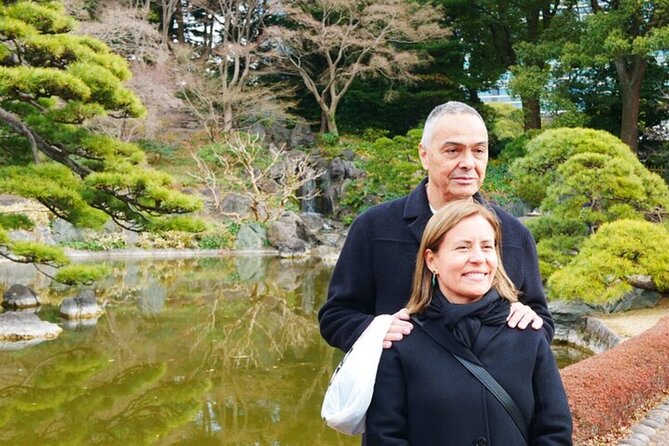
Tokyo does “history” in layers. On one street you’re in the present; a few blocks away, the ground you’re stepping on once belonged to the center of shogun rule. This tour takes that idea and makes it usable.
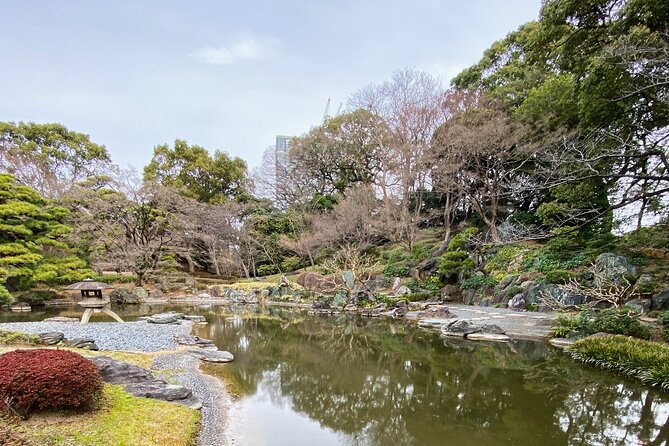
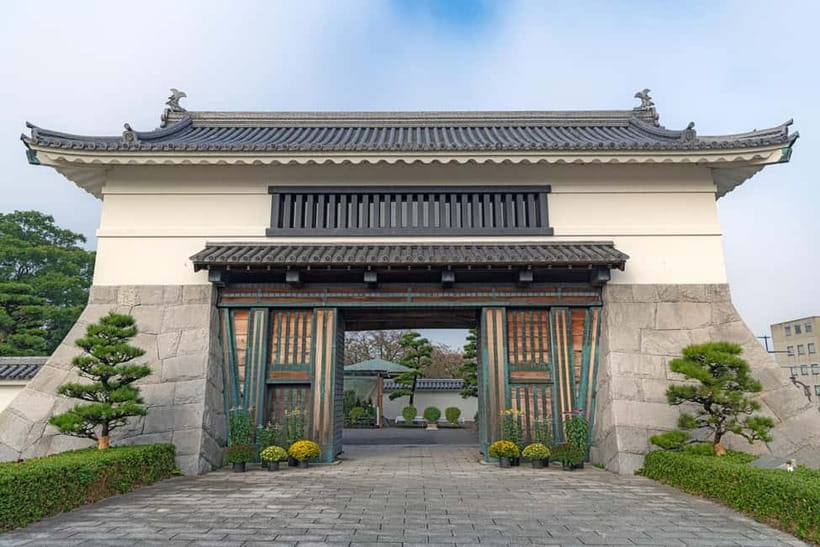
The East Gardens sit on the main grounds of Edo Castle. That’s the key. You’re not just looking at pretty greenery. You’re walking the kind of landscape layout that once mattered for politics, ceremony, and control. A good guide brings those layers to life, so you start noticing details instead of just passing through.
Two things I especially like: first, the tone. The tour is paced, not a race. You can hear the stories and still have time to look around. Second, the wow factor is built into the route. The koi fish stop is repeatedly called out as a must-see, and once you’re there you’ll see why it becomes a highlight.
You can also read our reviews of more tours and experiences in Tokyo.



Getting oriented: Wadakura Fountain Park and your guide with Gotcha
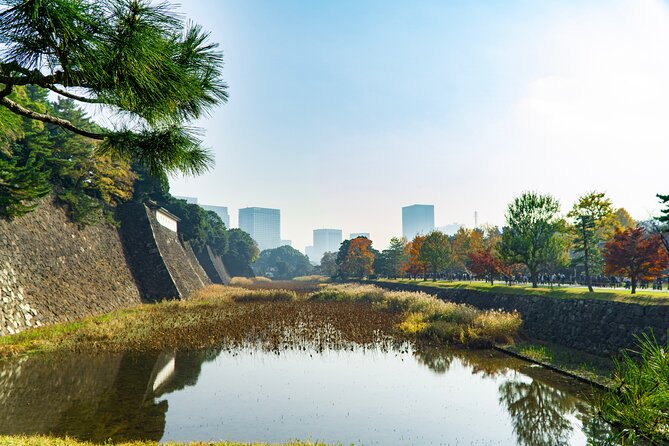
Your tour starts at Wadakura Fountain Park. Meet your guide in front of the fountain, and yes, they’ll be holding a sign that says Gotcha. That tiny detail matters more than it sounds. In a big city like Tokyo, a clear meet-up point means you avoid the stressful scatter-and-search that can eat into your morning.
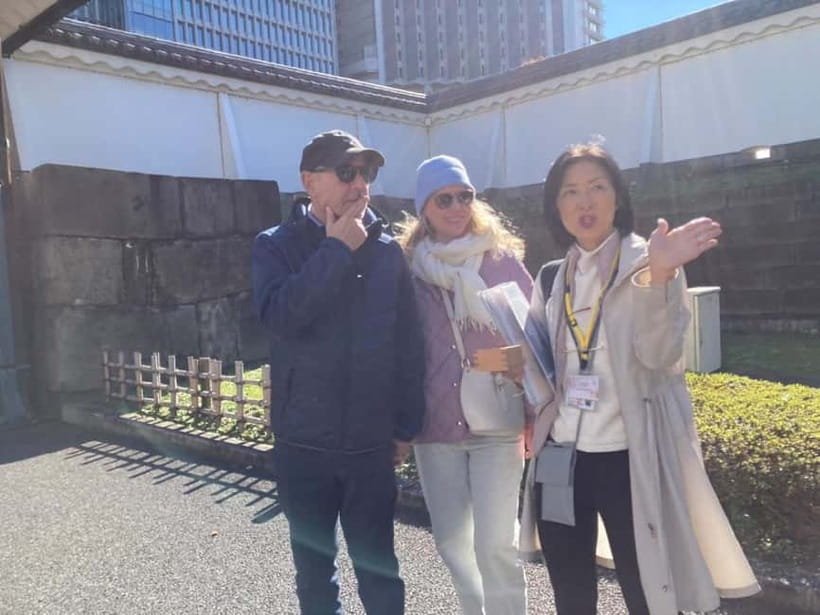
The whole experience runs on a simple rhythm: meet, walk, pause for context, then walk some more. Several guides are described as patient and helpful with taking photos, and that matches what you want in a site like this—places where small sightlines and garden design are the point.
If you’re traveling with seniors or anyone who moves slower, I like that many guides are praised for adapting to the group pace. It’s the kind of small service that makes a short tour feel relaxed instead of rushed.
East Gardens: walking the Edo Castle footprint (without going inside)
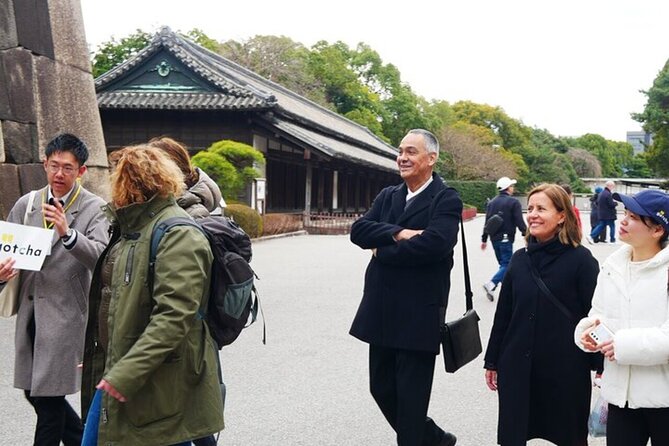
The big expectation to set early: the tour is about the East Gardens and the surrounding grounds. It does not include entering the inner Imperial Palace. That limitation can be a dealbreaker for some people, but for many it’s exactly the right way to do this stop in two hours.
Here’s why it works. The East Gardens give you the outdoors version of history—the layout, the pathways, the views, and the garden features that were shaped to be experienced slowly. When you add a guide, you stop treating the place like a postcard. You start understanding what different areas were for and why particular details mattered in Edo-era Japan.
Also, remember the garden’s operating schedule: it’s closed on Mondays and Fridays. Plan your Tokyo days with that in mind, because swapping one activity can be easier than rebuilding your whole itinerary.
Finally, once you enter the Imperial Palace grounds, you’ll be subject to a baggage inspection. That’s normal for secure sites, but it’s the kind of thing that can add time if you show up with a bunch of unprepared gear. Keep your bag situation simple so you can stay focused on the walk.
The shogun-and-emperor stories you’ll actually remember
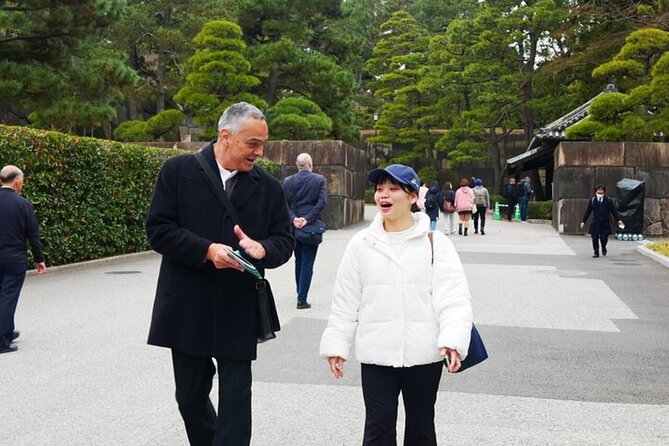
A palace or castle site can be confusing without a guide. You might spot impressive structures and then wonder: What am I looking at? Who used this? Why does the space feel the way it does?
That’s where the tour earns its keep. Guides are repeatedly praised for connecting Japanese culture and history to what you’re seeing, not just listing facts. You’ll get context about the imperial family and the shoguns, plus how Edo Castle functioned as the center of power before modern Tokyo took over.
What makes the stories land is that they’re tied to specific features around you—paths, walls, and key garden areas—so the facts stay attached to place. One theme that shows up in multiple guide styles: they use photos or visual explanations to help you picture what used to be there. That matters because so much of Edo-era architecture is not preserved in a way you can directly see. Visual aids help bridge that gap without turning the tour into a lecture.
The koi fish highlight: the moment that sells itself
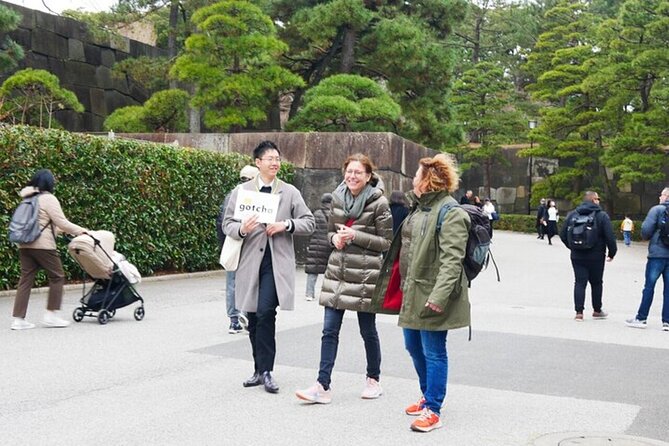
Let’s talk about the koi fish. This tour calls it out for a reason. Even if you think you’ve seen koi before, this stop tends to feel special because the setting is designed for a quieter, slower kind of viewing.
In a garden experience, koi aren’t just decoration. They become a focal point that gives you a reason to pause, look, and take in the water feature instead of rushing forward. If you like nature touches inside major cultural sites, this is one of those “worth it” moments.
Practical tip: give yourself a few extra breaths here. Don’t treat it as a quick photo checkpoint. The best part is watching how the guide frames it in context—what makes this koi viewing stand out and how the garden environment supports that feel.





Architecture and garden design: how your guide teaches you to see
This is one of those tours where the value isn’t just the facts—it’s the way the guide trains your eyes.
You’ll move through outdoor sections of the East Gardens and learn how the grounds relate back to Edo Castle. You’ll also get explanations that help you understand why certain spots feel open, why certain sightlines matter, and how garden design supports the idea of strolling and contemplation.
A detail I really appreciate from guide feedback: people mention visuals, thoughtful narration, and clear photo points. That means you’re less likely to wander around wondering where the best angles are. Instead, you get prompted toward what matters.
The best outcome is simple: you leave with a mental map. Not a perfect blueprint—just a sense of how the grounds “work,” historically and visually.
Timing, pace, and what two hours really buys you
The tour runs about two hours. That length is a sweet spot. Long enough to get meaningful context, short enough that you can fit it into a fuller Tokyo day.
Still, be honest about your preferences. A couple reviews raise a fair question: for the same money, you could do a full day trip to somewhere farther out. So if you’re chasing big variety and want lots of different major sights in a single day, this might feel too focused.
But if your priority is getting oriented at a major cultural site—and understanding what you’re looking at while you’re looking at it—two hours is a smart use of time. You’re paying for guided interpretation inside a key historical area, not for an all-day transportation marathon.
Who should book this Imperial Palace East Gardens tour?
This is a strong fit if you want:
- A calm, walkable history tour in central Tokyo
- A guide who connects Edo Castle and imperial-era stories to the physical grounds
- Photo help and clear explanations that keep the pace easy
- A compact activity that starts at Wadakura Fountain Park and finishes without fuss
You might skip it if:
- You specifically need access to the inner Imperial Palace buildings (this tour does not enter there)
- You’re only interested in checking boxes quickly without interpretation
Price and value: $42 for a guide in the right place
$42 for a two-hour guided walking tour can sound either fair or steep, depending on your style.
Here’s how I think about value:
- The gardens themselves are an area you can explore on your own, so you’re not really paying for entry.
- You are paying for a guide who points out what to notice, explains what Edo Castle was doing here, and adds context about emperors and shoguns.
- Guides are also praised for being helpful and patient, including for groups with seniors and for people who need extra care during the walk.
So the best way to judge the price is simple: if you want to understand what the grounds mean, a guide at $42 for two hours can be a bargain. If you’re happy roaming without context, you may decide to do it independently.
Should you book this Tokyo Imperial Palace East Gardens tour?
I’d book it if your goal is meaning, not just motion. The East Gardens give you a calmer side of Tokyo, and the guided storytelling turns the site into something you can follow instead of something you just look at.
Book it with extra care if your dates fall on Monday or Friday, because the garden is closed those days. And if you want inner-palace access, know up front that this isn’t that tour.
If you’re on the fence, here’s my quick rule: you’ll probably enjoy this more if you like your history explained in an easy walking format, with time to stop, look, and ask questions. The koi fish highlight alone is a decent reason to show up un-rushed.
FAQ
Where is the tour meeting point?
Meet your guide in front of the fountain of Wadakura Fountain Park. Your guide will be holding a sign that says Gotcha.
How long is the tour?
The tour lasts about 2 hours.
Is this tour inside the Imperial Palace buildings?
No. The tour does not go inside the Imperial Palace. It focuses on the East Gardens.
What days is the East Garden closed?
The East Gardens are closed on Mondays and Fridays.
Will there be baggage inspection when entering the grounds?
Yes. After entering the grounds of the Imperial Palace, visitors are subject to a baggage inspection.
What if I’m carrying weapons or items that could be used as weapons?
If you plan to purchase Japanese knives or similar items at places like Tsukiji or Asakusa, leave them in a coin locker or similar storage before the meeting.
If you want, tell me what day of the week you’re visiting Tokyo, and I’ll help you choose whether this timing fits or whether you should swap it for another Edo/imperial-era experience nearby.