REVIEW · TOKYO
Mt. Fuji and Lake Kawaguchi Day Trip with Private Car
Book on Viator →Operated by Tour Japan · Bookable on Viator
Fuji views, minus the train hassle. I like the private car (hotel pickup and no meeting point stress) and the chance to request photo stops while you’re on the move. The tradeoff is that the full 10-hour plan can feel tight if traffic hits or if a paid stop is closed.
You’ll also stack multiple Fuji viewpoints in one day, including Chureito Pagoda, Oshino Hakkai’s Fuji spring water area, and the lava-tube caves near the Aokigahara forest. Many sights here are free, but paid add-ons like the ice cave, wind cave, ropeway, and the optional 5th Station can change the math of your final cost.
In This Review
- Key moments to plan for
- Why a private car to Mt. Fuji actually feels like value
- Chureito Pagoda: the classic view, plus the stair-walk experience
- Arakura Fuji Sengen Shrine: forest steps and another Fuji angle
- Oshino Hakkai: spring water from Mt. Fuji’s foothills
- Saiko Iyashi no Sato Nenba: reconstructed village, traditional clothing if you want it
- Lava caves near Aokigahara: Narusawa Ice Cave and Fugaku Wind Cave
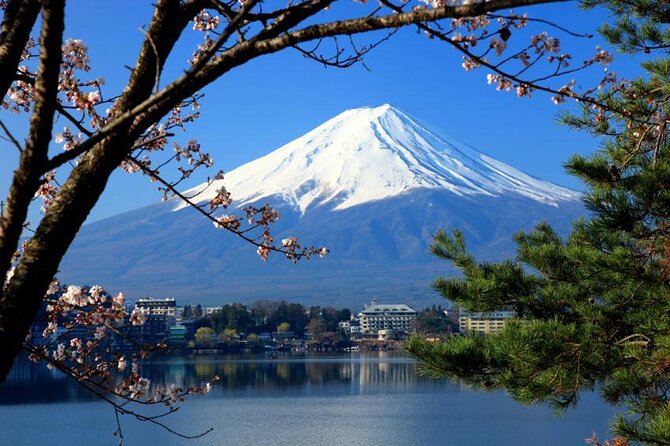
- Fujikawaguchiko-machi and Lake Kawaguchi: the Fuji panorama zone
- Mt. Fuji Panoramic Ropeway: worth it when the timing works
- Mt. Fuji 5th Station: optional altitude, but only if it’s open
- Price and what you actually pay for on the ground
- The guide and driver experience: where days can shine or wobble
- Who this Mt. Fuji and Lake Kawaguchi private car trip fits best
- Should you book this private Fuji day trip?
- FAQ
- FAQ
- How many people is this private tour for?
- How long is the Mt. Fuji and Lake Kawaguchi day trip?
- Does the tour include hotel pickup and drop-off?
- Is there a mobile ticket?
- Are admission fees included in the price?
- Is the Mt. Fuji 5th Station included?
- What transportation do I get?
- When is it best to book and how far in advance do people usually book?
- What happens if the weather is bad?
- What is the cancellation window?
Key moments to plan for
- Hotel pickup, drop-off, and a car that saves time: You avoid the station changes and signage stress of Tokyo-to-Fuji routes.
- Multiple Fuji viewpoints in one day: Chureito Pagoda, Arakura Sengen Shrine, and Lake Kawaguchi viewpoints give you repeat chances.
- Off-the-beaten stops in the Five Lakes area: Saiko Iyashi no Sato Nenba and two lava-tube caves make this feel more than just postcard stops.
- Paid activities that can take longer than expected: Ropeway wait times and cave access can push the day.
- You choose what to prioritize with your driver/guide: Some guides are great at building a realistic timeline around your preferences.
- Weather is the real boss: If Fuji is hidden, the day changes from jaw-dropping to simply pretty.
Why a private car to Mt. Fuji actually feels like value
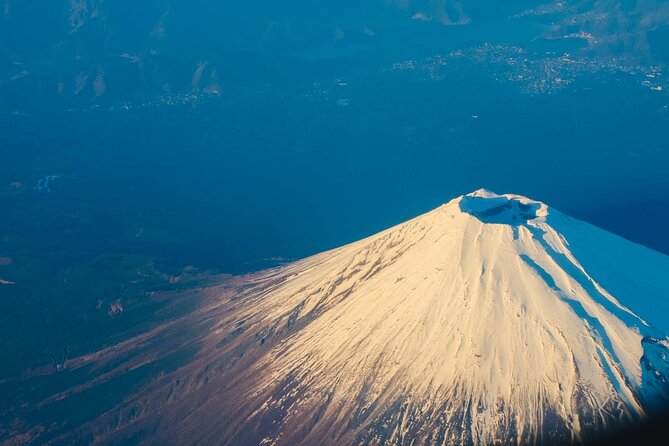
A private Mt. Fuji and Lake Kawaguchi day trip priced per group (up to 4) is really about one thing: control. Instead of planning train transfers and bus schedules, you ride. That means you spend your energy looking out the window, not reading Japanese platform signs.
With hotel pickup and drop-off, you don’t lose time walking to a meeting point. You also gain flexibility. One of the biggest wins from this style of tour is that your guide can often adjust the order of stops, add a short photo pause, or help you decide what’s worth your time when the weather shifts.
Now the caution: the itinerary is packed for a reason—many stops are close together, but “close” in Japan still means roads, traffic, and lines. If you’re dreaming of doing every single named stop, you should be ready to trade one for another.
And yes, this is an all-in-one day. That’s also why it can be a good first visit to Fuji: you get the highlights plus a few more unusual sites without having to stitch together multiple days of logistics.
You can also read our reviews of more private tours in Tokyo

Chureito Pagoda: the classic view, plus the stair-walk experience
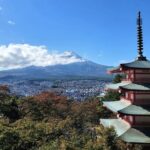
Stop here for the Chureito Pagoda view, and also for the approach. The 5-tiered pagoda sits with a Shinto shrine vibe, and the observation area is reached after stairs. When seasonal cherry blossoms are around, the stair corridor can be part of the magic—like you’re walking into a Fuji photo set.
What to expect: a short visit (around 30 minutes) where timing matters. If the sky is clear, Fuji can look sharp and dramatic. If it’s hazy, you may get a softer silhouette. Either way, it’s one of those stops that can look “too staged” in photos, but feel real in person because of the scale.
Small drawback: you’ll want to be efficient. With a packed day, 30 minutes goes fast once you factor in crowd flow and choosing your photo spots.
Arakura Fuji Sengen Shrine: forest steps and another Fuji angle
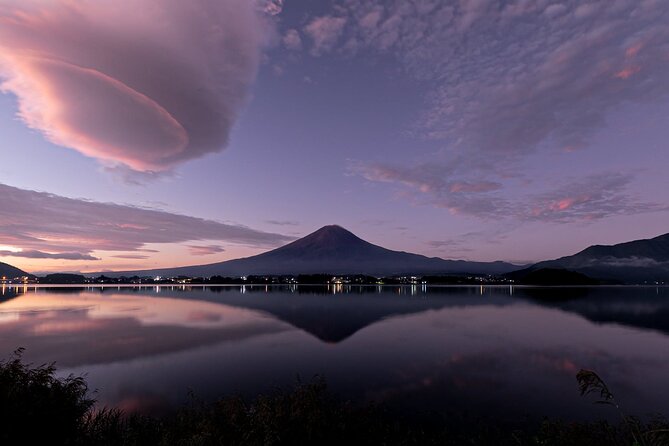
Next is Arakura Fuji Sengen Shrine. This is another Fuji-faith stop tied to climbers and historical religious routes. The setting is more tucked in—steps and a dense forest feel make it different from the open pagoda area.
What you’ll enjoy: movement. You’re going up, you’re looking back, and you’re getting Fuji framed through different viewpoints. That matters because Mt. Fuji can change hour to hour with clouds drifting in and out.
Consideration: the visit is brief (about 20 minutes). If you like slow shrine browsing, you might need to prioritize photos and a quick walk rather than full exploration.
Oshino Hakkai: spring water from Mt. Fuji’s foothills
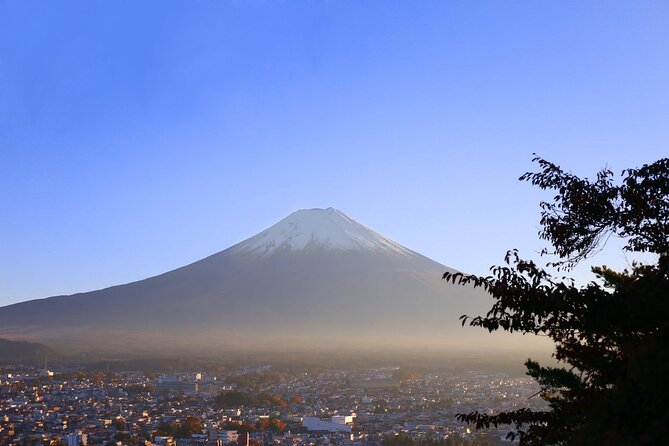
Oshino Hakkai is a favorite because it’s not only a view-stop. It’s about the water story. This area is known for spring water coming from Mount Fuji, and you’ll see the village-style layout built around that water source.
Why this stop works on a day trip: it breaks up the “Fuji, photo, drive, repeat” rhythm. You get something calmer and more local-feeling. It’s also a good moment to slow down, refocus, and just enjoy what’s right in front of you.
Timing reality: about 30 minutes means you can wander, take photos, and still keep the day on track. If you spend too long here, the paid cave stops later can start to feel rushed.
Saiko Iyashi no Sato Nenba: reconstructed village, traditional clothing if you want it
This one is all about atmosphere. Saiko Iyashi no Sato Nenba is a reconstructed Japanese village where you can explore houses and shops. Some areas let you rent traditional clothing, though the rental itself isn’t included.
What I like about this stop: it feels like you stepped off the main tourist conveyor for a bit. It’s not a museum lecture; it’s hands-on wandering—trying to spot craft shops, small souvenirs, and the vibe of a traditional home layout.
Tradeoff: it’s another 30 minutes, so it’s still part of the schedule. If your top priority is Fuji views, you might feel like this is “less Fuji” than the pagoda and lake stops. If you enjoy culture and shopping, it’s a good place to spend time.
You can also read our reviews of more tours and experiences in Tokyo




Lava caves near Aokigahara: Narusawa Ice Cave and Fugaku Wind Cave
These are the stops that many people remember because they’re unusual. Narusawa Ice Cave is a lava tube, and Fugaku Wind Cave is another lava tube nearby—and the tour description calls Fugaku the largest among several lava tubes in the Aokigahara forest area.
Both visits are short (about 15 minutes each). They’re also not cheap once you add admissions. The tour lists them as not included, so this is where your budget can shift.
What you’ll get from each cave: a quick look at a geological feature that’s hard to replicate elsewhere. Even if you don’t love caves, it’s the kind of stop that adds variety to a day mostly built around views and photo angles.
Possible drawback: because these are time-limited, if you go slowly, you might feel pressured to move on. If caves are a top must-do for you, consider that you may be choosing them over something like the ropeway or extra time at the lake.
Fujikawaguchiko-machi and Lake Kawaguchi: the Fuji panorama zone
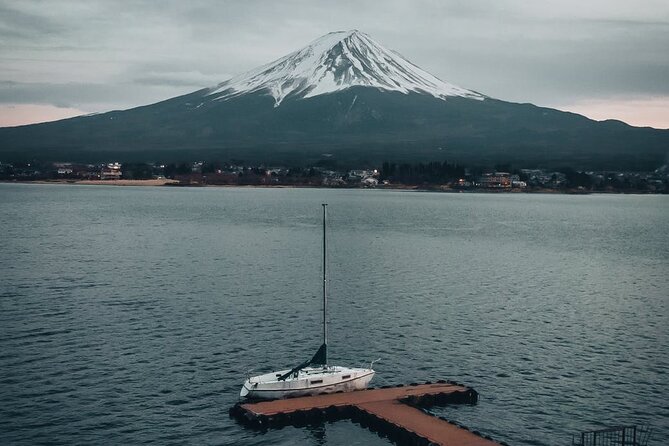
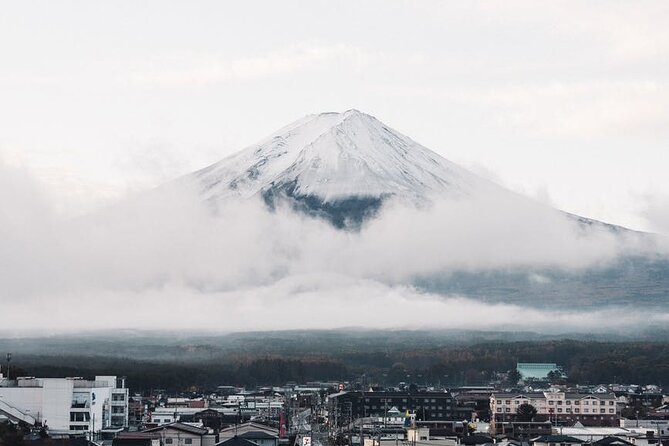
Now you move into Fujikawaguchiko-machi, and this is where the day can go either way: you either get sweeping Fuji visibility or you get cloud cover. That’s the real thing about this region—your success depends heavily on the sky.
You’ll have about an hour here around Lake Kawaguchi Ko. The tour also points out famous lake names you can look across: Yamanaka, Kawaguchi, Saiko, Shoji, and Motosu. Plus, if your schedule allows, there’s time to consider activities like cruise or ropeway.
Why this stop matters: it’s the big “Five Lakes” payoff. Even when Fuji isn’t perfect, the lake views and changing light make it worth it.
Timing note: if you want the cruise or ropeway, keep a close eye on the clock. Some days include lines and waiting, and waiting can steal your best Fuji moments.
Mt. Fuji Panoramic Ropeway: worth it when the timing works
The Mt. Fuji Panoramic Ropeway is listed as not included. The tour gives you about an hour for this, but ropeways can come with real wait times. One practical tip from ropeway area advice: there’s also a swing ride at/near the ropeway complex where ticketing may happen at a gift shop. One person notes it was about 500 yen per adult and easy to miss because there isn’t clear signage.
When I’d say ropeway is a strong choice: if Fuji is visible and you’d like a higher viewpoint quickly. In good visibility, this can be one of the most memorable parts of the day.
When to be cautious: if the line is long or you’re planning to squeeze in the 5th Station too. The tour is around 10 hours total, and time gets eaten fast when crowds stack up.
Mt. Fuji 5th Station: optional altitude, but only if it’s open
The optional 5th Station is listed with an altitude of about 2,300 meters and positioned as the popular starting point of the Yoshida Trail. Admission for this is not included, and the tour notes a fee of JPY 2,100.
What makes it special: it’s not just a view from the valley. You feel like you’ve climbed into the “real Fuji” world, where the air and scenery can feel totally different.
The reality check: access can depend on operations and conditions, and you may end up with a shortened or swapped plan if the top area is closed. If doing the 5th Station matters most to you, tell your driver early so they can build the timeline around it.
Main drawback: it can blow up your schedule. If the day is already behind due to traffic or earlier stops taking longer, the higher station might not work.
Price and what you actually pay for on the ground
The tour price is $528.41 per group, up to 4. That breaks down to about $132 per person if you fill all four seats, which is where this tour starts to feel like smart value—especially if you’re comparing it to multiple private taxis or the cost of managing several transport segments with luggage and timing.
But the price isn’t the whole story. Admissions are not included. Many stops are listed as free (Chureito Pagoda, Arakura Fuji Sengen Shrine, Oshino Hakkai), which helps. Your costs likely come from:
- Saiko Iyashi no Sato Nenba (admission not included; traditional clothing rental would be extra if you choose it)
- Narusawa Ice Cave and Fugaku Wind Cave (both not included)
- Mt. Fuji Panoramic Ropeway (not included)
- 5th Station if you choose it (fee listed as JPY 2,100 excluded)
My practical advice: budget for paid add-ons, and bring some yen for extras and ticketing at the stops. One past guest mentioned cash-only extras for some parts, so don’t show up with your card and nothing else.
Also, your “best value” plan depends on what you want most:
- If you mostly want iconic scenery, you can lean on the free stops and spend your money on one or two paid experiences.
- If you want the most variety (ropeway + caves + possibly 5th Station), this is where the budget can grow—and where the 10-hour timing becomes the limiting factor.
The guide and driver experience: where days can shine or wobble
This tour is private, so the human factor matters a lot. Some guides are the reason the day feels smooth: they’re quick with plans, patient with photo stops, and good at adjusting to your interests. Names you might see include guides like Muneeb, Salman, Maz, Abdul, Alil, Newton, Waheed, Zee, and Hassan—many of them credited for flexibility and for explaining what you’re looking at.
On the flip side, not every day lands perfectly. A few guests reported issues like:
- late pickup messing with what was open later
- guides running out of time and skipping cave/ropeway access
- limited explanation at stops, leading to confusion
- comfort complaints about the vehicle
Your best defense: start with priorities. Tell your guide what you’d be happiest seeing, and what you can live without. If you have a must-do like the 5th Station or one specific cave, say it upfront so the day is built around that.
Who this Mt. Fuji and Lake Kawaguchi private car trip fits best
This works especially well if:
- you’re short on time and want a big first-day hit around Fuji
- you hate transit transfers and want everything solved by a driver
- you’re traveling with family members who don’t want to fight stairs, crowds, and bus schedules
- you want a schedule you can tweak instead of rigid tours
It might be less ideal if:
- you’re the type who needs deep, slow explanations at every stop
- you want to do everything listed with no tradeoffs
- you’re easily stressed by waiting lines and traffic timing
If your dream day is “Fuji, not fuss,” this tour can deliver. If your dream day is “every stop, every time, no matter what,” you’ll want to mentally loosen that grip.
Should you book this private Fuji day trip?
I’d book it if you want maximum Fuji sightseeing without transportation headaches, and you’re happy to treat the day as a menu. The private car makes the experience feel like it’s built for your pace, not the other way around.
Before you confirm, do two quick checks:
- Decide what you’ll skip if time gets tight (ropeway vs. 5th Station vs. one cave).
- Plan your spending for the paid stops, not just the base price.
If you get clear weather and a guide who’s on top of timing, this can be a fantastic way to see Mt. Fuji from several angles in a single day—and still have time to enjoy the places, not just stamp them.
FAQ
FAQ
How many people is this private tour for?
It’s a private tour/activity, and the price is listed per group for up to 4 people.
How long is the Mt. Fuji and Lake Kawaguchi day trip?
The duration is about 10 hours.
Does the tour include hotel pickup and drop-off?
Pickup is offered, and the tour is described as having hotel pickup and drop-off so you don’t need to find a meeting point.
Is there a mobile ticket?
Yes, the tour includes a mobile ticket.
Are admission fees included in the price?
No. Admission fees are excluded, and the tour notes that all admission fee exclusions apply to the stops.
Is the Mt. Fuji 5th Station included?
It’s optional, and the 5th Station fee (JPY 2,100) is excluded.
What transportation do I get?
You get an air-conditioned vehicle with private transportation, plus bottled water.
When is it best to book and how far in advance do people usually book?
On average, it’s booked about 41 days in advance.
What happens if the weather is bad?
This experience requires good weather. If it’s canceled due to poor weather, you’ll be offered a different date or a full refund.
What is the cancellation window?
You can cancel up to 24 hours in advance for a full refund.