REVIEW · TOKYO
Popular Sushi Making Class near Tokyo Tower
Book on Viator →Operated by SUSHI GARYU · Bookable on Viator
Tokyo Tower area plus sushi class sounds perfect.
I love how this experience turns the idea of sushi into an activity you do with your hands, not just something you order. You’ll make rolls in Higashiazabu near Tokyo Tower, then sit down and eat what you crafted.
What I like most is the English instruction and step-by-step help that keeps you moving even if sushi feels intimidating. I also like the dress-up and photo moment—kimonos, props in some sessions, and the finished-product pics make it feel like more than a cooking demo.
One possible drawback: at $87.55, you’re paying for a full package (teaching, materials, and the meal), so if you only care about top-tier fish tasting, it may feel a bit pricey.
In This Review
- Key highlights to know before you go
- Sushi Garyu in Higashiazabu: a Tokyo Tower class that’s easy to plan
- What you actually learn: rice, assembly, and the “why” behind sushi
- You get to eat your own sushi (and it’s not just a snack)
- Kimono dress-up, props, and the photo-friendly setup
- Dairy-free, gluten-free, vegan: what the class can adjust
- Pairing the class with the Tokyo Tower neighborhood route
- Tokyo Tower: your easiest big photo moment
- Zojo-ji: the calm contrast to the skyline
- Azabujuban and Shiba Park: small streets and breathing room
- TeamLab Borderless at Azabudai Hills: a modern stop if you have energy
- Azabudai Hills: the hub where everything connects
- Hamarikyu Wharf: a water-side breather
- Tokyo City View observation deck (Roppongi Hills): skyline payoff
- National Art Center, Tokyo: for art lovers in the mix
- Roppongi: wrap it up where Tokyo feels adult
- Price and value: is $87.55 worth it?
- Who this class suits best
- Should you book the sushi making class near Tokyo Tower?
- FAQ
- Do I need to bring anything for the sushi making class?
- How long is the sushi making experience?
- Is the class in English?
- Can vegetarians, vegans, or gluten-free diners participate?
- Is there a minimum age for the class?
- Is there free cancellation?
Key highlights to know before you go
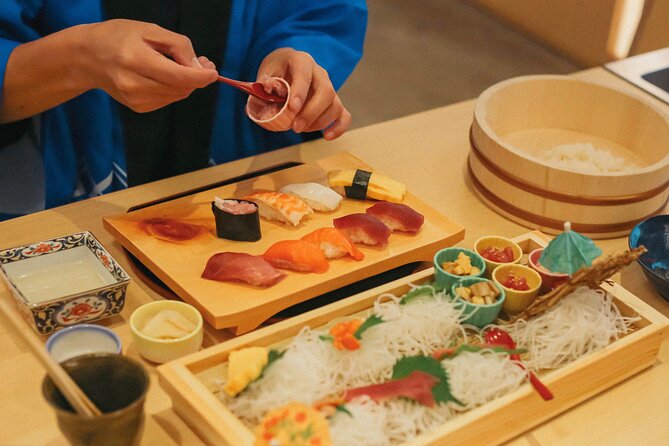
- Made-and-eaten in 90 minutes: you craft sushi and then enjoy it on the spot
- Higashiazabu location near Tokyo Tower: easy to pair with a night photo stop
- English-led class with a chef: you get guidance on rice and assembly, not just ingredients
- Kimono dress-up and photo setups: you leave with pictures, not just memories
- Small groups up to 14: you’re not lost in a huge crowd
- Dietary options with advance notice: vegetarian, vegan, and gluten free can be arranged
Sushi Garyu in Higashiazabu: a Tokyo Tower class that’s easy to plan
This is a hands-on sushi making session based out of Higashiazabu, close enough to Tokyo Tower that it fits naturally into a first-timer’s day or a pre-dinner plan. The meeting point is at 1-chōme-6-8 Higashiazabu, Minato City, and the tour ends back there, so you don’t have to worry about getting shuttled across town afterward.
The class runs at different times during the day, so you can pick a slot that matches your energy level. And because it’s a mobile ticket experience with confirmation sent after booking, you can keep your plan simple once you’re in Tokyo.
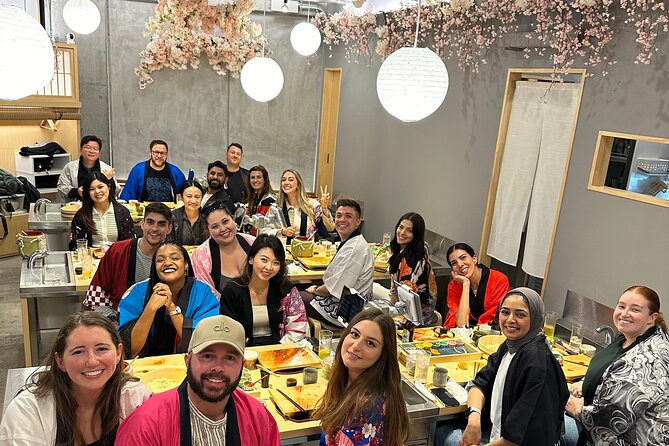
Group size is capped at 14 travelers, which matters more than it sounds. In a smaller group, you’re more likely to get hands-on feedback when your rice isn’t sticking the way you expected. The room can also seat you with other customers depending on how busy it is, so it helps to go in with a flexible, friendly attitude.
You can also read our reviews of more tours and experiences in Tokyo


What you actually learn: rice, assembly, and the “why” behind sushi
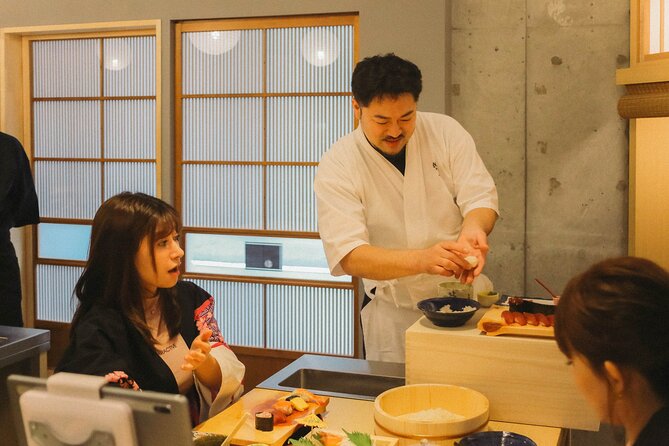
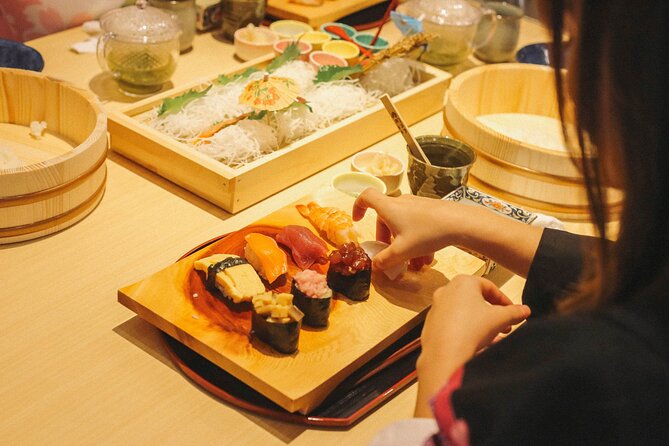
The big promise here is straightforward: you’ll learn how to make sushi with salmon, tuna, and other ingredients, and you’ll do it with help from a Japanese sushi chef who teaches in English. You’ll also get a short video instruction beside your seat, which is useful because sushi is partly technique and partly muscle memory.
From what people describe, the class focuses a lot on the rice. That’s key, because most home cooks struggle with the same two things: getting the texture right and assembling pieces cleanly. Expect lessons that cover things like:
- How to handle the rice so it sticks correctly
- How to place fish properly so the pieces look balanced
- How to shape each piece without overthinking it
In several write-ups, instructors like Keiko and Yuki are mentioned as friendly and patient, with clear English explanations. One person specifically noted that the instructor stayed to chat about Japan while everyone practiced—small, human touches like that are part of why this feels more like a guided lesson than a rushed production line.
Also, some sessions add a bit of theatrical fun. You may be encouraged to wear a sushi chef costume, and that matters because it signals the vibe: this is a playful class where you learn by doing.
You get to eat your own sushi (and it’s not just a snack)
The most satisfying part is built into the structure: you craft your sushi, then you eat what you made. That’s a big difference from many classes where you spend time cooking and then only taste a tiny portion.
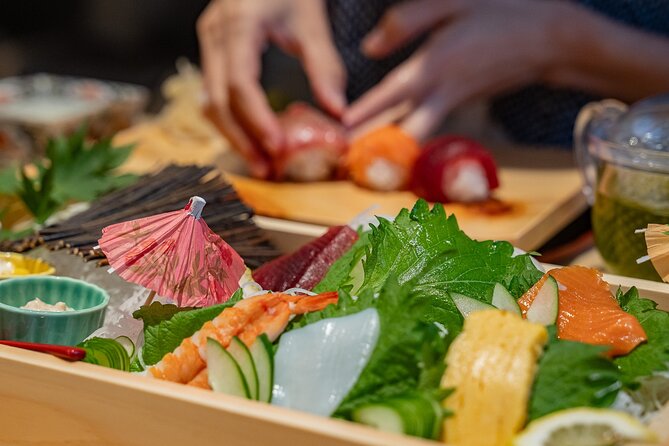
Most descriptions point to a meal-style outcome—often around 8 to 12 pieces, depending on the session. Either way, you’re eating the result of what you shaped, so you can immediately connect technique to taste. People also mention that the fish feels fresh in their experience, and that the rice texture was a highlight.
One practical tip: plan to be hungry. The class is short—about 1 hour 30 minutes—and you’ll be busy from start to finish. If you come straight from sightseeing, you’ll likely feel glad you didn’t schedule a heavy meal right beforehand.
Kimono dress-up, props, and the photo-friendly setup
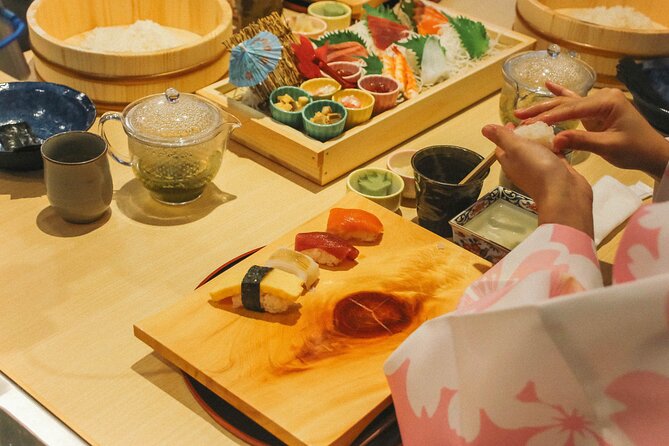
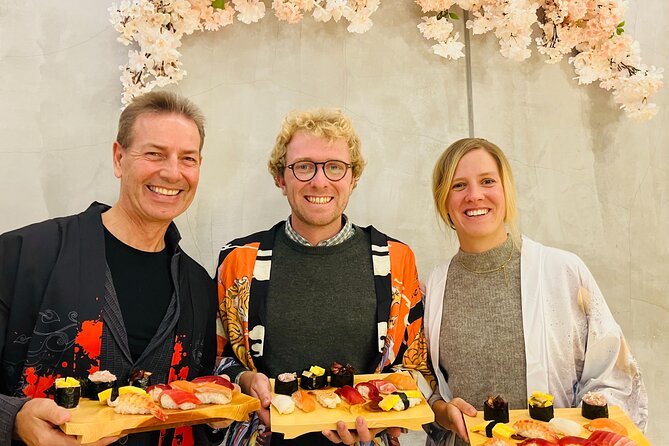
This class leans into fun, and the payoff is real. Many people mention being offered kimonos and then getting photos with their finished sushi. Some sessions also include extra photo moments like a ring light, and there are stories of holding samurai swords for pictures.
It’s not just about looking cute. This kind of structured photo moment helps you remember the steps you learned. You’ll be thinking about rice texture, fish placement, and assembly, and later you can look back and connect your pictures to what you did in class.
The instructors and staff also get high marks for hospitality—people mention warm welcomes and helpers who make the experience less stressful, especially for families. If you’re traveling with kids, one helpful detail is that there can be staff support so children aren’t stuck waiting for instructions.
Dairy-free, gluten-free, vegan: what the class can adjust
If you have dietary needs, this is where planning ahead really helps. The class states that vegetarian, vegan, and gluten free options are available, but you need to request them in advance by message. If you request on the day, they say they may not be able to accommodate.
Allergies are also taken seriously in the provided details: let them know in advance by message if you have any food allergies. That’s your cue to message early, because sushi is ingredient-sensitive and rice seasoning can also matter.
For families, there’s also a clear age rule: fees apply from 4 years old. If you have a child under 4, the note says to share a dish under 4. So it’s worth checking your family’s age mix before you book so you know what to expect.




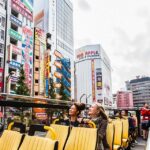
Pairing the class with the Tokyo Tower neighborhood route
The “near Tokyo Tower” hook isn’t just marketing. Your session is in a part of Minato where you can build a simple sightseeing loop without complicated logistics. The tour plan lists a string of stops that make a lot of sense for an easy day on foot or with short transit hops.
Tokyo Tower: your easiest big photo moment
Start with Tokyo Tower. Even if you don’t plan a long visit, it’s an obvious win for photos and a classic Tokyo skyline view. The area around Tokyo Tower is also a natural place to reset before or after your class, because you’ll likely be close to your meeting point.
Zojo-ji: the calm contrast to the skyline
Next up is Zojo-ji, a temple area that offers a quieter mood. It’s a good pairing because sushi classes are fast and hands-on; you might like having one calmer stop right after. Think of it as a reset button.
Azabujuban and Shiba Park: small streets and breathing room
The itinerary also includes Azabujuban and Shiba Park. Azabujuban can feel like a neighborhood side of Tokyo where you’re not just hunting for landmarks. Shiba Park is the kind of green break that makes your feet feel better if your day includes multiple photo stops.
TeamLab Borderless at Azabudai Hills: a modern stop if you have energy
Then you reach the modern wow-factor: teamLab Borderless Tokyo at Azabudai Hills. This is listed as a stop, so it’s part of the planned route. The important practical note is that teamLab experiences can be very popular, so if you want to visit, plan your timing around your sushi class so you don’t end up rushing.
Azabudai Hills: the hub where everything connects
Azabudai Hills is both a destination and a connector. Since it’s on the route, it can work as a convenient lunch-and-walk point if you’re timing your day carefully.
Hamarikyu Wharf: a water-side breather
The plan continues to Hamarikyu Wharf, which shifts the scenery toward water and a more relaxed pace. If you’re pairing sushi with sightseeing, this is a nice contrast to the tight “assembly” focus of the class itself.
Tokyo City View observation deck (Roppongi Hills): skyline payoff
Next is the Tokyo City View Observation Deck at Roppongi Hills. Observation decks are where you turn all your scattered neighborhood exploring into one clear picture of where things are. Even if you only spend a short time, it helps you “get your bearings fast.”
National Art Center, Tokyo: for art lovers in the mix
If you enjoy museums, The National Art Center, Tokyo is on the route. Even if you don’t do a full visit, passing through the area can be a nice way to break up a long day of food and photos with something cultural.
Roppongi: wrap it up where Tokyo feels adult
Finally, Roppongi rounds out the itinerary. It’s a fitting place to finish because it’s lively, easy to find food, and it’s the kind of neighborhood where you can adapt your plan on the fly.
Price and value: is $87.55 worth it?
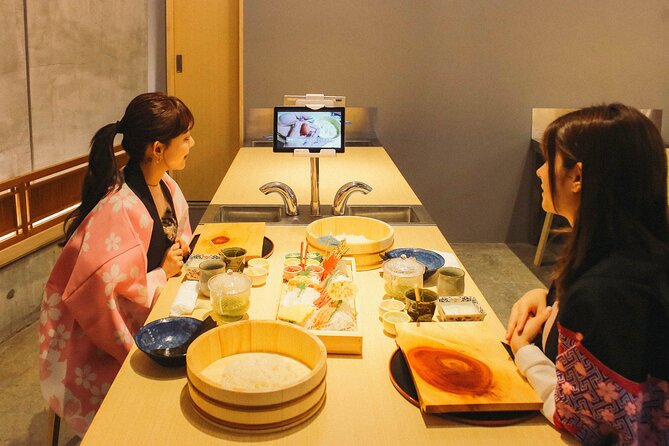
Let’s talk value in plain terms. At $87.55 per person, you’re not just paying for a meal—you’re paying for a chef-led lesson, ingredients, tools, and the sit-down moment to eat what you made.
So the question becomes: would you rather spend money on:
- a sushi lunch where you only watch someone else craft,
or
- a lesson where you learn the process and then eat your own pieces?
If you care about technique—especially rice texture and assembly—this price can feel fair because you’re getting a learned skill plus a meal in one package. The small group size (up to 14) also supports the value because you’re more likely to get individual attention.
On the other hand, one review noted the class can feel more like guided assembly than a high-end fish tasting, and the experience may not satisfy people who are unusually picky about fish quality. That doesn’t mean the sushi is bad, just that the focus is on learning and eating, not a premium omakase-style tasting.
My practical take: if you want a memorable, hands-on Tokyo activity near Tokyo Tower and you like sushi enough to eat it twice (once in class and once later), this is a solid deal. If you’re only seeking the absolute best fish, you may want to pair sushi tasting with something else and treat this as the fun learning event.
Who this class suits best
This works especially well if you:
- Want a first-time-friendly sushi experience in English
- Like cooking classes where you get to taste the result
- Travel with kids or teens who can enjoy structured steps and dress-up
- Prefer small groups rather than large crowds
It may be less ideal if:
- You only want a quiet, serious food tasting and don’t care about making your own pieces
- You’re very sensitive to language gaps, since the class is English-led but comprehension still depends on the session and pace
- You’re strictly focused on premium fish flavor over technique
Should you book the sushi making class near Tokyo Tower?
I think you should book it if you want an easy, memorable Tokyo Tower-area experience that mixes skill-building with a real meal. The best reason is simple: you don’t just watch sushi get made—you shape the rice, place the fish, and then eat your own results. Add in the kimono dress-up and photo moments, and you get something you can actually take home as memories.
I’d pass or reconsider if you’re hoping for a luxury fish-focused tasting or a long guided sightseeing day. This is a short, focused class (about 90 minutes). The fun comes from learning and eating, not from an all-day culinary tour.
If you do book, message ahead if you have allergies or dietary needs. It’s also worth picking a time when you’ll be comfortably hungry, so you can enjoy the sushi you make without feeling rushed.
FAQ
Do I need to bring anything for the sushi making class?
The class uses a mobile ticket, and it includes the instruction, ingredients, and the sushi-making process. The provided information doesn’t list any specific items you must bring, so plan on showing up with your ticket and an appetite.
How long is the sushi making experience?
It runs for about 1 hour 30 minutes (approx.).
Is the class in English?
Yes. A sushi chef will carefully teach the class in English.
Can vegetarians, vegans, or gluten-free diners participate?
Yes. Vegetarian, vegan, and gluten free options are available, but you need to request them in advance by message. Requests made on the day may not be accommodated.
Is there a minimum age for the class?
Fees apply from 4 years old. The information also notes that you should share a dish under 4 years old, and children fees follow the listed details.
Is there free cancellation?
Yes. You can cancel for a full refund up to 24 hours in advance of the start time. If you cancel less than 24 hours before, the amount you paid is not refunded.