REVIEW · TOKYO
Tokyo: Meiji Shrine and Shinto Culture Walking Tour
Book on Viator →Operated by Traveling Tokyo · Bookable on Viator
Meiji Jingu can feel mystical in silence, but it makes more sense with a guide. I like this tour because you get context for Shinto rituals (not just pretty scenery), and you also see why the shrine’s layout matters as you move through the woods. The biggest drawback is time: with an approximately 2-hour tour and about 1 hour at the shrine, you’ll get the highlights, not a long, slow independent wander.
What really worked for me is the way the guide turns everyday behavior into meaning. You learn the symbolism behind customs most visitors skip, including how and why people bow at the gates and what the ritual cleaning stops are for. Another consideration: this is a walking tour, so you’ll want comfortable shoes and a bit of patience for crowding around Harajuku.
The value is strong for $18, especially because your admission ticket is included and the group stays small (a maximum of 15). Plus, you’ll start at a clear meeting point near Harajuku, and you’ll leave with a better mental map of where to go next.
In This Review
- Key takeaways before you go
- Meiji Jingu: what makes this shrine special in practice
- The massive wooden torii gate: scale you can’t fake with photos
- Walking the grounds with Shinto etiquette that actually helps
- Stop by stop: how the 2 hours typically feel
- Stop 1: Meiji Jingu shrine approach and core sights (about 1 hour)
- Why the guide matters more than the price tag
- The small-group size: what it changes for you
- Meeting point and getting there without stress
- What to wear and how to be comfortable on this walk
- How to get the most out of Meiji Jingu after the tour
- Price and value: is $18 a fair deal?
- Who this tour is best for
- Should you book the Tokyo Meiji Shrine and Shinto Culture walking tour?
- FAQ
- How long is the Meiji Jingu and Shinto Culture walking tour?
- How much does the tour cost?
- Is admission to Meiji Jingu included?
- What’s included in the tour price besides the guide?
- Is a mobile ticket provided?
- What is the group size limit?
- Where do I meet the guide?
- Does the tour end back at the meeting point?
- Are tips included?
- Can I cancel for free?
Key takeaways before you go
- Small group size (up to 15) keeps it interactive, not a lecture with earbuds
- Shinto etiquette explained so you know what you’re doing at key moments
- A forested approach in Tokyo gives a breather from the city’s pace
- The towering myojin torii is genuinely jaw-dropping once you understand its scale
- About 2 hours total means highlights with enough structure to keep you on track
Meiji Jingu: what makes this shrine special in practice
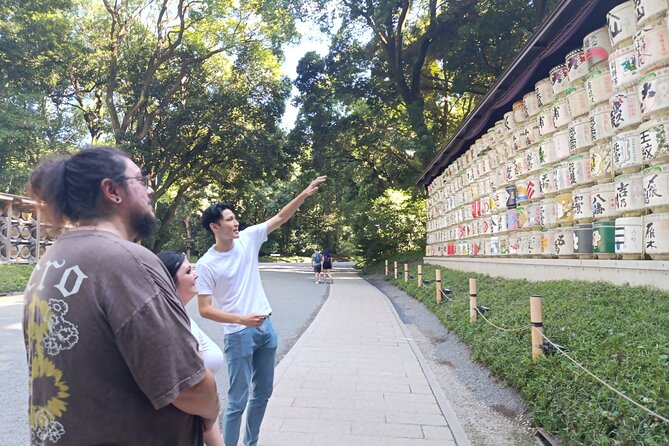
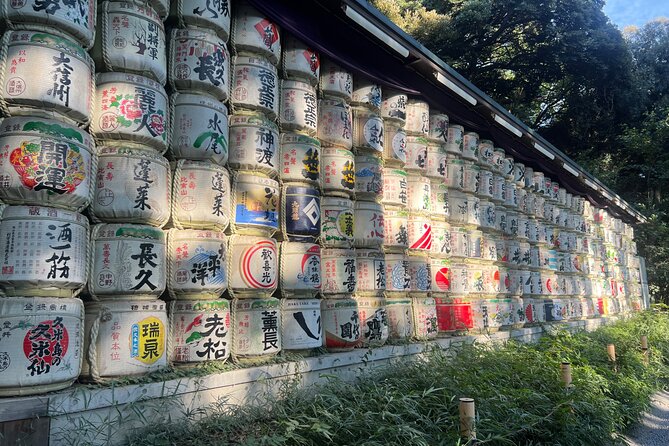
Meiji Jingu is Tokyo’s best-known Shinto shrine, dedicated to the deified spirits of Emperor Meiji and Empress Shoken. It opened in 1920, and it’s built around the idea of calm separation from the city. The way the shrine is planned is part of the experience: you’re not just arriving at buildings, you’re walking into a different rhythm.
One reason this tour feels like more than a sightseeing stop is that it focuses on meaning. Meiji Jingu is famous, but Shinto can be confusing if you only look at the obvious visual cues. A guide helps you connect what you see with what it represents, so your photos don’t end up being the only takeaway.
And yes, the forest approach matters. Even with Tokyo crowds nearby, the grounds make you slow down. That’s not a marketing line. It’s a physical change in the air and sound as you move under the trees.
You can also read our reviews of more walking tours in Tokyo



The massive wooden torii gate: scale you can’t fake with photos
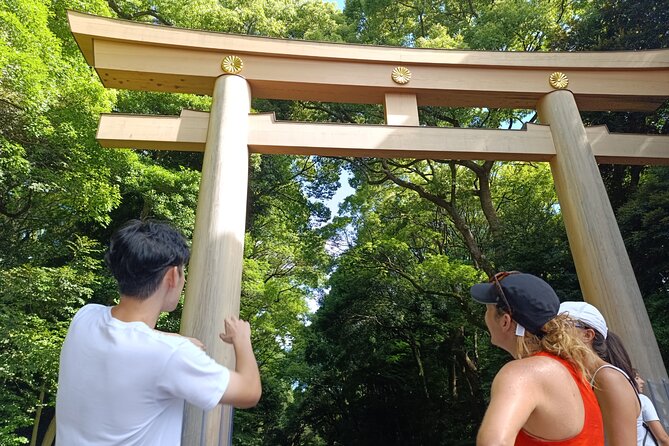
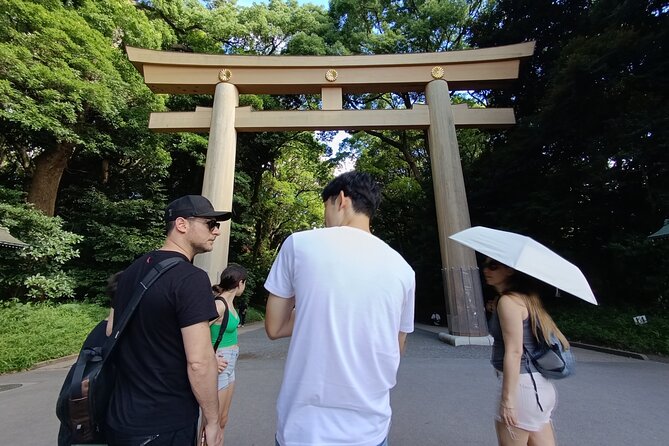
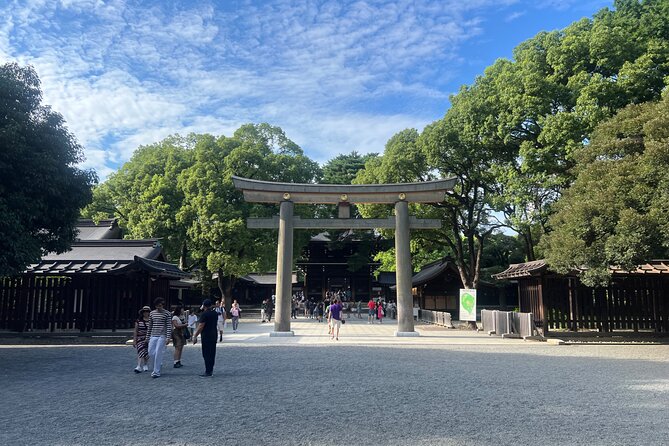
You’ll pass through towering torii gates, and the highlight is the large wooden myojin-style torii. The gate is 12 meters tall and 17.1 meters wide. That’s not a small “nice view” detail. It’s the kind of size that makes you stop, look up, and realize you’re in a space with real sacred gravity.
A guide’s value here is simple: scale becomes understandable when you know what you’re looking at. You’ll also get help with etiquette at the entrance area. One common point is bowing at gates—something people sometimes do automatically but don’t understand. When you know what it signals, the moment stops being awkward and becomes respectful.
If you’re the type who likes architecture and design, this part is for you. If you’re more of a spirituality-and-culture person, the same gate becomes a lesson in how traditions shape movement through space.
Walking the grounds with Shinto etiquette that actually helps
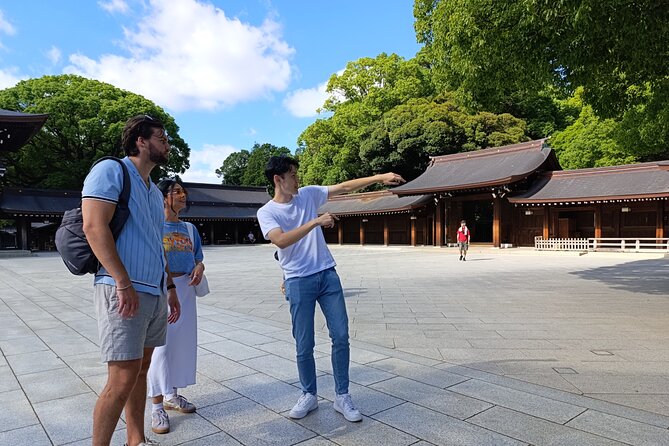
Shinto worship has its own set of customs, and Meiji Jingu is one of the easiest places to spot them. The tour’s goal is to explain what you’re likely seeing and doing, so you don’t feel like you’re wandering through a ritual you don’t understand.
From the guidance style described in past tours, the explanations include practical behavior cues such as bowing at key points and the purpose behind ritual cleaning actions. That’s the stuff that can make you feel unsure if you’re visiting alone. A good guide turns uncertainty into confidence.
This is also where the small group size pays off. With a max of 15 people, you’re more likely to ask a question when something doesn’t click. If you like learning on the move—without waiting for a museum-style lecture—this format tends to work well.
Stop by stop: how the 2 hours typically feel
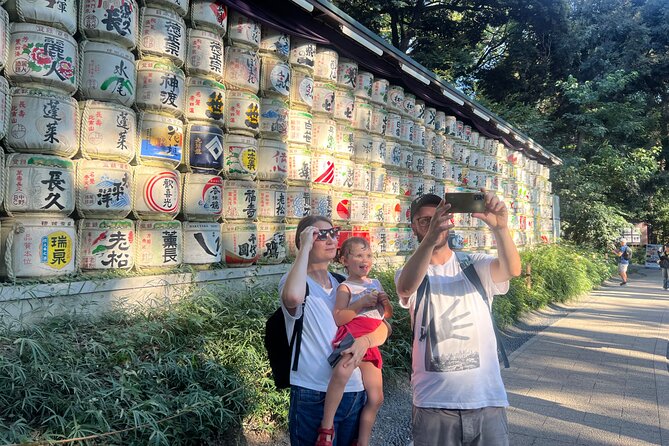
Stop 1: Meiji Jingu shrine approach and core sights (about 1 hour)
Most of your tour time happens at the shrine itself, starting with the walking approach through the torii and into the grounds. Expect a guided flow that helps you follow the ritual logic of the place.
Because this is a structured walk, you’ll spend less time guessing where to go and more time understanding what each area is for. That matters at Meiji Jingu, where it’s easy to focus only on the most visible spots and miss the smaller cues that explain Shinto practice.
A guide also brings the shrine’s connections to modern Japan into focus. The shrine is dedicated to Emperor Meiji and Empress Shoken, and discussions often include the context of Meiji-era restoration and achievements. It helps to know why these figures are honored in this specific way.
Potential drawback: If you love lingering—like, you want to take your time at every corner and sit quietly—one hour at the shrine can feel short. This tour is built for clarity and orientation, not for a long, fully independent pilgrimage.






Why the guide matters more than the price tag
At $18, it’s hard to argue with the basics: the tour guide is included, your historical context is included, and your admission ticket is included too. For a place like Meiji Jingu, where you could easily spend money on tickets but still leave confused about what you saw, the guide component is the real value.
The strongest praise centers on guides who explain customs clearly and keep the tone friendly. In past experiences, guides named Yumi and Sara were described as especially strong at making Shinto make sense, while Matt-san and Haydn were praised for thoughtful guidance even when weather got rough. Benjamin was highlighted for calm, respectful explanations of customs, including the gate bowing and ritual cleaning steps.
You don’t need a dramatic “wow” story to benefit. You just need someone who can translate tradition into actions you can follow in real time.
The small-group size: what it changes for you
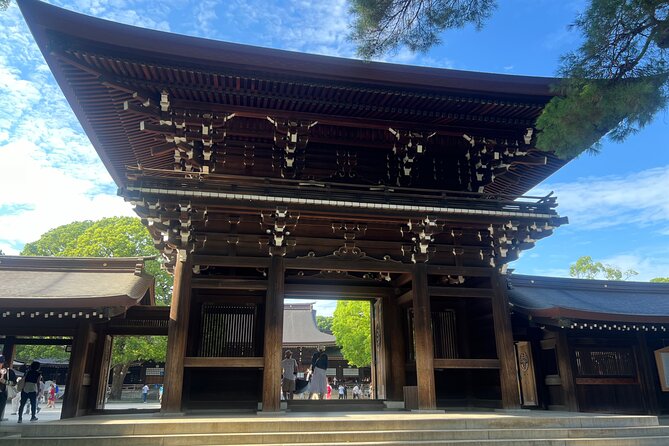
A maximum of 15 travelers doesn’t sound like a big difference until you’re standing in a sacred space. In a larger group, you’ll get rushed forward and you’ll lose the chance to ask questions. In a smaller group, the guide can actually respond to your level of curiosity.
Here, you’ll likely find:
- You can ask why people do something, not only what it is
- The guide can point out the next meaningful moment before you reach it
- The walk feels less like a queue and more like a guided stroll with purpose
It’s also easier to keep together without constant regrouping. That’s important around Harajuku, where foot traffic can be intense.
Meeting point and getting there without stress
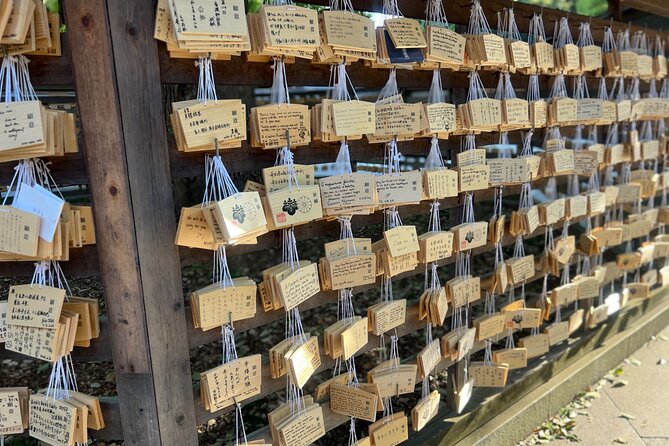
You’ll meet at Starbucks Coffee with HarajukuJapan in Shibuya, Jingūmae: 1-chōme-14-3, near Harajuku. The activity is near public transportation, which helps a lot if you’re hopping in from other areas.
The tour ends back at the meeting point, so you don’t have to solve an end-of-tour navigation problem.
One practical tip: arrive a few minutes early. A Starbucks can look identical across blocks, and you’ll want to confirm you’re at the correct one before the group is called.
What to wear and how to be comfortable on this walk
Since this is a walking tour (2 hours approx.), plan for comfort. Wear shoes you can stand and walk in for the whole route. Tokyo’s weather can change quickly, so bring a light layer and something for rain if your dates are in the wet season.
Also, think about your pace. Meiji Jingu works best when you slow down. If you’re constantly checking the time, you’ll miss the point of the space.
How to get the most out of Meiji Jingu after the tour
This tour gives you orientation, which is what you want if you plan to explore more on your own afterward. Once you understand the meaning behind key gestures and the shrine’s layout, you’ll notice more.
Here are a few smart ways to use what you learn:
- Watch for the etiquette cues again later and notice how consistent they are
- Use your mental map to choose where you want extra time
- If you return at a different time of day, compare how the tone changes
Even if you don’t go deeper into Shinto study, you’ll leave with practical respect. That’s a big part of visiting sacred sites well.
Price and value: is $18 a fair deal?
For many famous spots in Tokyo, $18 wouldn’t cover much beyond a ticket. Here, the included admission ticket plus the guide’s cultural context make the price feel reasonable.
You’re paying for three things:
- Someone to explain what you’re seeing
- A structured route so you don’t wander aimlessly
- A small-group format that keeps questions possible
If your goal is simply to take photos, you could do it on your own. But if your goal is understanding—why people behave the way they do—this is the kind of tour that can turn a famous attraction into real knowledge you can actually use.
Who this tour is best for
This fits best if you:
- Want to understand Shinto etiquette instead of just observing it
- Prefer a smaller group and a guided walk
- Like learning history and meaning tied to a specific place
- Are visiting Tokyo for the first time and want an easier way to orient around Harajuku
It may not be ideal if you:
- Want a long, self-paced visit with hours to linger
- Don’t like walking (this one is still a walking experience)
- Prefer only broad facts and don’t care about rituals or customs
Should you book the Tokyo Meiji Shrine and Shinto Culture walking tour?
If you’re on the fence, book it if your priority is meaning. Meiji Jingu is visually impressive, but the real payoff is understanding the symbolism behind the rituals and learning the etiquette so you feel comfortable participating respectfully.
If you already know a lot about Shinto and you’re comfortable visiting alone, you could skip the tour and go straight to the shrine. But for most visitors—especially those who want to ask questions and get clarity quickly—this $18 guided format is a solid value.
One last practical note: because it’s about 2 hours total, choose it on a day when you’re not racing to fit in five other things. Give it room, and you’ll get more than the highlights.
FAQ
How long is the Meiji Jingu and Shinto Culture walking tour?
The tour runs for about 2 hours.
How much does the tour cost?
It costs $18.00 per person.
Is admission to Meiji Jingu included?
Yes, an admission ticket is included.
What’s included in the tour price besides the guide?
The tour includes a tour guide and historical insights into the district.
Is a mobile ticket provided?
Yes, the tour uses a mobile ticket.
What is the group size limit?
The maximum group size is 15 travelers.
Where do I meet the guide?
You meet at Starbucks Coffee with HarajukuJapan in Shibuya, Jingūmae (1-chōme 14-3).
Does the tour end back at the meeting point?
Yes, it ends back at the meeting point.
Are tips included?
No, tips are not included.
Can I cancel for free?
Yes. You can cancel up to 24 hours in advance for a full refund.