REVIEW · TOKYO
Ramen Making from Scratch +Akihabara Tour –Cooking Class
Book on GetYourGuide →Operated by Patia's Japanese Cooking Class · Bookable on GetYourGuide
Akihabara ramen starts with flour. This 3-hour class pairs an Akihabara walk with a cooking session that teaches Jiro-style ramen and lets you make noodles from flour with an English instructor. If you want more than a quick meal and you like learning how Japanese food actually comes together, this is a great fit.
I love the supermarket ingredient walk because it shows you what to look for before you cook. My other favorite part is that the class is built around real technique, not just watching. One drawback: there are no vegan or vegetarian options, so plan accordingly if your diet is plant-based.
In This Review
- Key Points You’ll Care About
- Akihabara First: Why the Street Walk Matters Before You Cook
- The Akihabara Grocery Store Walk: What You Learn to Spot in Japan
- Patia Kitchen Studios: A Central Tokyo Kitchen Setup
- The Main Event: Making Ramen Noodles From Flour
- A key detail: Chashu choice
- Jiro-Style Ramen: What “From Scratch” Really Means Here
- What You Eat: Your Bowl at the End
- Timing and Getting There: The Logistics That Can Make or Break Your Day
- Price and Value: Why $120 Can Be Fair for This Kind of Class
- Who This Ramen Class Is Best For
- Should You Book This Ramen Making From Scratch + Akihabara Tour?
- FAQ
- FAQ
- What time and where do I meet for the tour?
- How long is the experience?
- Is the instructor English-speaking?
- What’s included in the price?
- What is not included?
- Do I need to buy anything for transit?
- Where does the class end?
- Can the chashu be changed from pork to chicken?
- Are vegan or vegetarian options available?
- Is it suitable for children or people with mobility needs?
Key Points You’ll Care About
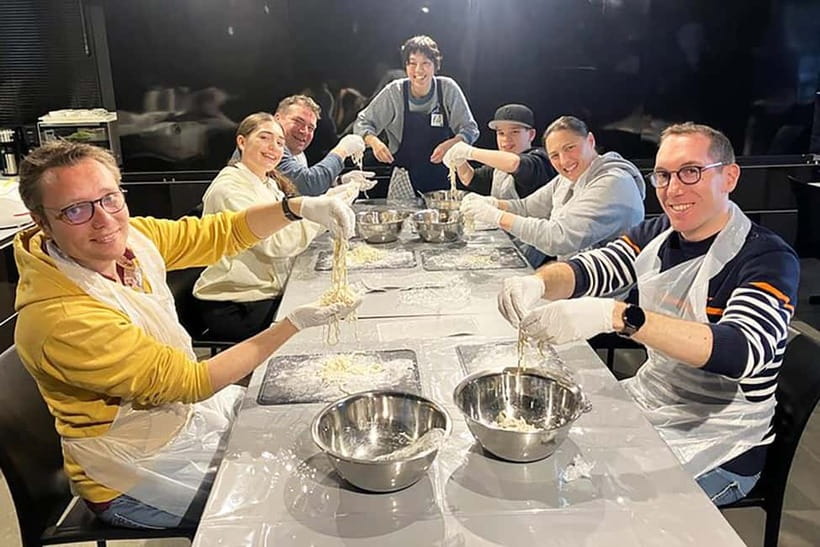
- Jiro-style ramen in English: the class is specifically the only one listed that teaches Jiro-style ramen in English
- A real supermarket stop: you’ll walk through ingredients before cooking, so the ramen makes sense in context
- Fresh noodles from flour: you learn the hands-on noodle-making process instead of starting with store-bought noodles
- Patia Kitchen Studios location: central Tokyo studios near a train station and used on Japanese TV for Jiro-style ramen
- Small group format: limited to 6 participants, so you get more direct attention
- Photos during and after: later-downloadable photographs are included
Akihabara First: Why the Street Walk Matters Before You Cook
Starting in Akihabara makes this more than a cooking class with a nice view. You get a guided walk through the neighborhood’s recognizable mix of gadgets, anime, and pop culture, but the point isn’t just photos. It’s a fast way to get your bearings in one of Tokyo’s most specific-feeling areas, then shift immediately into food thinking.
The best part is the rhythm. You’re not dropped into a kitchen out of nowhere. You’re in an actual Tokyo food-and-life setting, and then you head to a supermarket where you’ll see what’s normal to Japanese cooks right now. That connection matters because ramen isn’t only about flavor in the bowl. It’s about ingredient choices, packaging, and what’s available locally.
The walking portion is short, about 20 minutes, so you’re not stuck doing sightseeing all morning before the real activity begins. If you’re trying to fit Akihabara into a short Tokyo window, this pacing is smart.
You can also read our reviews of more cooking classes in Tokyo



The Akihabara Grocery Store Walk: What You Learn to Spot in Japan
Next comes the supermarket stop, about 20 minutes. This is where you’ll learn what ingredients you’re using for your ramen that day and how they fit together. I like this structure because you leave the store with a mental map: you can point at items and connect them to broth, noodles, and toppings later.
This also helps you shop smarter if you want to repeat the ramen at home. You’ll get a better sense of what the class is built on, and you’ll understand why certain ingredients are chosen instead of treated like mystery powders. Even if you don’t cook at home often, it makes you more confident ordering ramen in Japan because you know what to ask for and what to notice.
There’s also a practical benefit: you’ll see Japanese product formats and labels in a real store setting. That turns into confidence later if you’re wandering on your own and trying to decode what you’re looking at.
Patia Kitchen Studios: A Central Tokyo Kitchen Setup
After the supermarket, you’ll take a train to the kitchen studio. The transfer takes roughly 15 to 30 minutes, and the transportation from Suehirocho Station to the studio isn’t included. In practice, plan for a quick local hop and have a Suica or other IC card ready.
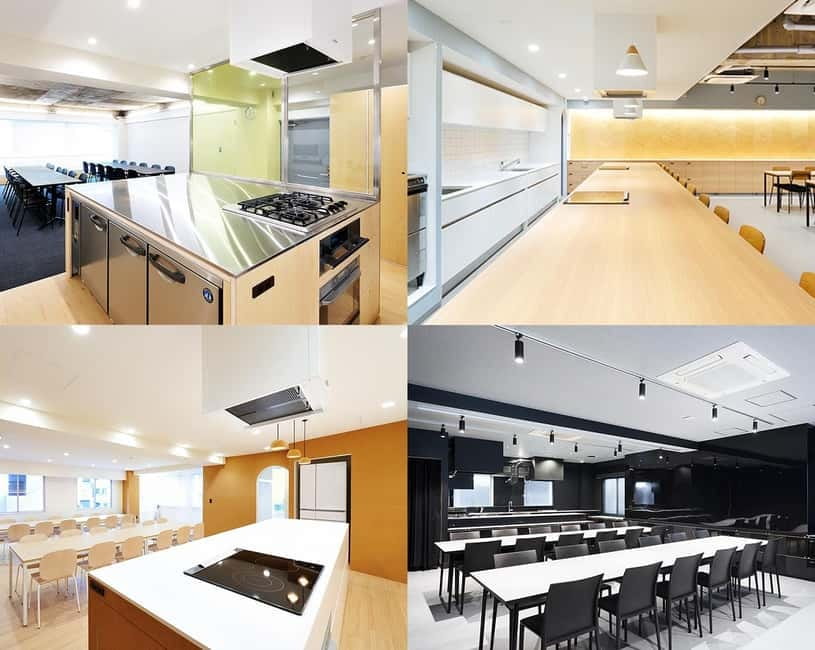
Once you arrive, you’re working in Patia Kitchen Studios, described as stylish, spacious, and relaxing, and located just a few minutes from the nearest station. The location is a big deal in Tokyo classes because you don’t want your energy spent on long transfers right after shopping.
The venue is also noted for popularity with Japanese TV programs featuring Jiro-style ramen. You don’t need that detail to enjoy the class, but it does hint at why this setup exists: the focus is on a ramen style that has enough identity to teach properly, not just cook casually.
The Main Event: Making Ramen Noodles From Flour
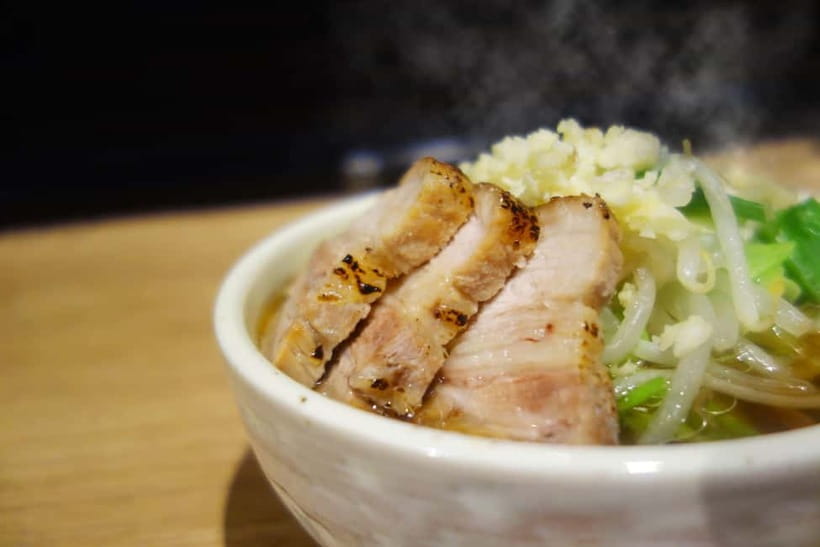
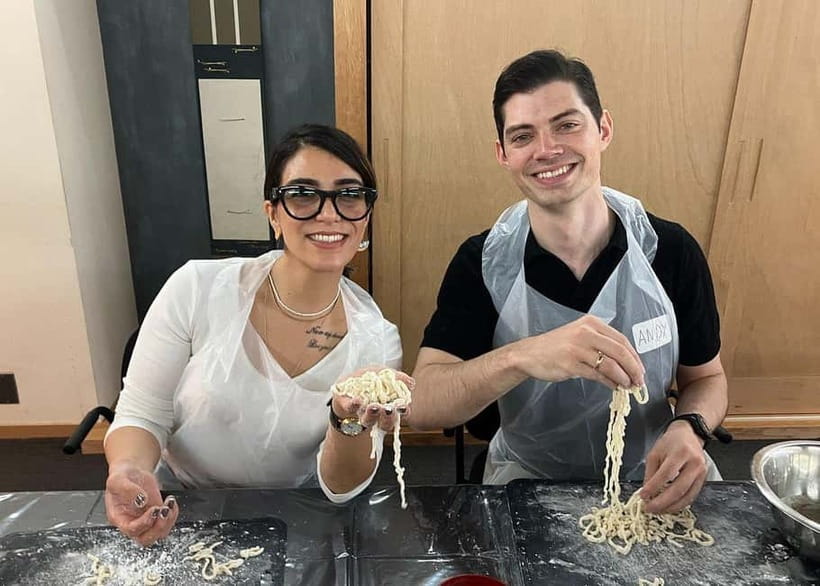
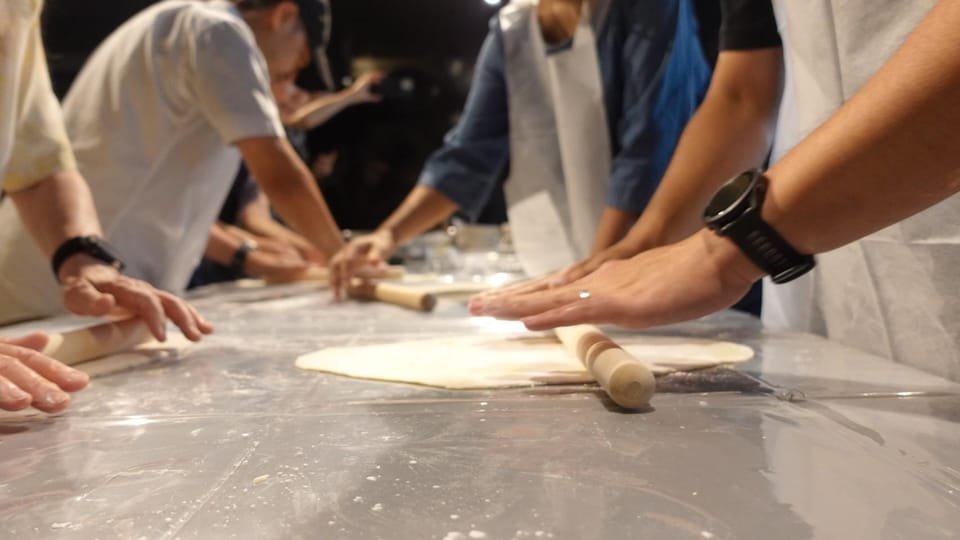
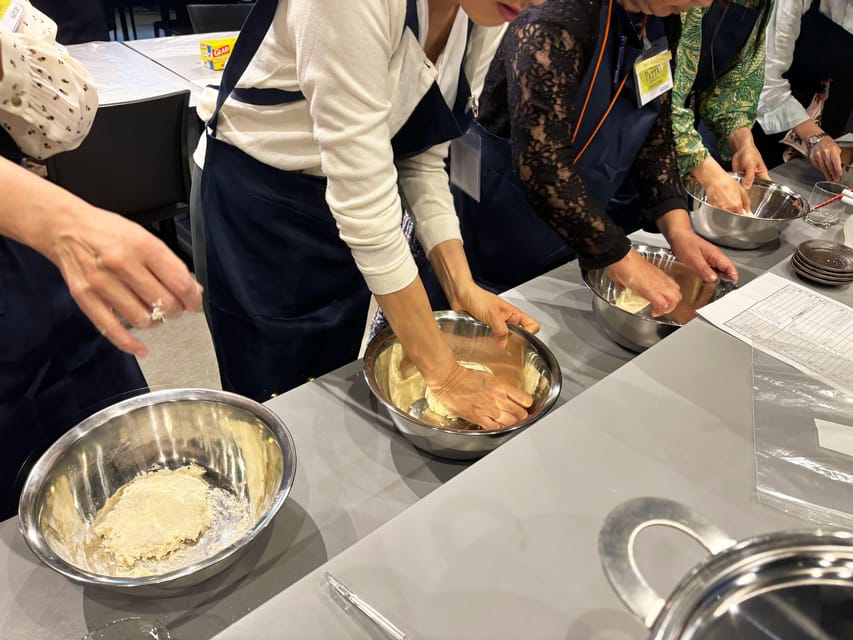
The class itself runs about 90 minutes and is the heart of the experience. You’ll make ramen from scratch, including the fresh noodles. That’s the part I think is most valuable for you if your goal is to understand how ramen is built, not only how it tastes.
Making noodles from flour changes your relationship with ramen. Store-bought noodles are consistent, but fresh noodles introduce all the small variables that ramen cooks deal with: texture, handling, and timing. You’re guided by an English-speaking instructor, so you’ll understand what you’re doing and why certain steps matter.
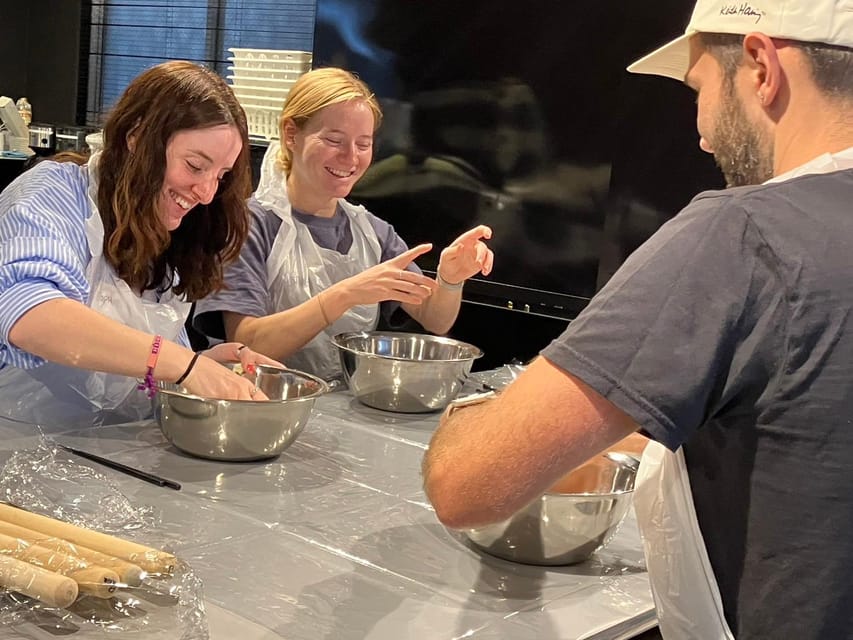
And because this is a small group (up to 6), the instructor can adjust and guide as you work. If you’ve tried cooking classes before and felt like you were stuck watching a demo, this structure is the opposite. You’re hands-on.
A key detail: Chashu choice
You’ll also prepare the broth and toppings, and chashu is part of the ramen experience. If you let the organizers know more than 48 hours in advance, you can change the chashu from pork to chicken. That’s useful if you eat pork and still want to keep some variety.
You can also read our reviews of more tours and experiences in Tokyo





Jiro-Style Ramen: What “From Scratch” Really Means Here
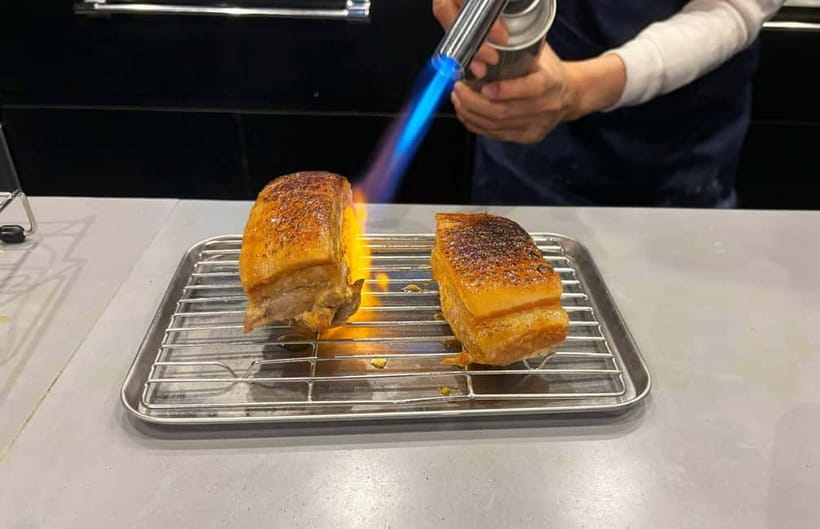
The class is built around Jiro-style ramen, and it’s taught in English. That’s a standout detail because this style has strong identity, and you don’t always see it explained clearly in languages other than Japanese.
So what does “Jiro-style” mean in your day-to-day cooking experience? You’re not just boiling noodles and calling it ramen. You’ll be guided to prepare the broth and toppings and then bring everything together into a bowl. The practical takeaway is how each component supports the final taste: broth gives depth, toppings bring texture and richness, and the fresh noodles carry everything to your mouth.
Based on how people describe their results, this is also a class where your bowl is truly good, not just a satisfying experiment. One visitor even said it was the best ramen they ate during their whole trip, and that tracks with how much work goes into noodles plus broth plus toppings. It’s hard to get great flavor by accident when you’re doing the full process.
What You Eat: Your Bowl at the End
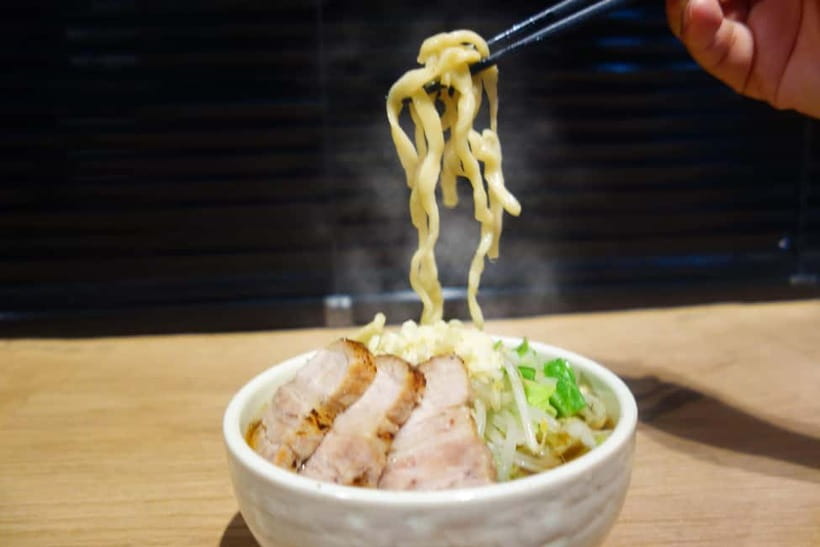
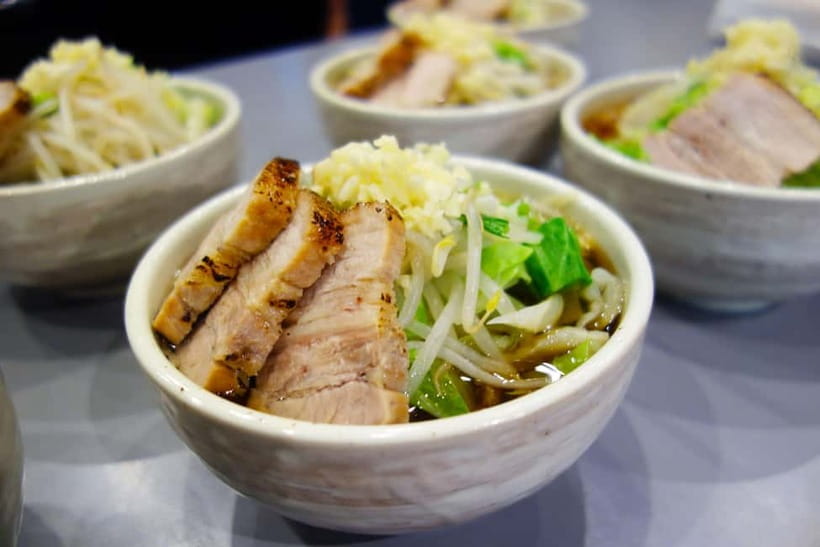
By the end of the class, you’ll enjoy the bowl of Jiro-style ramen you made yourself. Food and beverage are included, so you’re not worried about where your next drink or snack will come from while you’re in the middle of the lesson.
This meal is the payoff. The value here is not only eating ramen, but eating ramen with context. You made the noodles, you handled components, and you learned how the ingredients relate to the final structure.
You’ll also get later-downloadable photographs during the experience. In a city where you might already be taking photos nonstop, this is a convenient bonus because you won’t be juggling phone shots while your hands are busy.
Timing and Getting There: The Logistics That Can Make or Break Your Day
This is a 3-hour experience, starting at 11AM at JR Akihabara Station outside the Central Ticket Gate. You need to show up on time. If you’re more than 10 minutes late, the group leaves ahead of you and you’ll be asked to go directly to the kitchen studio. No refunds are made for delays.
That means you should treat the meeting point like a real appointment. In Tokyo, one wrong turn plus a train platform change can cost time, and this tour doesn’t wait.
Also note the tour ends at the kitchen studio, which is a different place from where you meet. So after lunch, you’ll likely leave from the studio area rather than back at Akihabara Station. Plan your next Tokyo stop with that in mind.
One more practical point: hotel pickup and drop-off aren’t included. You’ll be using your own Tokyo transit route to get to the meeting point and to move between stops.
Price and Value: Why $120 Can Be Fair for This Kind of Class
At $120 per person for about 3 hours, this isn’t a budget activity. But it also isn’t a token cooking demo.
Here’s what you’re paying for:
- Fresh noodle-making from flour (not pre-made noodles)
- Broth and topping work for a specific ramen style
- A guided supermarket ingredient walk
- Food and beverage included
- Later-downloadable photos
- Small group size (limited to 6), which usually means more real instruction time
If you compare it to a standard cooking class that doesn’t include the ingredient walkthrough, or one that doesn’t teach a distinct style in English, the value improves. The English instruction is also a big factor: you’re getting technique explained in a way that you can actually use.
To be clear, it’s still an “experience” price. If all you want is a bowl of ramen, you’ll find cheaper options. But if you want to learn, then practice, then eat what you made—this price starts to make sense.
Who This Ramen Class Is Best For
This is ideal if you:
- Want a hands-on cooking experience and not just a meal
- Like Akihabara and want a guided way to see it with purpose
- Are specifically interested in Jiro-style ramen and want instruction in English
- Prefer small groups where you’re not waiting your turn forever
It’s a weaker fit if you:
- Need vegan or vegetarian options (none are available)
- Have limitations with mobility or back problems (not suitable)
- Use a wheelchair (not suitable)
- Are traveling with a baby stroller (not allowed)
Should You Book This Ramen Making From Scratch + Akihabara Tour?
I’d book it if you want one Tokyo day that connects neighborhood life with cooking skills you can explain afterward. The ingredient stop makes the ramen feel grounded, and the noodle-from-flour part is the difference between learning and just consuming.
I would skip it if your food preferences require vegan or vegetarian meals, or if mobility issues make a short walk and kitchen time difficult. If you’re in the middle—curious about ramen, okay with meat-based ingredients, and interested in a small-group class—this is one of those experiences that gives you a result you can taste immediately, then remember later.
FAQ
FAQ
What time and where do I meet for the tour?
You meet at 11AM at JR Akihabara Station, outside the Central Ticket Gate.
How long is the experience?
The experience lasts about 3 hours.
Is the instructor English-speaking?
Yes. The class is taught with an English-speaking instructor.
What’s included in the price?
Included are the grocery store tour, the cooking experience, food and beverage, and later-downloadable photographs during the experience.
What is not included?
Hotel pickup and drop-off are not included. Also, transportation from Suehirocho Station to the studio is not included.
Do I need to buy anything for transit?
You’ll likely use your own Suica or other IC card for the train. If you don’t have one, the guide will help you buy a ticket.
Where does the class end?
The class ends at the kitchen studio, which is a different place from the Akihabara station meeting point.
Can the chashu be changed from pork to chicken?
Yes, if you let the organizers know more than 48 hours in advance, they can change chashu from pork to chicken.
Are vegan or vegetarian options available?
No. Vegan and vegetarian options are not available.
Is it suitable for children or people with mobility needs?
It’s not suitable for children under 5. It’s also not suitable for people with back problems or wheelchair users, and baby strollers are not allowed. Smoking is not allowed.