REVIEW · TOKYO
Tokyo: Guided Walking Tour of Tsukiji Market with Lunch
Book on GetYourGuide →Operated by True Japan Tour · Bookable on GetYourGuide
Food and faith start at Tsukiji. I like the small-group feel and 9 tastings that turn the walk into real eating, not just sightseeing; a possible downside is that the exact food quality can feel uneven for some people.
You begin at Tsukiji Hongwanji Temple, admiring an exterior with ancient Indian-inspired Buddhist roots before you hit the market lanes. I also like how the guide connects Japanese culture and religion to what you’re tasting, including tea and dashi-style flavors that make sense of the menu.
If you’re expecting a pure all-you-can-eat food sprint, read the room: this is a structured tasting tour, and some dishes may be more subtle than you’d hope for the price.
In This Review
- Key things I’d pay attention to
- Tsukiji Hongwanji Temple: Your Start Line for Food and Belief
- Outer Market Walk: Watching Wholesalers Without Getting Lost
- The 9 Included Tastings: What You Actually Eat
- Yakitori, Tuna, and More: How to Think About the Flavors
- Price and Value: Is $113 Reasonable for 165 Minutes?
- Logistics That Matter: Meeting at Tsukiji Station and Comfortable Shoes
- Who This Tour Fits Best (and Who Might Prefer DIY)
- The Guided Experience in Action: How the Group Is Kept Moving
- Should You Book This Tsukiji Guided Market Tour?
- FAQ
- How long is the Tsukiji Market guided walking tour with lunch?
- Where is the meeting point?
- What’s included in the price?
- Is the tour offered in English?
- What is the group size?
- Is free cancellation available?
Key things I’d pay attention to

- Tsukiji Hongwanji Temple start: you get architecture context before the food chaos.
- English guide plus small group (up to 10): easier pace and clearer explanations.
- 9 included tastings: not random snacks, but a set spread of seafood, beef, omelette, rice, and drinks.
- Wholesaler focus at the Outer Market: you’re watching people work, not just shopping.
- Organization tricks: guides like Tomoko have been known to help with queues and keep things tidy.
- Taste items span sweet, savory, and stock: you’ll see tea and dashi mentioned as part of the experience.
Tsukiji Hongwanji Temple: Your Start Line for Food and Belief
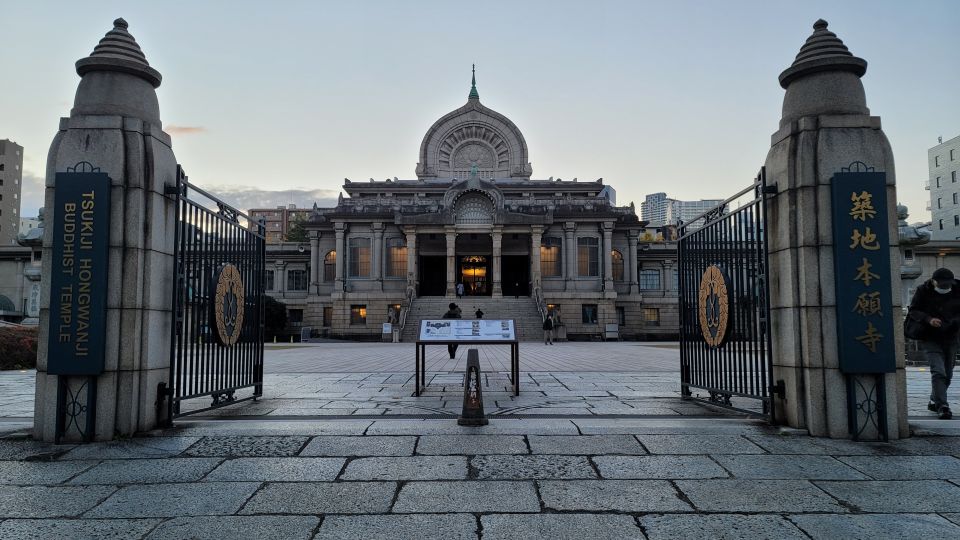
The tour meets at the main gate of Tsukiji Hongwanji Temple. Even before you reach the food stalls, this start changes the tone. The temple exterior is described as ancient Buddhist-inspired architecture with Indian-inspired elements, so you’re not just stepping into a market—you’re walking into a place where tradition shapes daily life.
This matters because Tsukiji is famous for seafood, but Japan’s food culture isn’t only about ingredients. The tour frames cuisine as something connected to routine, ritual, and belief. That’s why you’ll notice food stops paired with explanations, including how tea and dashi fit into Japanese eating habits.
It’s also a practical win. Starting at a fixed, easy-to-spot landmark (the temple gate) makes the first 10 minutes less stressful. You don’t have to assemble your own plan in a place where signs, lanes, and crowds can blur together fast.
You can also read our reviews of more walking tours in Tokyo


Outer Market Walk: Watching Wholesalers Without Getting Lost
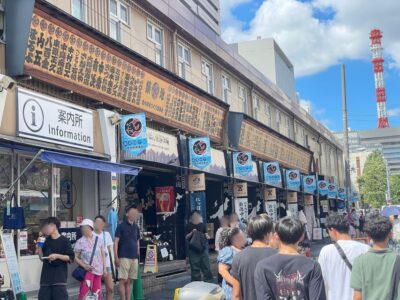
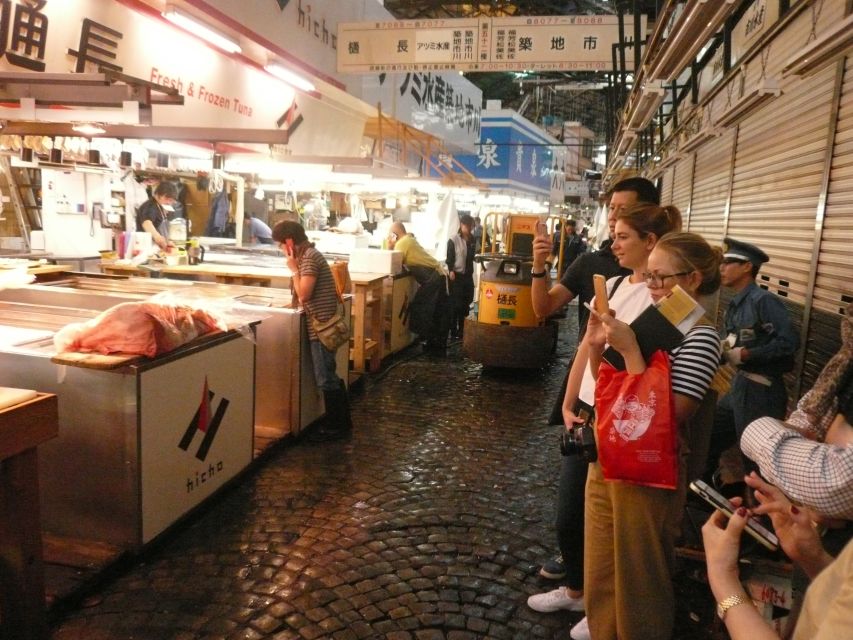
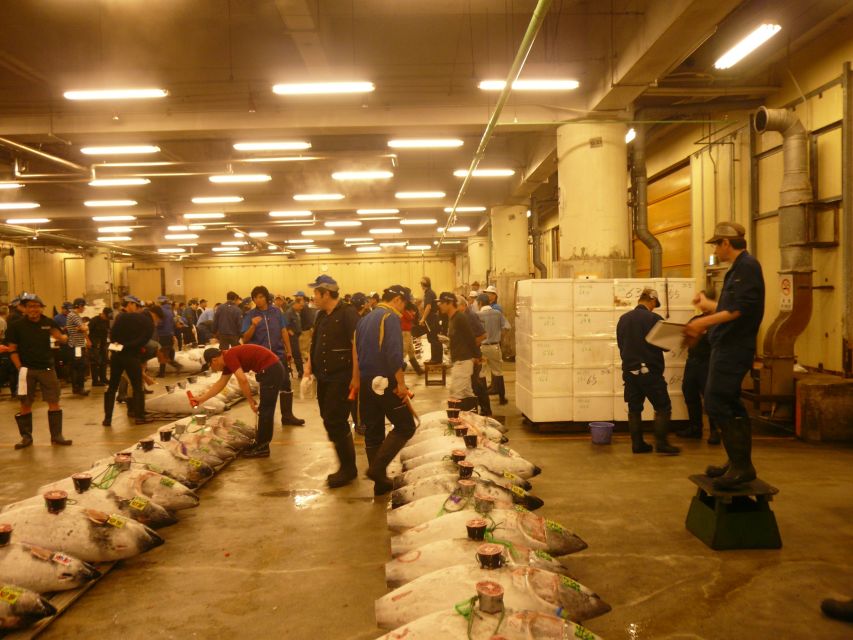
Once you move from the temple area into the Tsukiji Outer Market, the whole scene flips from calm stone and corners to tight aisles, fast talk, and a steady flow of customers and workers. This is one of the largest wholesale fish markets in the world, but the Outer Market is also where visitors and smaller eateries meet the larger wholesale energy.
The difference on a guided walk is simple: your guide helps you stay oriented while you pass restaurants, shops, stalls, and the people who actually handle product. You’re not stuck staring at menus or taking photos of boxes you can’t identify. Instead, you’re observing what’s happening around you—expert wholesalers busy at work, plus sellers setting up what they know will move that day.
I like that the tour doesn’t treat Tsukiji like a theme park. Even when it’s crowded, the messaging stays grounded in how the market operates. And because it’s capped at 10 participants, the group can actually move together instead of turning into a slow-moving bottleneck.
There’s also a small detail that can save your trip. In one example, a guide named Tomoko has been described as happy to queue for the group at food stalls, while the rest of you explore. That’s a real time-saver when lines snake around counters.
The 9 Included Tastings: What You Actually Eat
The tour includes 9 tastings, built around familiar market favorites and a few items that help you understand how Japanese flavors are put together. You should think of this as a guided sampler with a meal-like structure, not just a handful of bites.
Here’s what’s included in the tastings list:
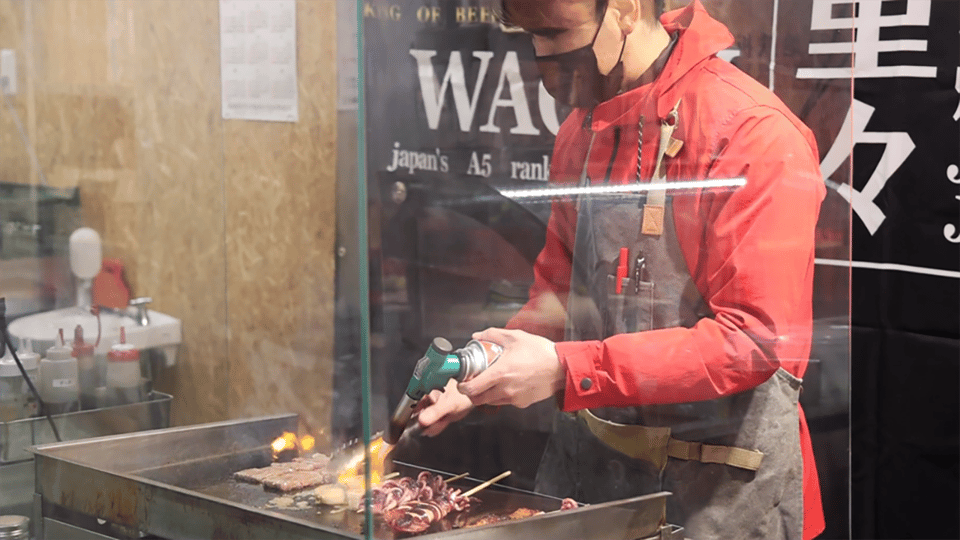
- Grilled seafood or beef skewers
- Japanese-style omelette
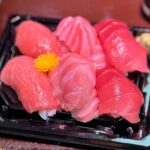
- Tuna sushi
- Fried fish paste skewers
- Filled rice balls
- Dessert
- A drink
- Sample of Japanese tea
- Sample of dashi soup stock
What makes this set work is the mix. You’re not only repeating one flavor profile. You’ll get smoky, grilled items, then transition into something egg-forward (omelette), then move into raw or vinegared notes with tuna sushi. The filled rice balls add a filling, portable element that makes the market feel like a living lunch break rather than a tasting event.
The dashi and tea parts are especially useful if you want to understand Japanese food beyond the headline ingredient. Dashi is a base flavor that shows up in many Japanese dishes, but most visitors never experience it as a standalone sample. The fact that this tour includes it helps you connect the dots between what you taste and why it tastes balanced.
One practical tip: come hungry, but not starving. A couple of tastings come in forms that can be surprisingly filling, especially the rice-based item and the grilled skewers.
Yakitori, Tuna, and More: How to Think About the Flavors
When I look at a tasting tour, I care about two things: does it make the food make sense, and does the guide help you order with confidence? This one scores well on both.
The skewers—whether grilled seafood or beef—give you a straightforward market entry point. They’re fast, hot, and easy to judge. From there, the tour shifts into variety: tuna sushi helps you taste the seafood star role Tsukiji is known for, while the Japanese-style omelette adds a comforting, egg-and-sauce comfort angle that’s less about spectacle and more about texture.
The fried fish paste skewers are the kind of item many people skip when self-guiding, mostly because they don’t know what to ask for or how it’s typically seasoned. Having it included is useful because it widens your sense of what fish looks like after it’s transformed into something edible on a stick.
Then the tour brings in two items that calm the palate and explain the bigger picture:
- Japanese tea, which can act like a reset between richer bites.
- Dashi soup stock, which turns a mystery taste into something you can name and recognize later.
This is also where the culture-and-religion connection pays off. If you understand that Japanese eating habits often include bases, stock flavors, and complementary tea rhythms, the meal starts to feel less random. It feels intentional.
As a note, not every person rates every bite equally. One review mentioned dishes like sushi rice balls with tuna mayo and described tuna sushi as average, with concern that the food didn’t match expectations for the price. So if you’re extremely price-sensitive, you may want to think of this as a guided experience first, food second.
Price and Value: Is $113 Reasonable for 165 Minutes?
At $113 per person for 165 minutes, you’re paying for three things: the guide, the structure, and the tastings. You’re also paying for time saved. In Tsukiji, finding the right stall and navigating queues can eat up your energy quickly—especially if you don’t speak the language or don’t know which items are worth your money.
The included 9 tastings bring the math closer to a meal experience. This isn’t a tour that dumps you in front of one standout stall and calls it lunch. You get multiple food types plus tea and dashi, which should add up to more than a snack crawl.
Where value can feel uneven is expectation. If you expect every bite to be a top-tier highlight, one person’s average can feel like a mismatch. That’s what one critical review described: the guide was friendly and informative, but some dishes sounded less impressive than hoped for the price.
On the other hand, the strongest feedback consistently praises the guide experience. People described guides as relaxed and informative, with one named Tomoko described as fuss-free and organized, even bringing food boxes or cleaning wipes to help the group stay tidy. Another named Yumiko was described as having lots of history and helping navigate the market with an assistant named Sachiko.
My take on value: this tour makes sense if you want a guided, well-paced lunch with cultural context and a guided path through a place that’s hard to DIY comfortably. If you already know Tsukiji well and you mainly want to chase specific vendors, you might prefer a lighter plan and spend your money directly where you choose.
You can also read our reviews of more guided tours in Tokyo



Logistics That Matter: Meeting at Tsukiji Station and Comfortable Shoes
The tour meets in front of Tsukiji Hongwanji Temple. Directions are straightforward if you’re coming from Tsukiji Station (on the Hibiya Line): take Exit A1, turn left, and walk about 50 meters (55 yards) to the temple entrance.
Your two biggest practical needs are:
- Comfortable shoes (the market walk is on foot and involves time standing in lines).
- A relaxed pace mindset. You’re moving through narrow spaces with people flowing around you.
The tour is English live guided and is designed for a small group limited to 10 participants. That group size is a big deal here. With fewer people, you can actually hear explanations and keep up without turning the walk into a constant power struggle.
Also, the tour is listed as wheelchair accessible, so it’s set up to accommodate mobility needs better than many tightly packed market experiences.
Who This Tour Fits Best (and Who Might Prefer DIY)
This works especially well for:
- First-timers in Tsukiji who want more than a photo stop.
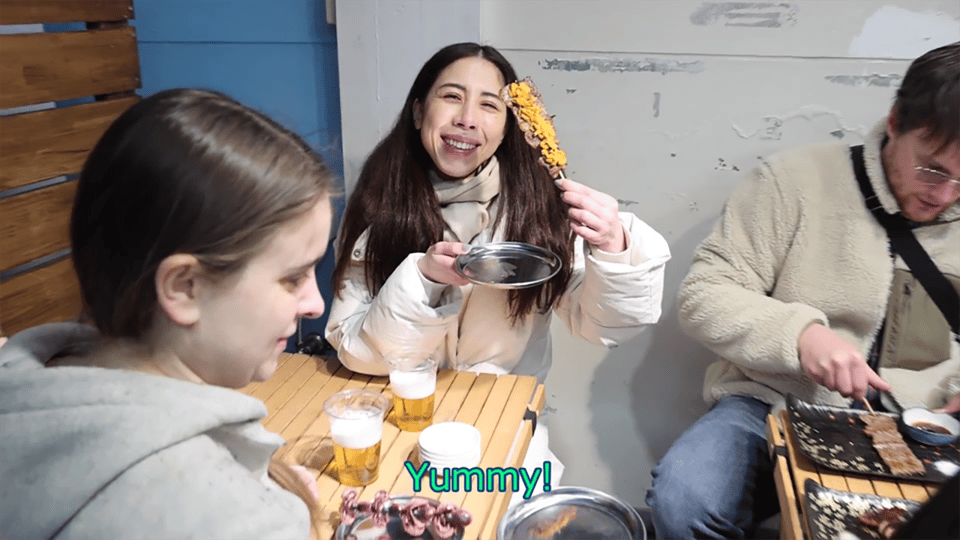
- Food lovers who like a mix of seafood, beef, and Japanese staples like omelette and rice balls.
- Travelers who care about why food matters, not only what food is.
- Anyone who appreciates organization—if your guide queues for you and keeps the group tidy, that reduces friction fast.
It might be less ideal for:
- People hunting for the most famous ultra-specific vendors and bargaining like a pro.
- Anyone who expects the tour to feel like an unstructured, all-food, all-time tasting festival.
- Strict budget travelers, since a portion of the included items may feel like sampler bites rather than a full feast.
If you’re somewhere in the middle—curious about Tsukiji but not trying to become a wholesale seafood expert overnight—this is a very reasonable way to get your bearings.
The Guided Experience in Action: How the Group Is Kept Moving
A good market guide doesn’t just explain; they also manage timing. Based on how this tour has been described, guides help with queues and keep the group organized so you don’t lose your place or your appetite.
For example, Tomoko has been praised for being relaxed and informative and for stepping in with coordination like queuing while others explore. That kind of movement management matters in Tsukiji because lines can form quickly and stall areas can be confusing.
There’s also mention of assistants working alongside the main guide. Yumiko and an assistant named Sachiko were described as navigating the market expertly and keeping the experience friendly. That structure tends to reduce the classic market problem: one person holding up the group because they can’t find the next stop, or because they’re stuck translating a menu.
When the guide and assistant model good organization, the tastings feel smoother. You spend time tasting and learning, not constantly asking where to go next.
Should You Book This Tsukiji Guided Market Tour?
Book it if you want a guided Tsukiji Outer Market lunch that includes a real set of tastings, plus context about how Japanese food connects to culture and belief. The standout strength here is the guide experience—multiple named guides have been described as relaxed, organized, and able to make Tsukiji feel understandable.
Consider skipping or adjusting expectations if you mainly want a pure food crawl where every single bite must be a slam-dunk, or if you already know Tsukiji well and prefer vendor-by-vendor choices.
One last practical point: come with comfortable shoes and a pace that lets you enjoy standing in line. Tsukiji isn’t a museum where everything is slow and easy. It’s a working market, and the best part of this tour is learning how that work connects to lunch.
FAQ
How long is the Tsukiji Market guided walking tour with lunch?
The tour lasts 165 minutes.
Where is the meeting point?
Meet in front of Tsukiji Hongwanji Temple. From Tsukiji Station (Hibiya Line), take Exit A1, turn left, and walk about 50 meters to the temple entrance.
What’s included in the price?
The price includes a guide and tasting of 9 local specialties, including items such as grilled seafood or beef skewers, Japanese-style omelette, tuna sushi, fried fish paste skewers, filled rice balls, dessert, a drink, Japanese tea, and dashi soup stock.
Is the tour offered in English?
Yes. It’s a live tour guide in English.
What is the group size?
It’s a small group limited to 10 participants.
Is free cancellation available?
Yes. Free cancellation is available up to 24 hours in advance for a full refund.