REVIEW · TOKYO
Mt Fuji and Hakone 1-Day Bus Tour Return by Bus
Book on Viator →Operated by Japan Panoramic Tours · Bookable on Viator
Fuji in a single day is the plan. This full-day bus tour targets Mt. Fuji at Subaru Line 5th Station, then adds Hakone’s cable car and Lake Ashi cruise so you get big scenery without renting a car. I like how the day is built around classic viewpoints, but the schedule can feel tight, and poor weather can shrink the views fast.
You’ll start with pickup in Tokyo at either Matsuya Ginza or the LOVE Shinjuku meeting area, then ride in an air-conditioned bus with free Wi-Fi. Guides like Levin, Hiro, Yui, Aya, and Sora come up again and again in the glowing write-ups, often mixing practical on-site tips with light humor. The main thing to weigh is whether you want a bus-heavy day, because even with stops, a lot of time goes to driving.
In This Review
- Key Highlights to Know Before You Go
- One-Day Fuji and Hakone: The Real Value of a Guided Route
- Meeting Points, Bus Comfort, and How the Day Starts
- Mt. Fuji Subaru Line 5th Station: What You’ll Actually Experience
- Lunch at the Base of Fuji: Buffet Convenience and Dietary Reality
- Hakone Ropeway: Getting Height Without Stress
- Lake Ashi Cruise: A Calmer Pace After Busy Stops
- The Unseen Half of the Day: Time on the Road
- Where You Finish: Shinjuku vs. Odawara and Your Return Options
- Price, Value, and Who This Tour Fits Best
- Weather, Motion, and Other Gotchas to Plan For
- Should You Book This Mt. Fuji and Hakone Bus Tour?
Key Highlights to Know Before You Go
- Mt. Fuji Subaru Line 5th Station is the anchor stop for photos and that sacred on-mountain feeling, weather permitting
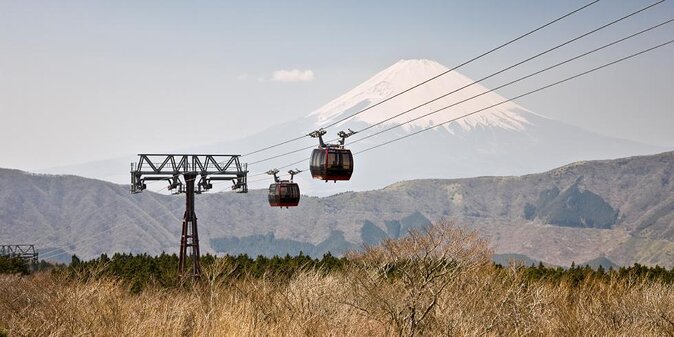
- Hakone Ropeway adds a true aerial viewpoint with sweeping angles over the region
- Lake Ashi cruise is a calmer payoff after a busy run of checkpoints
- The bus setup is comfortable and useful (AC plus Wi-Fi, plus multilingual audio)
- Lunch options exist, but halal and vegan are limited so plan carefully if you have strict needs
- On weekends and holidays, you may end at Odawara instead of Shinjuku due to traffic
One-Day Fuji and Hakone: The Real Value of a Guided Route
This is the kind of trip that makes sense when you want “Japan outside Tokyo” without turning your day into a transportation puzzle. You’re paying for a guided, pre-timed plan that includes two paid sightseeing components: Hakone Ropeway and the Lake Ashi cruise. That matters, because in practice, those tickets plus guide help often cost you more if you try to stitch everything together on your own with multiple transfers.
At $136.05 per person, the math works best if you want the whole sampler platter: Fuji viewpoint time, a cable car, then a boat on Lake Ashi. If you’re hoping for lots of unstructured roaming or slow travel, you may feel the pressure. Several unhappy comments point to a “more time on the bus than at the stops” vibe, which is usually the trade-off with day tours that include multiple regions.
The sweet spot is a classic first-timer itinerary: you get to see the big names, learn how the area works, and still end with a fairly smooth return option. If you’re travel-smart and pack your patience, it can feel like an efficient use of time rather than a rushed checklist.
You can also read our reviews of more tours and experiences in Tokyo



Meeting Points, Bus Comfort, and How the Day Starts

Your morning begins with pickup at one of two Tokyo locations: Matsuya Ginza (7:20am) or the LOVE Shinjuku meeting point (7:50am). There’s also a specific meetup tied to the Robert Indiana Sculpture LOVE statue, which functions as the final meeting location for the tour.
You’re in an air-conditioned coach with free Wi-Fi, and you’ll also get multilingual audio guidance on top of a professional English-speaking tour guide. The languages listed include English, Spanish, French, Italian, German, Portuguese, and Ukrainian, which is handy if your group has mixed language needs. The tour also caps at a maximum of 43 travelers, so you’re not stuck in a giant crush.
One practical note: audio and guide commentary can run for long stretches while you’re on the road. That’s not bad if you like learning as you go, but if you want silence and sleep, bring something to block sound or wear earbuds.
Mt. Fuji Subaru Line 5th Station: What You’ll Actually Experience
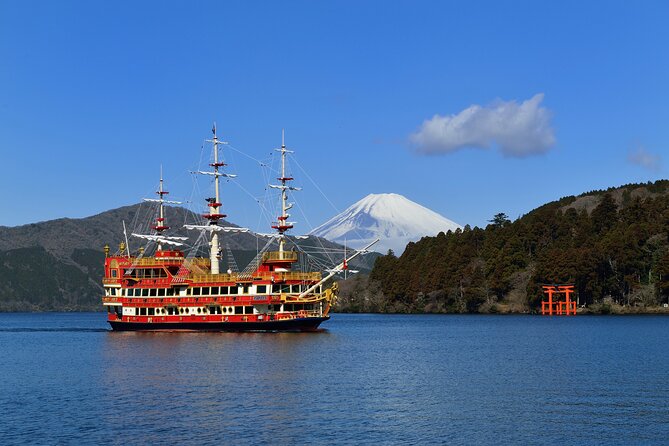
The first big sightseeing block is Mt. Fuji Subaru Line 5th Station, where you’re given about 30 minutes. This is the part of the trip that many people wait months for, because it’s where you get closer to the mountain’s atmosphere than you would from a distant viewpoint.
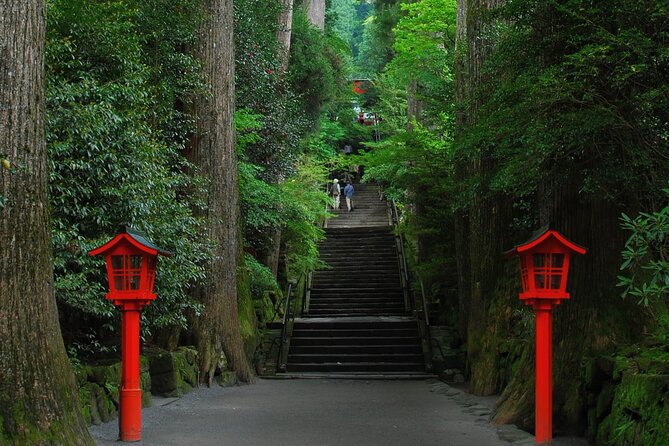
The stop is set up for two things: taking in the scenery and soaking up the sacred vibe of the on-site Shinto shrine area. If the skies are clear, this is when the dream photo happens. If visibility is poor, you may still enjoy the fresh mountain air and the sense of place, but the “full Fuji reveal” can be out of your control.
Also keep expectations realistic about timing. The tour is designed to hit several locations in one day, so 30 minutes can feel short if you’re chasing perfect angles or want more walking time. On top of that, the plan can shift due to weather or operational reasons, and there’s even a specific note that 5th Station may not be achievable on certain dates because of Mt. Fuji traffic regulations.
Lunch at the Base of Fuji: Buffet Convenience and Dietary Reality
After the Fuji stop, you’ll move to the lunch portion at the bottom area of Mt. Fuji, with about 40 minutes scheduled and a buffet-style meal included if you select the lunch option.
Here’s the useful part for planning your food needs. Vegetarian and Muslim-friendly lunch options are available if you request them during booking, and the buffet includes items like rice, vegetable soup, fruits, salads, vegetables, fried noodles (noted as containing pork), bread, desserts, and drinks. The information also states that gluten-free options may be limited.
If you need halal-certified meals or vegan meals, the tour’s provided lunch doesn’t cover that. In that case, the practical move is to book without the lunch add-on and bring your own food.
I like buffet lunch on a tour like this because it reduces decision fatigue, and you can usually eat quickly without slowing the whole group. The trade-off is that buffet food quality can be hit-or-miss depending on the day and the restaurant setup, and some people felt the lunch was more basic than they expected.
Hakone Ropeway: Getting Height Without Stress
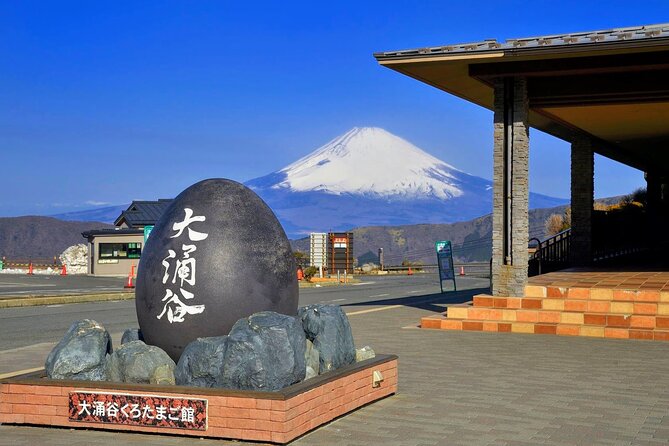
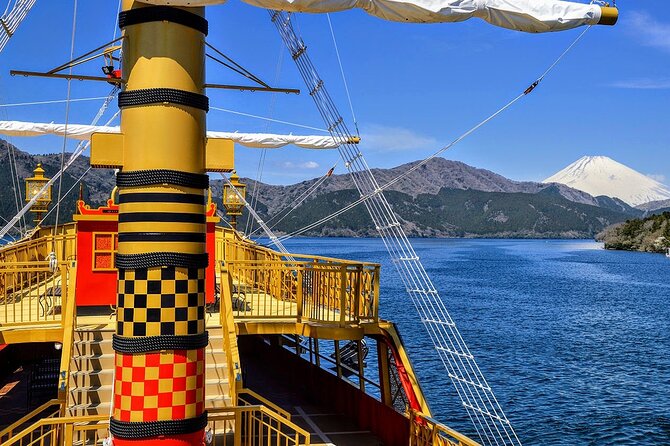
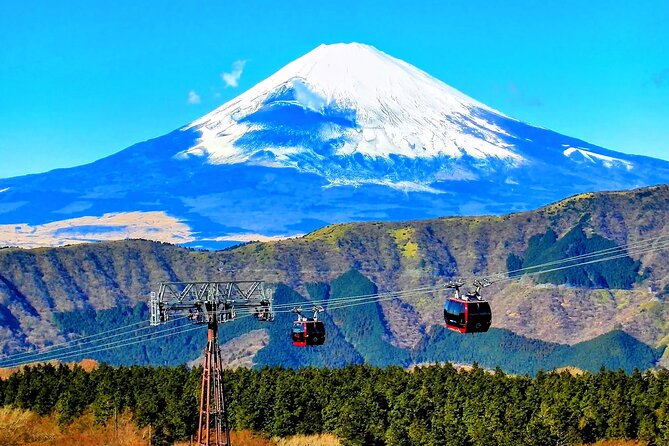
The Hakone Ropeway stop is about 30 minutes, with the ticket included. Ropeway time is where you typically get the “wow, I didn’t expect this angle” pictures, because you’re seeing Hakone’s natural layout from higher up while also keeping Mt. Fuji in the conversation when visibility cooperates.
This part can also be sensitive to schedule flow. If the day runs behind because of traffic, the tour may compress the experience or adjust what’s possible. There are notes that the itinerary order can change due to weather, traffic, or operations, and in worst-case scenarios the ropeway may not happen.
If you’re the type who likes cable-car rides (and who doesn’t mind standing in lines), this is one of the most efficient ways to add variety to a Fuji day. You get elevation, views, and a different kind of Fuji angle all in a half-hour block.



Lake Ashi Cruise: A Calmer Pace After Busy Stops
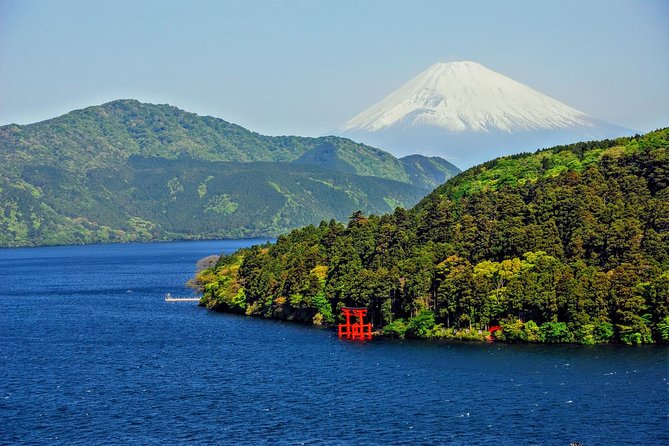
Next comes Lake Ashi (listed as Lake Ashinoko), with a cruise scheduled for about 30 minutes and admission included. This is the portion I consider the emotional exhale: after stairs, roadside scenic moments, and cable cars, the cruise is steady, breezy, and made for sitting back for a minute.
Lake Ashi is a caldera lake, so the setting feels more dramatic than a simple pond-outing. And even when visibility isn’t perfect, the water and shoreline views still make the stop feel worthwhile.
One detail worth knowing: some people mentioned a mismatch between the ship pictured in promotional material and the actual cruise vessel used. That doesn’t change the experience much, but if you’re a stickler for photo-perfect expectations, treat the cruise as a scenic ride, not a specific themed ship experience.
Also plan for crowding. The cruise can get busy, so if your comfort matters, aim for earlier boarding when possible and be ready to stand in line.
The Unseen Half of the Day: Time on the Road
This tour is marketed as a full day, and you should plan for the reality that you’ll spend a lot of your time moving. Even the positive feedback tends to frame the day as an organized drive-out-and-return experience, not a relaxed backpacking-style outing.
You can expect a long coach ride from Tokyo, plus the return leg depending on season and traffic. Some people feel the amount of travel time crowds out sightseeing time, and that’s a fair warning if you’re the kind of traveler who wants to linger and wander. On the other hand, if your priority is seeing the highlights without planning intercity timing, the bus approach can be a big win.
My practical advice: treat each stop like a photo-and-walk block, not a half-day adventure. If you go in with that mindset, you’ll be less frustrated. If you don’t, you might finish the day thinking you spent more time getting there than being there.
Where You Finish: Shinjuku vs. Odawara and Your Return Options
The tour ends either at Shinjuku (around 19:00, with the final drop-off noted at Mode Gakuen Cocoon Tower) or at Odawara Station Tourist Information Center for about 5 minutes. The deciding factor is traffic: on weekends and public holidays, the tour finishes at Odawara Station due to heavy congestion.
From Odawara, you can take the bullet train to Tokyo Station if you have the JR pass, and there’s also a note about booking a returning-by-bullet-train option when you need an easier Tokyo return. This is especially important if you want to avoid being stuck figuring out connections after a long day.
Another small logistics note: the information includes a luggage guideline for Shinkansen use, saying you won’t be able to bring non-reserved oversized luggage beyond a total size limit. If you’re traveling light, you probably won’t care; if you’re bringing large bags, it’s worth checking before you commit.
Price, Value, and Who This Tour Fits Best
For $136.05, what you’re really buying is time saved: a professional guide, AC coach with Wi-Fi, transport between regions, and included attractions like the Hakone Ropeway and the Lake Ashi cruise. Add lunch if you select that option, and suddenly you’re paying mostly for convenience and logistics rather than just ticketed sights.
This tour fits best if you:
- Want a first taste of Mt. Fuji and Hakone without driving
- Like guided context and don’t mind a structured schedule
- Can be flexible if the mountain view is limited by weather
- Appreciate photo stops with quick walking time
It may be less ideal if you:
- Want lots of free time at each stop
- Get stressed by tight timelines or long coach hours
- Need strict halal-certified or vegan meals for lunch (since the lunch options listed don’t fully cover that)
Guide quality seems to be a major strength. In the feedback, guides such as Hiro, Yui, Aya, Sora, Levin, and Tommy are singled out for being funny, friendly, and good at keeping things on track. That kind of guiding can make the difference between feeling rushed and feeling cared for, even when the schedule is the same.
Weather, Motion, and Other Gotchas to Plan For
This area is weather-dependent. If visibility is poor, you might still enjoy the shrine atmosphere and the scenery, but the classic “Fuji postcard” moment can fade. The tour does note that activities can be changed or substituted depending on conditions, and it lists alternative options such as Lake Yamanaka Swan Lake Cruise Ship, Odawara Castle, Oshino Hakkai, Hakone Sekisho, Minaka Odawara, Fujisan World Heritage Center, and Hakone Shrine.
If you’re sensitive to motion or atmospheric conditions, there’s also a warning that the tour isn’t recommended for those suffering from asthma. That’s one of those practical notes worth taking seriously.
Lastly, remember this is a group tour with time windows. If you’re late, you won’t be able to join mid-way. So set an early routine, arrive at the meeting point with buffer time, and keep your day moving like a pro.
Should You Book This Mt. Fuji and Hakone Bus Tour?
Book it if you want an efficient, guided day that hits Mt. Fuji’s Subaru Line 5th Station, then adds Hakone Ropeway and a Lake Ashi cruise without dealing with multiple transit steps. The value is strongest when you’ll appreciate included attractions, the bus comfort (AC and Wi-Fi), and the chance of a clear Fuji view.
Skip or consider a different plan if you’re expecting long, relaxed time in each place. This tour is built for coverage, and some days it can feel like a fast-moving checklist. Also think twice if your priority is guaranteed views, because weather can change everything.
My final take: for most people making a first Japan visit, this is a solid way to see two headline regions in one shot. Just go in ready for bus time, and your day will feel like a win rather than a fight.
![[Seasonal Limited] Mt. Fuji 5th Station &Hot Spring Day Tour - Your day on the road: pickup, drive time, and what to expect from the guide](https://e.thetokyoexplorer.com/wp-content/uploads/seasonal-limited-mt-fuji-5th-station-hot-spring-day-tour-400x225.jpg)