REVIEW · TOKYO
Tokyo: Challenge Sumo Wrestlers and Enjoy Meal
Book on GetYourGuide →Operated by Beauty of Japan (BOJ) · Bookable on GetYourGuide
Sumo comes with lunch and a costume. I love the way retired wrestlers explain what you’re watching, and I also like that you actually get to wear a sumo costume and try moves in the ring yourself. The one thing to think about: seating is assigned by booking order, so if you care most about hearing the English commentary, don’t wait until the last minute.
In plain terms, this is a short, fun sumo lesson plus a meal. You’ll see a real demonstration by former pros in the dohyo (the ring), then there’s time for photos and a question-and-answer style wrap-up. The vibe stays light, but you do walk away with a clearer sense of how sumo works and why it matters in Japanese culture.
Location-wise, you’ll be using Tokyo’s trains like a local. The meeting point is near Kikukawa Station (5–8 minutes from Exit A1), so it’s not one of those experiences that requires a taxi and a prayer. It’s an especially smart pick if you’re visiting when there isn’t a Grand Tournament scheduled.
In This Review
- Key Things I’d Prioritize Here
- Why This Sumo Experience Works Better Than Just Watching
- Getting There From Kikukawa Station (No Hotel Pickup Required)
- Meeting Retired Wrestlers and Learning Sumo in Real English
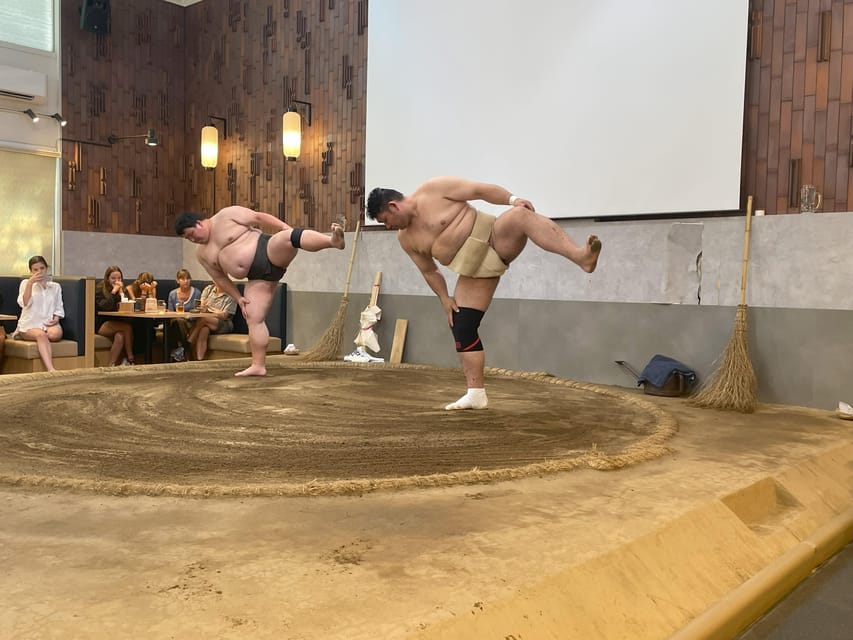
- The Dohyo Part: Costume, Ring Time, and Friendly Competition
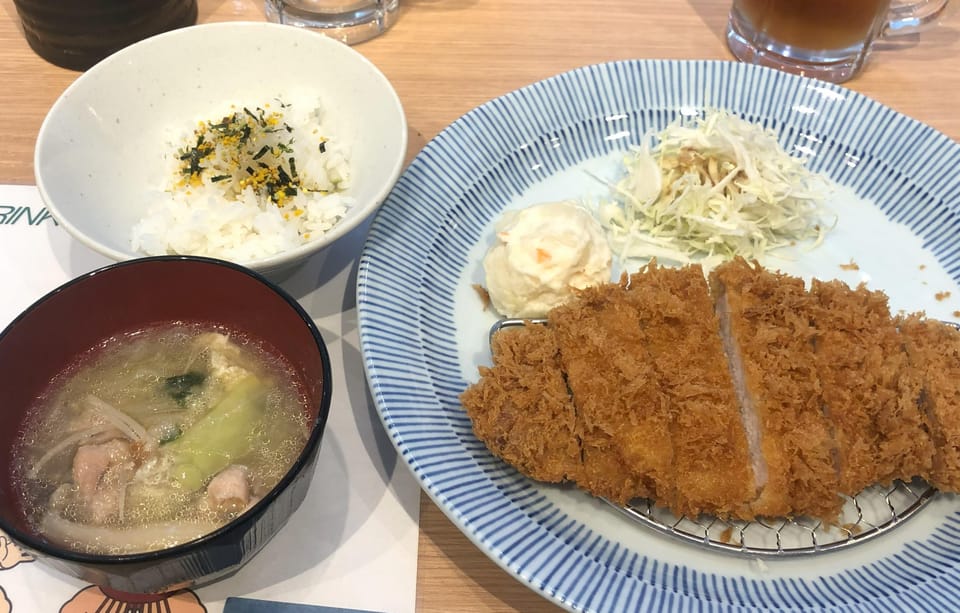
- Your Included Meal: Tonkatsu Lunch or Suikiyaki Dinner
- Photo Moments: When to Look Up and How to Get What You Want
- Seating and Group Size: Small Planning Tip, Big Difference
- Price and Value: What $117 Gets You in Tokyo Terms
- Who Should Book This Sumo + Meal Experience
- Should You Book This Sumo and Tonkatsu in Tokyo?
- FAQ
- How long is the sumo experience?
- What’s included in the price?
- Is lunch always included?
- What food will I get: tonkatsu or sukiyaki?
- Do I get picked up at my hotel?
- How do I find the meeting point?
- Is transportation to and from the restaurant included?
- Are there dietary accommodations?
- Can I bring my own food or drinks?
- What are the cancellation rules?
Key Things I’d Prioritize Here
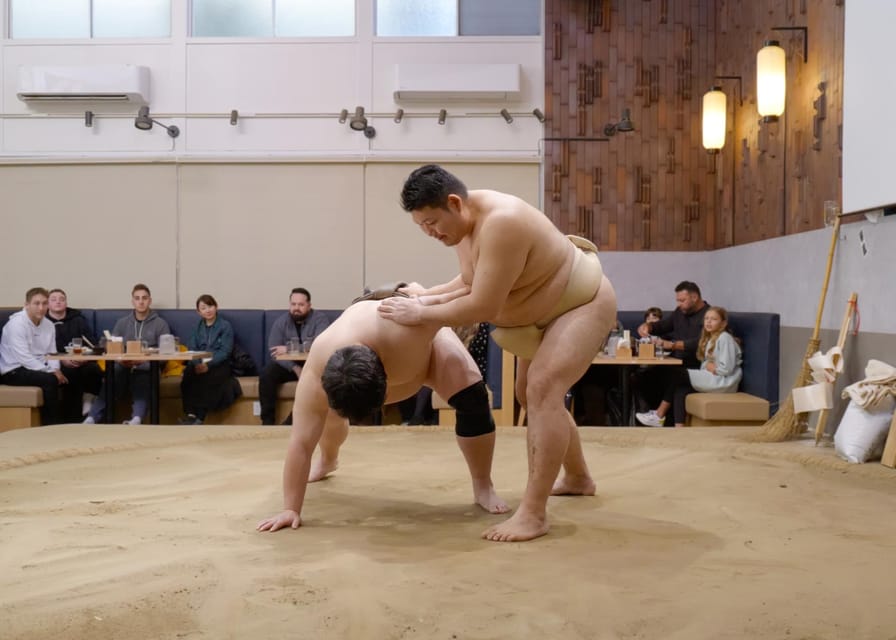
- Former sumo pros lead the demo and explanations in English
- Hands-on ring time where you put on a sumo suit and try your technique
- Photo time with the wrestlers so it’s not only a show for your camera
- Included meal options: tonkatsu lunch or sukiyaki dinner, based on what you book
- Best seats depend on booking order, so early planning helps if audio matters to you
Why This Sumo Experience Works Better Than Just Watching
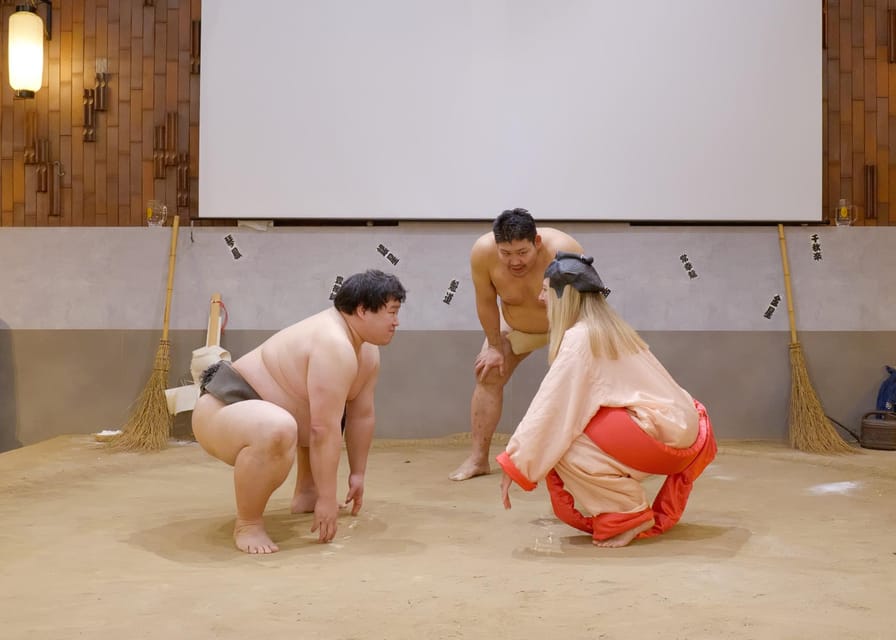
Tokyo has no shortage of things to do, but sumo is one of the few that instantly gives you a “real Japan” feeling. That’s because sumo isn’t just sport here—it’s ritual, discipline, and a whole set of rules and habits that show up in daily life and big festivals.
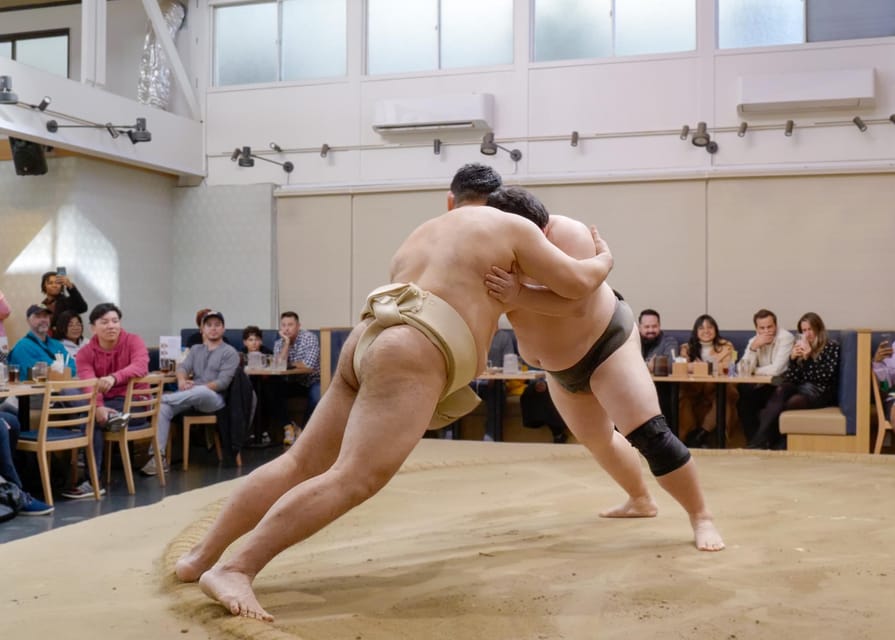
What I like about this format is the mix. You’re not only watching. You’re getting coached. After the demonstration in the ring, you try on a suit and step in for a hands-on moment, so you understand what feels awkward, what feels strong, and why technique matters. It’s one of those experiences where your brain learns while your body makes mistakes—then you get the basics right.
The other win is the meal. Many “culture show” experiences leave you hungry or eating something generic. Here, tonkatsu (deep-fried pork cutlet) for lunch or sukiyaki (beef and vegetables in sweet soy broth) for dinner is built into the schedule, so the day flows without awkward restaurant hunting.
You can also read our reviews of more tours and experiences in Tokyo.



Getting There From Kikukawa Station (No Hotel Pickup Required)
You meet near Kikukawa Station, using the Shinjuku Line. Get off at Kikukawa Station, then walk about 5–8 minutes from Exit A1. Since hotel pickup and drop-off aren’t included, plan on making your own way there.
This matters because Tokyo experiences often fail on one simple thing: timing. If you’re arriving late or stuck on a train connection, you’ll start the event stressed. With a straightforward station-and-walk meeting point, you can leave earlier, add a buffer, and still be comfortable.
Also keep in mind: the event ends back at the meeting point. So once you’re done, you’re already in the right spot to hop back onto transit.
Meeting Retired Wrestlers and Learning Sumo in Real English
The heart of this experience is the retired sumo wrestler who hosts you. You’ll meet, learn, and watch an exhibition-style demonstration featuring former wrestlers. The explanation is provided in English, with support from the host or greeter (English and Japanese are available).
Why that’s valuable: sumo is hard to “read” if you only see clips online. When you hear key terminology explained while you’re watching the action, the sport starts to click. You pick up how stance, grip, timing, and balance affect the outcome—not just who looks strongest.
You’ll also get a sense of the culture around the dohyo. Sumo has rules that feel formal on purpose, and understanding that tone makes the event more enjoyable instead of confusing. If you’ve ever thought, I like sumo, but I don’t get what I’m supposed to notice, this part is built for you.
The Dohyo Part: Costume, Ring Time, and Friendly Competition
After the demonstration, you get to go from spectator to participant. This is where the experience earns its money.
You put on a sumo costume and step into the ring to try techniques. It’s not about becoming a pro in 90 minutes. It’s about feeling the basics: how heavy the suit makes movement, how your stance changes your balance, and what it means to “meet” force with control.
This is also the part that tends to create the strongest memories. Even if you’re not athletic, you’ll still come away with that simple win: you tried it in front of real former wrestlers, not just in a classroom.
One practical note: treat this as training time. Listen to staff instructions and follow directions. If behavior becomes disruptive, the experience can require you to leave the hall with no refund—so keep it respectful, especially when you’re lining up for photos or Q&A.
Your Included Meal: Tonkatsu Lunch or Suikiyaki Dinner
The biggest practical benefit here is that your meal is included. Choose your option when booking:
- Tonkatsu lunch: deep-fried pork cutlet, typically served with the kinds of sides that make it feel like a proper Japanese meal.
- Sukiyaki dinner: beef and vegetables cooked in sweet soy broth.
This isn’t just a perk. It helps the whole schedule make sense. A 1.5-hour cultural activity can otherwise feel rushed. With food built in, you can settle, take a breath, and enjoy the event without racing between locations.
One extra detail worth knowing: the included meal has shown up as different styles depending on what’s being served that day. Some groups have reported a Genghis Khan lunchbox-style meal and chanko-related items alongside the main pork or hot-pot option. So if you’re the type who loves variety, this meal portion can be a fun surprise rather than a generic add-on.
And yes, it’s absolutely okay to bring your own food and drink if you need it—though the experience does include lunch or dinner, depending on your selection.





Photo Moments: When to Look Up and How to Get What You Want
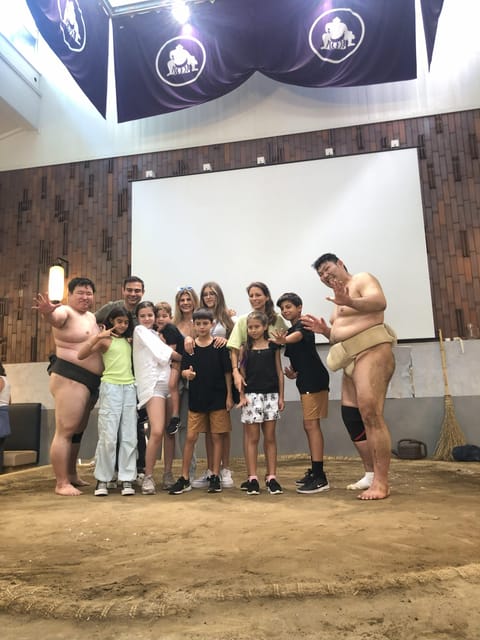
This experience includes a picture time with the wrestlers. That means you’ll likely get a chance to pose alongside them, and it’s usually the moment people line up for with their best camera settings.
Here’s my advice: don’t treat it like the only photo moment. The ring demonstration itself is visually dramatic—sumo is mostly about controlled force, posture, and ritual movement. Take a few photos during the action, but keep your attention on what the host is explaining. You’ll enjoy the experience more, and your photos will feel more meaningful because you understand them.
Also, if you’re hard-focused on hearing the commentary, remember that where you sit matters. Seats are arranged based on booking order, and depending on group size, you may be seated at different tables. If you end up farther back, you can still have a great time—just be ready to focus more on watching than on every single detail of the Q&A.
Seating and Group Size: Small Planning Tip, Big Difference
This is one of those “small logistics, big happiness” situations.
- The best seats go to bookings first.
- Depending on how many people are in your group, you might not all sit at the exact same table.
If your priority is to catch every English explanation and question, arriving with early booking is the simplest way to improve your odds. If your priority is mainly to try on the suit and see the ring action clearly, any seat can work because you’ll still be in the right place for the main moments.
And do keep the room etiquette in mind. Loud, constant chatter can ruin a guided Q&A. If you’re the one asking questions, ask clearly and briefly so others can hear.
Price and Value: What $117 Gets You in Tokyo Terms
At $117 per person for about 1.5 hours, the sticker price can look “tour-ish.” But the value is in the combination:
- Former wrestlers lead the event (not just a staff member reading scripts).
- You get a demonstration plus hands-on ring time in a sumo suit.
- You get an included meal—tonkatsu or sukiyaki—instead of spending extra cash finding dinner afterward.
- Explanations are in English, so it’s not a “watch and guess” experience.
If you were paying for just a small show ticket, you might feel underfed—literally. Here, food reduces the hidden costs of the day. And if you’ve been hoping to see sumo in a way that feels understandable, the language support and live coaching are a real advantage.
Who Should Book This Sumo + Meal Experience
I’d especially consider this if you:
- Want a Tokyo activity that mixes sport, culture, and interaction in one sitting
- Are visiting without guaranteed access to major sumo tournament days
- Like hands-on experiences more than passive museum-style viewing
- Prefer English explanations over trying to figure everything out on your own
It’s also a strong choice for families who want an activity kids can actually participate in. When the event becomes interactive, younger visitors often stay engaged because they’re doing something, not only watching.
Should You Book This Sumo and Tonkatsu in Tokyo?
Book it if you want a straightforward, high-participation sumo experience that doesn’t end with an empty stomach. The hands-on ring time and the English-led explanations do the heavy lifting, and the included meal keeps the whole event practical.
Skip it only if you’re looking for a quiet, purely observational experience where you don’t want participation or questions. Also, if hearing the commentary is your top priority, plan ahead so you’re more likely to land in better seats by booking order.
If that’s you, this is one of the more reliable ways to get your sumo fix in Tokyo—sport first, food included, and a costume moment you won’t forget.
FAQ
How long is the sumo experience?
It lasts about 1.5 hours. You can check availability to see the starting times.
What’s included in the price?
You get to meet and learn from a retired sumo wrestler, receive an English explanation, and enjoy lunch or dinner depending on the option you select.
Is lunch always included?
Lunch or dinner is included, based on whether you choose the lunch option (tonkatsu) or the dinner option (sukiyaki).
What food will I get: tonkatsu or sukiyaki?
You’ll receive tonkatsu for the lunch option or sukiyaki for the dinner option, depending on what you book.
Do I get picked up at my hotel?
No. Hotel pickup and drop-off are not included.
How do I find the meeting point?
You meet at Kikukawa Station. Take the Shinjuku Line, get off at Kikukawa Station, then walk about 5–8 minutes from Exit A1.
Is transportation to and from the restaurant included?
No. Transportation to and from the restaurant isn’t included.
Are there dietary accommodations?
You should advise of any specific dietary requirements. The experience instructions say you need to let them know, but detailed accommodations are not listed.
Can I bring my own food or drinks?
Yes, it’s acceptable to bring your own food and drink.
What are the cancellation rules?
This activity is non-refundable.