REVIEW · TOKYO
Private Gluten-Free Japanese Cooking Class in Tokyo Japan
Book on Viator →Operated by Morimi's Home Kitchen · Bookable on Viator
Gluten-free cooking can be delicious in Tokyo, and this private class teaches you how to spot wheat in everyday Japanese ingredients. I love the hands-on label-checking tips Morimi shares, because that skill helps you eat well long after the class ends.
You’ll also get to cook real dishes, not just hear about them, and then sit down for lunch with everything you make. That makes the 3-hour session feel practical, not performative.
The one thing to think about is logistics: private transportation isn’t included, and you’ll start at 11:00 am near Meidaimae, so build your day around that meeting spot.
In This Review
- Key highlights you can count on
- A Gluten-Free Cooking Class Built Around Real Japanese Ingredients
- Meeting Morimi in Setagaya and Making the Most of 3 Hours
- The Big Skill: Label Reading for Gluten-Free Japanese Cooking
- Course 1: Basic Menu (Onigiri, Karaage, Omelet, Tofu, and Miso Soup)
- Course 2: The Tofu-Focused Menu (Hamburger Steak, Agedashi, and Fresh Oboro Tofu)
- Course 3: Sushi Without Fuss (Temari and Oshi-Sushi Plus Soup)
- Optional Seasonal Sweets: Daifuku, Shiratama, Yokan, and Zenzai
- What You’ll Take Home: Recipes and Confidence for Home Cooking
- Price and Value: Is $84.54 Worth It?
- Who This Class Fits Best (and When It Might Not)
- Should You Book Morimi’s Home Kitchen Class in Tokyo?
- FAQ
- What gluten-free course options are available?
- How long is the class?
- Where do I meet, and what time does it start?
- Is pickup available?
- What’s included in the price?
- What dishes are in the Basic-course?
Key highlights you can count on
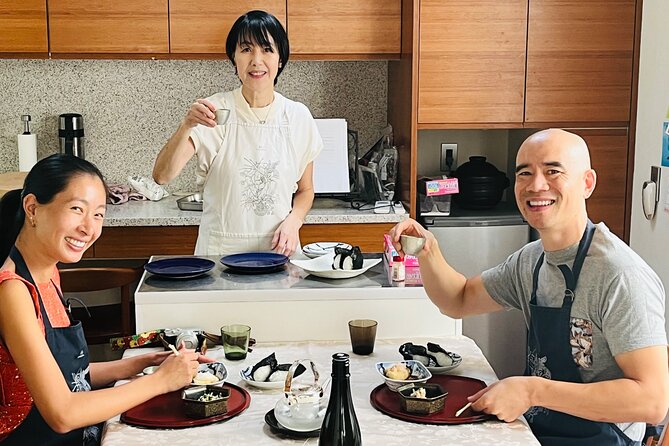
- Three gluten-free course options: Basic, Tofu, or Sushi, each built around Japanese comfort foods
- Ingredient-label guidance that targets common wheat traps in Japanese cooking like sauces and processed items
- A private class setup in Morimi’s Home Kitchen, with pickup offered and only your group taking part
- Seasonal gluten-free sweets available to match the time of year, like strawberry daifuku or chestnut yokan
- Recipes included, so you can repeat the dishes at home without guessing
A Gluten-Free Cooking Class Built Around Real Japanese Ingredients
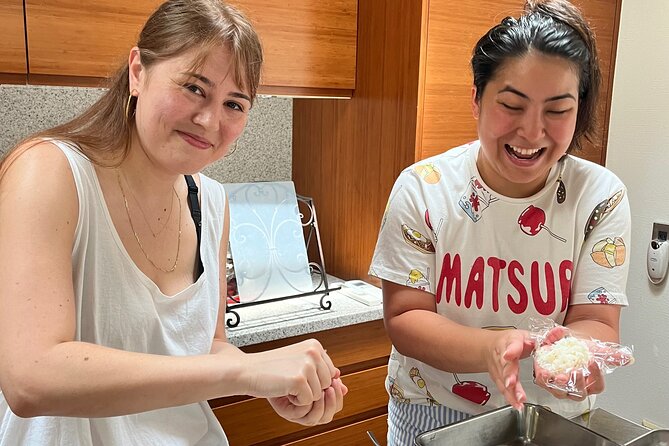
Japanese food has a reputation for being gluten-free-friendly, and there’s truth to it. Rice, tofu, seaweed, fish, and many vegetables are naturally gluten-free. But Japanese cooking also leans on seasonings and processed items that can hide wheat—so you need more than good intentions.
That’s why I like this class. Morimi’s focus is on how to check ingredients and how to choose gluten-free versions without losing the Japanese flavors you came for. You learn the logic behind what goes into dishes, not just a list of substitutions.
Another smart part: you cook dishes you’d actually want to eat again—onigiri, miso soup, tofu salad, karaage-style fried chicken, tofu hamburger steak, and sushi formats like temari and oshi-sushi. The goal isn’t to make a sad imitation. It’s to keep the Japanese soul of the food, while staying gluten-free.
You can also read our reviews of more private tours in Tokyo



Meeting Morimi in Setagaya and Making the Most of 3 Hours
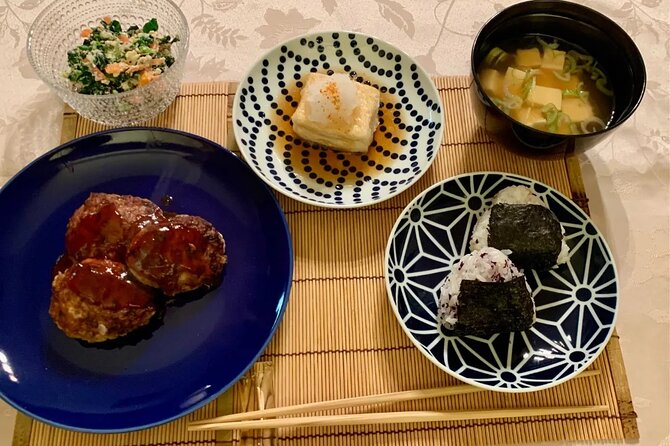
This is a private experience, so it’s only your group. That matters with dietary needs. You can ask direct questions, and Morimi can guide you step-by-step without rushing.
You meet at Meidaimae Station area (2 Chome-45 Matsubara, Setagaya City, Tokyo 156-0043) and the class runs about 3 hours starting at 11:00 am. Pickup is offered, but private transportation is not included, so check what works for your plan. The good news is that the location is near public transportation.
In a class like this, timing is everything. You’ll have just enough time to learn, cook, and taste, without spending the whole session on prep. By the end, you should feel ready to tackle gluten-free Japanese cooking at home, not just survive it once.
The Big Skill: Label Reading for Gluten-Free Japanese Cooking
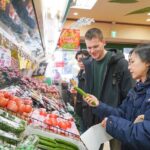
Japanese gluten issues usually don’t come from the obvious foods. They show up in the small stuff: sauces, seasonings, and processed ingredients.
Morimi teaches you practical ways to check labels and build gluten-free menus using traditional Japanese ingredients. The class specifically addresses the idea that:
- rice-based staples are often a strong start
- fish and vegetables can be excellent for gluten-free menus
- common seasonings can include wheat-derived ingredients
- fried and processed foods often carry higher risk, depending on coatings and ingredients
Even if you already know the basics, you’ll likely appreciate the structure. You’ll learn how to think like the kitchen, so you can spot what to look for when you’re shopping or ordering.
If you deal with celiac needs, this is also the kind of class that signals care. One celiac family called it celiac and family approved, which is a helpful indicator that the teaching approach takes gluten avoidance seriously.
Course 1: Basic Menu (Onigiri, Karaage, Omelet, Tofu, and Miso Soup)
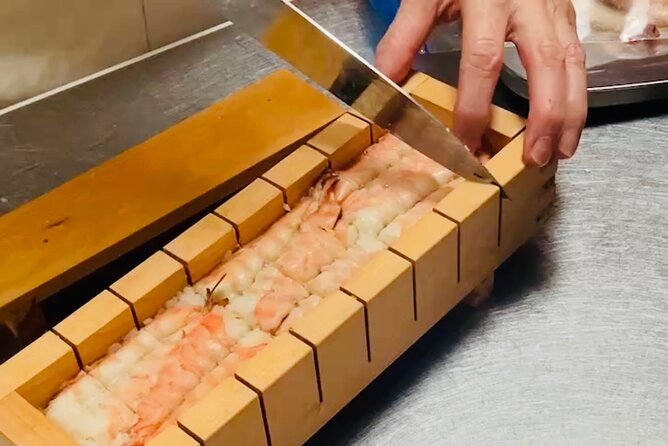
The Basic-course is built around classic Japanese “comfort” foods, and it’s a great choice if you want variety without narrowing yourself to one ingredient theme.
Here’s what you cook in the Basic-course:
- Onigiri (rice ball)
- Chicken karaage (Japanese fried chicken)
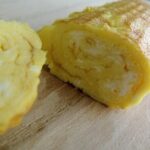
- Dashimaki tamago (Japanese rolled omelet)
- Shiraae (tofu and vegetable salad)
- Kinpira (stir-fried potatoes and carrots)
- Miso soup
What makes this course especially useful is how it teaches you balance. You get a rice staple (onigiri), a savory protein (karaage), an egg dish (dashimaki tamago), a tofu side (shiraae), two vegetable flavors (kinpira plus salad), and then the glue of a Japanese meal: miso soup.
For gluten-free planning, this mix matters. It shows you how to assemble a full plate even when one component is tricky. Also, it gives you a chance to learn through multiple textures—soft rice, tender egg, crisp-fried-style chicken, and refreshing tofu salad.
Possible consideration: because karaage and other fried-style dishes can involve tricky ingredient choices, you’ll want to pay close attention to what Morimi recommends for gluten-free versions. That’s where the label-reading skill becomes real.
Course 2: The Tofu-Focused Menu (Hamburger Steak, Agedashi, and Fresh Oboro Tofu)
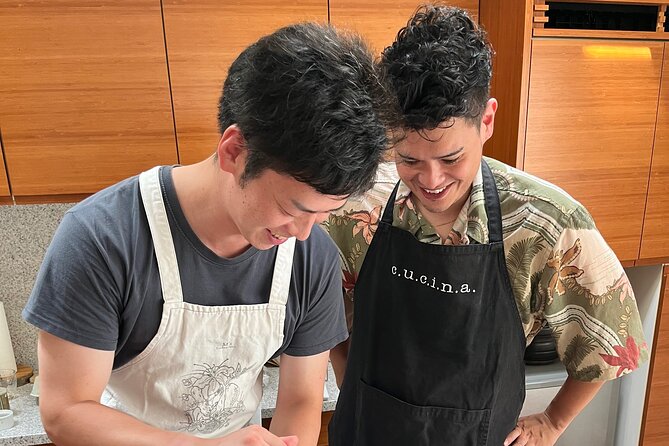
If you love tofu (or want a calmer path into gluten-free Japanese cooking), the Tofu-course is a standout.
You’ll cook:
- Onigiri (rice ball)
- Tofu hamburger steak
- Shiraae (tofu and vegetable salad)
- Agedashi tofu (deep-fried tofu in broth)
- Tofu miso soup or clear soup
- Oboro-tofu (freshly made soft tofu)
This menu is clever because it doesn’t treat tofu as a single idea. You learn tofu in multiple roles:
- sturdy comfort food in tofu hamburger steak
- delicate, broth-friendly agedashi tofu
- cold or room-temperature shiraae with vegetables
- soft, fresh oboro-tofu that feels like a different food altogether
That variety is exactly what you want if you’re trying to build gluten-free meals long term. You can repeat one tofu style on a busy weeknight, then switch textures when you want something lighter.
One more practical bonus: tofu is often easier to source and label-check than many processed wheat-containing items. So this course can feel more forgiving as you learn.
You can also read our reviews of more cooking classes in Tokyo


Course 3: Sushi Without Fuss (Temari and Oshi-Sushi Plus Soup)
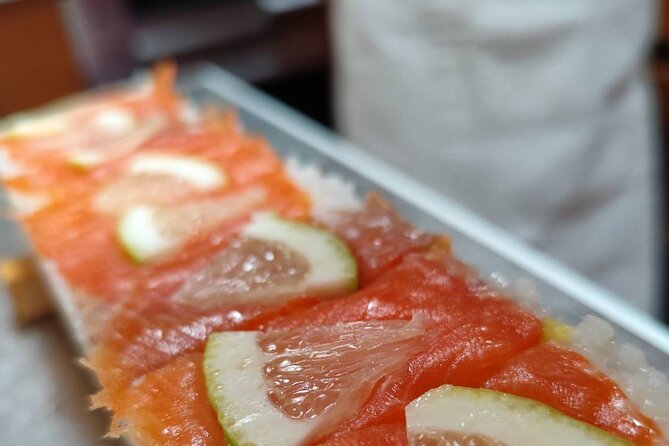
For sushi lovers, the Sushi-course is the most visually fun option.
You’ll make:
- 6 pieces of temari-ball sushi
- oshi-pressed sushi
- Tofu miso soup or clear soup
This is a good match for gluten-free diets because sushi can be either simple or complicated, depending on what touches it. By learning temari and oshi-sushi formats, you’re learning Japanese techniques you can reproduce at home—especially the shaping and assembly parts.
The soup included in this course is also a nice anchor. Even with sushi, you want something warm and steady on the plate, and miso soup plus tofu brings you back to a classic Japanese rhythm.
Possible consideration: sushi expectations can vary. If you’re used to store-bought sushi with ingredients you know well, you might need to adjust your shopping habits at home. This class helps you do that by focusing on gluten-free ingredient checks.
Optional Seasonal Sweets: Daifuku, Shiratama, Yokan, and Zenzai
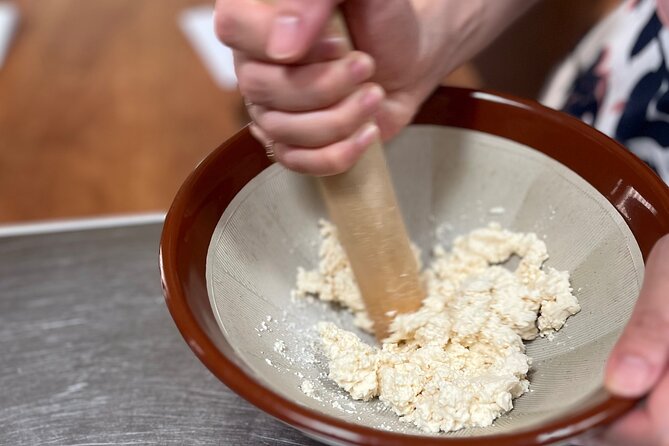
You can add optional Japanese sweets, and this is one of those extras that makes the class feel special without adding complexity.
Depending on the season, the options include:
- Spring: strawberry daifuku (mochi with sweet red bean paste and strawberry)
- Summer: chilled sweet red bean soup with shiratama dumplings
- Autumn: chestnut yokan (sweet bean jelly)
- Winter: shiratama zenzai (sweet red bean soup with rice flour dumplings)
Even if you’re only mildly interested in sweets, these are great learning opportunities. Red bean is a familiar Japanese flavor, and learning how shiratama-style elements show up in gluten-free form is useful.
Also, sweets are a good way to see how gluten-free rules apply beyond savory dishes. You get a complete meal experience: savory cooking, then a dessert that fits the same diet.
What You’ll Take Home: Recipes and Confidence for Home Cooking
A huge part of value here is that you’re not just leaving with full bellies. You get recipes, so you can recreate the dishes later.
That matters because gluten-free cooking often fails at home for one reason: people remember the dish but forget the ingredient logic. Having recipes means you’re not stuck reverse-engineering what Morimi used.
If you’re planning a Tokyo food trip, this kind of take-home skill is one of the best souvenirs you can buy. It turns your trip into something usable, not just photos and memories.
And yes, this class also supports your questions. The atmosphere is friendly, and Morimi teaches with great care and clear English.
Price and Value: Is $84.54 Worth It?
At $84.54 per person for about 3 hours, you’re paying for three things at once:
- expert instruction on gluten-free Japanese cooking
- a private setting with pickup offered
- lunch included, plus optional sweets if you choose
Compared to “generic” cooking classes, the gluten-free specialization is the real differentiator. Many food lessons focus on technique, but not on the label-reading decisions that determine whether a gluten-free meal is truly safe and repeatable.
The other value factor is timing. This class is booked about 70 days in advance on average, which usually signals it has a steady demand. If you want a specific course (Basic, Tofu, or Sushi) during your dates, it’s smart to book early rather than hoping.
One note: private transportation isn’t included. If you’re using public transit or arranging pickup, you’ll likely be fine. Just don’t assume it’s a door-to-door service.
Who This Class Fits Best (and When It Might Not)
This experience fits you best if you want gluten-free Japanese cooking that’s practical, not theoretical. It’s ideal for:
- celiac diets or serious gluten allergy planning
- anyone who’s tried gluten-free Japanese food and felt confused by hidden wheat risks
- couples or small groups who prefer a private class and want questions answered directly
- people who want a recipe-driven approach they can redo at home
It might be less ideal if you want a very broad cultural overview or a hands-off tasting event only. This is built around cooking, and the value comes from participating.
Also, if you’re traveling with limited mobility or need a very flexible meeting time, plan carefully around the fixed 11:00 am start and the meeting area by Meidaimae.
Should You Book Morimi’s Home Kitchen Class in Tokyo?
Yes, you should book if gluten-free Japanese cooking is on your must-do list and you want real skills you can repeat. I’d also recommend it if you like learning through making food you recognize—onigiri, miso soup, tofu dishes, and sushi styles you can picture in your own kitchen later.
If you’re deciding between options, pick the course that matches how you want to eat at home:
- choose Basic for variety across rice, egg, tofu, vegetables, and chicken
- choose Tofu if you want tofu in multiple styles and calmer meal planning
- choose Sushi if you want a hands-on sushi format plus soup
And if you’re gluten-free because of celiac needs, the fact that a celiac and family approved experience exists here is a strong comfort signal. Book with confidence, then bring your questions. This class is the kind where you leave smarter, not just full.
FAQ
What gluten-free course options are available?
You can choose one of three courses: Basic-course, Tofu-course, or Sushi-course. Each course includes different dishes, plus a lunch is included.
How long is the class?
The class lasts about 3 hours.
Where do I meet, and what time does it start?
You meet at the Meidaimae Station area (2 Chome-45 Matsubara, Setagaya City) and the class starts at 11:00 am. The activity ends back at the meeting point.
Is pickup available?
Pickup is offered. Private transportation is not included, so it’s good to confirm what pickup means for your specific plan.
What’s included in the price?
Lunch is included. You may also be able to add optional Japanese sweets depending on the season.
What dishes are in the Basic-course?
The Basic-course includes onigiri, chicken karaage, dashimaki tamago, shiraae, kinpira, and miso soup.
If you want, tell me your travel dates and whether you’re celiac or gluten-intolerant, and I’ll help you pick the best course (Basic vs Tofu vs Sushi) for how you like to eat.