REVIEW · TOKYO
Tokyo: Samurai Experience with Lunch and Guided Tour
Book on GetYourGuide →Operated by MagicalTrip · Bookable on GetYourGuide
Samurai training in a quiet Tokyo corner. I like how Kagurazaka turns into an Edo-era story while you walk, and I like the hands-on kimono + samurai lesson that actually teaches movement, not just poses. The one drawback to weigh: you can get a vegetarian lunch, but vegan and gluten-free aren’t available, so meal planning matters.
This is a 4-hour, small-group Tokyo experience (up to 9 people) with an English guide and built-in time for photos, shopping, and local snacks. You’ll also see a live performance by professional Samurai actors, which helps the day feel more like theater than a history lecture.
In This Review
- Key Points at a Glance
- Kagurazaka Turns Samurai History Into a Walkable Story
- Getting Started at Aoyama Flower Market (and Staying on Time)
- Zenkokuji and the Shrine + Zen Connection
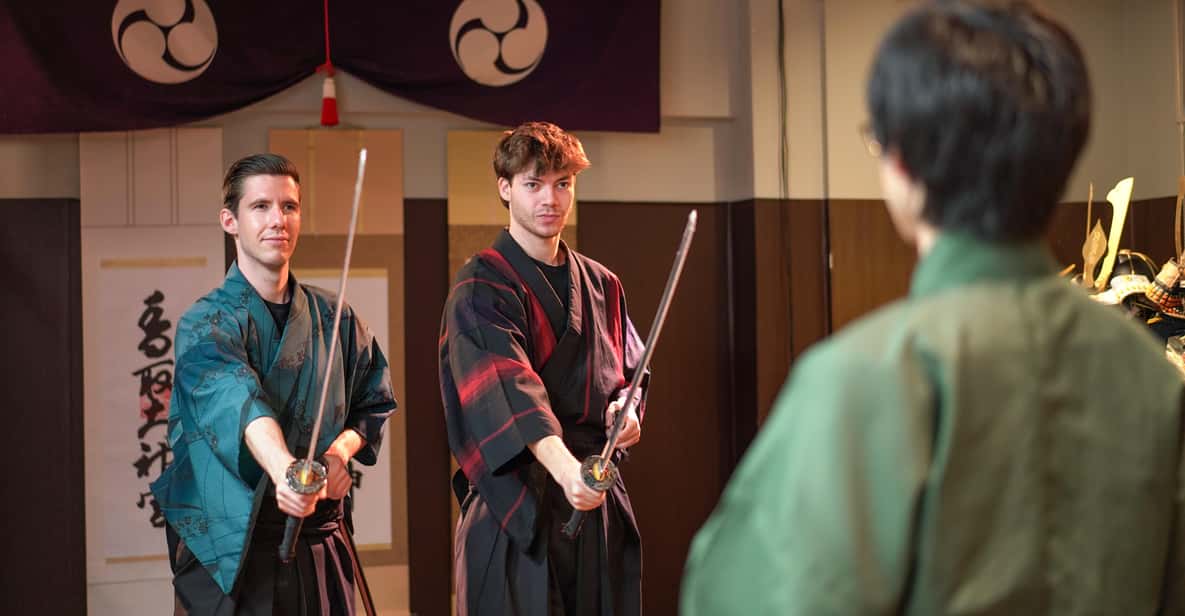
- The One-Hour Samurai Lesson: Kimono, Movement, and Katana Basics
- Performance Time: Watching Samurai Actors Put It All Together
- Lunch in a 70+ Year-Old Japanese House (with a Teahouse Past)
- Choosing Your Kagurazaka Treat: Chimaki, Buns, or Modern Sweets
- Shopping, Side Streets, and Photo Moments You’ll Actually Use
- Price and Value: What $162 Covers (and Why It Adds Up)
- Who This Tour Fits Best (and Who Should Reconsider)
- Should You Book This Samurai + Kagurazaka Experience?
- FAQ
- How long is the Tokyo Samurai Experience with lunch?
- What’s included in the price?
- Is lunch vegan or gluten-free?
- Where do I meet the tour?
- Is hotel pickup and drop-off included?
- What ages can participate?
Key Points at a Glance
- Kagurazaka walking route with Edo-era atmosphere and cultural context
- Kimono rental + samurai basics taught in a beginner-friendly way
- Pro performance that shows what the moves look like at speed
- Lunch in an old Japanese house (70+ years) with a former teahouse vibe
- One included food or sweet choice, from traditional chimaki to modern sweets
Kagurazaka Turns Samurai History Into a Walkable Story
Kagurazaka is the kind of Tokyo neighborhood that rewards slow walking. The streets feel like they were meant for wandering—tight lanes, old-styled corners, and lots of small details you’d miss if you were just rushing to the next train stop.
What I like most about pairing Kagurazaka with samurai training is that you get context before you practice. Your guide explains how samurai culture ties into Shinto shrines, Zen Buddhism, and the way people thought about discipline and self-control. That matters because the lesson isn’t just about making your arm swing the right way. It’s about why those movements exist and what they’re trying to express.
You also get practical benefits from the flow of the day: the guided walking helps you get your bearings fast, and the training portion gives your hands and body something to do, so the history doesn’t stay stuck in your head.
You can also read our reviews of more guided tours in Tokyo


Getting Started at Aoyama Flower Market (and Staying on Time)
Your meeting point is easy to find once you’re at the right station: in front of the Aoyama Flower Market (Ecute Edition Idabashi Store), by the west exit of JR Iida-bashi. It’s the sort of start that works well if you’re coming from multiple areas, because you’re not guessing which hidden alley to search.
One rule to take seriously: the tour starts on time, and if you’re more than 15 minutes late, you can’t join and you won’t be able to reschedule. In Tokyo, trains happen, but it’s still worth leaving a buffer—especially if you plan to grab a quick snack or coffee right before meeting.
Because there’s no hotel pickup or drop-off, you should feel comfortable reaching Iida-bashi on your own. The upside: once you’re there, the rest is organized and paced for a smooth half-day.
Zenkokuji and the Shrine + Zen Connection
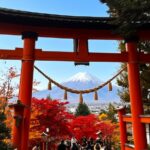
The tour includes a stop at Zenkokuji, with a short guided visit and walk time. Even if you’re not a temple expert, the value here is how your guide connects places of worship with the ideas behind samurai training.
You’ll hear how Shinto shrine culture and Zen Buddhist thinking shaped attitudes toward restraint, focus, and spirit. That’s not just academic talk. It’s the same mental lane your training lesson is aiming for—calm attention, clean form, and controlled movement instead of wild flailing.
If you’ve ever wondered why samurai stories in Japan often mention beliefs and rituals alongside combat, this part gives you the thread you need to connect the dots.
The One-Hour Samurai Lesson: Kimono, Movement, and Katana Basics
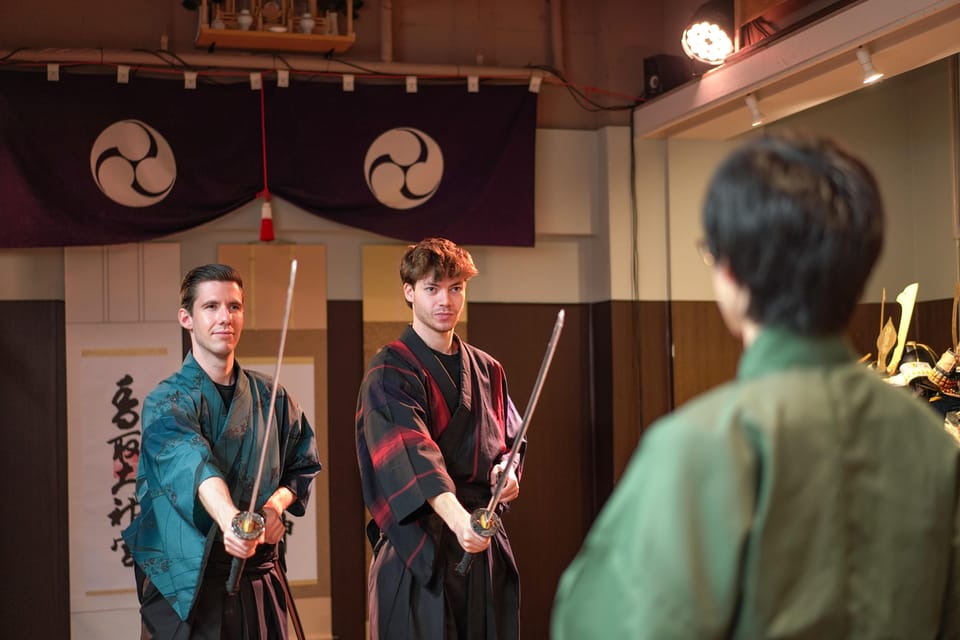
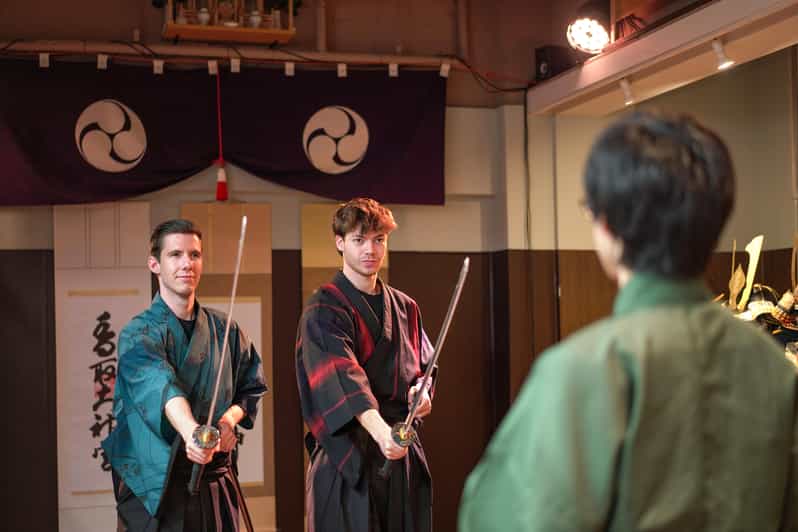
This is the main event: a 1-hour Samurai Experience that includes kimono rental and instruction from professional staff. The kimono piece is more than costume. It helps you slow down and pay attention to posture, which is exactly what the lesson needs.
You’ll learn basics of samurai fighting and movement. The goal is not to turn you into a movie extra. Instead, you practice step-by-step, with guidance designed for people who feel intimidated at first. That beginner-friendly setup is key, because samurai training can sound scary until someone breaks it into manageable parts.
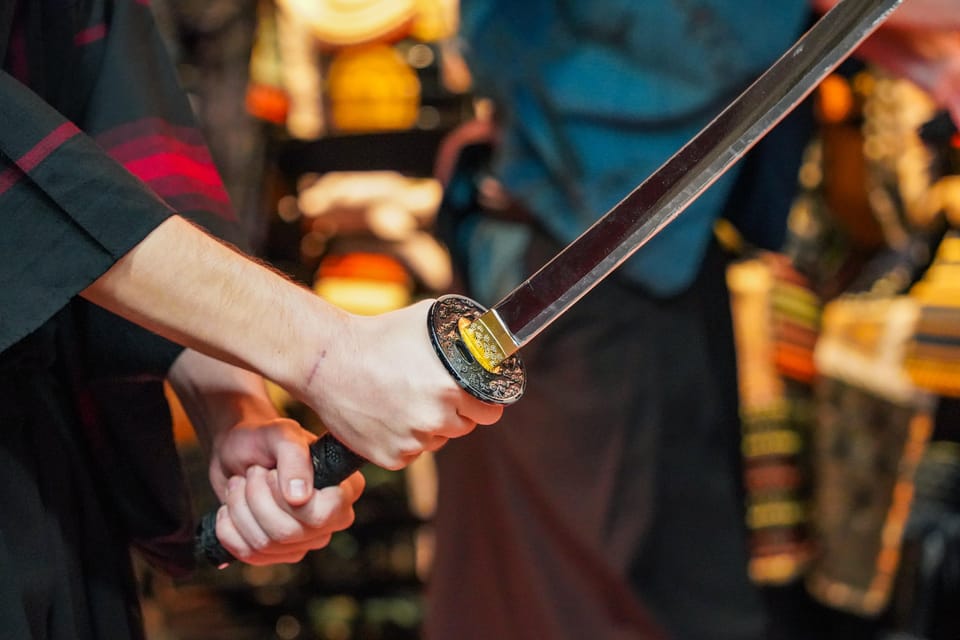
Also, the katana angle is part of the appeal here. You’re not just learning a theory lesson; you’re learning how basics like stance and motion connect to how a katana is used in practice. And since the day is built around demonstration and then your turn, you’re less likely to feel lost when you pick up the techniques.
Practical note: plan for standing and moving. Wear comfortable shoes for the walking portions, and expect that your day will feel more active once the training starts.
Performance Time: Watching Samurai Actors Put It All Together
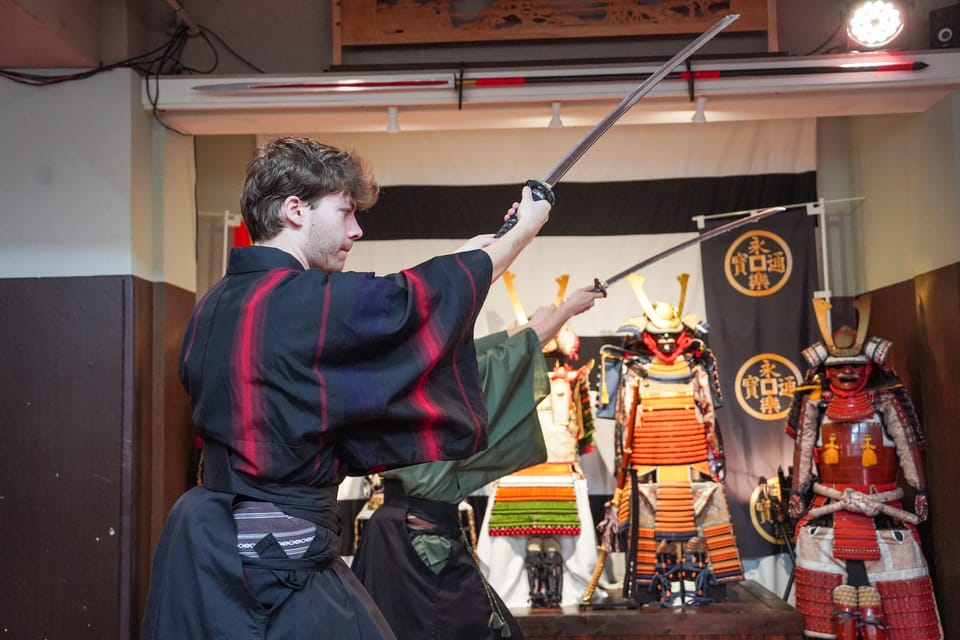
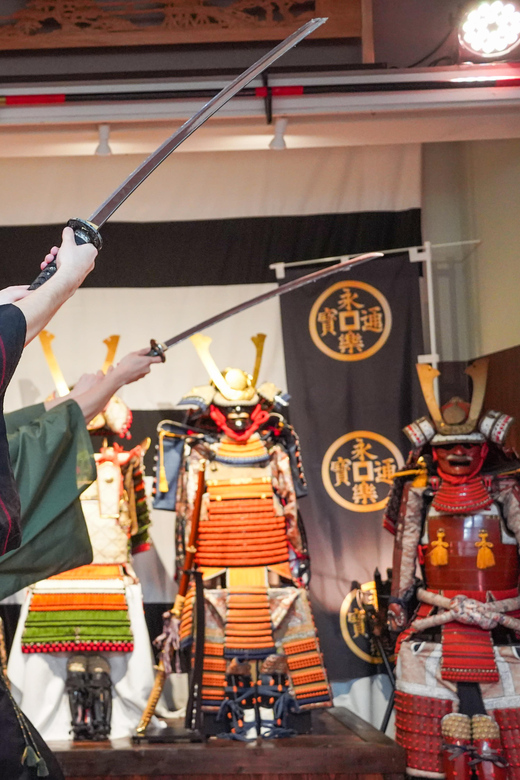
After the philosophy-and-context phase, the tour shifts into action: you witness a live performance by professional Samurai actors. This part is valuable because it shows what the training looks like at performance speed and with real stage timing.
Even if you only catch a few moments in detail, you still learn something: how the moves connect to rhythm, control, and presence. It also breaks up the pacing, so you’re not doing classroom-style learning for the whole day.
Then comes the guided practice session, where you put your new skills to work in a fun, supervised way. That combination—watch, learn the shape, then try yourself—is a big reason people rate this experience highly. It turns the day into a memory, not just a photo album.
You can also read our reviews of more tours and experiences in Tokyo





Lunch in a 70+ Year-Old Japanese House (with a Teahouse Past)
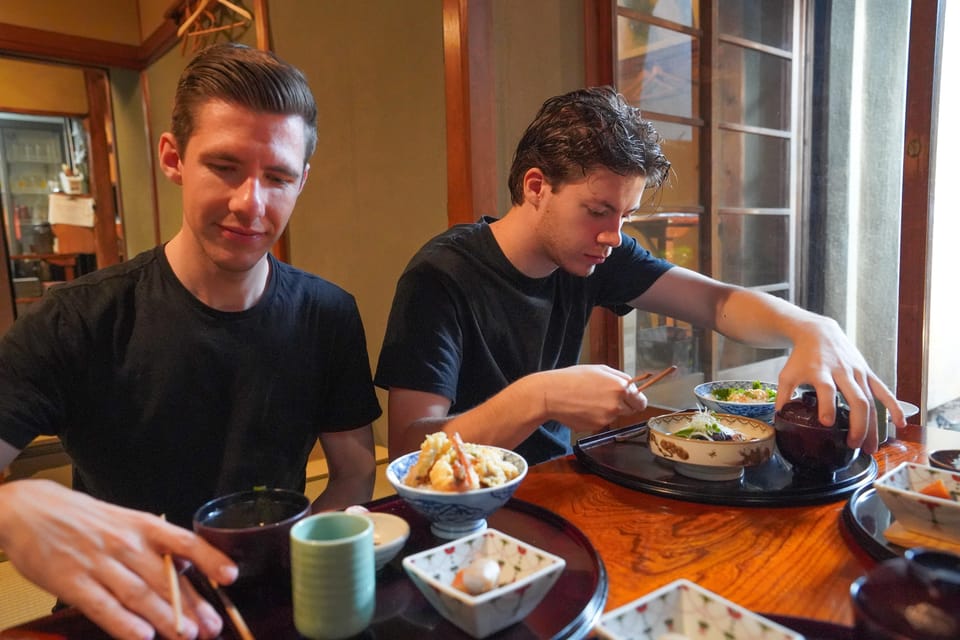
After training, you head into Kagurazaka’s slower rhythm with lunch in an old Japanese house. The setting is over 70 years old, and it’s described as a former teahouse once connected with geishas. That kind of history in the room changes how the meal feels. Even if you’re hungry from walking and practice, you’ll probably eat a little more mindfully here.
The lunch is delicious as part of the experience, and the included meal makes this tour feel complete rather than like a “just enough sustenance” add-on. You can choose a vegetarian option, but the limits are important: vegan and gluten-free aren’t available. If you have strict dietary needs, this is where you need to plan carefully.
One more honest point: the tour notes that it can’t guarantee allergy-free meals, and food may be prepared in kitchens outside the provider’s own setup. If food allergies are your main concern, treat the vegetarian option as a best-effort convenience—not a medical solution.
Choosing Your Kagurazaka Treat: Chimaki, Buns, or Modern Sweets
Food is part of the charm in Kagurazaka, and you’ll get one traditional food or sweet included. You can choose from options such as chimaki, steamed buns, or modern sweets.
I like that the tour gives you choice here. It means you can pick what you’ll actually enjoy after a training session—something warm and filling, or something lighter. It also breaks up the day nicely, turning snacks into part of the storytelling rather than a rushed stop.
And because this is scheduled as a short local-snacks window, you’re not stuck eating in a place you don’t like. You get a taste of the neighborhood’s everyday rhythm.
Shopping, Side Streets, and Photo Moments You’ll Actually Use
Kagurazaka is made for photos, but not in a fake way. The side streets and small-scale atmosphere help your pictures look like Tokyo lived-in, not just Tokyo marketed.
There’s also time for shopping, plus built-in opportunities for photos during the training and around the walking portion. In particular, wearing the kimono gives you that visual shift that makes your day feel like an event, not just a museum visit.
If you love detail shots—signs, narrow lanes, shrine textures—this part of the day is where you’ll get them. And if your group includes kids, the photo moments tend to be the highlight, because it turns the experience into something playful and wearable.
Price and Value: What $162 Covers (and Why It Adds Up)
At $162 per person for about 4 hours, you’re paying for more than a guided walk. You’re paying for:
- a 3.5-hour local guide presence,
- a full kimono + samurai training block (about 1 hour),
- a live performance component,
- lunch in an old house,
- and one included food or sweet.
If you’ve priced Tokyo activities lately, you already know that “guided walk + ticket” usually lands cheaper but feels thin. Here, the samurai lesson turns the tour into a hands-on activity, and the kimono rental makes it feel like an experience you can’t easily DIY.
The value is best if you want a structured cultural day with a clear payoff. If you’re only looking for a quick neighborhood stroll, you might find it a bit pricey for what you expected.
Who This Tour Fits Best (and Who Should Reconsider)
This experience is a great match if you want:
- a samurai-themed day that combines history + technique + performance
- a Tokyo neighborhood walk that includes shrines and Zen context
- a photo-friendly activity that still teaches real movement basics
It’s also described as open to children age 4 and up, so families can make it work, especially if you’re ready for standing and active participation.
Consider reconsidering if:
- you need vegan or gluten-free meals (not available)
- you have serious allergy concerns and expect guaranteed allergy-free food
- you’re using a wheelchair (it isn’t suitable)
- you’re likely to arrive late, since missing the start can mean no participation
Should You Book This Samurai + Kagurazaka Experience?
Book it if you want a Tokyo afternoon where the samurai theme isn’t just costumes and slogans. The combo of Kagurazaka walking, shrine/Buddhism explanations, kimono + guided technique practice, and a live performance makes it feel like one connected story.
Skip it or look for an alternative if your biggest need is strict dietary compliance, especially vegan or gluten-free. In this tour, the meal plan is vegetarian-friendly, but it isn’t built to cover the broad range of restrictions.
If you’re comfortable meeting at Iida-bashi and you’re excited to try samurai basics even if you’re a first-timer, this is the kind of experience that gives you both cultural context and a physical memory you’ll still smile about later.
FAQ
How long is the Tokyo Samurai Experience with lunch?
The tour lasts 4 hours.
What’s included in the price?
It includes a kimono rental and about 1 hour of samurai experience, a local English guide for 3.5 hours, lunch with a vegetarian option, and one traditional food or sweet.
Is lunch vegan or gluten-free?
Vegan and gluten-free options are not available. Vegetarian options are available if requested in advance (by the day before).
Where do I meet the tour?
Meet in front of Aoyama Flower Market (Ecute Edition Idabashi Store), in front of the west exit of JR Iida-bashi station.
Is hotel pickup and drop-off included?
No, hotel pickup and drop-off are not included.
What ages can participate?
The tour is open to participants age 4 and older. It is not suitable for wheelchair users.