REVIEW · TOKYO
Official Sumo Tournament Ticket with Guided Experience
Book on Viator →Operated by Amigo Tours Japan · Bookable on Viator
Sumo isn’t quiet, and that’s the point. This official tournament outing pairs a short history stop at Former Yasuda Garden with a guided look at Ryogoku Kokugikan before you settle into reserved seats for live bouts.
I like having an expert guide who helps you understand the rules, ranking system, and rituals so the action makes sense in real time. I also like that your ticket comes with reserved second-floor seating (B or C class), so you’re not gambling on sightlines.
One thing to plan for: food and drinks aren’t permitted inside the stadium, so eat before you arrive and keep things simple once you’re seated.
In This Review
- Key highlights worth planning around
- Ryogoku Kokugikan: Japan’s main stage for sumo
- Former Yasuda Garden: the quick origin story
- Inside the arena on a guided walk
- Reserved second-floor B or C seats: what to expect
- A guide that turns rules, rankings, and rituals into sense
- Tournament etiquette and photo rules you’ll want to know
- Price value: how $209 buys you ticket access and explanation
- Should you book this official sumo guided ticket?
- FAQ
- How long is the guided sumo experience?
- Where does the tour start and end?
- What’s included in the price?
- What about food and drinks during the tournament?
- Are photos allowed?
- What kind of seating do I get?
- How big is the group?
- What happens if I need to cancel?
- Final call: is this the right sumo day for you?
Key highlights worth planning around
- Official tournament tickets you can actually use when getting seats through normal channels can be a hassle
- Former Yasuda Garden history primer (30 minutes, free entry) to give context fast
- Ryogoku Kokugikan guided stadium walk before you watch any bouts
- Reserved B or C class seats on the second floor so you’re not searching for a view
- Guides like George, Cesar, Lily, and Ethan who answer questions and turn traditions into something you can follow
- Photo rules that protect your view and other people’s: no flash, and no bulky gear that blocks sight
Ryogoku Kokugikan: Japan’s main stage for sumo
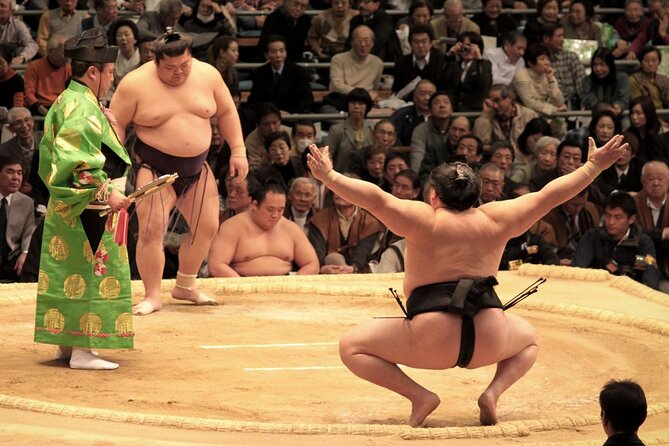
This experience is built around Ryogoku Kokugikan, widely treated as the most prestigious sumo arena in Japan. The big payoff is that you’re not just watching any event—you’re seeing a proper live tournament atmosphere in the sport’s home base.
The day is paced so you’re not walking in cold. You start with background, then you get a guided route through the stadium area, and only then do you take your seat for the matches. That order matters. It helps you spend your energy watching, not trying to figure out what you’re looking at.
The group stays small—maximum 25 people—which usually means your guide can keep things moving and handle questions without the whole tour turning into a traffic jam.
You can also read our reviews of more tours and experiences in Tokyo

Former Yasuda Garden: the quick origin story
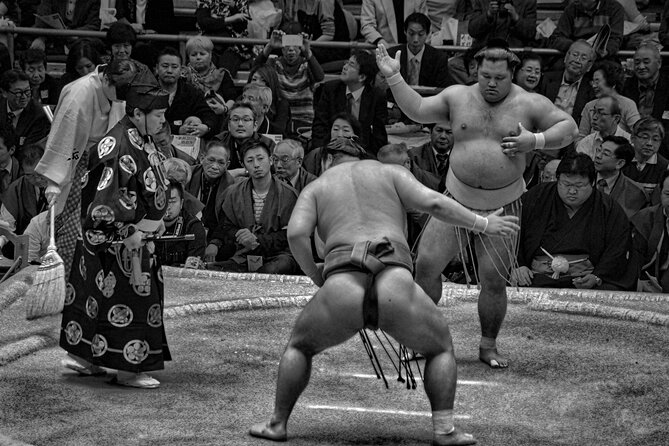
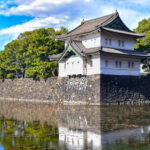
The tour begins at Former Yasuda Garden in Sumida City, with a 30-minute stop meant to set the stage. Admission there is free, so you’re not adding extra costs just to get oriented.
This is the “get your bearings fast” part of the day. You’ll get a brief introduction to sumo history, which helps when you later hear people talk about rank, ritual, and tradition during the tournament. Even if you’ve only seen sumo clips online, that first context usually changes how you experience the bouts—because you start noticing the ceremony and the structure, not just the impacts.
A small practical note: the tour start time and flow are tight enough that you’ll want to arrive a few minutes early. Use the exact meeting address so you don’t lose time hunting the right gate.
Inside the arena on a guided walk
Next up is Ryogoku Kokugikan for a guided walking experience. This portion is about 30 minutes, and it’s where the tour format does something smart: it explains the world around the ring before you sit in it.
You’ll learn about the stadium’s history and unique traditions, plus you’ll hear curious facts and entertaining anecdotes that make the setting feel less like a random building and more like a working stage for a centuries-old sport. It’s also a good moment to ask questions while everything is still calm. Once the tournament starts, people settle in, and your attention goes fully to the matches.
The guide also sets you up with what to expect with your seat location and the flow of the event, which reduces the common first-timer stress of, Where do I stand? When do I move? What’s normal?
Reserved second-floor B or C seats: what to expect
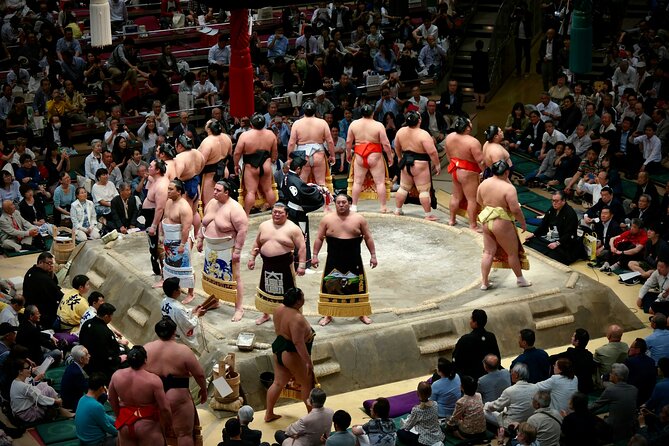
Your ticket includes reserved seating in B or C class, on the second floor (depending on the option you choose). That’s one of the biggest value points here. Instead of paying and then worrying about where you end up, you’re assigned a place to watch from.
Second-floor seating usually means you get a wider view of the ring area than you would from the far edges at ground level. It also means you’re less exposed to crowd pressure close to the action. If you’re visiting Japan for the first time, this is a relief: you can spend your mental energy on the sport instead of logistics.
You also get flexibility during the tournament. The experience includes your ticket, and you can enjoy the tournament for as long as you like. That’s useful if you want to stay through more bouts, soak up the atmosphere, or just enjoy the ongoing momentum without feeling rushed out.
One more rule to know: photos are allowed, but you can’t use flash and you shouldn’t bring bulky equipment that blocks views. Basically, be considerate and keep your gear low-profile.
A guide that turns rules, rankings, and rituals into sense
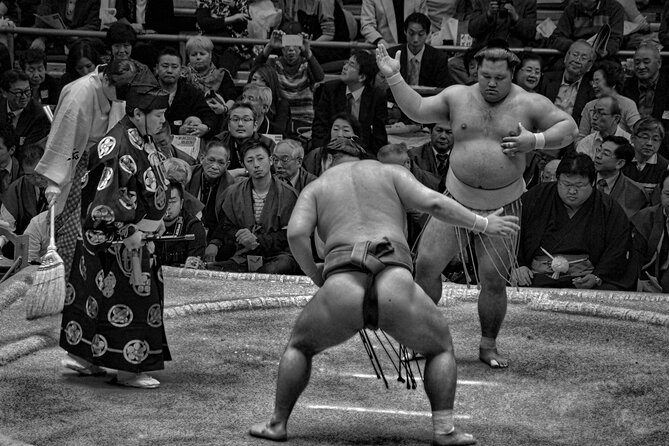
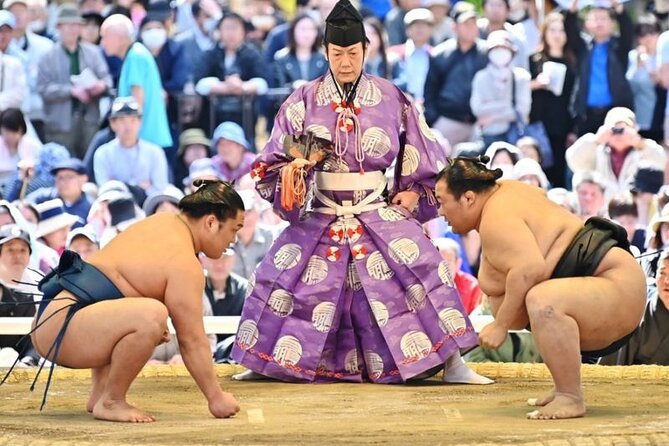
Sumo has enough structure that it can feel confusing if you go in only knowing the outcome. This guided experience is designed to fix that. An expert guide accompanies you and explains the rules, ranking system, and rituals, so you can track what’s happening and why it matters.
This is also where the guides earn their praise. In real-world feedback from past groups, people highlight that guides such as George, Cesar, Lily, and Ethan kept the experience meaningful by answering questions and connecting the match action back to tradition. That’s the difference between watching and understanding.
I like this approach because it respects your time. You don’t need a crash course the night before. You get the explanations as they become relevant—during the stadium walk and right into the tournament. You can ask questions and get direct answers instead of guessing what a ceremony means or what a formal moment signals.
And there’s a practical angle, too: when you know what to look for, your eyes move faster. You spend less time scanning and more time actually watching the important moments.
You can also read our reviews of more guided tours in Tokyo



Tournament etiquette and photo rules you’ll want to know
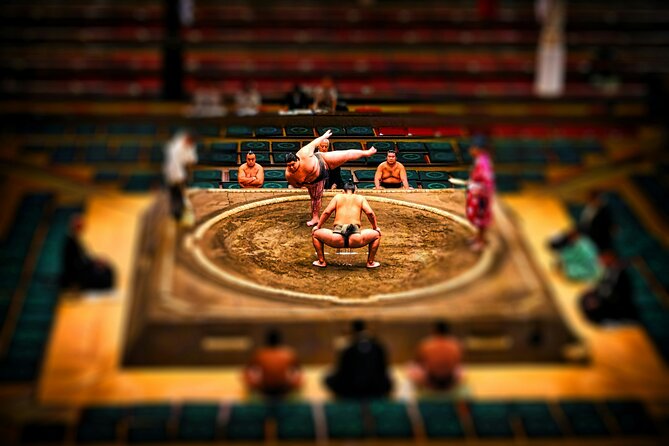
This is live sport in a traditional setting, so behavior matters. The experience information asks you to be respectful—avoid loud or disrespectful conduct and don’t disturb other spectators. In plain terms: keep your voice down once you’re seated and let the event’s pace stay the event’s pace.
Photo rules are also spelled out. You can take pictures, but no flash. Also, don’t bring bulky equipment that blocks the view of people behind or beside you. If you’ve ever been stuck behind someone with a tripod, you already know why this matters.
One more detail that affects your comfort: food and drinks aren’t allowed inside the stadium. So don’t count on buying something mid-match. Plan on eating beforehand, bring water outside the stadium if you want (based on what’s allowed for your venue entry), and then just focus on the bouts once you’re inside.
Price value: how $209 buys you ticket access and explanation
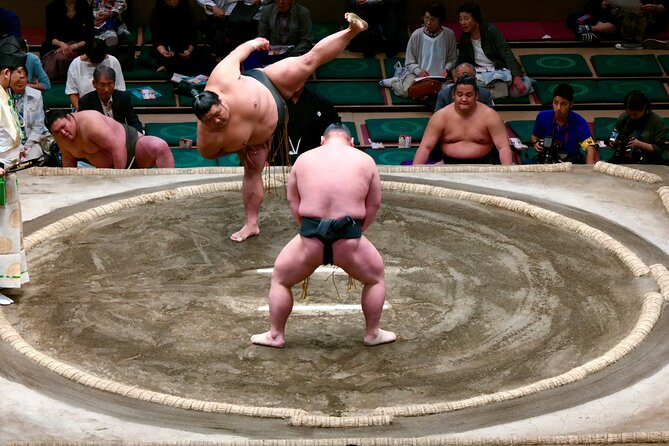
At $209 per person for an approximately 5-hour experience, the price isn’t “cheap.” But it can be good value if you care about two specific things: official access and clarity during the matches.
Here’s what you’re getting for the money:
- a guided program with an expert who explains sumo traditions
- official tournament tickets
- reserved seating on the second floor (B or C class)
- a stadium walk that gives context before the bouts start
Getting sumo tickets can be difficult, and that’s where packages like this tend to help. You’re paying partly for the ticket security and partly for the guide making the event understandable on the spot. If you’ve ever bought a ticket to something cultural and then felt lost in the details, you’ll appreciate what the guide adds here.
Also, the group is capped at 25. That’s not a huge crowd, which helps the experience feel coordinated rather than chaotic.
The biggest “value risk” is personal: if you already know sumo deeply and want a purely independent day with maximum flexibility, a guided format might feel less necessary. But for first-timers, or anyone who wants the ceremony and rules explained, this price often lands closer to a good deal.
Should you book this official sumo guided ticket?
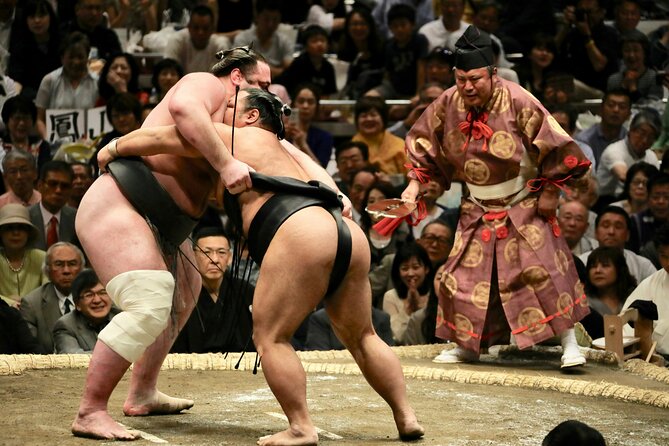
Book it if you want an authentic, structured way to see sumo in Tokyo, with reserved seats and real explanations. The best-fit audience is anyone who thinks live sport becomes way more fun when you understand the system—especially the rules, ranking system, and rituals.
Skip it or consider alternatives if you’re hoping for a long, food-based day at the venue. With no food or drinks permitted inside, you’ll need to plan meals outside. Also, if you’re traveling with a tight schedule and can’t spare about five hours, you might feel the time commitment.
If you want a straightforward path to a memorable sumo tournament day, this is one of the cleaner options: official tickets, a small-group guide, and a plan that gets you seated with less stress.
FAQ
How long is the guided sumo experience?
It lasts about 5 hours (approx.), including the history start, the stadium walk, and time at the tournament.
Where does the tour start and end?
It starts at Former Yasuda Garden in Sumida City, Tokyo, and ends at Ryogoku Kokugikan Sumo Arena, also in Sumida City, Tokyo.
What’s included in the price?
The price includes an expert guide to explain sumo traditions, sumo tournament tickets, and reserved seats in B or C class (second floor), depending on your chosen option.
What about food and drinks during the tournament?
Food and drinks are not permitted inside the stadium.
Are photos allowed?
Yes, photos are allowed, but without flash and without bulky equipment that blocks other people’s views.
What kind of seating do I get?
You receive reserved seating in B or C class, depending on the option selected, and the seats are on the second floor.
How big is the group?
The group size is capped at a maximum of 25 people.
What happens if I need to cancel?
This experience is non-refundable and cannot be changed for any reason. If you cancel or request an amendment, you won’t get a refund.
Final call: is this the right sumo day for you?
If you want the tournament plus the context to understand what you’re watching, this is a solid buy. The reserved second-floor seats and expert-guided explanations do the heavy lifting, leaving you to focus on the spectacle. If you’re okay planning meals outside and staying about five hours, you’ll likely come away with a much better grasp of why sumo feels so different from regular sports.