Autumn leaves here feel like a plan, not a project. This November-only day trip packs Arakurayama Sengen Park (with the famous 5-storey pagoda view), Lake Kawaguchi’s maple corridor, and a mountain-town lunch into one simple coach ride from Tokyo. You’ll also get a take-home bunch of Shine Muscat grapes, plus dinner on the return.
Two things I really like: first, the full-day transportation is handled for you, with multiple pick-up options in Tokyo and a comfortable bus for the long hours. Second, eating is taken care of—lunch and a seafood bento dinner are included—so you’re not hunting for a restaurant while crowds surge.
One drawback to keep in mind: Mt. Fuji is never guaranteed, and Arakurayama requires a big walk (about 398–400 steps one way) if you want the iconic pagoda viewpoint. Add peak-season traffic and weather, and you’ll want flexible expectations for photos.
In This Review
- Key things to know before you go
- Why this day trip works for leaf season outside Tokyo
- Price and what you’re really paying for ($116.55)
- Getting to Arakurayama: the pagoda viewpoint and the big climb
- Lake Kawaguchi’s maple corridor: short time, big color payoff
- Lunch in Koshu/Enzan: Kuri Okowa and Hoto hot pot
- The “Mt. Fuji factor”: great when it shows up
- Return to Tokyo: seafood bento on the coach
- How much walking are you signing up for?
- What kind of traveler is this best for?
- Should you book Autumn Leaves: Mt. Fuji Views, 5-Storey Pagoda and Lake Kawaguchi?
- FAQ
- Is this tour only for autumn leaf season?
- How long is the day trip?
- What stops are included?
- Are admission tickets included?
- How much walking is required at Arakurayama?
- Will the bus take me right to the pagoda viewpoint?
- Is Mt. Fuji guaranteed?
- What meals are included?
- Can the tour accommodate food allergies or special diets?
- How many people are in the group?
- What’s the cancellation window for a full refund?
Key things to know before you go
- November season timing: the tour runs only in autumn, with peak leaf viewing typically early to late November.
- Classic Arakurayama effort: you’ll climb to the pagoda area; the bus can’t drive right up to the viewpoint.
- Lake Kawaguchi “Momiji Corridor”: a short but very photogenic stretch lined with maple trees.
- Meals remove stress: Kuri Okowa and Hoto hot pot for lunch, plus seafood bento on the coach back to Tokyo.
- A real language setup: you’ll travel with a Japanese-speaking conductor who uses a translation app (and supports essentials), with staff led by English-speaking leadership on the group experience.
- Group size stays controlled: maximum 42 people means you’re not swallowed by a mega-tour crowd.
Why this day trip works for leaf season outside Tokyo
If you’ve ever tried to see the fall colors near Mt. Fuji on public transit, you already know the problem: buses fill up, connections eat your time, and you end up checking timetables while everyone else is checking leaf color. This tour aims to solve that. You get one organized bus day with set stops and included meals, so your main job is just showing up and walking when it’s time.
The value isn’t only the scenery (though yes, that’s the point). It’s the way the day is designed to reduce friction during peak season—when roads and sightseeing areas can get jammed. You’re also not paying for admissions at the key stops, based on the tour’s included info.
The group moves at a steady pace. In the positive feedback, people point out that it doesn’t feel chaotic or constantly rushed—more like a good rhythm for active sightseeing. Still, one mixed review notes it can feel fast and lighter on commentary, so if you’re the type who wants deep history at every stop, you may want to bring your curiosity (or follow up with a guidebook once you’re back).
You can also read our reviews of more tours and experiences in Tokyo.



Price and what you’re really paying for ($116.55)
At $116.55 per person for about 9 hours on the move, the ticket isn’t trying to be “cheap.” What you’re buying is the package: round-trip coach transportation from Tokyo, two meals (lunch + seafood bento dinner), a take-home snack gift (Shine Muscat grapes), and a structured plan that targets three fall highlights.
Here’s how I’d judge the value:
- If you plan to use trains and local buses yourself, you’ll pay in time and stress. A day with set stops often saves you from missed connections.
- Included meals matter more than they sound. Peak-season areas get crowded, and with lunch scheduled around 1:00 PM, it’s nice not to be scrambling later in the day.
- You’re also paying for organization during a time when schedules can shift due to traffic and weather. The tour makes it clear that timing can change and leaf conditions can vary.
Net-net: this is a solid value if you want leaf viewing plus Mt. Fuji-area scenery without turning your day into logistics homework.
Getting to Arakurayama: the pagoda viewpoint and the big climb
Your first stop is Arakurayama Sengen Park, where the star of the show is the iconic 5-storey pagoda viewpoint. The best part of this area is that it’s built for photo moments: you walk into a spot where the scenery lines up cleanly, and you can aim for that famous composition.
Timing here is generous enough to make the effort worthwhile—about 1 hour 10 minutes on site. The tour info also gives you a realistic choice:
- If you climb fully, you’ll reach the pagoda area via about 398 steps (one way).
- There’s an easier alternative route by a gentle slope that takes about 10 minutes on foot.
- Even if you’re not up for the full climb, you can still enjoy Mt. Fuji views near the park entrance, but you won’t get the iconic pagoda-plus-Fuji framing.
A practical tip: comfortable shoes aren’t optional. This isn’t a stroll. If your legs are sensitive (or you’re traveling with mobility limits), plan on keeping your expectations aligned with what you can do comfortably. One of the tour notes is direct about it: not recommended if you have leg problems, and the walking time plus stairs are real.
What I like about Arakurayama on a group day: you don’t have to decide anything. You show up, follow the plan, and choose how high you want to go. For many people, that’s the sweet spot—effort where it counts, breathing room where you need it.
Lake Kawaguchi’s maple corridor: short time, big color payoff
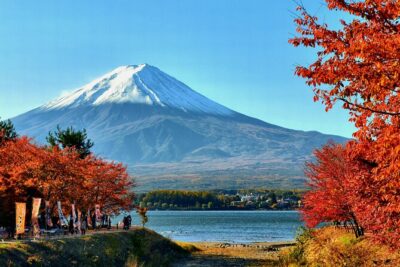
Next comes Lake Kawaguchi Maple Corridor, also called the Momiji Corridor. This is the “walk under the leaves” segment of the day. The corridor is lined with over 60 maple trees, forming a glowing tunnel effect in red and gold when the season hits right.
Your time here is about 50 minutes, which sounds short until you realize this stop is meant to be photogenic and doable. In a limited time window, the corridor gives you concentrated scenery without asking you to commit to a long hiking-style outing.
Why this stop is worth your energy: it changes the feel of the day. Arakurayama is stairs and viewpoints. Lake Kawaguchi is a calmer path where the trees create a natural frame. Even if your Mt. Fuji visibility isn’t perfect, the maples themselves still deliver.
A thing to watch: autumn weather can shift fast. If it’s cold or drizzly, your time outside matters, so dress for moving. The upside—Lake Kawaguchi is a place where even “less than perfect” conditions don’t erase the whole experience.
Lunch in Koshu/Enzan: Kuri Okowa and Hoto hot pot
Around 1:00 PM, you head to a mountain-town area in Yamanashi—Koshu (with lunch in Enzan). This is one of those pauses that keeps the day from feeling like nonstop sightseeing.
Lunch is included and specifically features:
- Kuri Okowa (chestnut rice)
- Hoto hot pot (a traditional style)
What I appreciate here is the scheduling. Lunch later than usual can sound like a drawback—until you realize it matches the rhythm of a day trip built around sightseeing stops. You’re less likely to feel hungry at the worst possible moment, and you’re not stuck choosing from long lines or underwhelming convenience options.
Also, the tour info is clear about dietary limits: special requests, including food allergies, can’t be accommodated. If you’re sensitive or have restrictions, plan to bring your own arrangement or eat separately. No one wants a ruined meal when you’re already spending the day walking.




The “Mt. Fuji factor”: great when it shows up
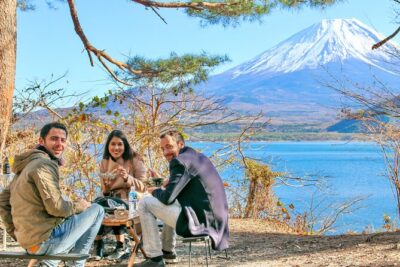
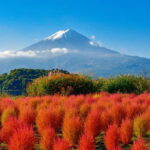
This tour markets Mt. Fuji views, but it also warns you plainly: weather can block it. That’s not a minor footnote—it’s central to the experience. On a clear day, the Fuji views can be a highlight. On a cloudy day, you might still enjoy fall foliage and the pagoda area, but the famous skyline moments may disappear.
One review praised the outcome when Mt. Fuji was visible. Another noted that rain and cloud prevented Mt. Fuji from appearing, but the tour still ran and people enjoyed the stops anyway. That tells me something important: you should treat Mt. Fuji as a bonus, not the entire reason you’ll have a good day.
If seeing Fuji is your top goal, I’d set your mindset like this:
- You’re going to the right places for Fuji sightings in autumn.
- You’re also going to beautiful maples and a photogenic pagoda spot regardless.
- Your best photos depend on conditions you can’t control.
Return to Tokyo: seafood bento on the coach
On the way back, dinner is included as a seafood bento boxed meal served on the coach ride. This is one of those smart travel choices that keeps your evening from spiraling into “where should we eat now?” mode.
It also fits the day’s pacing. You’ve already walked and climbed and spent time outdoors. By the time you’re back on the bus, you’re ready for a straightforward meal with no searching. That’s especially helpful if you’re getting back after dark or you’re tired and just want to decompress.
And yes, the day has a take-home treat: you’ll receive a bunch of Shine Muscat grapes to bring with you.
How much walking are you signing up for?
Let’s be honest: this isn’t a “sit and admire” tour. It’s an active day trip.
The big effort is at Arakurayama Sengen Park:
- The climb to the pagoda area is roughly 398 steps one way.
- There’s a slope alternative of about 10 minutes on foot, which may be easier for some people.
- The bus can’t drop you at the exact viewing spot, so you’re still walking from the park entrance area.
If you’re comfortable with hills and stairs, you’ll likely feel fine. If you’re not, you’ll still be able to enjoy the viewpoints near the entrance, but you may skip the iconic pagoda combination picture.
The tour notes also say it’s not recommended for travelers with leg problems. That’s worth taking seriously.
What kind of traveler is this best for?
This is a great fit if you:
- Want to see classic Fuji-area autumn sights without planning routes.
- Enjoy walking and photography.
- Travel solo or as a pair and don’t want meals to become a search problem.
- Like a structured day with guided coordination, even if the historical storytelling isn’t heavy at every stop.
It’s less ideal if you:
- Want lots of in-depth guided explanation throughout the day.
- Have limited mobility or struggle with stairs.
- Need allergy-friendly meals (the tour states it can’t accommodate special dietary requests).
Should you book Autumn Leaves: Mt. Fuji Views, 5-Storey Pagoda and Lake Kawaguchi?
I’d book it if your priority is simple: fall colors + Mt. Fuji-area icons with everything arranged for you—transport, meals, and a stop plan designed for peak-season chaos.
Skip it (or choose another option) if walking is a deal-breaker or if you need strict dietary accommodations. Also, if Mt. Fuji is everything to you, understand the weather risk is real, and the schedule can shift based on conditions. The tour’s photos look best when the sky cooperates.
One more reason to lean yes: the tour staff and leadership show up in the feedback—English-led guidance with a conductor supported by translation tech, plus a driver who keeps the day organized even in rain. If you want an autumn day that feels like you’re being taken care of, this is a strong match.
FAQ
Is this tour only for autumn leaf season?
Yes. It’s described as a seasonal bus tour available only during November, with peak viewing typically early to late November.
How long is the day trip?
The duration is listed as approximately 9 hours 10 minutes.
What stops are included?
You’ll visit Arakurayama Sengen Park, Lake Kawaguchi Maple Corridor (Momiji Corridor), and the Koshu/Enzan area for lunch.
Are admission tickets included?
The information provided shows admission ticket free at Arakurayama Sengen Park and Lake Kawaguchi.
How much walking is required at Arakurayama?
You need to climb about 398 steps one way to reach the five-story pagoda area. There is also an alternative route taking about 10 minutes via a gentle slope.
Will the bus take me right to the pagoda viewpoint?
No. The bus cannot take you to the viewing spot, so you’ll walk from the park entrance area.
Is Mt. Fuji guaranteed?
No. The tour notes that if the weather is not favorable, you might not be able to see Mt. Fuji.
What meals are included?
Lunch includes Kuri Okowa (chestnut rice) and Hoto hot pot. Dinner is a seafood bento on the coach ride back to Tokyo. You’ll also receive a bunch of Shine Muscat grapes.
Can the tour accommodate food allergies or special diets?
No. The tour states it is unable to accommodate special dietary requests, including food allergies, and there are no meal refunds.
How many people are in the group?
The tour has a maximum of 42 travelers.
What’s the cancellation window for a full refund?
You can cancel up to 6 days in advance for a full refund, and the cutoff is based on local experience time.