REVIEW · TOKYO
Best of Shibuya Food Tour
Book on Viator →Operated by Arigato Japan KK · Bookable on Viator
Neon Shibuya gets a local-food makeover.
I love the side-street restaurant hopping at night, and I like how the tastings can include sushi plus other regional favorites. One caution: at $217, this is a value play only if you really want multiple small tastings and a guide telling you where to stand, what to order, and how to eat.
Guides like Seika or Clara tend to turn the walk into something more than eating—Japanese food culture comes up as you go, not in a lecture. You’ll start at 4:00 pm at Hachiko’s area and finish in the Tokyu Department Store food hall zone, with about three hours of moving through Shibuya.
Because it’s a walking tour with a moderate fitness level and group size capped at 10, I’d plan it for an evening when you’re rested. Also, come with an appetite: the tour is built around tasting, so you do not want to “snack lightly” before you meet.
In This Review
- Key things to know before you go
- A 4:00 pm Shibuya walk when the crowds thin out
- Meeting at Hachiko’s wall mural and the quick culture stops
- The five food stops and dessert: what you can expect to eat
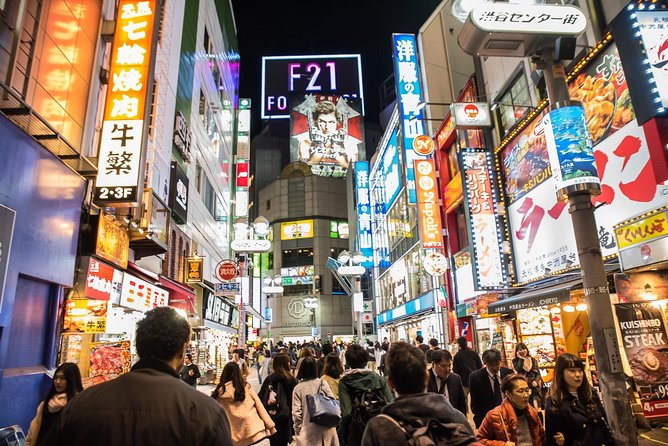
- Back alleys, Shibuya Center-gai, Shibuya Crossing, and the fashion streets
- Nonbei Yokocho and the night-izakaya feel
- Ending at Tokyu Food Show: the depachika-style finale
- Price and portions: is $217 good value for this 3-hour tour?
- Group vibe, guide styles, and how to choose well
- Who should book this Shibuya food tour (and who might not)
- Should you book this Shibuya food tour?
- FAQ
- Where is the meeting point and where do we end?
- What time does the tour start?
- How long is the tour?
- How many food stops are included?
- What’s included besides food?
- Is it family-friendly, and what about kids’ food?
- Are there rules about drinks?
- Can vegetarians or vegans join?
- What’s the cancellation policy like?
Key things to know before you go
- Small group night vibe (max 10): easier conversations and less waiting at each stop.
- Five food stops plus dessert: you’re meant to leave full, not just “try one bite.”
- A mix of Japan’s favorites: sushi, ramen, yakitori, and even Hiroshima-style okonomiyaki may show up.
- Depachika-style finale: you’ll end in the Tokyu basement food hall area.
- Clear start point at Hachiko: arriving late makes meeting-up a risk, so don’t treat it like a casual stroll.
A 4:00 pm Shibuya walk when the crowds thin out
This tour is scheduled for the afternoon into early evening, starting at 4:00 pm. That timing matters. Shibuya’s neon is fun in daylight, but at night you get more of the local eating rhythm—people grabbing bites between errands, office drinks, and casual dinners.
You’re also walking through the parts of Shibuya that feel active without being as chaotic as peak tourist hours. The route is built for you to see shopping landmarks and street food alleys, then pair that visual energy with real food stops instead of wandering and guessing.
It’s also practical that the tour lasts about three hours. In Tokyo, three hours is long enough to feel like you did something meaningful, but short enough that you can still have a proper second meal after.
You can also read our reviews of more food & drink experiences in Tokyo


Meeting at Hachiko’s wall mural and the quick culture stops
You meet outside the station at the Hachiko area—specifically in front of the wall mural of Hachiko, at the Hachiko Exit. There’s a lot happening around Shibuya Station, so this is the one moment you should treat seriously: arrive a few minutes early and match what you see to the meeting point.
From there, the early stops are about getting oriented. You’ll pause by Hachiko itself, where your guide shares backstories and Japanese customs tied to the area. It’s short and not overwhelming, but it helps you understand why Shibuya has that “meeting point” energy in the first place.
You’ll also pass by a stop called Myth of Tomorrow, listed as family-friendly. Think of this as a quick pause for photos and context, not a long museum moment. After that, you shift into the classic Shibuya pathway: arcades, crossing views, and the shopping streets where food is never far away.
The five food stops and dessert: what you can expect to eat
The heart of the experience is five food stops plus dessert. The exact menu can change based on schedules and conditions, so you’re not guaranteed the same bites as the next group—but the tour is very consistent about the type of food.
Here’s what you should plan around based on what the tour is designed to sample:
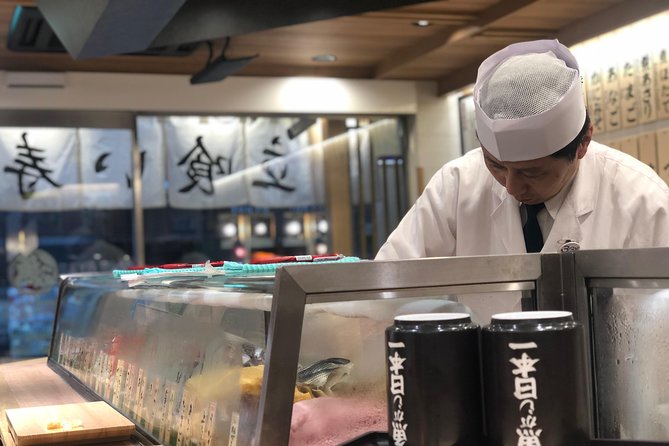
- You may try sushi (including types like nigiri, depending on the stop).
- You may get ramen, including rich-broth styles described by guides and past groups.
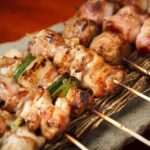
- You may taste yakitori, with the tour highlighting wagyu beef skewers for adults.
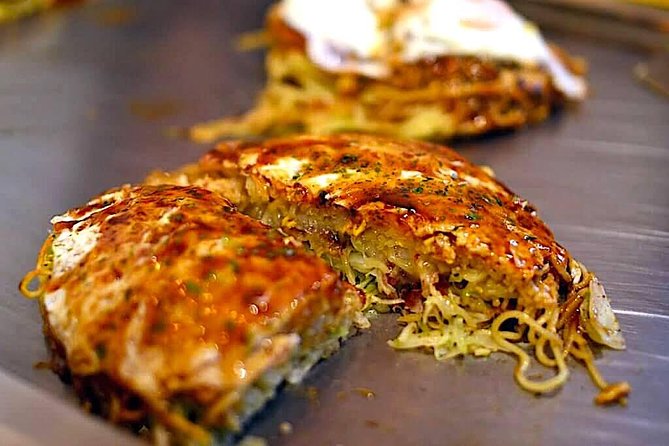
- You may also encounter Hiroshima-style okonomiyaki.
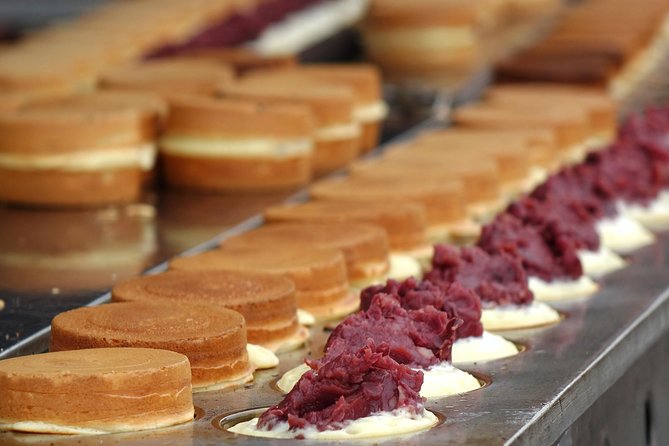
- And you’ll end with dessert to keep the last stretch fun.
The guide’s job here is more than handing you food. You’ll learn how to eat each item properly and what to pay attention to (texture, seasoning style, and how the shop does its signature bite). That’s why the guide quality comes up again and again in the glowing comments—people like Seika, Ray, Jacob, Jane, Sandra, Melissa, Alex, Maya, Daniel, Vanessa, and Yu show up as the kind of hosts who connect food to place.
One practical thing: if you’re traveling with kids, the tour notes that children get chicken skewers instead of beef. That’s a clear win for families who want everyone to eat the core “skewer” experience.
And if you’re vegetarian or vegan, the tour states flexibility. That doesn’t guarantee every stop will be vegan, but it does mean the operator is set up to handle common dietary needs rather than shrugging.
Back alleys, Shibuya Center-gai, Shibuya Crossing, and the fashion streets
Food tours can be light on sights, but this one mixes them on purpose. You’re not just eating in a hallway; you’re walking through recognizable Shibuya landmarks and then cutting into side streets where the meals happen.
A major named area is Shibuya Center-gai, described as a foodie paradise with authentic eateries and seasonal tastes. This is the kind of place that’s easy to stroll through on your own—until you realize you have no idea which tiny counter is worth your time. A guide helps you choose.
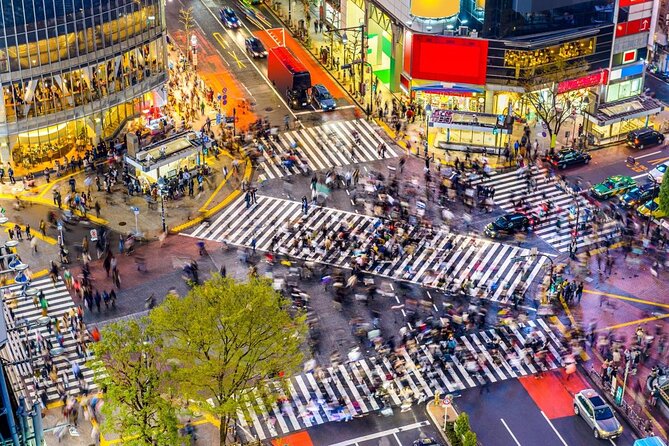
Then comes Shibuya Crossing. You’ll stop there, and your guide may point out a good way to see the crossing with less stress than trying to guess the best angle from ground level. One past highlight called out that the guide knew where to get a view of the crossing from above, which is the sort of tip you simply can’t learn by looking at a map.
After that, you pass major shopping stops like Shibuya 109 and the massive MEGA Don Quijote. They’re not food stops by default, but they set the mood. You’re moving through the same streets you’ll walk later anyway, so it feels like your tour is teaching you how to navigate Shibuya—not only where to eat.
Nonbei Yokocho and the night-izakaya feel
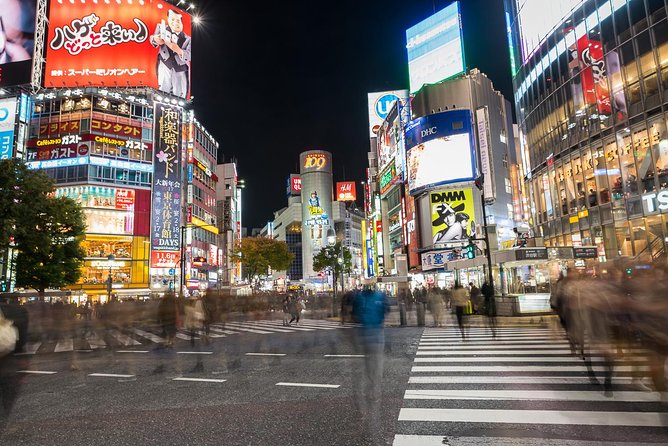
A named stop here is Nonbeiyokocho, which is exactly the kind of alley that makes you understand why Shibuya is known for “small but lively” eating. These narrow lanes tend to be where you find the compact counters and quick meals—less formal, more local, and usually more fun when there’s a group guiding you to the right place.
This is where a good guide makes the biggest difference. In the strongest experiences, the hosting is described as fun, fast-paced, and full of context—so you don’t feel like you’re just following a line. You feel like you’re being let in on a Shibuya rhythm.
This also connects to what people praise most: the tour is designed for night energy when tourists are less dominant. If you’ve ever tried to “find ramen” after a long flight and ended up at the most obvious line, you’ll understand why a guided alley stop is worth it.
You can also read our reviews of more tours and experiences in Tokyo



Ending at Tokyu Food Show: the depachika-style finale
The tour finishes back where you can easily reorient: at Tokyu Department Store, specifically in the basement under the station. That matters because it keeps your day simple. When you’re done eating, you’re not wandering for a train while stuffed and tired.
The tour also calls out the “depachika” experience—those underground food halls where Japan’s specialty snacks and prepared foods live side-by-side. Even if you’re not shopping, depachika spaces are great because they let you see how Tokyo food culture turns into a daily habit: grab something quick, gift something small, or keep browsing until you find the one thing you didn’t know you wanted.
Finishing in this kind of food hall is a smart design choice. You can cap your tastings with dessert and then decide if you want to buy one extra treat for later, without needing a separate dinner plan.
Price and portions: is $217 good value for this 3-hour tour?
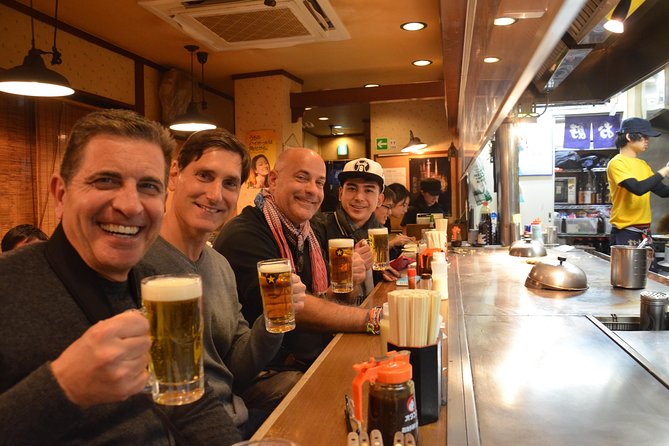
Let’s talk money honestly. $217 per person is not cheap for a walking tour. So the question isn’t just cost—it’s what you’re really buying.
You’re paying for:
- A local guide who handles routing, ordering, and explanations
- Five food stops plus dessert
- One included drink
- A nighttime route built around side streets, not only big public-facing venues
When the experience clicks, people describe leaving stuffed and calling it worth it. The strongest comments point to quantity and variety, and guides who make the food feel like a story, not just a transaction.
But there are also a couple of complaints about value. The gist is simple: if you expect a single big meal, or if you’re trying to strictly measure “cost per bite,” tasting tours can feel overpriced. Another concern that shows up is that some restaurant stops can be less impressive if you catch the wrong timing window.
So here’s my practical take: this is best for you if you like variety and want to eat several distinct items in one evening. If you’re the type who wants one unforgettable dinner and hates lots of small portions, you may feel let down.
Group vibe, guide styles, and how to choose well
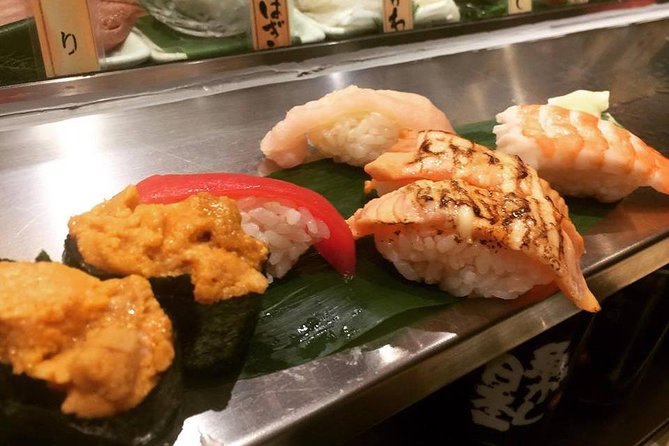
This tour caps at 10 travelers, which is usually the sweet spot for a Shibuya food walk. Small enough for conversation, big enough that you’re not waiting forever at every stop.
Guide names show up often in the comments, and it’s clear the company puts effort into hosting personalities. People give high marks to guides like Seika, Clara, Ray, Saika, Jacob, Jane, Sandra, Melissa, Alex, Maya, Daniel, Vanessa, and Yu. The names matter because they point to consistent themes: groups liked the guide pacing, the explanations, and the sense that they were eating in the right spots.
Also, the tour can include a karaoke after party. It’s listed as available, so you might not do it, but it’s a nice sign the experience is social and not only transactional.
Who should book this Shibuya food tour (and who might not)
This is a great match for you if:
- You want a guided way to eat in Shibuya without guessing which counters are worth your time
- You’re open to tasting multiple styles: sushi, ramen, skewers, and even okonomiyaki
- You want the night setting and back-alley feel
- You like learning small bits about Japanese food culture while walking
It may be less ideal if:
- You only want one heavy meal and dislike tasting formats
- You’re very sensitive to price-to-portion math
- You get stressed if a meeting point feels hard to find (Shibuya is busy, and you need to meet at the right Hachiko mural)
For families, it’s specifically described as family-friendly, and it includes kid accommodations like switching to chicken skewers for children.
Should you book this Shibuya food tour?
Yes, if you want one evening that connects Shibuya’s famous sights with the kind of food hopping that’s hard to do well on your own. The route is timed for night energy, the tour includes multiple tastings plus dessert, and the small group size keeps it fun.
I’d especially book it if you’re visiting Shibuya for just a short time and you want to leave with both full stomach and better instincts for where to eat next. If you’re a strict value shopper who wants big restaurant portions every stop, or you hate any uncertainty in what you’ll be served, you might want to plan a backup plan and keep expectations on the tasting side.
FAQ
Where is the meeting point and where do we end?
Meet at the Hachiko area outside Shibuya Station, in front of the wall mural of Hachiko at the Hachiko Exit. The tour ends at the Tokyu Department Store basement level under the station.
What time does the tour start?
The start time is 4:00 pm.
How long is the tour?
It runs for about 3 hours.
How many food stops are included?
You get 5 food stops plus dessert.
What’s included besides food?
The tour includes a local guide, one drink, and the tastings described above.
Is it family-friendly, and what about kids’ food?
Yes, it’s family-friendly. Children must be accompanied by an adult, and the tour notes that children get chicken skewers instead of beef. For kids 10 and above, a passport information copy is required.
Are there rules about drinks?
The tour states the minimum drinking age is 21. The tour also includes one drink, so it’s smart to confirm what that means for your age group when you book.
Can vegetarians or vegans join?
The tour says there’s flexibility for vegan and vegetarian options.
What’s the cancellation policy like?
You can cancel for a full refund if you cancel at least 24 hours before the experience’s start time. If it’s canceled due to poor weather, you’ll be offered a different date or a full refund.