REVIEW · TOKYO
Mt Fuji Exclusive Tour with Private Car English Guide
Book on Viator →Operated by Dream Tours Japan · Bookable on Viator
A quiet drive makes Mt Fuji feel personal. This private day trip brings you from Tokyo with hotel pickup, then threads together the best Fuji-area sights—Oshino Hakkai, Oishi Park, Lake Kawaguchi, and more—so you’re not stuck in a rush-and-repeat bus day. I especially like the chance to enjoy each stop at a natural pace, and the way the driver can guide your photo timing so you actually get shots you’ll want to keep. One thing to consider: Mt Fuji visibility depends on weather, and the plan can flex if skies turn gray.
This kind of tour works because the “work” is handled for you. You get round-trip logistics plus time to wander, grab snacks, and take photos without feeling like you’re chasing a schedule written for strangers. It’s also designed for a small group (up to 4), so you get a calmer rhythm than the big-group tours.
Still, keep your expectations grounded about what private means. It’s private transportation with an English driver-guide, but at some viewpoints you may be exploring mostly on your own. For example, one traveler felt the day was more driver-to-stop than constant walk-along guiding.
In This Review
- Key Points You’ll Care About
- Mt Fuji From Your Own Car: What Makes This Day Trip Feel Different
- Pickup Timing and Route Changes When Weather Turns
- Oshino Hakkai: Clear-Water Springs and a Fuji Village Walk
- Oishi Park and Lake Kawaguchiko: Flowers, Soft-Serve, and Fuji Views
- Kitaguchi Hongu Fuji Sengen Jinja: The Shrine That Faces the Mountain
- Mt Fuji 5th Station: Worth It, But Only If the Weather Holds
- Chureito Pagoda: The Steps, the Angles, and the Photo Timing
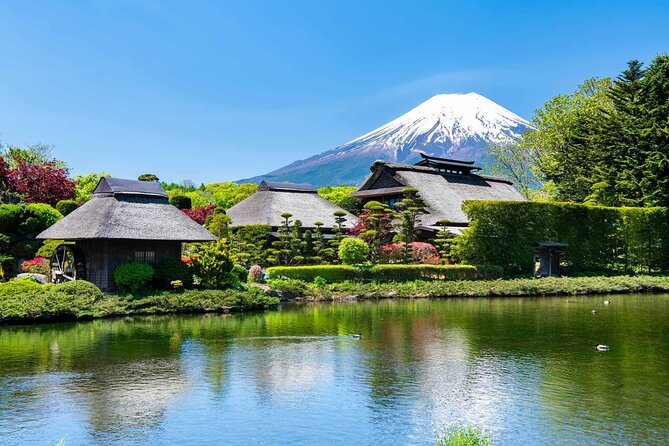
- Optional Saiko Iyashi no Sato Nenba: Traditional Houses Near Lake Saiko
- Price and Logistics: Is $445 Actually Good Value?
- Who This Tour Suits Best (and Who Might Want a Different Plan)
- Should You Book This Private Mt Fuji Tour?
- FAQ
- How long is the Mt Fuji Exclusive Tour?
- What is the maximum group size?
- Do you pick me up from my Tokyo hotel?
- Is Mt Fuji 5th Station included?
- Are admission tickets included for the other stops?
- Is Saiko Iyashi no Sato Nemba included?
- What does the tour price include?
- What is not included in the tour price?
- Will the plan change due to traffic or weather?
- What happens if the tour is canceled because of weather?
Key Points You’ll Care About
- Hotel pickup in Tokyo means you start relaxed, not sprinting for a meeting point
- Private car for up to 4 gives you breathing room at each viewpoint and photo stop
- Classic Fuji-area stops include Oshino Hakkai, Oishi Park, Lake Kawaguchiko, and Chureito Pagoda
- Most admissions are free on the planned stops, with costs only for the optional paid add-ons
- 5th Station only if weather permits, so your route has built-in flexibility
- English support from different driver-guides (names like Ali, Amir, Imran, Shaw, Sameer, Zubi, Mozi, Ishi, Hadi, and Guru show up in recent experiences)
Mt Fuji From Your Own Car: What Makes This Day Trip Feel Different
If you’ve ever done a “Mt Fuji day” and spent half the time waiting, herding, or standing in lines with everyone else, you’ll appreciate the setup here. The core idea is simple: you and your group ride together, with round-trip transfers and planned stops built around Fuji’s most photographed corners.
The private-car format matters more than you might think. Between Tokyo and Yamanashi Prefecture, traffic and timing can get messy. When you’re on a shared bus, you lose options when delays hit. With a private vehicle, the schedule is still structured, but you have room for small adjustments.
I also like that the tour is explicitly built around multiple nature stops rather than “one quick stop, then back on the road.” You’ll see Lake Kawaguchi area views, walk around Oshino Hakkai, and get to the Chureito Pagoda area for classic Fuji photos.
You can also read our reviews of more guided tours in Tokyo
Pickup Timing and Route Changes When Weather Turns
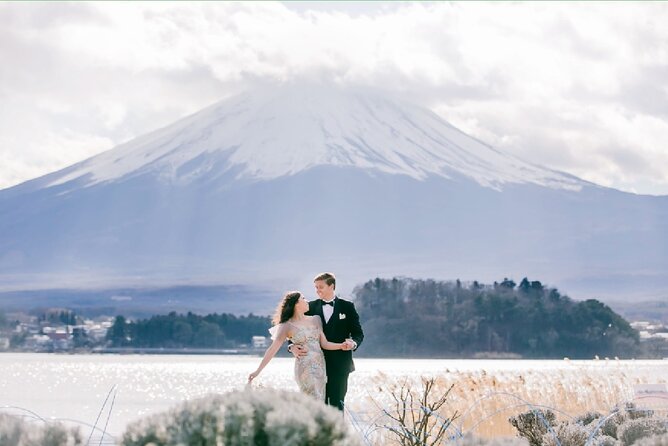
Fuji days have one big variable: weather. Clear skies are gorgeous; cloud cover is common; wind and rain can change what’s worth attempting. This tour plans for that reality.
You’re not locked into one single “must-do” viewpoint. The Mt. Fuji 5th Station is only included if weather permits. If conditions aren’t good, you don’t waste the day trying to force it. The itinerary is designed so you can still have meaningful sightseeing even when the summit view is off the table.
Another practical detail: the driver may ask you to change time a bit earlier due to bad traffic or weather. That’s not a gimmick. It’s a real-world strategy to help you arrive at key spots during the best window, especially around places where lighting changes fast and crowds can spike.
Also, you’ll have a mobile ticket. That’s small, but it reduces friction during the day when you’re hopping between stops.
Oshino Hakkai: Clear-Water Springs and a Fuji Village Walk
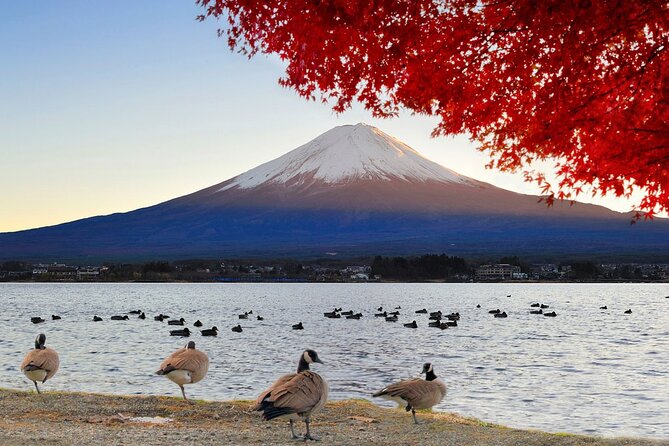
Oshino Hakkai is a small village near Mount Fuji known for spring water fed by snowmelt. The atmosphere here is different from the big-name photo spots because it’s about calm walking and water you can actually see moving.
You get about 1 hour, and the good news is that the stop is admission free. That means you can spend your time figuring out where you want to stand for photos, then take your time watching the water flow and soaking in the character of the area.
Why this stop works on a private tour: you can slow down without guilt. There’s no need to keep an eye on the bus driver or guess when your group will be called back. If you want snacks or a quick drink break, you can fit it in without turning it into a mission.
Drawback to plan for: because it’s a walk-and-look stop, you’ll want comfortable shoes. Also, water areas can be slippery if it’s wet.
Oishi Park and Lake Kawaguchiko: Flowers, Soft-Serve, and Fuji Views
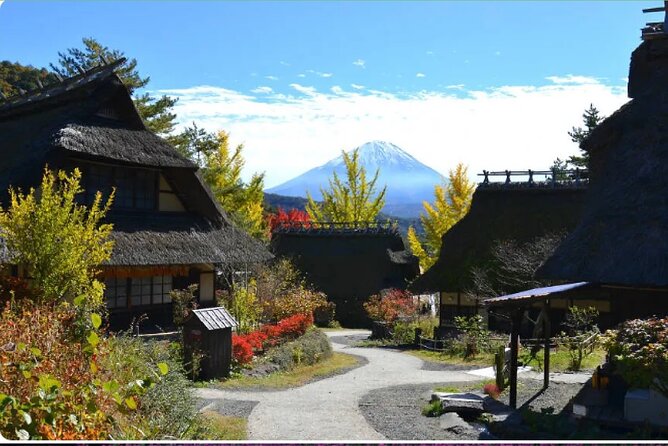
Oishi Park is on the shores of Lake Kawaguchi and is famous for Mount Fuji views and colorful seasonal gardens. On this itinerary, you get around 1 hour, and it’s also admission free.
This is the moment where you often decide whether your Fuji day is going to feel magical or just scenic. If the clouds break, you’ll notice it right away in how the entire area looks. If it stays gray, at least the lake setting and garden areas keep the day from feeling like a washout.
There’s also a simple treat built into the experience. After walking around, you can indulge in soft-serve ice cream (mentioned as a common stop-at-yourself kind of activity here). It’s the kind of “small reward” that makes the long day feel worthwhile.
Then you head to Lake Kawaguchiko. You get another about 1 hour here, with admission free. The lake is the heart of this region—quiet vistas, and plenty of places where you can pause for photos or take a slower look at how Fuji sits in the background.
Practical tip: plan for wind off the water. Bring a light layer even if Tokyo feels warm—lake air can surprise you.
Kitaguchi Hongu Fuji Sengen Jinja: The Shrine That Faces the Mountain
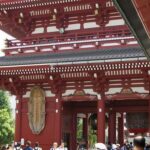
Next up is Kitaguchi Hongu Fuji Sengen Jinja in Fujiyoshida City, at the northern foot of Mount Fuji. This is a Shinto shrine and it’s tied to mountain pilgrimage routes, serving as a main entrance for those heading toward the Yoshida Trail.
You get about 1 hour, and again it’s admission free. That’s great value because shrines tend to offer a deeper sense of place. You’re not just consuming views—you’re seeing how people connect Fuji to faith and tradition.
Why I think this stop is a smart inclusion on a private tour: it gives your day balance. After spending time on water and parks, a shrine stop slows you down and gives you a cultural anchor. Even if you’re not the type to read signs for an hour, you can still appreciate the setting, architecture details, and the way the space is oriented toward the mountain.
If you’d like a smoother visit, pace yourself. A shrine visit can eat time if you stop constantly for photos and then feel rushed for the next stop. The private format helps, but the schedule still matters.
You can also read our reviews of more private tours in Tokyo

Mt Fuji 5th Station: Worth It, But Only If the Weather Holds
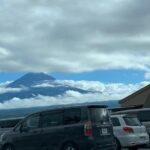
The Mt. Fuji 5th Station is the classic starting point for climbers aiming higher. In many Fuji-area days, this is the “big ticket viewpoint.” It sits around 2,300 meters, so the air feels different, and the scenery shifts from lake views to mountain reality.
Here’s the key: it’s only included if weather permits, and the admission is not included. The cost listed is 2,800 yen per group.
So should you go? If the day is clear enough to make the climb-or-view effort worthwhile, it’s a strong add. But if visibility is poor, you may get more enjoyment from the other stops that still deliver something even with a cloudy sky.
Also, plan for chillier temperatures at higher altitude than you expect. Even when Tokyo feels fine, 5th Station can feel noticeably colder.
Chureito Pagoda: The Steps, the Angles, and the Photo Timing
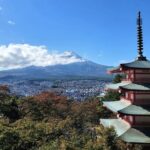
Chureito Pagoda is one of the most famous Fuji-photo icons. It’s a five-storied pagoda within the Arakura Sengen Shrine area, and yes, you reach it by climbing a series of steps.
You get about 1 hour, and the stop is admission free. But don’t underestimate the “free” part—your legs do the work. If you’re sensitive to stairs or you’re traveling with someone who tires easily, this is the moment to take it slow and use breaks.
One important note based on actual experiences: the tour is private, but guiding style can vary. Some guides help you with where to stand and when to shoot, while others may not accompany you to every viewpoint edge. Either way, your best move is simple—ask your driver-guide on arrival where the best angle is for your exact group size and ask them to flag the best times for photos.
If Fuji peeks through the clouds, Chureito is often where that “wow” moment happens. If not, the pagoda and shrine setting still feel special, just less dramatic.
Optional Saiko Iyashi no Sato Nenba: Traditional Houses Near Lake Saiko
Saiko Iyashi no Sato Nenba is an optional add-on. This restored traditional village near Lake Saiko gives you a different vibe from the lake-and-pagoda stops.
You get about 1 hour if you choose it. Admission is 500 yen per adult and it’s not included in the base price.
Why I like this option for the right traveler: it adds texture. By the time you get here, you’ve already spent hours looking outward at Fuji views. A traditional village can help you remember the day as more than just photos.
Who should skip it? If you’re chasing maximum Fuji visibility and want to keep your energy for the paid or altitude-dependent spots, you might prefer staying flexible at the earlier viewpoints.
Price and Logistics: Is $445 Actually Good Value?
The price is $445 per group (up to 4) for a 9–10 hour day. That’s not cheap by solo travel standards, but it’s designed for small groups where private transport is the big cost driver.
Here’s what you get for your money:
- Private transportation and parking
- Highway tolls and a fuel surcharge
- A driver-guide with English support
- A plan that covers several key Fuji-area stops, with time at each stop rather than quick drive-bys
- Mobile ticket for easier handling
What you should budget for on top of the tour price:
- Lunch is not included
- Mt. Fuji 5th Station costs 2,800 yen per group if weather allows
- Saiko Iyashi no Sato Nenba costs 500 yen per adult if you add it
So is it value? For me, it becomes value if you want three things at once: calm pacing, a realistic chance to hit the best spots, and no stress about transportation across the Fuji region. If your group is splitting costs, the private aspect often feels worth it fast. If you’re traveling alone or as a couple with a tiny tolerance for stairs and walking, you may decide the other stops are enough without the 5th Station add-on.
One more logistics reality: the tour requires good weather. If it’s canceled due to poor weather, you’re offered a different date or a full refund.
Who This Tour Suits Best (and Who Might Want a Different Plan)
This tour is a strong match if you:
- Want less crowd pressure than buses and better flexibility during a long day
- Like the idea of seeing several Fuji-area highlights in one go
- Appreciate an English-speaking guide who can help with the day’s flow and photo spots
- Travel as a small group (since it’s up to 4)
It may be less ideal if you:
- Have mobility limits, since the itinerary includes walking areas and the Chureito steps
- Need constant, step-by-step guiding at every viewpoint (one experience described it more as a driver-to-stops model)
- Are traveling with someone who shouldn’t handle the day’s demands; it’s not recommended for travelers over 95 years
Should You Book This Private Mt Fuji Tour?
I’d book this if your priority is a smooth Fuji day with your own car, real time at each stop, and the chance to swap plans when weather shifts. The mix of Oshino Hakkai + lake views + shrine/pagoda photography hits the classic Fuji-region feel without turning the day into a marathon.
Before you pull the trigger, be honest with yourself about two things: how much you care about reaching the 5th Station and how you’ll handle clouds. If you’re okay treating the day as “Fuji-area highlights” rather than “guaranteed summit views,” this tour is a smart, high-comfort way to do it.
If you want, tell me your travel month and whether you’re more into photos or slower sightseeing. I can suggest which optional choices (like Saiko) are most likely to fit your style.
FAQ
How long is the Mt Fuji Exclusive Tour?
The tour lasts about 9 to 10 hours.
What is the maximum group size?
The tour is priced per group for up to 4 people.
Do you pick me up from my Tokyo hotel?
Yes, hotel pickup is offered for round-trip transfers.
Is Mt Fuji 5th Station included?
It’s only included if weather permits, and the admission fee is not included (2800 yen per group).
Are admission tickets included for the other stops?
Admission tickets are listed as free for Oshino Hakkai, Oishi Park, Kitaguchi Hongu Fuji Sengen Jinja Shrine, Lake Kawaguchiko, and Chureito Pagoda.
Is Saiko Iyashi no Sato Nemba included?
It’s optional, with a fee of 500 yen per adult, and it is not included in the base price.
What does the tour price include?
It includes private transportation, parking fees, highway tolls, and fuel surcharge.
What is not included in the tour price?
Lunch, Mt Fuji 5th Station admission (if visited), and Saiko Iyashi no Sato Nemba admission (if added).
Will the plan change due to traffic or weather?
The driver can request that you change the time a bit earlier due to bad traffic or weather.
What happens if the tour is canceled because of weather?
If the experience is canceled due to poor weather, you’ll be offered a different date or a full refund.