REVIEW · TOKYO
Tokyo: Calligraphy Experience with yukata or Samue
Book on GetYourGuide →Operated by 日本書鏡院 · Bookable on GetYourGuide
Ink on paper feels personal fast. This 90-minute Tokyo calligraphy experience is built around real brush practice with professional guidance, plus a calm tea break. You’ll start by dressing in yukata or samue, and you’ll leave with your own finished artwork, ready to show off back home. In past sessions, teachers such as Hana, Koushi, and Tomo have led the instruction, with a patient, step-by-step approach.
What I like most is how you learn the fundamentals in a way that clicks quickly: line control, how the brush moves, and how characters are meant to look. I also love that you don’t just copy strokes; you make a final piece you can take with you, which turns the class into a genuine souvenir. One thing to consider: you’ll want clothes that can get dirty, because ink and brush work are messy by nature.
In This Review
- Key things to know before you go
- A 90-minute calligraphy class in Tokyo: what you do first
- Yukata or samue setup and tea: the calm start matters
- Learning strokes and kanji: how the class teaches you to see
- Your finished calligraphy piece: a souvenir you’ll keep
- What makes the price feel fair at $64 per person
- Group size, languages, and the comfort factor
- Who should book this calligraphy experience (and who should not)
- Practical tips for the meeting point near Kaide-ji
- Should you book this Tokyo calligraphy experience?
- FAQ
- FAQ
- How long is the calligraphy experience?
- What is the price per person?
- What languages are available for the class?
- What’s included in the price?
- What should I bring or wear?
- Is it a small group?
- What is the cancellation policy?
Key things to know before you go
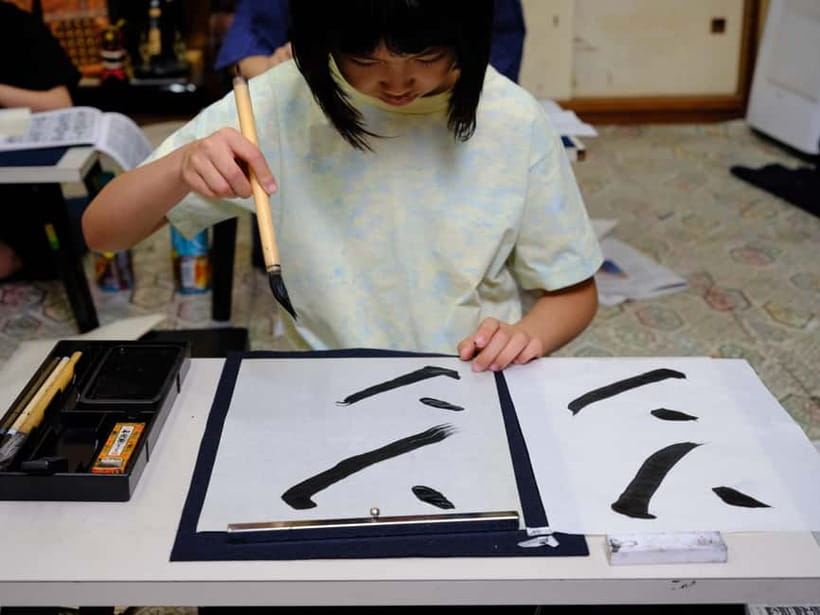
- Hands-on calligraphy time with step-by-step guidance from professional instructors
- Yukata or samue dressing at the start for a more authentic feel
- Brush technique practice so your kanji and strokes look intentional
- Your own finished artwork to take home, not just a worksheet
- Japanese tea break included, so the class has a relaxed pace
- Small group limited to 10 participants for real attention
A 90-minute calligraphy class in Tokyo: what you do first
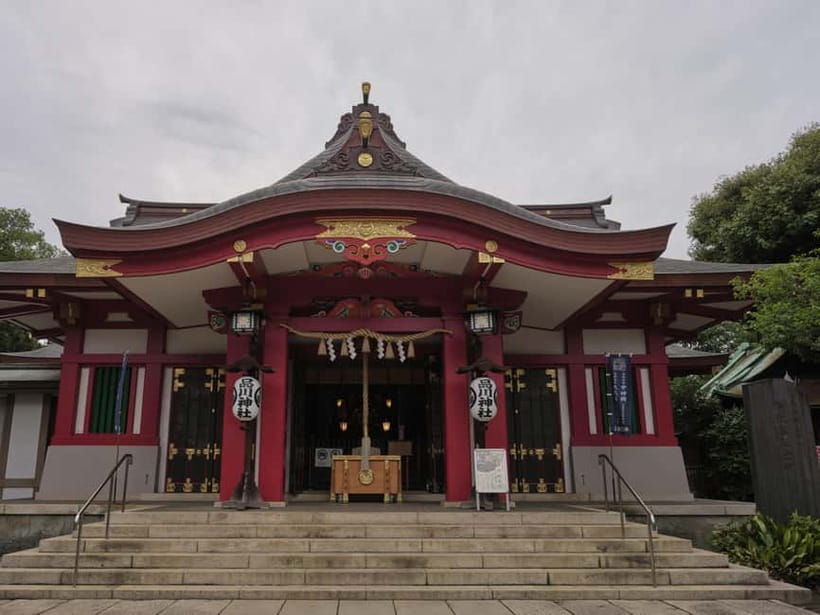
This is a short, focused session. Ninety minutes is enough time to learn the basics, practice, and produce a final piece without turning your day into a half-week project. You’ll meet your guide in Tokyo at a spot marked by two clear landmarks: it’s next to a nursery, and the next place over is Kaide-ji (海德寺).
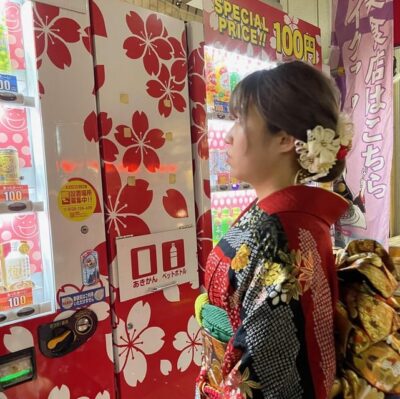
At the start, you’ll settle in and get oriented. Then comes the fun part: getting dressed for the activity. Depending on what you choose, you’ll put on a yukata or a samue, which helps you shift from tourist mode into “okay, this is a real cultural practice” mode.
Once you’re set, the pace stays practical. You won’t be left staring at a blank page wondering where to begin. The instruction builds in small steps, so you keep moving forward.
You can also read our reviews of more tours and experiences in Tokyo.



Yukata or samue setup and tea: the calm start matters
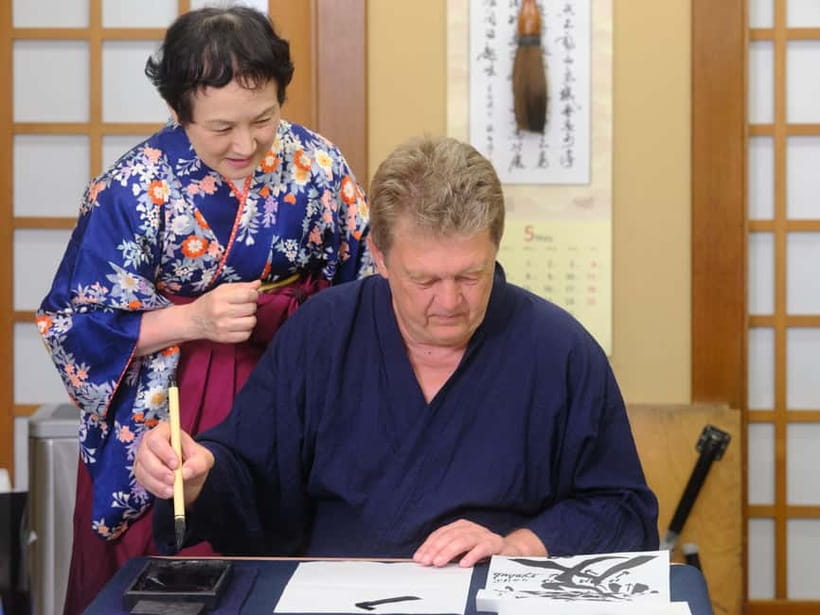
The class doesn’t rush you. You arrive, get welcomed, and you get tea while the group gets ready. That simple break does more than keep you comfortable. It slows your brain down, which matters because calligraphy is all about control—pressure, angle, and timing.
If you’re doing this as a family activity, the tone tends to be warm and patient. One of the best parts is how instructors adjust so you can follow along even if you’ve never held a brush before. It’s not a test. It’s training, and you’re allowed to learn at normal human speed.
Also, you’ll likely be dealing with a few small messes. So wear something you’re okay with. Ink doesn’t care about your favorite shirt.
Learning strokes and kanji: how the class teaches you to see
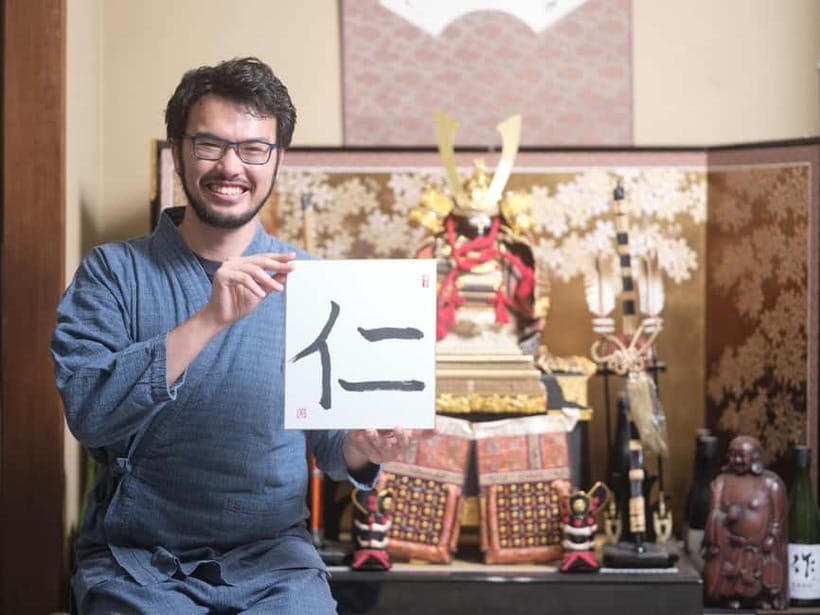
Calligraphy can look like magic from far away. Up close, it’s a set of repeatable skills. Your instructors focus on the basics first: how to draw the main line types correctly and how to handle the brush so the ink flows the way it should.
You’ll learn fundamentals step by step. That usually means starting with line work—practicing movement and spacing—before you move into writing a character. This is important because good kanji isn’t just about the right shape. It’s about the right sequence and how each stroke supports the next.
What makes this class feel more meaningful is the cultural context you get along the way. You’re not only copying shapes. You learn about the spirituality and history connected to the characters. That context helps you understand why the strokes matter, beyond looking pretty on paper.
And yes, you’ll actually write. The goal is that you end the class with a piece that looks like you trained, not like you tried once and gave up.
Your finished calligraphy piece: a souvenir you’ll keep
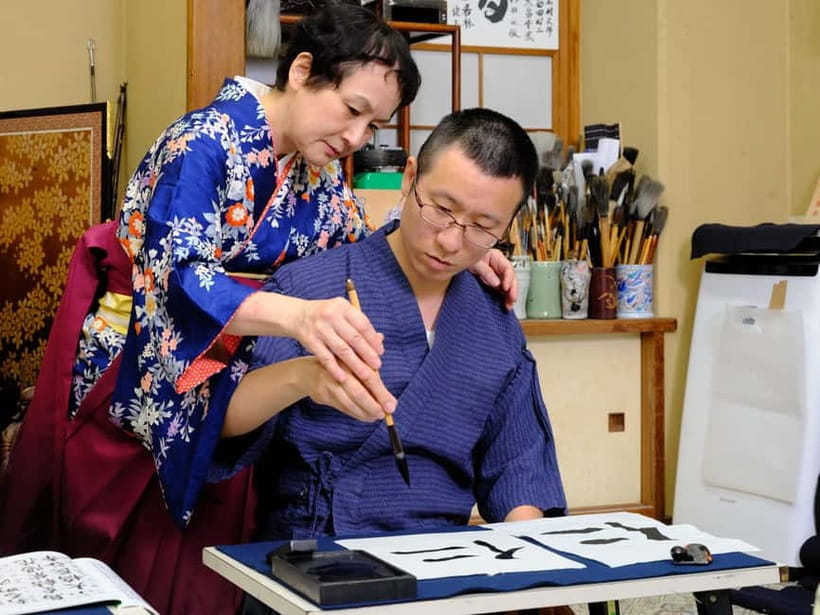
Most souvenirs are forgettable. A finished calligraphy work hits differently because you made it. You’ll take home what you create, and that’s the point: you leave with something you can frame, gift, or keep for years.
In many sessions, instructors help you personalize the output. Some participants have even had their name written by the teacher as part of the process. Even if you don’t come in with a specific idea, you’ll have a structured path to your final artwork.
You’re also given the tools needed for the session, so you’re not shopping for calligraphy supplies at the last minute. Your supplies are included, and you’ll work directly from what the class provides. The tools are part of the experience—good calligraphy happens with the right brush and materials.
By the end, the final piece becomes a memory you can hold. It’s not just a photo. It’s ink, texture, and choices you made under guidance.
What makes the price feel fair at $64 per person
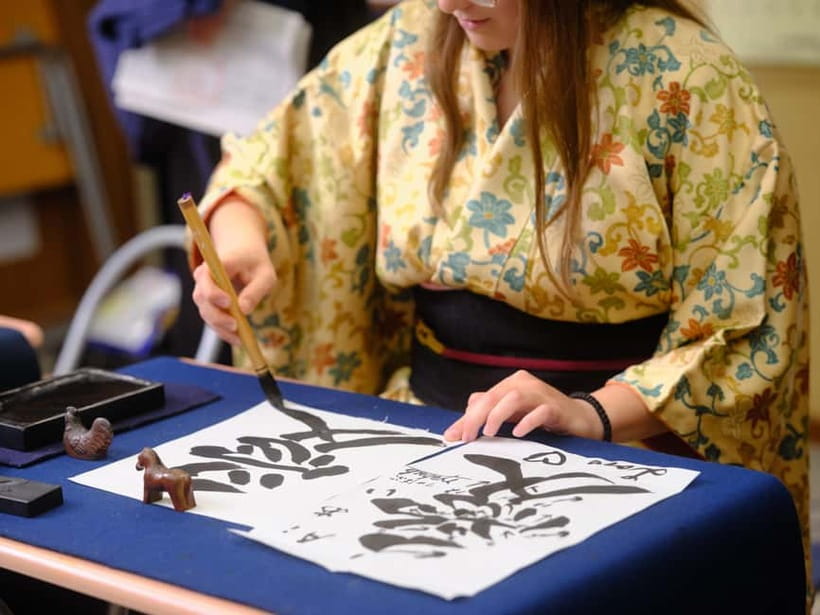
At $64 per person for 90 minutes, this class isn’t “cheap,” but it is built for real value. Here’s why it holds up:
- You’re paying for instruction by professional calligraphers, not a generic demo
- You get all necessary calligraphy tools
- You take home your finished artwork
- The class includes Japanese tea
- There’s an English-speaking guide to help you follow every step
Also, the small group size—limited to 10—changes the math. In a larger setup, you might spend more time waiting. Here, you can actually get help when your brush angle or stroke timing is off.
If you’ve been doing Tokyo activities all day, the length is another value point. It’s short enough to fit without wrecking the rest of your schedule. It’s also long enough to feel like you learned something real.






Group size, languages, and the comfort factor
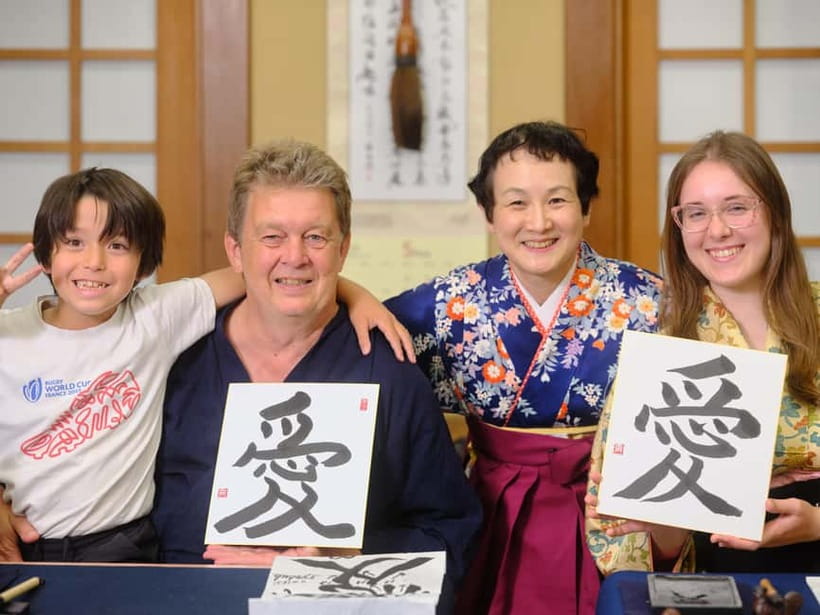
This is a small group class limited to 10 participants, which is ideal for practical skill learning. You get room to practice without constantly watching someone else do everything.
The instruction is available in English and French. The guide/instructor team works with those language options, so you’re not left translating your way through brushwork. If you’re more comfortable in one of those languages, you should select it when booking.
The class also includes a supportive atmosphere. Many sessions highlight that the instructors take time to explain and to help after the core writing practice. That matters because calligraphy is hard at first, but it gets easier when someone points out exactly what to fix.
Who should book this calligraphy experience (and who should not)
You’ll love this if you want a hands-on Tokyo activity that feels traditional without being stiff. It’s especially good for people who enjoy crafts, want a meaningful souvenir, or like cultural stories tied to what they’re doing.
It’s also a good fit for families, with the usual caution. The experience is not suitable for children under 4 years, but it has room for normal family participation. If you’re traveling with kids who can focus for about an hour, this can be a great break from sightseeing.
On the other hand, people over 70 years are not recommended for this activity. Also, because you’ll handle materials that can get messy, it’s not ideal if you’re extremely concerned about keeping clothes pristine.
Practical tips for the meeting point near Kaide-ji
Your meeting point is near a nursery, next to 海德寺 (Kaide-ji). That description is helpful, but it still means you should build in extra time the first time you arrive. In Tokyo, one street can look like the next street. Use the landmark guidance and give yourself a buffer.
Wear practical clothes. Think: something comfortable, sleeves that won’t bother you, and fabric you don’t mind if ink touches it. You’re bringing your own energy; the class provides the tools, but you provide the right outfit.
You also don’t need to worry about transportation being included. Individual travel to the meeting spot is not included, so plan your commute as you normally would.
Finally, go in with a simple mindset. Your goal isn’t to produce perfect calligraphy. Your goal is to make a piece you can take home—and learn why each stroke matters.
Should you book this Tokyo calligraphy experience?
Book it if you want a short Tokyo cultural activity with real hands-on practice, not a quick photo stop. The combination of professional instruction, included tools, and a finished artwork souvenir is a strong value package, especially in a small group.
Skip it if you’re not comfortable with mess or if you need an activity that’s fully accessible for every age group, because this one has clear age limits. Also, if you hate anything that stains, consider whether ink work is your kind of relaxing.
If you’re the type who wants your Tokyo trip to include one thing you can frame later, this class earns its spot.
FAQ
FAQ
How long is the calligraphy experience?
It lasts 90 minutes.
What is the price per person?
The price is $64 per person.
What languages are available for the class?
Instruction is offered in English and French.
What’s included in the price?
You get instruction by professional calligraphers, all necessary calligraphy tools, your finished calligraphy work to take home, Japanese tea, and an English-speaking guide (plus the instructor fee and calligraphy tools).
What should I bring or wear?
Wear clothes that can get dirty.
Is it a small group?
Yes. It’s a small group limited to 10 participants.
What is the cancellation policy?
You can cancel up to 24 hours in advance for a full refund.