REVIEW · TOKYO
Tokyo City Tour by Private Car & English guide
Book on Viator →Operated by Dream Tours Japan · Bookable on Viator
Tokyo clicks into place from a car seat. This private car tour with an English guide strings together far-flung Tokyo sights in one smooth day, without making you fight the subway. It’s the easy route through the city’s biggest hits, timed so you can actually enjoy the stops instead of just surviving the transfers.
I especially like the comfort factor: an air-conditioned vehicle plus a driver handling the parking and getting you where you need to be. Guides like Hadi and Zubi are also big on practical help—clear next stops, smooth timing, and even small extras like bottled water or picture-taking.
One thing to plan for: tower admission is not included, and you must pick Skytree or Tokyo Tower. That’s a simple add-on, but it affects your day’s budget.
In This Review
- Key Highlights You’ll Care About
- Why a Private Car Day Makes Tokyo Easier
- Price and Value: What You Pay for vs. What You Add
- Senso-ji Temple and Nakamise: Old Tokyo in One Breath
- Skytree or Tokyo Tower: Choose the View That Fits Your Trip
- Meiji Jingu Shrine: City Noise Turns Into Quiet
- Tsukiji Fish Market Area: A Street-Food Friendly Hour
- Odaiba, Shibuya, and the Imperial East Gardens: Big City Contrast
- Odaiba District
- Shibuya Crossing
- The East Gardens of the Imperial Palace (Optional)
- Tokyo Tower Moment (Optional) and How Photos Happen
- How the Guide and Driver Shape Your Day (Beyond the Sights)
- Practical Planning Tips for an 8 to 9 Hour Tokyo Hit List
- Should You Book This Tokyo City Tour by Private Car?
Key Highlights You’ll Care About
- Door-to-door comfort: air-conditioned private transport for up to 6 people
- Fewer transit headaches: you skip crowded train hops between distant neighborhoods
- Iconic stops, grouped logically: temples, markets, skyline viewpoints, and famous crossings
- Real flexibility on pacing: your guide can adjust how long you stay at each place
- Tower choice upfront: pay separately for Skytree or Tokyo Tower
- Guides who help with logistics: many provide WhatsApp-style communication and assist with transactions
Why a Private Car Day Makes Tokyo Easier
Tokyo is big, and your time is precious. This tour format solves the main problem: many top sights are scattered, and getting from one to the next can eat hours. In a private car, you spend that time walking, looking, and eating—rather than standing on platforms with a tight schedule.
You also get air-conditioning for the whole ride. Even on hot, humid days, that matters more than you’d think. I’d call it a quality-of-life upgrade, especially if you’re traveling with kids, older parents, or anyone who just hates timed transfers.
The private setup is also why this works for groups up to 6. You don’t have to wait for strangers, squeeze into a shared rhythm, or wonder where your piece of the itinerary went. Your driver handles routing and parking, and your guide handles the human side—what to see and how long to spend.
Pickup is offered, which is another quiet win. Starting from where you’re staying (instead of a meeting point you must reach) reduces stress and keeps your day on track.
You can also read our reviews of more guided tours in Tokyo



Price and Value: What You Pay for vs. What You Add
The cost is $445 per group (up to 6) for about 8 to 9 hours. That pricing often feels high if you compare it to a train ticket. But compare it to the real cost of private time in Tokyo: a vehicle with fuel and parking, plus an English guide, plus a route built around your stops.
Here’s what’s included:
- air-conditioned vehicle
- private transportation
- fuel surcharge
- parking fees
Here’s what’s not included:
- lunch
- Tokyo Skytree admission (3400 yen)
- Tokyo Tower admission (1500 yen)
And you’ll need to choose one tower. That’s not just a technical detail. It changes your budget and it affects what the day feels like at the skyline stop.
If you’re the kind of traveler who wants Skytree views, you’ll pay the 3400 yen. If you’d rather do the retro Tokyo Tower moment, pay the 1500 yen. Either option keeps the rest of the day the same style—temples, neighborhoods, and photo stops—just with one different big viewpoint.
Senso-ji Temple and Nakamise: Old Tokyo in One Breath
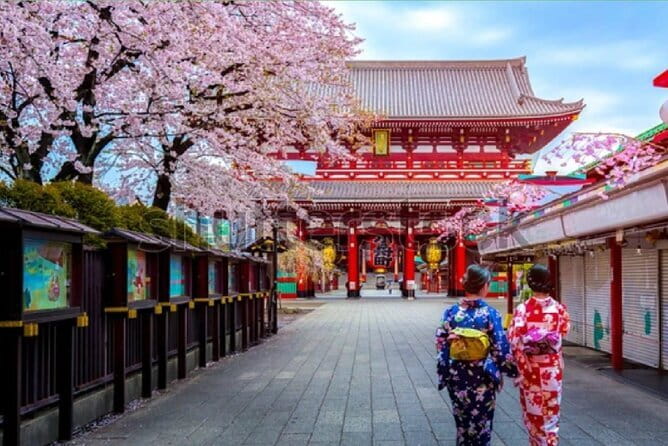
You start with Senso-ji, one of Tokyo’s most famous temples. The atmosphere is classic: a sense of old Tokyo energy wrapped around the crowds and the smells. Plan on spending about an hour here, which is enough time to see the main temple area and still keep your feet from turning into soup.
Right next door is Nakamise Shopping Street, about 250 meters of pedestrian browsing from Kaminarimon to Hōzōmon. This is where Tokyo shows its snack-and-souvenir side in a very concentrated way. You’ll see lots of treats aimed at walking visitors.
Practical tip: go into this area ready for quick decisions. Some things look great but you only have a short window to buy. If you want specific souvenirs, tell your guide what you’re hunting for early and ask for the best route through the stalls.
Admission at both Senso-ji and Nakamise is free based on the tour info, so you’re not paying extra to experience this part of the day.
Skytree or Tokyo Tower: Choose the View That Fits Your Trip
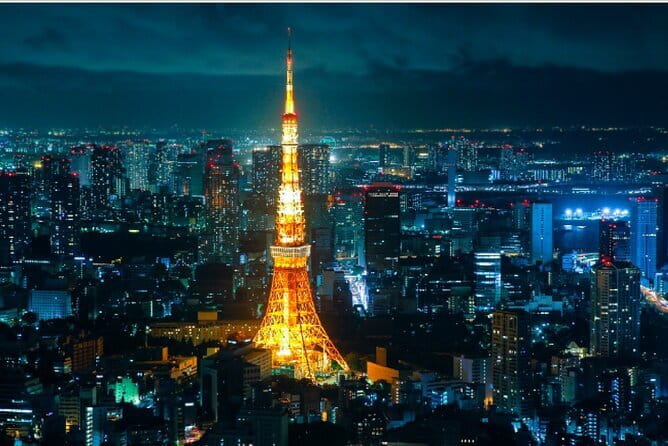
This is your main decision point. The tour gives you time for one skyline stop, and you pay admission separately.
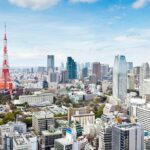
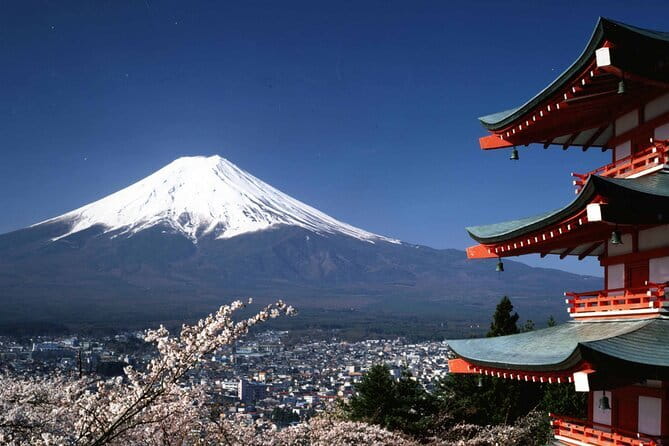
Tokyo Skytree (637 meters) is the modern giant. You’ll get about an hour there. From up top, you’re looking across Tokyo, and on clear days your view can even include distant landmarks like Mt. Fuji, though that’s always weather-dependent. Skytree is also popular, so arriving with your driver’s timing helps you avoid some of the worst crush.
Tokyo Tower is the retro alternative. It’s also a major Tokyo icon, and it’s priced lower than Skytree in this tour setup (1500 yen). You’ll also have about an hour, which is enough for the main viewpoints and a bit of wandering and photos.
If you’re standing at the booking screen asking what makes more sense, I’d match the tower to your travel vibe:
- If you want the highest, modern skyline experience, pick Skytree.
- If you want classic Tokyo TV-tower imagery and a slightly simpler budget hit, pick Tokyo Tower.
Either way, this stop is the day’s “wow” moment for most people, especially if you’re seeing Shibuya later.
Meiji Jingu Shrine: City Noise Turns Into Quiet
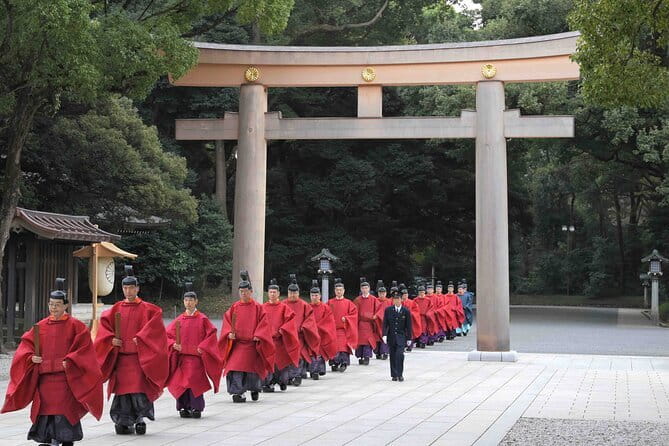
After the temple-and-market energy, you shift gears to Meiji Jingu Shrine. This stop is famous for being tucked into a forest-like setting, so it feels like a breath of fresh air right in the middle of the city.
You’ll spend about an hour here. The time is useful because Meiji Jingu is not just one building—you’re moving through the approach and taking in the atmosphere. It’s a great contrast after Asakusa, especially if your day is packed with crowds.
Admission is listed as free for this stop. So you’re paying with time and walking, not ticket money.
If your group likes history and culture, ask your guide to explain the shrine’s purpose and who it honors. It’s dedicated to Emperor Meiji and Empress Shoken, and that context makes the visit land harder than just spotting a pretty gate.
You can also read our reviews of more city tours in Tokyo



Tsukiji Fish Market Area: A Street-Food Friendly Hour
Next comes Tsukiji Fish Market, specifically the Outer Market area. This is less about one big ticketed attraction and more about atmosphere: stalls, people, and a constant stream of food-focused activity.
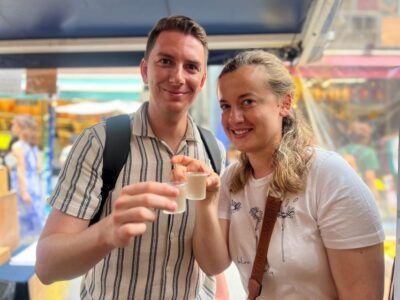
You’ll have about an hour. That’s enough time to pick a snack, sit briefly, and still avoid turning this into a slow grind. The tour info highlights that the Outer Market is full of street food stalls and restaurants serving raw and cooked fish. Lunch is not included, so you’ll decide what to eat during this block.
My advice: treat Tsukiji like a food sampler, not a full meal plan. If you try to do a sit-down lunch and max out every stall, your day can get tight with the remaining stops.
Admission is listed as free, so again, this is mostly about spending your time wisely and letting the sensory overload work in your favor.
Odaiba, Shibuya, and the Imperial East Gardens: Big City Contrast
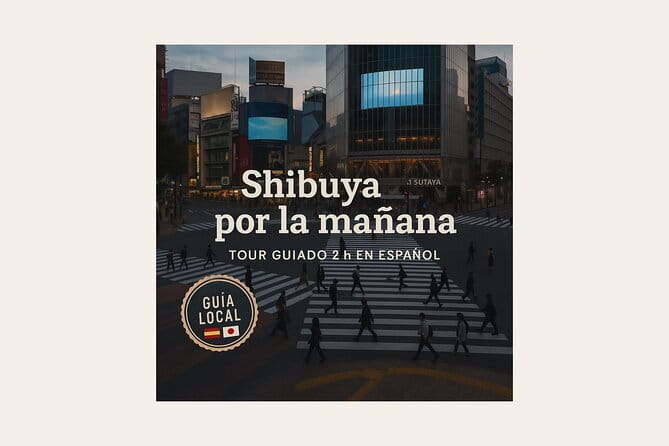
This is where the day turns into a full-on Tokyo collage.
Odaiba District
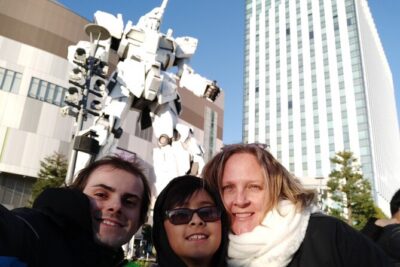
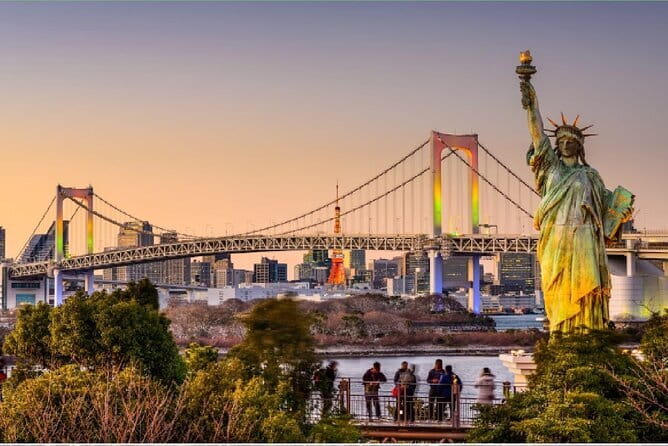
Odaiba is a shopping and entertainment area on a man-made island in Tokyo Bay. You’ll get about an hour, which works well for the “change of scenery” it offers. It originated as small fort islands in the late Edo period, and the area has a modern feel that contrasts nicely with the older neighborhoods earlier in the day.
Shibuya Crossing
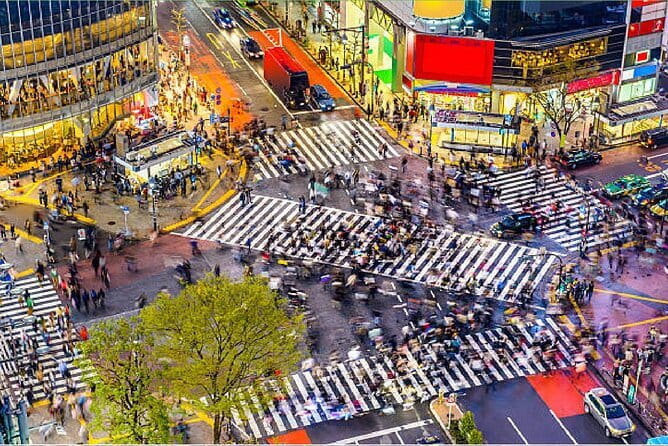
Then you hit Shibuya Crossing. It’s famous for pop culture and movies, but it’s also simply intense in real life. You’ll spend about an hour here, which gives you time for photos, people-watching, and finding a good angle without rushing.
If you want pictures without sprinting, ask your guide for a sensible spot to stand. This is exactly the kind of small routing help that makes a private day feel worth it.
The East Gardens of the Imperial Palace (Optional)
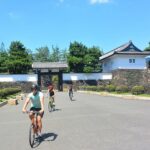
The East Gardens of the Imperial Palace—Edo Castle ruins—are optional. If you add it, you’ll spend about an hour. This stop adds a calmer, more historic vibe to a day that already includes intense city energy.
Since it’s optional, it’s also a good place to adjust based on your group’s stamina. If everyone is still fresh, great. If not, skip and spend that time elsewhere.
Tokyo Tower Moment (Optional) and How Photos Happen
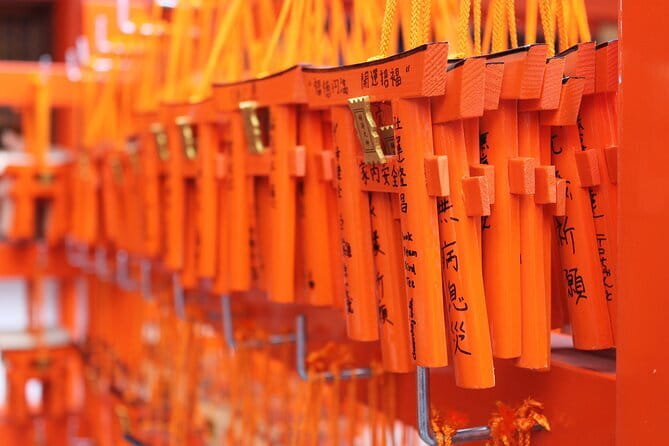
In addition to the Skytree or Tokyo Tower choice, the itinerary includes Tokyo Tower as an optional stop with an hour. The tour rules are clear: you choose one tower between Skytree and Tokyo Tower. So don’t plan on ticking both skyline boxes without checking with your guide first.
One of the best practical benefits that shows up across guide styles is photo support. Many guides are proactive about taking group photos and pointing out angles. If you’re traveling as a family or with friends, this matters. You’ll spend less time juggling phones and more time actually enjoying the moment.
If you care about Mt. Fuji visibility from the tower area, you’ll want to ask your guide about what to watch for on the day. Weather is the real boss of panoramic views.
How the Guide and Driver Shape Your Day (Beyond the Sights)
The sites are the headlines. But the guide is the difference.
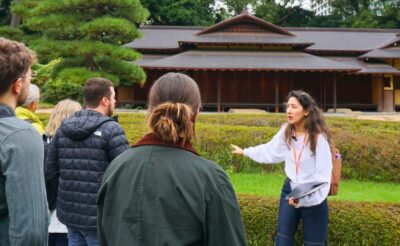
In the style of guides like Hadi, Zubi, Ali, Sikii, and Mohd, what stands out is pacing control. A private car day works when someone keeps you from losing time to lines, confusing directions, or indecision. Guides also tend to give clear signals about where you’re going next and how long you have at each place.
A second big plus: communication. Some guides use WhatsApp to stay in sync, which is handy if your group needs a bathroom stop, a quick snack run, or just a small change in timing.
You may also notice small comfort items in some guides’ approaches, like bottled water or phone chargers. Those aren’t guaranteed in the official tour features, but they show up in real ways during the day and can reduce friction.
One consideration worth noting: English clarity can vary by guide. Most guides handle explanations well, but if clear English is crucial for your group, it’s smart to mention your preference when booking and plan to use simple questions.
Practical Planning Tips for an 8 to 9 Hour Tokyo Hit List
This tour moves at a “see a lot, don’t rush people too much” pace. You’ll enjoy it more if you show up with a few smart choices:
Wear shoes you can walk in for multiple hours. The temple areas and shopping streets are not light strolling.
Decide early on the tower option. Skytree and Tokyo Tower are both great, but choosing one prevents schedule stress and avoids ticket confusion.
Plan your lunch strategy. Lunch isn’t included, so Tsukiji is a good place to grab something quick and satisfying. If your group wants a longer sit-down meal, tell your guide early so the timing can be adjusted.
If anyone in your group needs extra time for photos or slower walking, let the guide know. Many guides are used to working with different paces, and they can adjust stop length while keeping the overall flow.
Bring cash or a payment method you’re comfortable using for food and shopping. The guide can help with transactions, but you’re the one buying souvenirs and snacks.
If you want the Imperial East Gardens optional stop, decide based on energy level. It’s a nice change of tone, but it adds time.
Should You Book This Tokyo City Tour by Private Car?
Book it if you want a fast, stress-light introduction to Tokyo highlights with private transport, an English guide, and a day designed around major sights. It’s especially strong for groups of up to 6, families with mixed ages, and anyone who doesn’t want to wrestle with the subway between scattered neighborhoods.
Skip it (or at least reconsider) if you’re on a super tight budget and you’re comfortable building your own route. The added tour cost includes the car and guide, and the tower admission plus lunch can nudge your total higher.
My rule of thumb: if you value time, comfort, and a clean plan, this type of private highlights tour is a good buy. Tokyo is more fun when you’re not spending your best hours in transit.