Fuji is the big one, and this day tour is built around seeing it from multiple angles. I like the private car comfort (air-conditioning, no transfers drama) and the chance to get clear views from spots like Chureito Pagoda and Mount Fuji 5th Station. One drawback to plan for: even with a great route, some stops can feel crowded, and your best photo views depend a lot on the weather.
You’ll get a full, structured day without turning it into a logistics scavenger hunt. The tour works well if you want convenience and guidance in one package, not a DIY day of bus lines and timing. Also, you’ll usually choose about 5–6 stops from the full list, so you should think ahead about what you care about most.
In This Review
- Key highlights you’ll feel in your day
- Mt. Fuji by private car: what $440 buys you
- Pickup, timing, and why leaving early actually matters
- Chureito Pagoda and Arakura Shrine: the Fuji opener you remember
- Kitaguchi Hongu Fuji Sengen Jinja: tradition at the northern approach
- Oshino Hakkai: spring water, easy walking, and a quieter feel
- Mount Fuji 5th Station: up close, but plan for the seasonal bus rule
- Lake Kawaguchiko: the best payoff zone for views and time-flexing
- Panoramic Ropeway and the ropeway view tradeoff
- Itchiku Kubota Art Museum: culture with a Fuji backdrop
- Narusawa Ice Cave: cool air and a lava-formed surprise
- Lake Yamanaka: a calmer finish among the Fuji Five Lakes
- How weather and crowds change your results
- Extra choices, extra fees: how to budget without surprises
- What I’d do to make this tour feel like a win
- Should you book this private Mt. Fuji day tour?
- FAQ
- How much does the Mt. Fuji day tour cost?
- How long is the tour?
- Does the tour include hotel pickup in Tokyo?
- Is there an English-speaking guide?
- Do I need to buy tickets for the stops?
- Is the Mt. Fuji 5th Station included?
- Why might the 5th Station visit require extra payment?
- How does choosing stops work?
- Is lunch included?
- What happens if the weather is bad?
Key highlights you’ll feel in your day
- Door-to-door pickup from Tokyo hotels so you can start seeing Fuji sooner and waste less time
- A real, English-speaking guide/driver who helps with photo stops and practical route decisions
- Chureito Pagoda + Arakura Shrine for one of the classic Fuji views right at the start
- Oshino Hakkai and the Fuji springs area where you trade big crowds for calmer walks
- Fifth Station access with the hiking-season bus rule that protects your time and keeps the day realistic
- Lake Kawaguchiko loops with options like Oishi Park, a ropeway, and an art museum nearby
Mt. Fuji by private car: what $440 buys you
This tour is priced per group, up to 3 people, so the value depends on whether you’re traveling solo as a “single” or splitting cost with friends/family. If you’re in a group of 2 or 3, you’re basically paying to replace a bunch of separate transport headaches with one air-conditioned car and an English-speaking guide who keeps your day moving.
The included extras matter more than they look on paper: you get round-trip pickup, parking fees, fuel, and highway tolls. That means less time calculating, and more time actually being at Fuji viewpoints and lake stops. It’s also a good deal compared to paying separately for taxis and then trying to navigate local buses for a full day loop.
The big trade-off is that you’re paying for convenience, not for unlimited flexibility. The tour tries to fit many options, but you’ll still be on a tight schedule, and some admission fees (and seasonal transport to the 5th Station) are extra.
You can also read our reviews of more guided tours in Tokyo



Pickup, timing, and why leaving early actually matters
Round-trip transfers are offered from Tokyo hotels, and the day runs about 9–10 hours. That window is long enough to cover several Fuji-area highlights, but Tokyo traffic can still stretch your timeline if you start late—so the advice to leave early is not marketing fluff.
Your guide/driver will plan the route based on road conditions and your preferences, and several guides were praised for being punctual and steering the day efficiently (names you may be paired with include Sikii, Amir, Shah, Zubi, Harry, and Azhar). I like tours where the driver doesn’t just move the car, but actually makes the day work.
Also note the common-sense rule: you’ll choose your favorite 5–6 places from the list depending on time. That’s your chance to tailor the day—just don’t wait until the morning to decide, because the schedule is designed around those decisions.
Chureito Pagoda and Arakura Shrine: the Fuji opener you remember
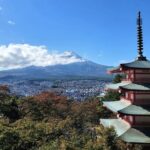
Most people remember Fuji best when it’s framed cleanly, and Chureito Pagoda is built for that. You’ll visit the five-storied Chureito Pagoda inside Arakura Sengen Shrine in Fujiyoshida City, with a short walk up steps to reach the view.
This stop is simple but powerful. If you want classic photos, this is the one to treat like a priority: go early in the day and give yourself time for viewpoints and photos without rushing.
A small consideration: pagoda view areas can get busy, especially when weather cooperates and tour buses arrive. Even so, it’s still an efficient start because it sets the tone for the rest of the day.
Kitaguchi Hongu Fuji Sengen Jinja: tradition at the northern approach
From there, you head to Kitaguchi Hongu Fuji Sengen Jinja Shrine at the northern foot of Mount Fuji. It’s a Shinto shrine that functions as the main entrance to the Yoshida Trail, which gives the whole Fuji experience a stronger cultural frame.
This stop is free and tends to be a good pause between photo-heavy places. You’ll get a calmer rhythm—time to read signs, watch worshippers, and appreciate how many centuries people have treated Fuji as more than scenery.
If you love context, this shrine is the kind of place your guide can bring to life. If you don’t, it still works as a respectful break before the more tourist-focused viewpoints.
Oshino Hakkai: spring water, easy walking, and a quieter feel
Oshino Hakkai is one of the most atmospheric stops near Fuji because it’s centered on spring water fed by the mountain’s snowmelt. You’ll have about an hour here, which is enough time to see the ponds, stroll through the village vibe, and grab snacks if you want.
This is also where the day becomes more “local” without needing extra hiking. It’s a good fit if you want something scenic but not exhausting—especially if you’ve already done Tokyo walking and still want Fuji.
One practical note: it can be crowded depending on the season and day. Still, the water and village layout make the stop worth it, and it’s easy to enjoy even if you’re not the type to chase every viewpoint.
You can also read our reviews of more private tours in Tokyo

Mount Fuji 5th Station: up close, but plan for the seasonal bus rule
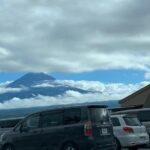
Mount Fuji 5th Station is the moment where Fuji stops being a distant icon and becomes a physical presence. It’s around 2,300 meters elevation and is a popular starting point for climbers.
The tour includes a stop there for about an hour, but there’s an important seasonal detail. During hiking season, private cars aren’t allowed to go to the 5th Station, so you’ll need the shuttle bus ticket during hiking season (not included, listed as an additional per-person fee). Your guide/driver will handle the flow, but you should budget for that extra cost if you’re traveling during the hiking window.
If the sky is clear, this is where your photos can look unreal. If it’s foggy or overcast, you may still get a view depending on conditions—some guides were specifically praised for finding moments where the 5th Station rose above cloud cover.
Lake Kawaguchiko: the best payoff zone for views and time-flexing
Lake Kawaguchiko is where the Fuji day starts feeling like a full outing instead of a drive-by. You’ll typically spend about an hour around the lake, with time to enjoy the scenery and choose your pace.
This area is also built for variety, because you can layer in extra options depending on your 5–6 stop picks. Oishi Park is one of those options, with around 30 minutes and excellent Fuji sightlines paired with flower gardens. Even if you’re not into parks, it’s a good place for a calm pause and a simple treat, like soft-serve ice cream.
The lake area also supports food breaks. You may have a chance for lunch nearby, but lunch isn’t included, so plan on paying out of pocket. Some guides were noted for making solid lunch recommendations, which matters because choices around tourist stops can be hit-or-miss.
Panoramic Ropeway and the ropeway view tradeoff
The Mount Fuji Panoramic Ropeway is listed as an optional stop (not included). It’s about an hour in the schedule, and it’s there for a reason: it gives you a different angle on Fuji plus a view of lakes and the town below.
This is best if you want to stack views without walking for long stretches. But it does add cost and time, so I treat it like a “choose if it fits your mood” stop. If you’re traveling with older family members or you already have enough viewpoints from Chureito and the 5th Station, you might skip it.
Itchiku Kubota Art Museum: culture with a Fuji backdrop
The Itchiku Kubota Art Museum is another optional add-on near Lake Kawaguchiko (not included). You’ll have about 40 minutes here, and the museum is dedicated to Itchiku Kubota, a textile artist who revived Tsujigahana silk dyeing.
The practical value is that it breaks up the day with indoor time. If the weather turns or crowds feel overwhelming, a museum stop can reset your energy and keep the day enjoyable.
It’s not the fastest stop on the list, and it costs extra per person, so I recommend it mainly if you like art or want at least one indoor break during your Fuji day.
Narusawa Ice Cave: cool air and a lava-formed surprise
Narusawa Ice Cave is formed by ancient lava flows, with natural ice formations that remain year-round. It’s about 40 minutes and includes a cool-down from warm outdoor walking.
This stop isn’t about views—it’s about temperature, texture, and the odd feeling that ice can stay put in the middle of this volcanic region. If you’re traveling in summer or you tend to get overheated, it’s a smart inclusion.
It’s also a paid add-on, so decide based on your interests and your tolerance for extra admission fees.
Lake Yamanaka: a calmer finish among the Fuji Five Lakes
Lake Yamanakako (Lake Yamanaka) is another Fuji Five Lakes option, with about an hour scheduled. It’s often a more relaxed-feeling lake visit compared to the busiest areas, and it’s popular for boating, fishing, and cycling.
This is a strong stop if you want your day to end on a softer note rather than rushing back immediately after viewpoint points. You may not get the exact same classic framing as Chureito, but the lake pace can feel like a breath after the earlier intensity.
How weather and crowds change your results
This tour is built for good days. The experience requires good weather, and if it’s canceled due to poor weather you’ll be offered a different date or a full refund. That’s fair, because Fuji views are the point.
If the weather is mixed (clouds, mist, partial clearing), you can still get a great day, especially if your guide adjusts where you spend time. Some guides were praised for making the best of foggy conditions and still reaching the 5th Station with visibility.
Crowds are the other variable. Chureito Pagoda and some lake viewpoints can get packed. Your best defense is timing and patience: ask your guide when to step into the best photo spot, and don’t feel forced to stay longer than it takes to get your shots.
Extra choices, extra fees: how to budget without surprises
Several things cost extra, and it helps to know what those are so your day stays stress-free:
- Mt. Fuji entrance fee (listed as 2,800¥ per group)
- Mt. Fuji 5th Station shuttle bus ticket during hiking season (2,500¥ per person)
- Saiko Iyashi no Sato Nenba (500¥ per person)
- Itchiku Kubota Art Museum (1,500¥ per person)
- Narusawa Ice Cave (400¥ per person)
You should also expect lunch to be on your own bill, since lunch isn’t included. If you’re thinking about optional paid stops like ropeway and museum/ice cave, add those costs early so you can choose without last-minute pressure.
One more budget note: there can be extra charges for extra time. So if you’re the type who always wants one more viewpoint, decide in advance what counts as worth it.
What I’d do to make this tour feel like a win
If you want your Fuji day to feel smooth, I’d treat it like a planning puzzle:
- Pick your 5–6 stops before you go. The tour lets you choose based on time, so decide what you want most: shrines, lakes, indoor culture, or lava-ice curiosity.
- Give your guide permission to adjust the order. Several guides were praised for flexibility and for helping people take great photos efficiently.
- Start early. Tokyo traffic can eat your afternoon, and you want the best light at the view stops.
- Bring layers. Even if you’re starting in warm Tokyo, higher elevations like the 5th Station can feel very different.
- If you’re traveling with mobility needs, ask your guide what’s worth walking versus what’s better as a shorter stop. Some guides were specifically praised for tailoring the walk effort.
Should you book this private Mt. Fuji day tour?
I’d book it if you want convenience plus a guide who helps you get the best out of a limited day. It’s a strong fit for couples and families up to 3 people who don’t want to wrestle public transport, and it’s ideal if Fuji is a top priority.
I’d skip it or adjust expectations if you dislike paying extra for multiple admissions, or if you know you’ll be unhappy with crowds at iconic spots. Also, if your travel dates are right in the thick hiking season, budget for the 5th Station shuttle bus rule.
If you’re aiming for an efficient, guided Fuji day with real comfort and photo-ready viewpoints, this is an easy “yes”—as long as you’re ready to dress for the weather and choose your stops with care.
FAQ
How much does the Mt. Fuji day tour cost?
The price is $440.00 per group, up to 3 people.
How long is the tour?
It runs about 9 to 10 hours.
Does the tour include hotel pickup in Tokyo?
Yes. The tour offers round-trip transfers from all Tokyo hotels.
Is there an English-speaking guide?
Yes, the tour is described as having an English speaking guide.
Do I need to buy tickets for the stops?
Some admissions are free, but several items are not included, including the Mt. Fuji entrance fee, and optional paid stops like the Ropeway, Itchiku Kubota Art Museum, and Narusawa Ice Cave. Lunch is not included.
Is the Mt. Fuji 5th Station included?
Yes, it includes a stop at Mt. Fuji 5th Station. The shuttle bus ticket during hiking season is not included.
Why might the 5th Station visit require extra payment?
During hiking season, private cars are not allowed to go to Mt. Fuji 5th Station, so you must take the shuttle bus, which requires a ticket that is listed as an extra per-person fee.
How does choosing stops work?
You choose your favorite 5 to 6 places from the listed options, and the tour shows you those depending on the time.
Is lunch included?
No. Lunch is not included, though there is time to eat near Lake Kawaguchiko for an additional cost.
What happens if the weather is bad?
This experience requires good weather. If it’s canceled due to poor weather, you’ll be offered a different date or a full refund.