REVIEW · TOKYO
Tokyo: Shinjuku Chopstick Making Class
Book on GetYourGuide →Operated by Traveling Tokyo · Bookable on GetYourGuide
Carving chopsticks beats chasing souvenirs. In a quiet workshop tucked into Shinjuku, you get to craft your own handmade chopsticks with English-speaking staff, guided step by step. The downside to know up front: the included wood options can feel easier or harder, and extra upgrades like engraving may cost more.
I like that this class is practical and calming, not a performance. In one focused hour, you shape, smooth, finish, and leave with a personalized set in special wrapping, ready to use or gift.
In This Review
- Key points before you go
- Why Chopstick Carving in Shinjuku Feels Like a Reset
- Finding the Workshop: Shinjuku West Building, 10th Floor
- What the $12, 1-Hour Class Actually Gives You
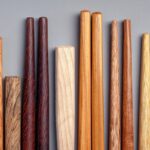
- Choosing Your Wood: The Included Options and Real-World Difficulty
- The Carving Part: Traditional Tools, Patient Coaching, No Rush
- Finishing and the Cultural Meaning of Everyday Chopsticks
- Optional Engraving and Custom Upgrades (Costs to Plan For)
- Taking Home Your Chopsticks: Wrapping, Photos, and Wood Shavings
- Group Feel, Timing, and Who This Fits Best
- A Simple Decision Guide: Should You Book?
- FAQ
- How long is the chopstick making class?
- How much does it cost?
- What’s included in the ticket price?
- What if I want engraving on the chopsticks?
- Is the class taught in English?
- Where do I meet the group in Shinjuku?
- Can I choose the type of wood?
- Is it beginner friendly?
- Is it suitable for kids?
- Can I get a refund if I cancel?
Key points before you go
- A real hands-on carve, not just watching
- English guidance with patient coaching (Masa, Shu, Koji, Yuki, Mimi, and Fu are often praised)
- Two wood types included in the ticket price, with extra options for a fee
- Optional engraving adds a memorable touch, typically listed as 2000 JPY
- Small-room workshop energy, friendly and collaborative
- You may be able to take wood shavings home, with a quick heads-up for customs
Why Chopstick Carving in Shinjuku Feels Like a Reset
Shinjuku is all lights and momentum. Then you step into a small workshop and trade noise for slow, careful work. It is one of those Tokyo experiences that helps you feel grounded, because your hands are busy and your brain can relax.
You also get a rare kind of souvenir: something you made, not something you bought. You leave with your own pair of chopsticks, shaped by you, finished by you, and wrapped to take home. Even better, the guides consistently focus on clear instructions and patience, including Koji and Yuki style teaching that helps you keep going when the wood doesn’t cooperate.
One consideration: you may notice people’s results vary a bit with technique and with the wood you choose. If you want the easiest path, pick a wood type that fits your confidence level.
You can also read our reviews of more tours and experiences in Tokyo


Finding the Workshop: Shinjuku West Building, 10th Floor
The meeting point is easy once you know the cue. Go to the 10th floor of the Shinjuku West Building and use the elevator. It’s the building with 617 Bar, close to the post office.
If you like a backup option, the coordinates are 35.6959774, 139.6984349. I’d still give yourself a little buffer time because Shinjuku can be a maze on foot, and elevators inside office buildings are not always where you first expect them.
What the $12, 1-Hour Class Actually Gives You
At $12 per person for about 1 hour, this is strong value because the ticket includes the core experience, not just a tasting-style demo.
Here’s what you’re paying for:
- A chopstick making workshop where you make your own chopsticks
- English-speaking staff
- Choice of wood where two types are included
- Traditional tools and authentic Japanese techniques
- Take-home chopsticks, in a special wrapping
In plain terms: you’re buying the tools, the guidance, and the time to produce something usable. That makes it more cost-effective than a lot of craft activities where the finished object is smaller or the instruction feels rushed.
Also, many people reported the class can feel slightly faster than expected, with at least one person noting around 30 minutes. So if you’re juggling a packed Tokyo day, you likely won’t lose an entire afternoon.
Choosing Your Wood: The Included Options and Real-World Difficulty
The ticket includes two wood types, and people should know that the wood choice can affect how challenging the shaping feels. One reviewer even joked about struggling with the difficulty depending on the wood, and another warned to pay attention to what you pick.
So here’s my practical advice: if you’re new to carving, ask the staff for the recommendation that matches your comfort level. If you’re feeling confident and want a tougher, more hands-on challenge, go ahead and experiment within the included options.
You can also run into extra wood choices for an additional cost. That’s not a red flag, just something to keep in mind if you think you’ll upgrade materials.
The Carving Part: Traditional Tools, Patient Coaching, No Rush
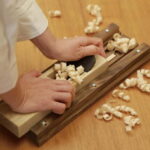
The heart of the class is shaping the wood into a usable chopstick pair. You use traditional tools guided by staff who focus on what to do next, not just what to admire.
In real workshops like this, the biggest moment is the first cut or first smoothing pass. That’s where beginners tend to worry they’ll mess it up. The good news: multiple guides are praised for being supportive when things go off-plan, including Koji, Masa, and Mimi.
You can expect the work to follow a sensible rhythm:
- You shape the wood into a chopstick form
- You smooth the surface so it feels right in hand
- You finish your chopsticks for a take-home result
The class is beginner friendly, and that matters more than people realize. A relaxing craft is not about being perfect. It’s about feeling steady enough to keep going.






Finishing and the Cultural Meaning of Everyday Chopsticks
This isn’t only a craft class. You also learn the cultural meaning of chopsticks in Japan, which changes how you see the object once you’re done. When you carve something yourself, even a daily-use item feels more intentional.
Staff generally explain the “why” behind the “how,” like the idea that chopsticks are an everyday tool shaped with care. That turns your souvenir from a novelty into a small piece of understanding.
Also, the final product tends to feel personal even without extras. The way you shaped and smoothed your pair becomes part of the story.
Optional Engraving and Custom Upgrades (Costs to Plan For)
If you want a name or extra personalization, engraving is available for an extra cost. One of the clearest details given: 2000 JPY for laser name engraving.
Some people also paid extra for higher-qualified wood options. If your goal is a simple, good-looking souvenir, you can absolutely stop with what’s included. If you want a more commemorative version, then budget for engraving.
A quick way to decide: if you’re taking the chopsticks as a gift or you like the idea of a clear memory marker, engraving is worth considering. If you mostly want a calm activity and a functional set, stick with the included wood and call it a win.
Taking Home Your Chopsticks: Wrapping, Photos, and Wood Shavings
When you finish, you take your chopsticks home in special wrapping. That’s a big practical detail. It means less mess in your bag and a souvenir that’s ready to use or give.
Photography is another nice touch. Several people reported that guides offered to take pictures, especially helpful if you’re traveling solo.
One more detail that came up: some staff let you keep the wood shavings from the natural wood. One reviewer even mentioned using the shavings for bath fragrances or pot-pourri with essential oils. That could be a fun extra keepsake, but use common sense: there’s also a note in the reviews to check whether you can bring raw wood shavings back to your country, since they may not be treated.
Group Feel, Timing, and Who This Fits Best
This workshop is small-scale. One review described a compact room with multiple working tables and a set number of seats per table, which points to a class size that doesn’t feel huge.
That size helps with two things:
- You get more attention when you hit a problem
- The room stays calm enough to feel like a proper activity, not a production line
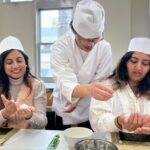
It’s also great for different kinds of travelers. Families did it with kids ranging into the elementary years, and groups of friends loved it as an unwind activity after a long Tokyo day. Solo travelers also reported feeling looked after, including help with photos.
Timing is also flexible in your day planning. The official duration is 1 hour, but some people found it ran closer to 30 minutes. Either way, it’s short enough to pair with dinner plans in Shinjuku.
A Simple Decision Guide: Should You Book?
Book it if you want:
- A hands-on Tokyo activity that creates a useful souvenir
- A calm break from crowds
- Clear instruction in English
- A workshop where guides like Koji, Yuki, Shu, Masa, Mimi, and Fu have a strong track record of patience
Skip or adjust your expectations if:
- You dislike any activity that involves carving or careful tool work
- You’re counting only the base price and want zero extras. Engraving and some upgraded wood options can add cost.
- You might want to bring wood products home and aren’t willing to check import rules for shavings
FAQ
How long is the chopstick making class?
The class lasts about 1 hour.
How much does it cost?
It costs $12 per person.
What’s included in the ticket price?
You get the chopstick making workshop, English-speaking staff, traditional and authentic tools, and wood selection where two types of wood are included, plus you take home your handmade chopsticks.
What if I want engraving on the chopsticks?
Engraving is available for an extra cost. One mentioned price is 2000 JPY for laser name engraving.
Is the class taught in English?
Yes, the staff and instructor are English-speaking.
Where do I meet the group in Shinjuku?
Meet at the 10th floor of the Shinjuku West Building. Use the elevator. The building is with 617 Bar, near the post office. Coordinates: 35.6959774, 139.6984349.
Can I choose the type of wood?
Yes. Two wood types are included with the ticket, and other wood options may require an additional payment.
Is it beginner friendly?
Yes. It’s described as beginner friendly, and the staff are known for being patient when people struggle.
Is it suitable for kids?
It’s described as kid friendly in reviews, including families with children participating.
Can I get a refund if I cancel?
Yes. Free cancellation is available up to 24 hours in advance for a full refund.