REVIEW · TOKYO
Experience Old local Tokyo & traditional food in Yanaka Ginza
Book on Viator →Operated by OTOMO Travel Guide · Bookable on Viator
One street in Yanaka can feel like another Tokyo. This private 4.5-hour walk mixes Yanaka Ginza snacks, local shops, and a shrine visit that you’ll remember long after the last bite. I especially like the private-only format, so you’re not stuck in a slow-moving herd. I also love the food stops that lean street-level: quick bites like menchi-katsu and cat-tail donut sticks. The one thing to consider is that some shops don’t take cards, so you’ll want cash ready for snacks, souvenirs, and any paid add-ons.
Nezu Shrine adds the bigger-picture moment: a tower gate and a tunnel of bright red torii gates right in the middle of the neighborhood. Along the way, you’ll also see side streets like Snake Road, where the alley curves like a wink from old Tokyo. It’s a tour that’s built for walking, not standing still.
In This Review
- Key points before you go
- Walking Yanaka Ginza like a neighbor, not a spectator
- The route you’ll follow from Nippori to Sendagi
- Yanaka Ginza snack lane: stamps, cat-tail donuts, and fried menchi-katsu
- Tea-ceremony gear and chestnut sweets: the slower shopping moments that matter
- Izakaya-style beer and sake tasting: fun, but plan for cash and age rules
- Hand puppets and art you can watch, not just buy
- Snake Road and Nezu Shrine’s torii tunnel: the calm Tokyo contrast
- Yanaka Cemetery and Old Tokyo reflection
- Timing, pace, and what to bring so the day feels easy
- Price and value: what $86.71 covers, and what you’ll budget in yen
- Who this private Yanaka food walk is best for
- Should you book this tour?
- FAQ
- How long is the Yanaka Ginza local food experience?
- Is this tour private?
- Where does the tour start and end?
- What’s the total price and what’s included?
- Do I need to pay extra for admissions or activities?
- Can I pay by credit card at the stops?
- Is the stamp shop stop always available?
- What should I wear, and is the tour family-friendly?
Key points before you go
- Private-only pace: your group stays together, with a guide adjusting timing as you walk and snack.
- Cat-themed stops you can actually take home: make a name stamp and hunt for shop specialties.
- Real Tokyo food moments: quick bites like menchi-katsu, chestnut sweets, and an izakaya-style alcohol tasting.
- Nezu Shrine torii tunnel: a standout photo and quiet break from the shopping lane.
- Old-street atmosphere: Snake Road and Yanaka-area backstreets show a calmer Tokyo side.
- Cash matters: some places don’t accept credit cards, including spots serving alcohol.
Walking Yanaka Ginza like a neighbor, not a spectator
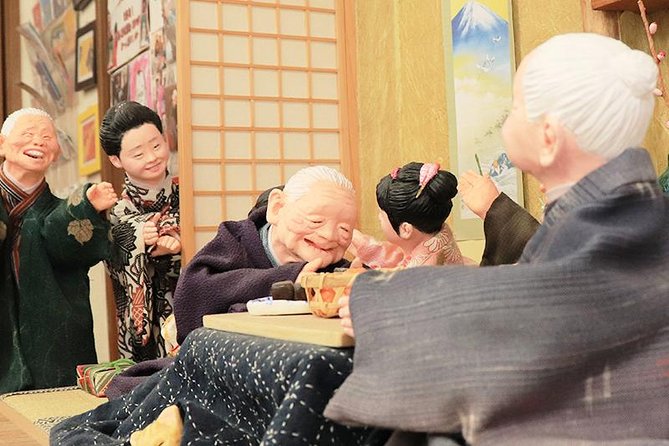
This is the kind of tour I like because the format does real work for you. You’re on a private route with a guide, so you’re not waiting for others to find the same sidewalk, or being rushed through stops that don’t fit your interests. It’s designed to feel like you’re doing errands and snacks with a local friend: short walks, quick explanations, and lots of chances to browse what catches your eye.
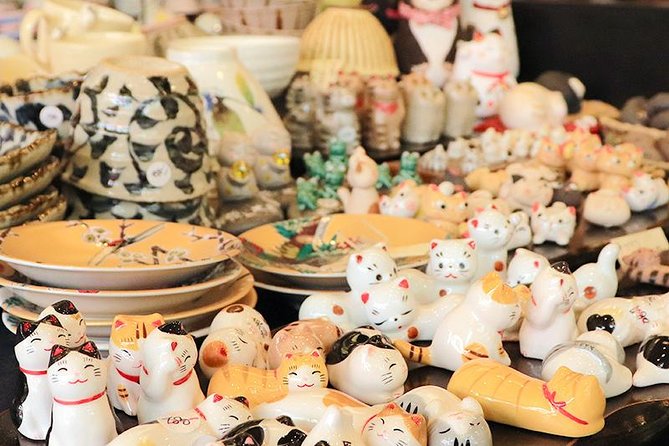
Yanaka Ginza is a neighborhood where small shops still matter. You get the cat shop detours, the tea-gear store, and the chestnut sweets counter, not just “big sights” you’ve already seen in photos. And because your guide is with you the whole time, you’re not stuck guessing what to order or which shop is the one you actually want.
The tour is also smart about variety. You’ll go from snack bites to a shrine moment to an arts-and-craft-style stop, with enough time to linger without turning it into a marathon.
You can also read our reviews of more food & drink experiences in Tokyo



The route you’ll follow from Nippori to Sendagi
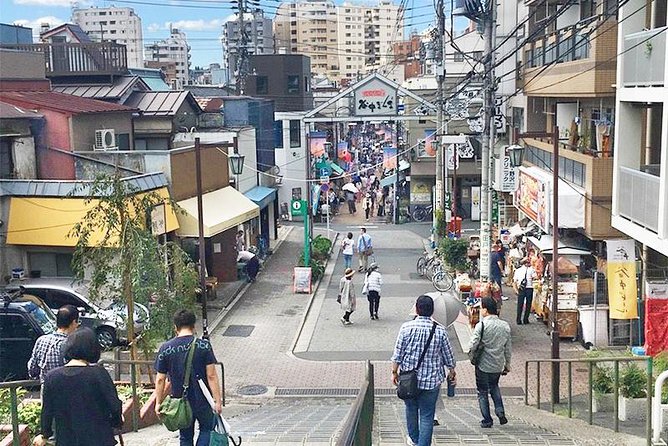
You start at Nippori Station area at 12:30 pm, then spend about 4 hours 30 minutes walking your way toward Sendagi Station. That midday start matters. Some places shine more at dusk, like Yuyake Dandan, where sunset looks toward Yanaka Ginza. You may not catch actual sunset light on a noon start, but you’ll still understand why that staircase is famous and what direction the views are aimed.
The route flows like a gentle loop through Yanaka’s retail streets and back alleys, then pushes into the “quiet Tokyo” zone with Nezu Shrine and nearby lanes. You end around Sendagi Station, which makes it easy to continue your day in central Tokyo without a complicated return.
Because the tour includes walking all day-long, even though it’s not all uphill, comfortable shoes are not optional. Think sneakers and socks that don’t give you attitude after 90 minutes.
Yanaka Ginza snack lane: stamps, cat-tail donuts, and fried menchi-katsu
The first stretch is pure Yanaka energy: small shop fronts, short stops, and food that’s meant to be eaten on the go.
At Yuyake Dandan, you’ll see the stair area between Gotenzaka and Yanaka Ginza. In the evening it’s a classic sunset lookout, but on a daytime visit it still helps you read the neighborhood layout—where the lanes open up and where views point.
Then comes a very on-theme stop: Shinimonogurui, an Evil Stamp Shop with a big cat presence. The fun here is not just buying a stamp. You make a name stamp with cute illustrations, so you leave with something that feels personal instead of another postcard. On Thursdays and Fridays, this shop closes, and your guide swaps in an alternative stop, so you’re not left out of the craft vibe.
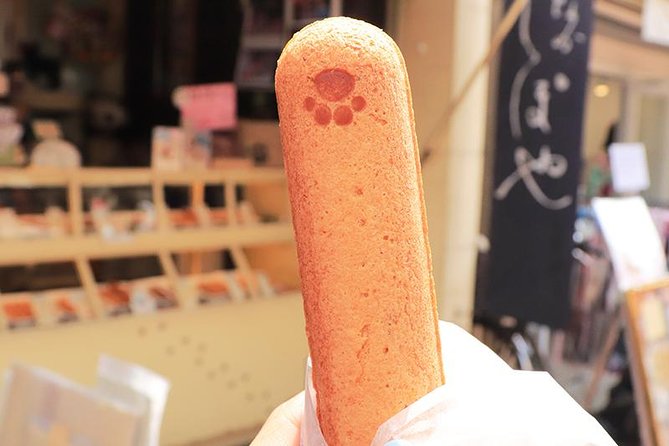
Next up is Yanaka Shippoya, where the signature treat resembles a cat’s tail: a donut stick shaped and patterned for that exact idea. If you like creamy flavors, this is one of those places where it’s easy to order the “cream” option and feel like you made the right call.
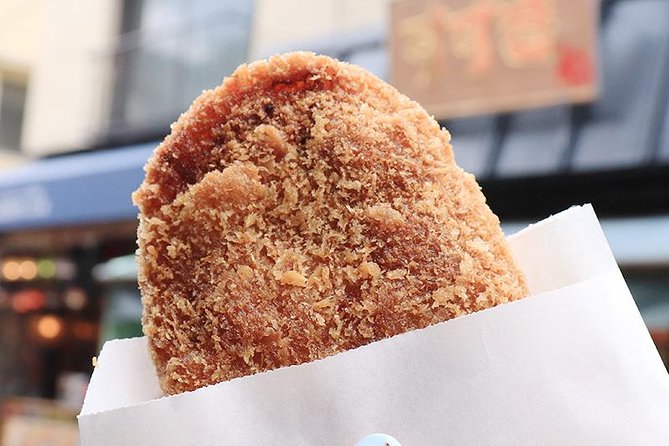
A little later, Niku no Suzuki brings the savory heat with freshly fried menchi-katsu. This is the kind of food that’s best eaten right there while it’s still hot, when the crust has that crisp bite. It’s also a nice counterpoint to the sweet chestnut stops later.
Tea-ceremony gear and chestnut sweets: the slower shopping moments that matter
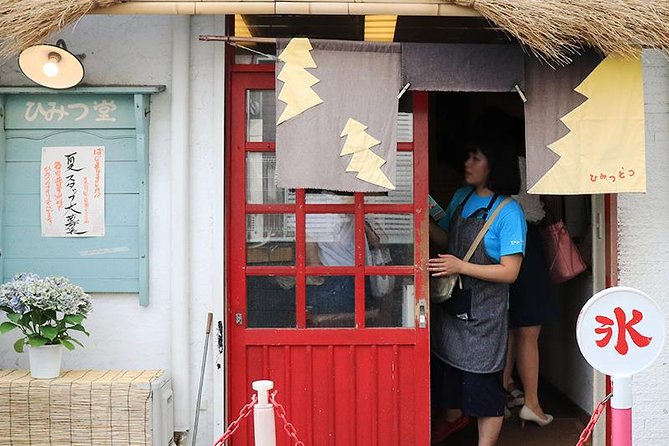
Not every stop is about eating. Two of them slow you down in a good way: they help you notice craftsmanship and everyday Japanese culture.
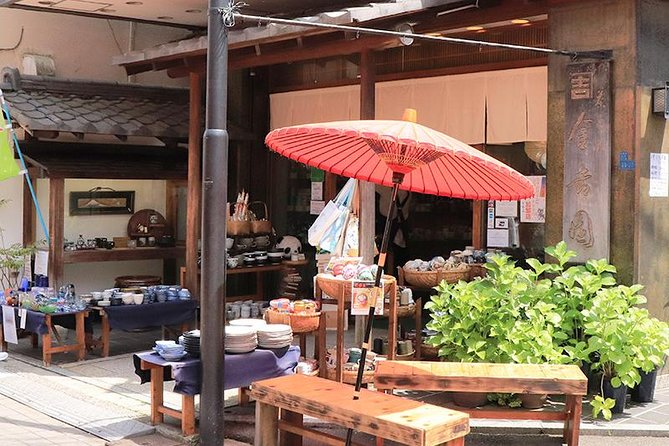
At Kanekichien, you can shop for equipment used in Japanese tea ceremonies. You might not buy anything, but it’s valuable just to look closely. You’ll see how tools and materials are tied to a cultural practice, not just sold as decoration. Even if tea isn’t your daily habit at home, this is a chance to understand the role of objects in Japanese rituals.
Then Waguriya is the chestnut authority. It’s described as the only store in Japan specializing in Japanese chestnuts, with its own farm. Their sweets focus on letting the natural chestnut flavor do most of the work. This is one of those stops where you can pick a small sweet without turning the afternoon into a sugar overload.
Izakaya-style beer and sake tasting: fun, but plan for cash and age rules
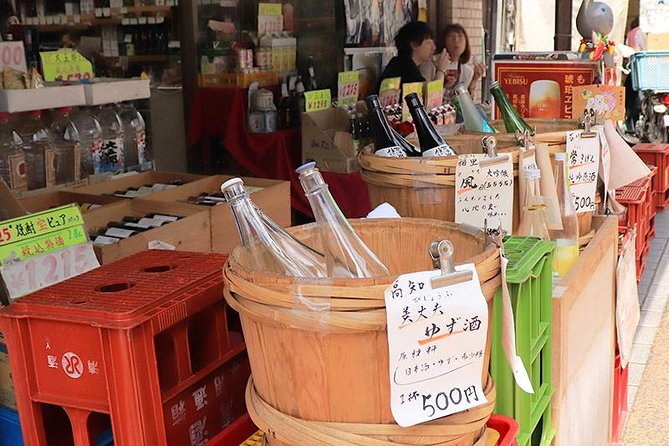
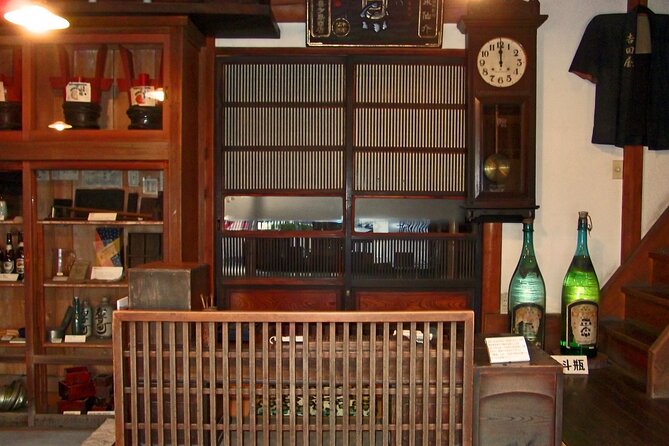
For many people, the highlight of the tour’s food side is the stop at Echigoya Honten (Echigoya Saketen), where you taste Japanese beer and sake in an izakaya-style setting. The name matters because it’s meant to feel like a casual pub experience, not a formal tasting room.
You’ll also hear the drinking style called kadouchi. Practically, that means you’ll be encouraged to drink in the way locals do in these relaxed settings—part social ritual, part sampling.
Two practical considerations:
- Some places serving alcohol don’t accept credit cards, so bring cash.
- Children are allowed to enter, but if alcohol is involved, the tour notes that you must be at least 20 years old to drink.
If your group includes people who don’t drink, that’s usually not a dealbreaker—your guide can steer you toward non-alcohol choices at the stops they can accommodate. Still, keep the cash rule in mind.
You can also read our reviews of more tours and experiences in Tokyo



Hand puppets and art you can watch, not just buy
After the food-and-shopping rhythm, you switch to something more cultural: Hand Puppets Shokichi. This is a professional puppet show with highly expressive characters. It’s listed as not included and has an admission fee of 700 JPY per person, so you’ll decide on the spot whether to pay and sit in.
I like this kind of stop because it breaks the loop. You get a reset for your feet, and you get Japanese performance culture that’s easy to understand without a translation headache.
Snake Road and Nezu Shrine’s torii tunnel: the calm Tokyo contrast
Behind Yanaka Ginza, you’ll walk Snake Road, an alley that curves like a snake. It’s the kind of place where the street itself feels like an old story—alleyways that once served as small rivers. Even if you’re not chasing photos, you’ll feel the difference between this back-lane Tokyo and the main shopping strip.
Then you reach Nezu Shrine, often described as a power spot. The big visual moment is the tower gate and the tunnel of bright red torii gates. This is the part of the tour I’d call the emotional anchor: it gives the afternoon shape. After snack stops and craft shops, the shrine adds a sense of quiet and scale.
Plan to slow your pace here. It’s worth letting your eyes adjust and actually look up through the gates.
Yanaka Cemetery and Old Tokyo reflection
As you wrap up, you visit Yanaka Cemetery. This is one of the neighborhood’s notable places to slow down and look at history in a human scale: graves of generals, literary figures, and also everyday people. It’s not the kind of cemetery tour that turns into a trivia contest. It’s more about the feeling of continuity—how a city holds multiple eras in the same ground.
If you’re traveling with kids, this part can still work. The key is that your guide can help frame what you’re seeing in a way that feels respectful rather than heavy.
Timing, pace, and what to bring so the day feels easy
This tour is built on walking and stopping, not rushing. Even though it’s about 4.5 hours, it can feel longer if you’re constantly stopping to buy things. That’s why the comfort details matter.
Bring:
- Comfortable shoes for lots of walking
- Cash for shops where credit cards might not work, including alcohol stops
- A small bag you don’t mind carrying during snack breaks
Also, the tour notes that some spots may change if there’s temporary closure, so don’t plan another fixed commitment right after your end time.
Finally, the tour uses a mobile ticket, which is handy—just remember that the physical payment for food or paid entrances may still happen on the spot.
Price and value: what $86.71 covers, and what you’ll budget in yen
The advertised price is $86.71 per person, and that covers the private guide plus the necessary expenses for the guide during the tour. What it doesn’t automatically cover is the spending you’ll likely do at shops.
You should plan for additional costs. The tour’s estimated add-on total is 5,050 JPY per person, broken down like this:
- Admission fees: 700 JPY (for Hand Puppets Shokichi)
- Optional experience costs: 4,350 JPY
- Transportation: 0 JPY
- Meal costs: listed as 0 JPY in the estimate, but the tour also clearly states that food and drink costs are borne by you as you go
So how do you judge value? For me, the value comes from the private format plus the way the day is structured around local micro-choices—what you eat, what you browse, and which small craft souvenirs you want to take home. If you treat the snack and shop stops as part of the experience rather than something you pay for reluctantly, the private guide becomes a real advantage.
You also get a small bit of convenience: you’re not coordinating your own mini route through Yanaka and Nezu. The guide handles the flow so you spend your energy on the neighborhood, not on logistics.
One more practical note: it’s often booked about 120 days in advance on average, so if your dates are fixed, don’t wait until the last minute.
Who this private Yanaka food walk is best for
I’d suggest this tour if you want:
- A private Tokyo experience with flexibility for your interests
- Real neighborhood shopping and snack culture around Yanaka Ginza
- A mix of food and culture: fried bites, tea-gear curiosity, a puppet show, and Nezu Shrine
- The kind of walking tour that feels personal, not canned
It’s especially good for couples, small families (with kids who won’t be drinking alcohol), and friends who like to snack and browse at a comfortable rhythm.
If you’re picky about food, this can still work because most stops are small and you can choose what you try. If you’re very sensitive to walking, you’ll want to wear the right shoes and maybe pace yourself at the shrine and cemetery stops.
Should you book this tour?
I’d book it if you’re the type of traveler who gets excited by small shops, street-level snacks, and Tokyo’s quieter corners. The combination of cat-themed shopping, chestnut sweets, fried menchi-katsu, a pub-style tasting, and Nezu Shrine makes it feel like a real day in the neighborhood—not a checklist.
Skip it only if you want zero extra spending beyond the headline price or you dislike walking. Also, if credit cards are your only payment method, take the cash note seriously—some stops don’t accept cards, and alcohol places can be especially tricky.
If you do book, come with comfy shoes and a flexible mindset. Yanaka rewards that kind of approach.
FAQ
How long is the Yanaka Ginza local food experience?
It runs about 4 hours 30 minutes.
Is this tour private?
Yes. It’s private and exclusively for your group.
Where does the tour start and end?
It starts at Nippori Station area (Arakawa City) and ends at Sendagi Station area (Bunkyo City).
What’s the total price and what’s included?
The tour price is $86.71 per person. Included are the tour guide, the private tour, and the necessary guide expenses during the tour.
Do I need to pay extra for admissions or activities?
Yes. The estimated additional costs include 700 JPY for Hand Puppets Shokichi and optional experience costs are also listed in the estimate.
Can I pay by credit card at the stops?
Some visited spots do not accept credit cards, so you should bring cash. This includes places where alcoholic beverages are served.
Is the stamp shop stop always available?
No. On Thursdays and Fridays, Shinimonogurui is closed, and you’ll be shown an alternative spot.
What should I wear, and is the tour family-friendly?
Wear comfortable clothing because you’ll walk a lot. Children can enter, but must be at least 20 years old to drink alcohol.