REVIEW · TOKYO
Okonomiyaki & Gyoza Cooking Class with Local Supermarket Visit
Book on Viator →Operated by YUCa's Japanese Cooking · Bookable on Viator
Cooking in a real Tokyo home hits different. This small-group class teaches you two all-time favorites, okonomiyaki and gyoza, with a lecture on ingredients and a lunch included. You also get a one-way taxi ride perk plus an optional supermarket stop to help you shop smarter afterward.
I like that it’s hands-on and practical, not just watching. I’m also a fan of the structure: a short food-culture lesson, then real cooking and tasting, then (optionally) the supermarket where you can connect what you used to what you can buy.
One thing to consider: you only have about 2.5 hours total, so it’s best if you’re comfortable learning by doing and not expecting a slow, step-by-step pace for every detail.
In This Review
- Quick hits if you’re booking this Tokyo cooking class
- Why okonomiyaki and gyoza work so well in a cooking class
- Meeting in Nishiogu: small group, real pace, and a comfy start
- The lecture at 10:15: how Japanese ingredients change the outcome
- Cooking & tasting: how the class teaches technique, not just recipes
- Okonomiyaki: building a savory pancake that holds together
- Gyoza: pan-frying dumplings that actually crisp
- Tasting: your fast feedback loop
- Lunch you actually want to eat (and why that’s a big deal)
- Optional supermarket tour: turning ingredients into repeatable meals
- The taxi ride perk and the true value of the price
- Where this class shines (and who should book it)
- Logistics that matter on a real day in Tokyo
- Should you book this okonomiyaki & gyoza cooking class?
- FAQ
- What dishes will I learn in the class?
- How long is the experience?
- Where does the class meet?
- Is lunch included?
- Does the price include transportation?
- Is the supermarket tour included or optional?
- What is the group size?
- Is it near public transportation?
- What happens if the minimum number of travelers isn’t met?
- Can I get a full refund if I cancel?
Quick hits if you’re booking this Tokyo cooking class
- Hands-on okonomiyaki and gyoza training in a small group of up to 7
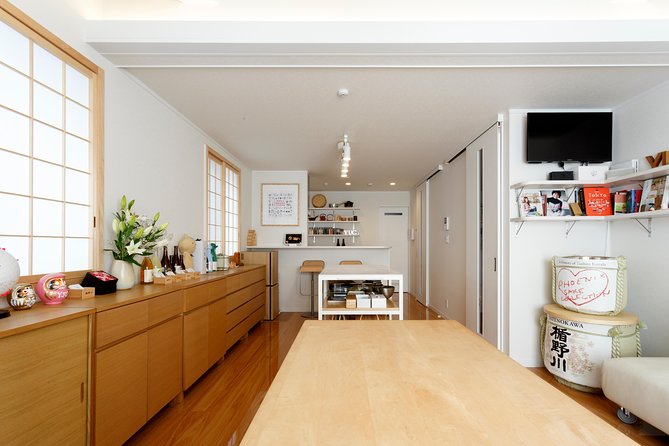
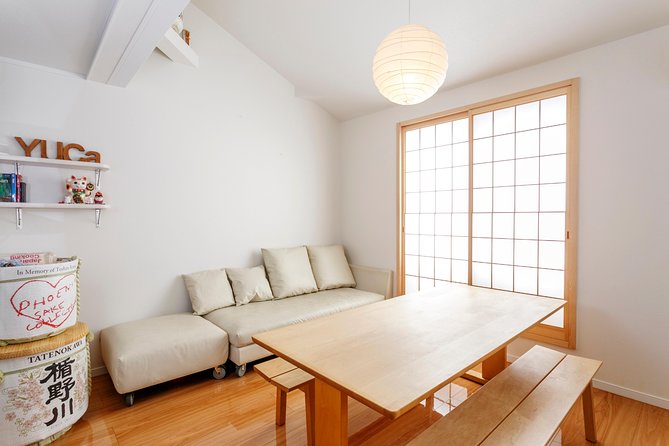
- Yuca’s home-kitchen setting, which feels like everyday Japanese life rather than a staged demo
- Included lunch so you’re not cooking on an empty stomach
- Ingredient know-how from a short lecture, plus an optional local supermarket tour
- One-way taxi ride included, which helps remove one friction point in getting there
- Mobile ticket and a session end back at the meeting point
Why okonomiyaki and gyoza work so well in a cooking class
Tokyo cooking classes can go two ways. Some are fun, but you leave thinking you watched someone else cook. This one is different because it targets dishes you’ll actually want to reproduce later.
Okonomiyaki is a Japan classic: a savory pancake built from batter, shredded vegetables, pork, and egg noodles. It’s forgiving enough to learn in a group setting, but still complex enough to teach real technique—heat control, texture, and how to assemble toppings without turning it into a sad mess.
Gyoza is the other half of the day: dumplings with minced pork and vegetables. It’s tactile cooking—mixing, shaping, and pan-frying—so you learn the “why” behind the results. When you make dumplings yourself, you stop thinking of them as mysterious street-food magic and start seeing them as a recipe with steps you can repeat.
The ingredient focus is the real value. You’re not only learning what to cook. You’re learning what to look for and how Japanese ingredients behave when they hit the pan. That matters if your goal is to bring home something more useful than a photo.
You can also read our reviews of more cooking classes in Tokyo

Meeting in Nishiogu: small group, real pace, and a comfy start
The class meets at YUCa’s Japanese Cooking in Nishiogu (Arakawa City). You’ll meet around 9:50–10:00, with the session starting at 10:00 and running for about 2 hours 30 minutes.
What I like about this setup is the rhythm. You don’t waste time wandering through a building trying to find your group. You arrive, get oriented, and then you’re cooking.
Also, the group limit is maximum 7 travelers. That’s a sweet spot. Large classes can turn into watch-and-hope. Here, you’re close enough to get support while you’re doing the work. In reviews, people specifically highlight how approachable the instruction feels, and that’s usually what you get when the group stays small.
One practical detail: it’s described as near public transportation and the location is in a residential area. That’s a plus for an authentic feel, but it also means you should plan to arrive on time. If you’re even a little late, it can throw off the whole flow of a cooking class.
The lecture at 10:15: how Japanese ingredients change the outcome
Right after meeting, you’ll have a lecture about Japanese food culture and ingredients around 10:15–10:30. It’s short, but the purpose is clear: give you a mental checklist before the heat turns on.
This part matters because okonomiyaki and gyoza depend on specific ingredient behavior. Even if two recipes look similar, the outcome can change based on things like:
- how vegetables hold moisture
- how batter binds
- how seasonings distribute
- what type of noodles or wrappers you use
- how dumplings crisp when pan-fried
You’ll also learn enough “ingredient language” to shop with confidence later. Then, when you walk through a Japanese supermarket, you’re not standing there reading labels like a detective. You know what you’re hunting for.
If you’re the type who likes cooking at home, this is where the class starts paying off. Not everyone cares about theory, but a little ingredient context is what turns a one-time meal into a repeatable recipe.
Cooking & tasting: how the class teaches technique, not just recipes
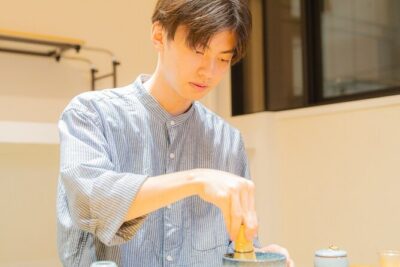
The main event runs about 10:30–12:30: cooking and tasting. This is where the class earns its reputation for being hands-on, friendly, and actually fun.
Okonomiyaki: building a savory pancake that holds together
Okonomiyaki sounds simple until you make it. The challenge is getting the batter and mix to behave the way you want—batter that sets, vegetables that soften without flooding, and toppings that melt into the pancake rather than sliding off.
In a class like this, you’ll learn the basics of assembly and cooking so you can control texture. The technique typically comes down to:
- managing pan heat
- flipping without ruining shape
- aiming for a crisp exterior and a cooked interior
- tasting and adjusting as you go
And since lunch is part of the experience, you’re not just making food and waiting for it to cool. You make, you taste, you learn fast.
You can also read our reviews of more tours and experiences in Tokyo



Gyoza: pan-frying dumplings that actually crisp
Gyoza is the other skill jump. Dumplings can be intimidating because the shaping step looks fiddly. But this class approach keeps it approachable: you’re supported while you work, and you get to see what “good” looks like as you cook.
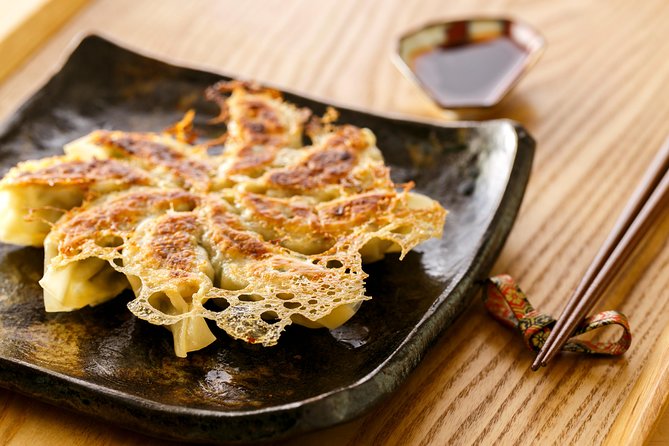
Pan-frying is where gyoza becomes real. The method matters because you’re aiming for browned bottoms while still cooking the inside. That combination is what separates “dumplings” from the street-food experience.
If you’re cooking at home later, the big takeaway is not only the recipe. It’s the feel of the process—when the pan is hot enough, how the dumplings change as they cook, and what crisping looks like.
Tasting: your fast feedback loop
This is one of those underrated parts of great classes. After you cook, you taste. That feedback tells you what worked and what to adjust next time.
It also reduces the guessing game. Instead of leaving with a recipe card and unanswered questions, you get direct comparison during the class. That’s especially helpful for first-timers who might not know what “should” taste right.
Lunch you actually want to eat (and why that’s a big deal)
Lunch being included might sound like a small perk. It’s not.
When food is included, the class schedule feels easier. You don’t start stressing about whether you’ll get hungry halfway through. It also keeps your energy steady for tasting and learning.
And because you’re eating what you cook, you get a practical lesson: how to evaluate your own cooking in real time. You’ll pick up cues like texture, seasoning balance, and the difference between “fine” and “really good.”
If you’ve ever taken a cooking class where you barely taste anything, you’ll appreciate this setup more than you expect.
Optional supermarket tour: turning ingredients into repeatable meals
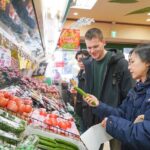
Around 12:30–13:00, there’s an optional supermarket tour. If you want to bring the experience home, this is the part that often makes the class stand out.
A supermarket isn’t about fancy showmanship. It’s about real shopping habits: what’s easy to find, what’s available seasonally, and what ingredients look like in a Japanese store.
Even if you don’t buy much, you can learn a lot just by seeing:
- how ingredients are labeled
- what brands or formats are common
- how vegetables and seasonings are packaged
- what substitutes might work and what likely won’t
Because this stops short at about 30 minutes, it’s not a long excursion. It’s more like a guided “shopping lens.” That can be ideal if you want practical guidance without spending half a day grocery hunting.
In the reviews, people mention the guided supermarket trip as a highlight. That matches what I’d expect: this is where your cooking knowledge becomes actionable.
The taxi ride perk and the true value of the price
At $121.89 per person, this isn’t the cheapest food activity in Tokyo. But value is more than cost. Here’s what you’re getting that supports the price:
- a small group (max 7)
- a hands-on cooking experience for two dishes
- lunch included
- a lecture on Japanese food culture and ingredients
- an optional local supermarket tour
- a one-way taxi ride included
In Tokyo, transportation and convenience add up quickly. A one-way taxi ride included helps you avoid one common pain point—arriving to a residential area on time without wasting energy on transfers.
Also, buying ingredients after a class is far easier when the class has already taught you what to look for. That hidden value is real if you plan to cook again at home.
For me, this class is best if you want more than a snack-and-photo experience. You’re paying for a skill transfer: how to cook, how to taste, and how to shop.
Where this class shines (and who should book it)
This class is a strong fit if:
- you want hands-on Japanese cooking, not a passive demo
- you’re interested in learning ingredients and not only steps
- you like the idea of cooking in a real home kitchen setting
- you’re traveling with a group small enough to feel personal
Reviews also point to family-friendly energy, including kids participating. Since the class is interactive, it can work well when you want something that’s not just another museum stop.
If you’re a strict beginner who doesn’t know a gyoza from a dumpling, you’ll likely be fine—this kind of class is designed for learning by doing. If you’re already a confident home cook, you may appreciate the ingredient notes and the technique coaching for pan-frying and pancake assembly.
If you’re looking for a large, high-energy production show with lots of extra attractions, this likely won’t match that vibe. It’s a cooking class first, and the goal is skill and food—not spectacle.
Logistics that matter on a real day in Tokyo
A few practical points can help you enjoy this smoothly:
- It’s a mobile ticket experience, so keep your confirmation handy on your phone.
- The meeting window is around 9:50–10:00, so arrive early enough to settle in.
- The session ends back at the meeting point, so you won’t be dropped somewhere random afterward.
- It’s near public transportation, which is useful if you don’t want to rely on taxi for every leg of your day.
And because it’s cooking, wear something you can move in. You don’t need special gear, but comfort helps. If you’re the type who likes to keep clothes spotless, you might want to rethink that for a hands-on food class.
Should you book this okonomiyaki & gyoza cooking class?
Book it if you want a Tokyo food experience that’s practical. You’ll learn two iconic dishes, eat the results, and leave with ingredient knowledge you can use later. The combination of Yuca’s instruction, small group size, and the optional supermarket tour makes it feel more like learning than entertainment.
Skip it only if you prefer low-effort sightseeing or you want a long, slow food journey. This is compact by design. You’ll get plenty of hands-on time, but it won’t replace a full day of shopping and wandering.
If your goal is to come home able to cook okonomiyaki and gyoza with confidence, this is a very solid choice.
FAQ
What dishes will I learn in the class?
You’ll learn how to make okonomiyaki and gyoza.
How long is the experience?
It runs for about 2 hours 30 minutes. There is also an optional supermarket tour afterward.
Where does the class meet?
The class meets at YUCa’s Japanese Cooking, 2-chōme-34-8 Nishiogu, Arakawa City, Tokyo 116-0011, Japan.
Is lunch included?
Yes. A delicious lunch is included.
Does the price include transportation?
Yes, there is an included one-way taxi ride perk.
Is the supermarket tour included or optional?
The supermarket tour is optional, scheduled for around 12:30–13:00.
What is the group size?
The class has a maximum of 7 travelers.
Is it near public transportation?
Yes, it’s described as being near public transportation.
What happens if the minimum number of travelers isn’t met?
If the experience is canceled because the minimum isn’t met, you’ll be offered a different date/experience or receive a full refund.
Can I get a full refund if I cancel?
You can cancel for a full refund up to 24 hours in advance of the experience’s start time.