REVIEW · TOKYO
Mt. Fuji, Hakone Full-Day Private Tour with English Driver
Book on Viator →Operated by Ohayo Trip · Bookable on Viator
Fuji in one long, guided day. This private Mt. Fuji and Hakone tour strings together big viewpoints, lakeside photo stops, and Hakone’s volcanic sights, all with an English driver and private transportation.
I like the no-wait pickup style of a private group, and you get a comfortable air-conditioned ride between spots. I also love that the day covers both classic Fuji Five Lakes scenes and the Hakone highlights like Lake Ashi and Owakudani.
The main catch is weather and stop closures. If clouds roll in (or a key area like Mt. Fuji 5th Station is shut for safety), your views can shrink fast, and some key tickets are not included.
In This Review
- Key highlights at a glance
- Why a private English driver matters on this Fuji and Hakone day
- Timing from Tokyo: a 10-hour day that moves
- Mt. Fuji 5th Station at 2,300m: the big view stop (and the fee)
- Lake Kawaguchiko: easy Fuji scenery plus optional extras
- Chureito Pagoda and the Arakura Sengen Shrine steps
- Oishi Park: the quieter Fuji-and-lake perspective
- Oshino Hakkai and Kitaguchi Hongu Fuji Sengen Jinja
- Yoshida Trail to 7th Station: easy trekking, big altitude views
- Lake Ashinoko by pirate-style sightseeing ship
- Owakudani Valley: steam, boiling pools, and black eggs
- What your guide may add: photo help, flexibility, and lunch tips
- Price and value: what $399 covers, and what you pay extra
- Should you book this Mt. Fuji and Hakone private day trip?
- FAQ
- Is this tour private?
- How long is the Mt. Fuji and Hakone tour?
- What does the tour price include?
- What is the group size limit?
- Do I need to pay for Mt. Fuji 5th Station?
- Is lunch included?
- Are Lake Ashi and Owakudani tickets included?
- Are there optional paid activities at Lake Kawaguchiko?
- Can I cancel for a full refund?
Key highlights at a glance
- Private pickup for your group: no lining up with strangers, and you control the pace more easily
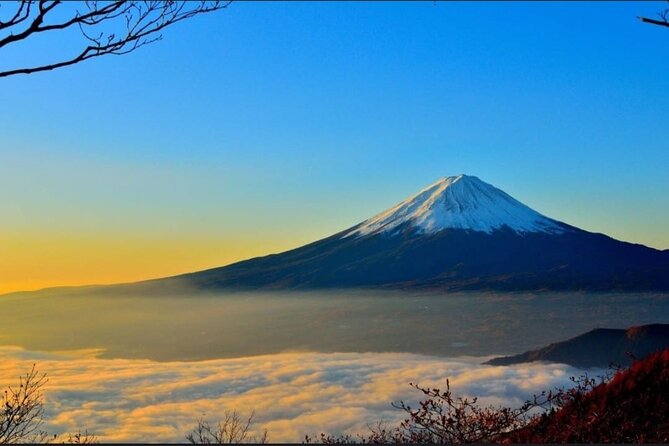
- Altitude and iconic Fuji angles: Mt. Fuji 5th Station plus multiple lakeside viewpoints
- Chureito Pagoda + 400 steps: a famous photo spot tied to Arakura Sengen Shrine
- Hakone’s Lake Ashi by pirate-style ship: including the torii view over the water
- Owakudani geothermal drama: steam, boiling pools, and the black-egg tradition
Why a private English driver matters on this Fuji and Hakone day
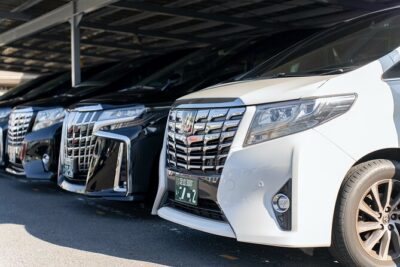
A full day like this is mostly about logistics. With a private group, you’re not stuck waiting for other people to finish bathroom breaks or get ready. You’re picked up, you drive, you stop, you go again.
I also appreciate the “English driver” part, because the places you’re visiting are spread out and not all of the important info is obvious on signs. A good driver-guide helps you get to the right overlook, know where to walk for photos, and time your stop so you’re not standing around when the view is good.
From what I’ve seen from past guide experiences in this exact kind of tour setup, strong English and photo help show up a lot. Names you may run into on this route include Wahab, Mustafa, Bilal, Ali, Sunny, Zei, and Adeel. The common thread is practical guidance: where to stand, how to get better angles, and even where to eat when you want lunch that fits your tastes.
One more practical point: bottled water is included. On a day that climbs in altitude and then drops back down, that little detail can save you from scrambling.
You can also read our reviews of more private tours in Tokyo

Timing from Tokyo: a 10-hour day that moves
This is listed at about 10 hours total. That’s long enough that you should treat it like a commitment, not a casual stroll. The drive from Tokyo to the Fuji region and over to Hakone takes time, so you’ll be trading speed for comfort rather than stretching the day into two trips.
In plain terms, you’ll want an easy start. If you’re traveling with family or older relatives, the private car helps a lot—but you still have multiple stops and short walking segments.
The other timing reality: visibility is not guaranteed. Fuji is famous, but it also plays games with clouds. Even with the best planning, you may get partial views some days, full views others.
So I recommend you set your mindset before you go: you’re not just chasing a single perfect photo. You’re visiting a chain of excellent places, and some of them still work even when Fuji is shy.
Mt. Fuji 5th Station at 2,300m: the big view stop (and the fee)
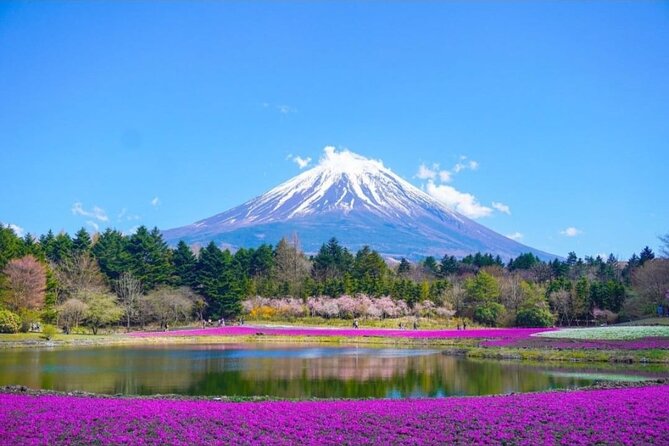
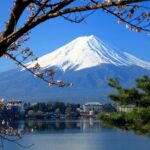
Mt. Fuji 5th Station is at about 2,300 meters elevation, and it’s a top spot for dramatic Fuji angles—even if you’re not climbing. In many photos, the mountain looks close and sharp here, and you often get views tied to the Fuji Five Lakes region.
This stop is scheduled for about 3 hours. The big heads-up: the entrance fee is 2,100 yen per group, and it’s not included in the tour price.
Also, treat it as a “conditions first” stop. The station can be affected by safety rules, weather, or temporary closures. On some days, drivers may check whether it’s open and then adjust where they can go. That’s exactly why private planning helps: your driver can re-route your time instead of simply skipping you.
If you care about photos, don’t rush. Even small shifts in where you stand can change the view a lot at altitude.
Lake Kawaguchiko: easy Fuji scenery plus optional extras
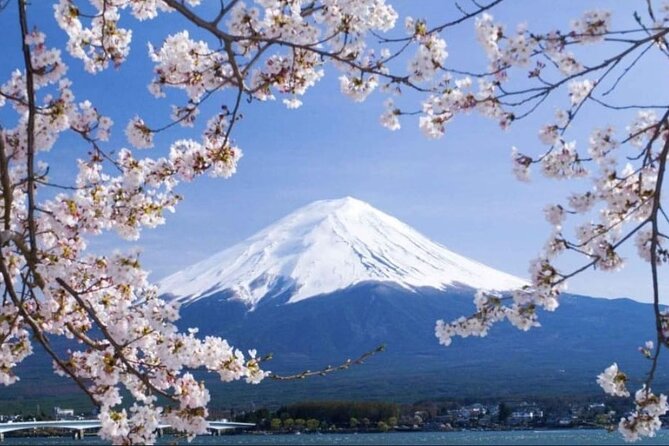
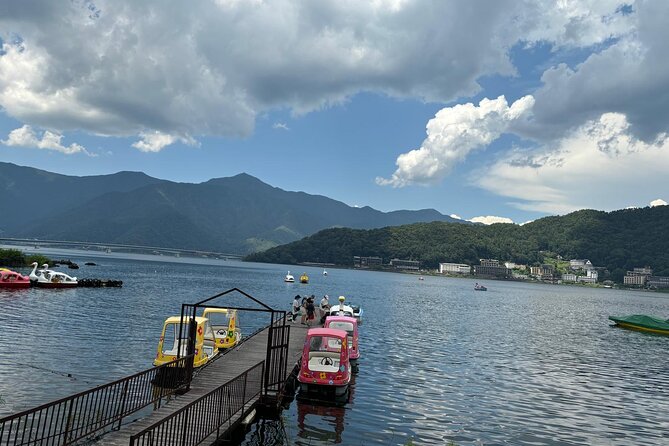
Lake Kawaguchiko is set around 830 meters elevation, so it can feel cooler and often offers especially pretty seasonal scenery. You’re given about 1 hour here, which is just enough time to walk a viewpoint loop and choose a main activity if you want one.
Optional paid add-ons are common at this stop. A boat cruise or the ropeway/cable car can cost about 1,000 yen per person. If you choose one, you may have less time for wandering, so pick based on what you’ll actually enjoy.
One nice part of this region is how practical it is for lunch. There are plenty of restaurants around the lake, and having a driver-guide who can suggest a place saves time and stress.
The drawback is simple: 1 hour goes quickly. If you want a slow lakeside hang, you might feel a little rushed. For most people, though, it hits the sweet spot between driving and sightseeing.
Chureito Pagoda and the Arakura Sengen Shrine steps
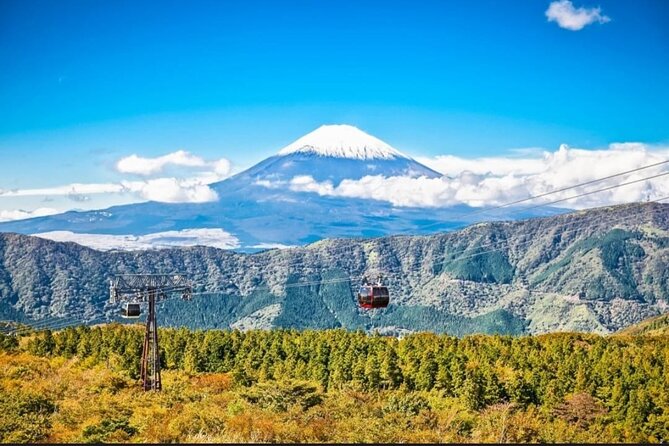
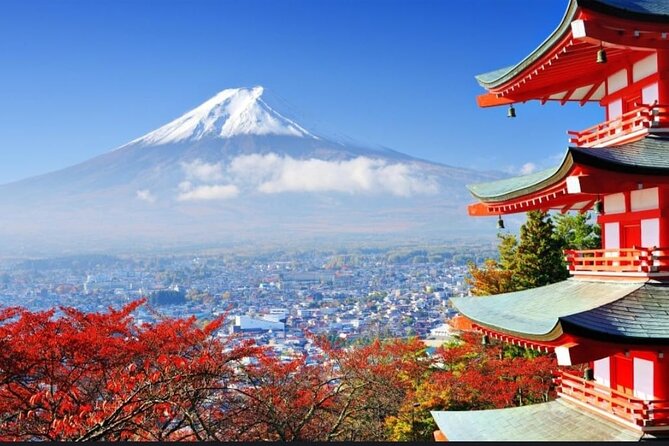
Chureito Pagoda is one of those places you recognize instantly once you see it. It’s part of Arakura Sengen Shrine, and it’s positioned on the mountainside overlooking Fujiyoshida with Mt. Fuji in the distance.
Getting up to the pagoda takes about 400 steps. Your time here is about 1 hour, and that usually includes the walk up, the photo stop, and the walk back down.
A key detail: this pagoda was built in 1963 as a peace memorial. That gives the place more weight than just a photo backdrop. It’s still scenic, but it has a grounded reason for existing.
Possible downside: those steps add up. If you have mobility limits or you’re traveling with small kids, it’s worth thinking through how much walking you can handle before you commit.
You can also read our reviews of more tours and experiences in Tokyo

Oishi Park: the quieter Fuji-and-lake perspective
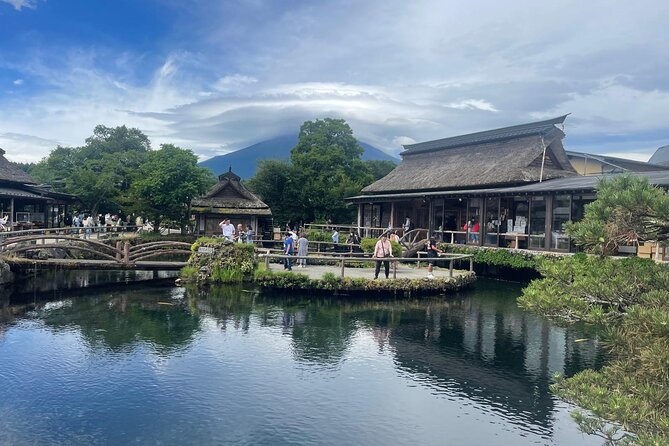
Oishi Park sits on the north shore of Lake Kawaguchi. Think of it as a more relaxed “look, breathe, photograph” stop compared to places that involve more structured walking or stairs.
You get about 1 hour. The views are set up so you can catch both the lake and Mt. Fuji when conditions cooperate. On clearer days, it can feel like a calm pause in the middle of an otherwise busy schedule.
This is a good stop for:
- photos without rushing
- a short walk for a better viewpoint angle
- resting your legs after earlier walking-heavy spots
Oshino Hakkai and Kitaguchi Hongu Fuji Sengen Jinja
These two stops give you two different flavors of the Fuji region: water and spirituality.
Oshino Hakkai is a historic village between Lake Kawaguchiko and Lake Yamanakako. You’ll find eight ponds fed by snowmelt from Mt. Fuji. The water filters through lava layers for over 80 years, and it’s known for being exceptionally clear. You can even drink the spring water there (when open and available).
Your time here is about 1 hour. It’s a calm place where the scenery makes more sense when you understand the water story.
Then you move to Kitaguchi Hongu Fuji Sengen Jinja Shrine, a shrine tied to Mount Fuji. This one is part of the Mt. Fuji UNESCO World Cultural Heritage site and is dedicated to Konohanasakuya-hime, described as the goddess of Mount Fuji and volcanoes. There are around 1,300 Asama shrines like this. Asama shrines are often placed with Mt. Fuji in view, and if the view is blocked, miniature mountain replicas may appear in the grounds.
Time here is also about 1 hour. It’s not just a quick photo snap. It’s more like a short lesson in how people frame the mountain in daily culture.
Yoshida Trail to 7th Station: easy trekking, big altitude views
The Mt. Fuji trek portion is focused on a lighter climb feel. You start from the 5th station area and then your guide takes you to the Yoshida trail up to 7th station (about 2,700m).
This segment is about 1 hour and is described as easy-level trekking. If you want to go further toward the summit, the tour says they can arrange it for you.
For most people, this is the best compromise: you get altitude and the sense of being on the mountain path without needing a whole climbing day. It also gives you a different perspective from simply standing at lookouts.
Main consideration: if the mountain area is affected by weather or closures, this part may not play out exactly as hoped. That’s another reason a private guide matters—they can adjust the day around what’s safe and accessible.
Lake Ashinoko by pirate-style sightseeing ship
Now you shift into Hakone mode, and it’s a fun change. Lake Ashinoko is one of the most iconic “water + Fuji” pairings when visibility is good.
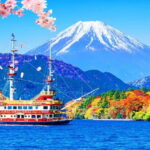
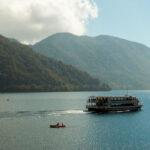
You’ll take a sightseeing ship for about 30 minutes. Tickets for the boat are not included. The boat experience is described as pirate-themed, with 3D art and pirate objects on board, and there are three different designs of pirate ships right now.
Here’s the payoff you’ll want to aim for: the view includes Hakone-jinja shrine’s torii gate on the lake. When you’re lucky with the weather, Mt. Fuji can also show up in the same frame.
Even if Fuji is hidden, Lake Ashi is still a relaxing reset after land-based sightseeing. This is the stop where your brain finally slows down.
Owakudani Valley: steam, boiling pools, and black eggs
Owakudani Valley is the volcanic stop that makes Hakone feel real. You’ll see sulfurous fumaroles emitting steam, with an eerie, almost otherworldly atmosphere. There are boiling pools and hot springs around the valley, and there are scenic hiking trails that can offer panoramic views over the area.
Your time here is about 30 minutes, and the admission is not included. This stop is short, so you’ll want to focus on the main viewpoints and the most active steaming sections.
A classic tradition is eating black eggs cooked in the volcanic waters. They’re said to add years to your life. Whether or not you believe it, it’s part of the experience and a fun local touch.
If you’re sensitive to strong smells, steam areas can be intense. Plan to breathe through it and keep your expectations realistic.
What your guide may add: photo help, flexibility, and lunch tips
The tour lives or dies by the quality of the driver-guide. When the guide is strong, the day feels smooth, and you’ll get more from each stop.
In past experiences with guides on this kind of route, people often highlight:
- helping with photo angles (including patience for multiple shots)
- flexibility when weather changes mid-day
- recommending where to eat based on your preferences
Guide names that have come up include Wahab, Mustafa, Bilal, Rioki, Ali, Sunny, Zei, and Adeel. The specific names matter less than the working style: a guide who knows the best places to stand and who can steer you around time-wasters.
My practical advice: at the start of the day, tell your driver what you care most about. Fuji photos at 5th station? The pagoda steps? Owakudani steam? If you don’t say it out loud, you can end up with a day that’s technically “full” but not fully aligned with your priorities.
Price and value: what $399 covers, and what you pay extra
At $399 per group (up to 6), the price can be a real deal if you’re traveling with friends or family. For a group of 4-6, the per-person cost drops sharply, and you’re basically buying private transport plus a lot of pre-planned stops.
What’s included:
- air-conditioned vehicle
- private transportation
- gasoline and patrol
- highway toll tax
- bottled water
What’s not included:
- Mt. Fuji 5th Station entrance fee: 2,100 yen per group
- lunch
- entry tickets for Mt. Fuji 5th Station (same fee)
- Lake Ashi ship admission
- Owakudani admission
And there may be optional paid activities like ropeway/cable car or boat on Lake Kawaguchiko at about 1,000 yen per person.
My take on value: if you’re the kind of traveler who wants convenience, doesn’t want to navigate transit across multiple regions in one day, and cares about getting to the right photo spots efficiently, this price usually feels fair. If you’re traveling solo or as a couple, it’s still doable, but you’ll want to double-check the extra paid parts so there are no surprises.
Should you book this Mt. Fuji and Hakone private day trip?
If you want a one-day sampler of Fuji viewpoints plus Hakone’s lake-and-volcano drama, I’d book this—especially if you’re traveling in a group of up to 6 and you value a driver who can handle the day for you.
You should consider passing or rethinking if:
- you can’t handle a packed 10-hour schedule
- you’re very sensitive to weather risk (Fuji views depend on conditions)
- you dislike paying separate site fees and optional tickets
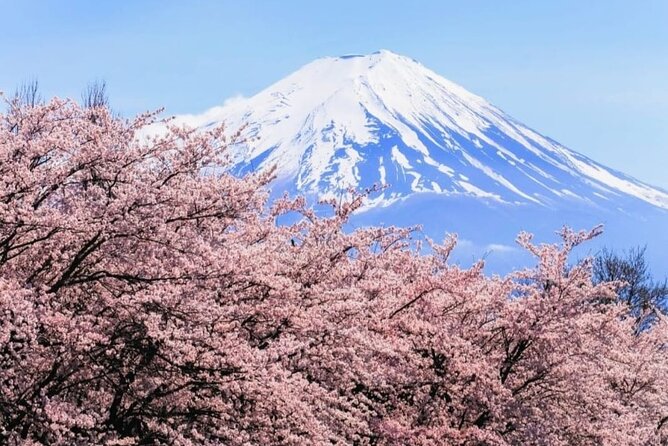
If your dates land in seasons with extra scenery, like April (where cherry blossoms can add beauty), the day can feel extra special. And if you get a guide who’s patient with photos and good at adjustments, this tour becomes less about rushing and more about nailing the right moments.
FAQ
Is this tour private?
Yes. It’s a private tour/activity, and only your group participates.
How long is the Mt. Fuji and Hakone tour?
The duration is about 10 hours.
What does the tour price include?
It includes an air-conditioned vehicle, private transportation, gasoline/patrol, highway toll tax, and bottled water.
What is the group size limit?
The price is per group for up to 6 people.
Do I need to pay for Mt. Fuji 5th Station?
Yes. There is an entrance fee of 2,100 yen per group for Mt. Fuji 5th Station, and it’s not included.
Is lunch included?
No. Lunch is not included.
Are Lake Ashi and Owakudani tickets included?
No. Admission tickets for Lake Ashinoko (the ship) and Owaku-dani Valley are not included.
Are there optional paid activities at Lake Kawaguchiko?
Yes. Boat cruises or the ropeway/cable car are options, and they cost about 1,000 yen per person.
Can I cancel for a full refund?
Yes. You can cancel up to 24 hours in advance for a full refund.