REVIEW · TOKYO
Tea ceremony experience in Japanese-style room 60min
Book on GetYourGuide →Operated by 株式会社和樂苑 · Bookable on GetYourGuide
Tea ceremony sounds formal. Then you’re inside, kneeling on the good floor, and it turns human. At Wasako, the experience is set in a Japanese-style room inside the Charyo-Ichimatsu restaurant, with a calm rhythm and lots of hands-on time.
I especially love the control you get over the experience: you choose your tea sweets and the matcha bowl you’ll use, and each bowl’s design gets explained. I also like how you don’t just watch. You’ll be guided through matcha preparation and get to brew your own.
One consideration: this is still a short, structured class, and for some people the time can feel tight for the price—especially if you’re expecting a longer deep-dive into tea culture.
In This Review
- Key highlights at a glance
- Entering Wasako’s Japanese-style room at Charyo-Ichimatsu
- Choosing your sweets and matcha bowl (and why it’s more important than it sounds)
- Timing it right: start times and how long to plan
- Watching the demonstration, then learning what each object is doing
- Making your own matcha: the step-by-step moment you’ll remember
- Photo opportunities in a cultural-property setting (and kimono dressing if you add it)
- Price and value: does $45 make sense in Tokyo?
- Where it fits on your Tokyo plan (and who should go)
- Getting there: the simple meeting point from two station exits
- Should you book Wasako’s 60-Minute Tea Ceremony?
- FAQ
- What’s included in the tea ceremony experience?
- How long does the experience take?
- What time does the ceremony start?
- Where is the meeting point?
- Do I need socks?
- Are shoes allowed inside?
- What languages are the instruction in?
Key highlights at a glance
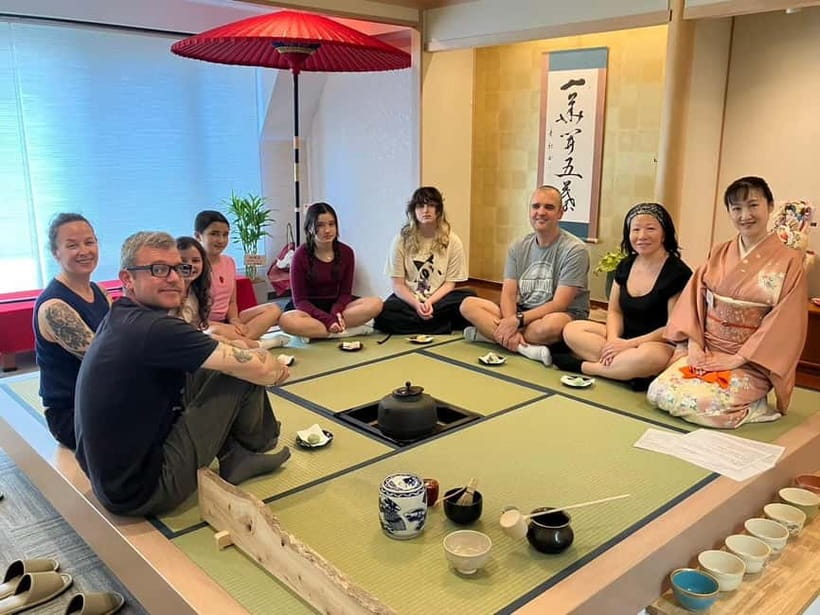
- Small group size (max 7) means you get personal attention as you practice
- Four daily start times let you fit it around Asakusa plans
- Choose sweets and a matcha bowl right before the ceremony begins
- Watch first, then participate so you learn by doing
- English/Japanese instruction helps you follow every step of the ritual
- Photo-friendly setting in a registered cultural property building
Entering Wasako’s Japanese-style room at Charyo-Ichimatsu
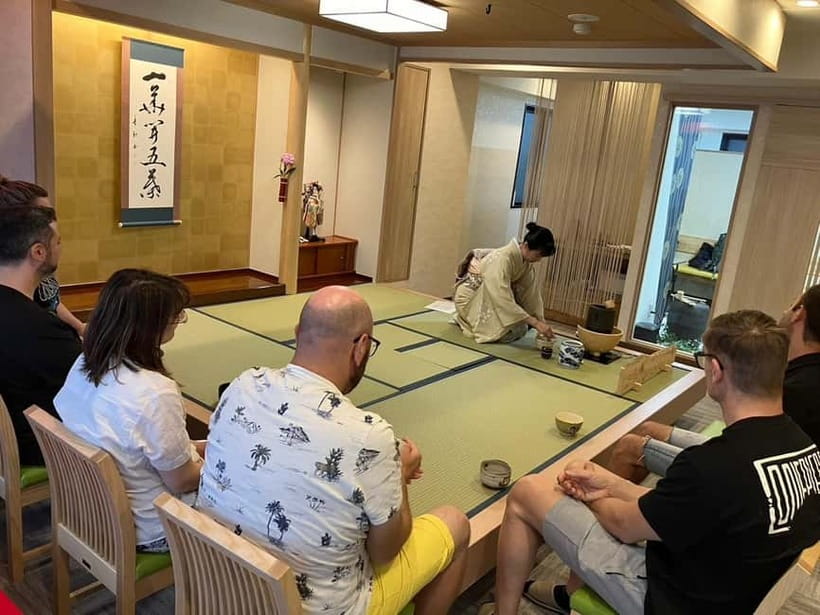
The experience starts with a simple idea: step into the tea room and let the space slow you down. Wasako’s ceremony takes place in a Japanese-style room inside the Charyo-Ichimatsu restaurant. The building is a registered tangible cultural property, so the whole place feels intentional—wood, decor, and photo spots that don’t look like they were added last minute.
Practical stuff matters here. Shoes are not allowed indoors, so wear footwear that’s easy to slip off and on. If you want to get up close to the tatami, plan to bring socks. If you don’t have them, you can buy them on-site for 500 yen—handy, but it’s still a cost you can avoid.
Even if you’re not a big “cultural property” nerd, you’ll feel the difference. This isn’t a rushed room inside a mall. It’s a real, functioning tea-space, and that changes the vibe of the class.
You can also read our reviews of more tours and experiences in Tokyo.



Choosing your sweets and matcha bowl (and why it’s more important than it sounds)
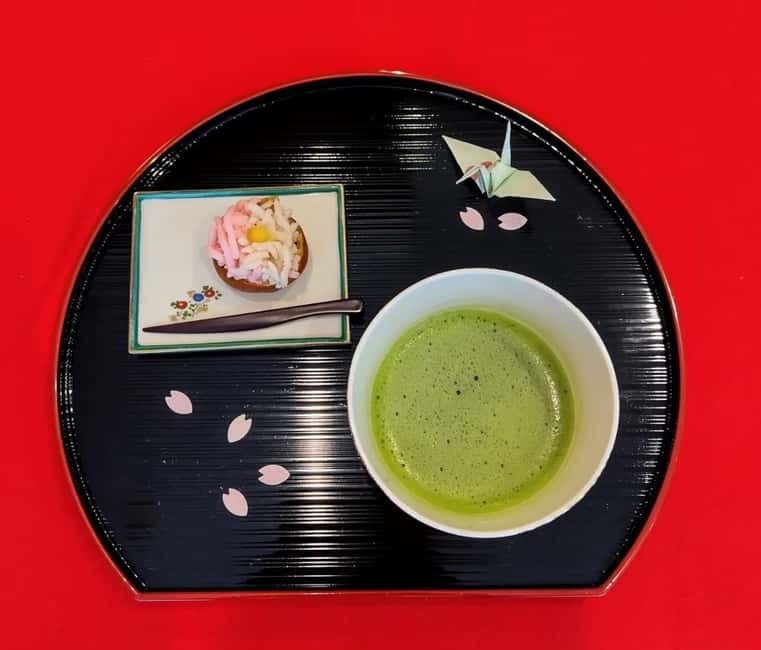
Right when you enter, you’ll select your tea sweets and the matcha bowl you’ll use. This part sounds small, but it’s actually a big part of the ceremony’s spirit: tea is personal. Your bowl isn’t just a container—it’s a piece with its own design, and it affects how you experience the ritual.
Each matcha bowl has a unique design, and you’ll get an explanation tied to it. That turns what could be “here’s the bowl” into something more thoughtful: you learn what you’re looking at before you start whisking.
You’ll also choose sweets to go with your matcha. During the demonstration, you can enjoy those sweets and drink the matcha you’re served. Translation: you’re not waiting around on an empty stomach, and you’re not stuck watching the whole time like a passive spectator.
Timing it right: start times and how long to plan
There are four start times each day: 10:00, 11:30, 13:30, and 15:00. The activity duration is listed as 45 minutes up to several hours, so the smartest move is to treat it as a flexible block rather than a strict stopwatch.
In the real world, a ceremony can expand if you’re taking photos, if your questions run long, or if you add extras. And many people do add a kimono option—kimonos came up repeatedly in participant experiences, including help getting dressed and photo time. If you want that, give yourself more cushion.
I’d plan like this:
- If you’re fitting it between transit and a meal: arrive a bit early and assume you’ll finish close to the “short” end.
- If you care about photos and a slower pace: plan extra time and don’t rush your next reservation.
Watching the demonstration, then learning what each object is doing
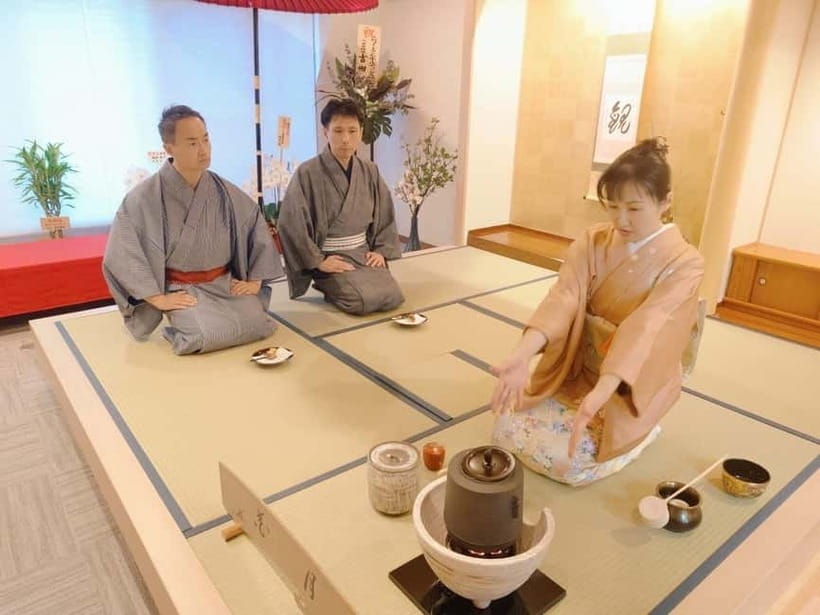
One of the best ways to understand Japanese tea is to see it in layers. You’ll watch the tea ceremony demonstration first, then you’ll learn the steps yourself.
While you’re watching, you’ll be able to enjoy the sweets and the matcha served during the demonstration. The guide will also explain key visual elements, including hanging scrolls and furnishings. They may share context about the history of the tea ceremony as well, but the focus stays practical: what these items are, why they’re placed the way they are, and what you’re meant to notice.
This is also the moment where the small-group format helps. With a group capped at 7 participants, you’re less likely to get lost in the shuffle. You can ask questions and get clarification without feeling like you’re slowing down a class of thirty.
Making your own matcha: the step-by-step moment you’ll remember
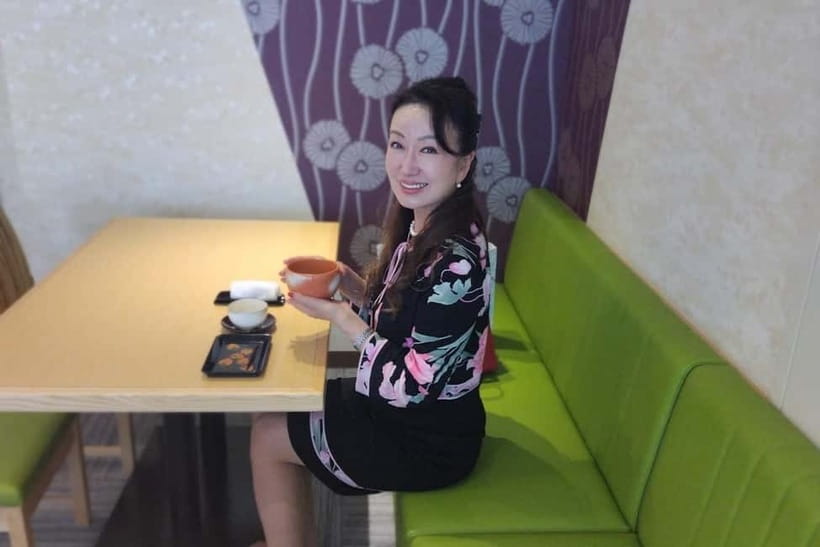
Here’s the heart of the experience: you’ll learn how to prepare matcha and get the chance to brew it yourself.
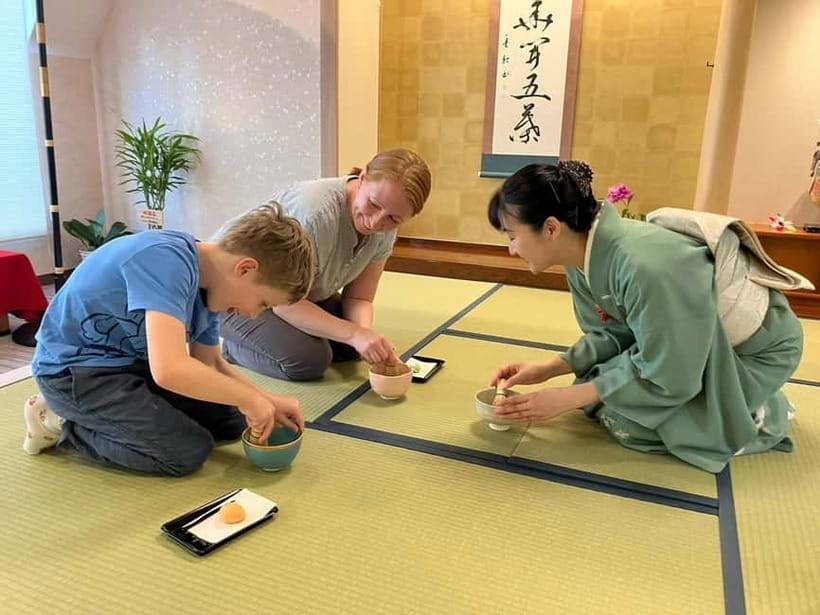
You’ll follow instruction as you move through the process. The goal isn’t to make you a tea master. It’s to get you comfortable with the steps so you understand what you’re doing when you taste your own bowl.
This is where the ceremony becomes more than a show. Once you’ve whisked matcha yourself, you notice details you would normally miss—texture, aroma, the way tea changes as it’s prepared.
If you want a quick cheat sheet for success, keep your socks comfortable and stay attentive during the teaching portion. When people struggle, it’s usually not the math of matcha—it’s timing and nerves. A calm room helps, and the staff are there to guide you through.





Photo opportunities in a cultural-property setting (and kimono dressing if you add it)
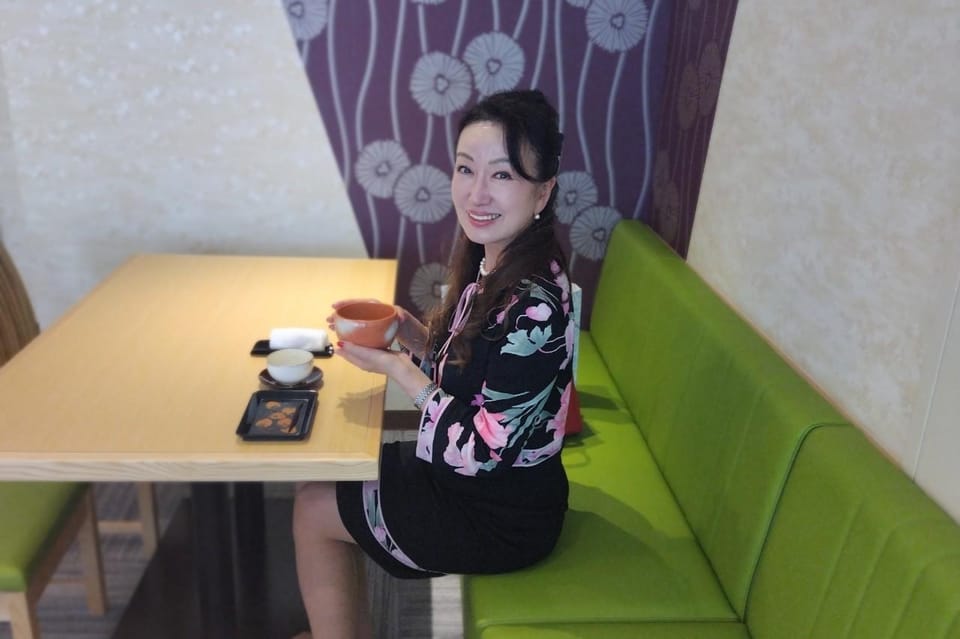
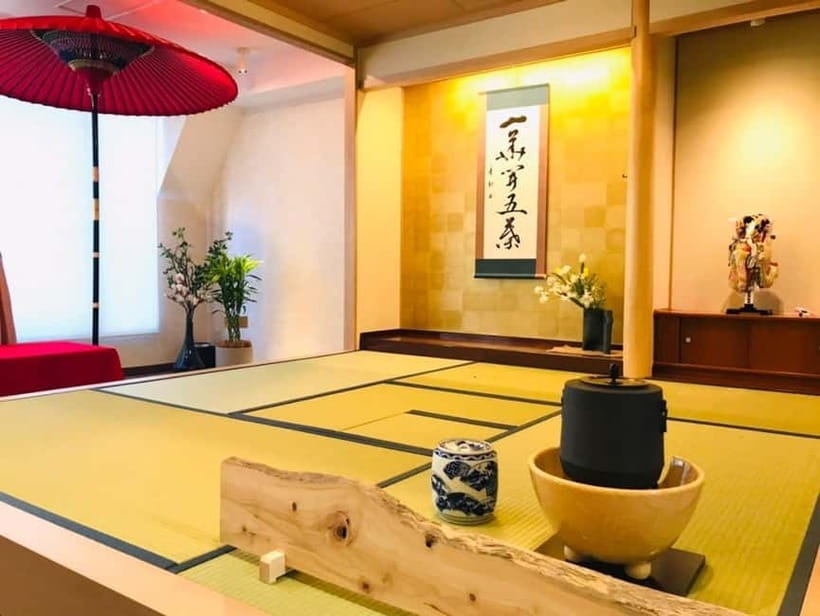
I’ll be honest: you’re going to take photos. The room is built for it, with a lot of “look, this is Japan” corners that don’t feel staged. Because the building is recognized as a registered tangible cultural property, there are lots of spots that naturally photograph well.
A common theme in participant experiences is that staff help with photos. Some people even mention having photos taken during the ceremony, so you don’t have to constantly stop and juggle your camera settings mid-ritual.
If you add kimono dressing, the experience can become even more memorable. Kimonos came up in participant accounts as being arranged for you to choose from, then worn with assistance. That’s a fun way to make the ceremony feel like an actual outfit ritual, not just a class. Even if you skip kimonos, expect the room itself to provide plenty of visual charm.
One practical tip: take a couple establishing shots early, then let yourself focus once the ceremony starts. You’ll enjoy it more—and your photos will look better because you’re not rushing every minute.
Price and value: does $45 make sense in Tokyo?
Wasako’s price is listed as $45 per person. Whether it feels like a good deal depends on what you want from the day.
For me, the value case is strong if you care about:
- choosing your own tea sweets and matcha bowl
- learning the steps instead of only watching
- making your own matcha (not just tasting it)
- doing it in a small group setting with staff attention
- enjoying a serene environment where photos actually look good
The class also includes the basics that often cost extra elsewhere: sweets and matcha, plus the guidance that turns “tea tasting” into a real activity.
The potential downside is timing and expectations. A few participants felt the experience didn’t fully match the price for the amount of time or depth. If you’re hoping for a long, sprawling cultural lesson, this may feel structured and contained. If you want a focused, hands-on tea moment that fits into an Asakusa day, it’s easier to justify.
Where it fits on your Tokyo plan (and who should go)
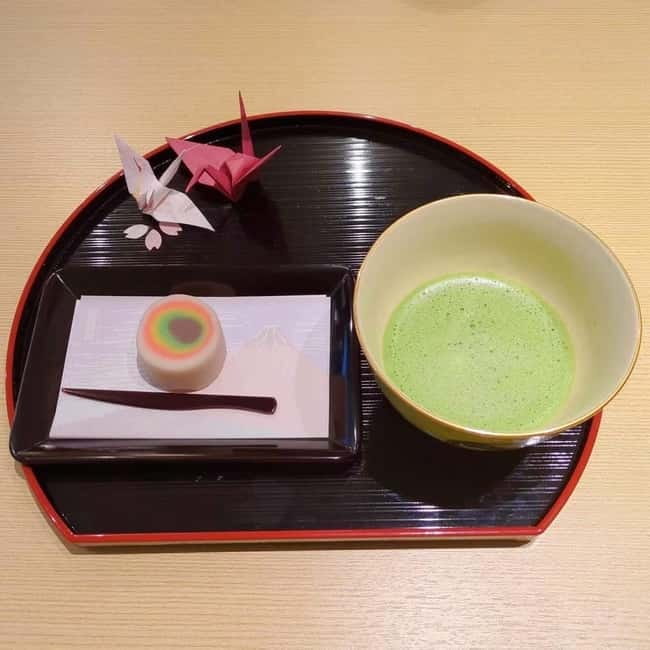
This is a great fit if you want something calm and authentic amid the city. It’s also a good choice for people who like culture that you can physically do—not just read about.
You’ll get the most out of it if you:
- enjoy hands-on experiences (making matcha matters)
- want a small-group setting
- like learning what you’re looking at (scrolls, furnishings, and the flow of the ritual)
- care about photos but don’t want it to become a chaotic photo session
It’s not suitable for children under 6 and it’s not listed as accessible for wheelchair users. For everyone else, it’s a solid “reset” activity—especially if your Tokyo day has been packed with temples, shopping streets, and trains.
Getting there: the simple meeting point from two station exits
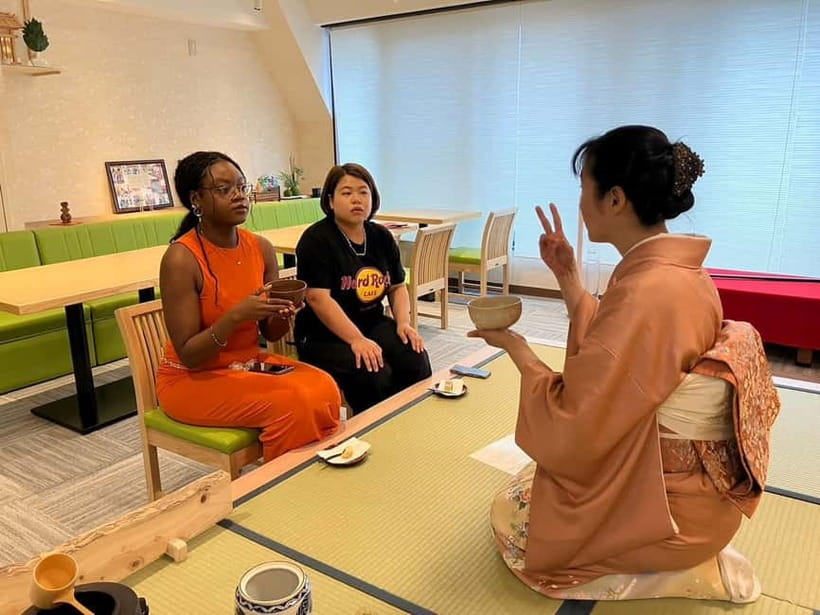
You’ll meet 5 minutes’ walk from Tawaramachi Station (Tokyo Metro Ginza Line, Exit 3). It’s also about 10 minutes’ walk from Asakusa Station (Toei Asakusa Line, Exit A4).
Shoes off indoors means you’ll likely want to wear layers. Tokyo can be warm or cool depending on the day, and once you’re sitting for a while, comfort matters.
If you’re the type who likes to get bearings fast: arrive early enough to settle in without rushing. The room experience works best when you walk in feeling calm.
Should you book Wasako’s 60-Minute Tea Ceremony?
I’d book it if you want an authentic, structured tea moment with real participation. The combination of small-group attention, choosing your own sweets and bowl, watching the ritual, and then making your own matcha is exactly what turns tea from a souvenir into a memory.
Skip it (or think twice) if you’re expecting a very long, highly detailed lesson that just keeps going. This is a focused experience with clear steps. Some people love that. Others feel it’s too short for the price.
If you want the calm, the craftsmanship, and the chance to whisk matcha yourself in a beautiful room, this is one of the easier cultural activities in Tokyo to feel good about.
FAQ
What’s included in the tea ceremony experience?
You’ll get tea sweets and matcha green tea, watch the tea ceremony demonstration, and make your own matcha. You can also take photos.
How long does the experience take?
The duration is listed as 45 minutes to 4 hours, depending on the session and timing.
What time does the ceremony start?
There are four start times: 10:00, 11:30, 13:30, and 15:00.
Where is the meeting point?
It’s about a 5-minute walk from Tawaramachi Station (Ginza Line, Exit 3) and about a 10-minute walk from Asakusa Station (Toei Asakusa Line, Exit A4).
Do I need socks?
Yes, if you want to get on the tatami. If you don’t have socks, they can be sold for 500 yen.
Are shoes allowed inside?
No. Shoes are not allowed indoors.
What languages are the instruction in?
The instructor provides English and Japanese support.