REVIEW · TOKYO
Tokyo: Morning Sightseeing Bus Tour
Book on GetYourGuide →Operated by Japan Panoramic Tours · Bookable on GetYourGuide
A morning bus tour can sound generic, but this one is a smart way to hit top Tokyo stops fast while still feeling the city’s rhythm. I love the English-speaking guide who keeps things clear and questions welcome, and I also like the premium matcha experience in Asakusa. One thing to consider: it’s a packed 210 minutes and the tour ends in Asakusa at Sensō-ji, so you’ll plan your afternoon from there.
You ride in a comfortable, air-conditioned coach with free Wi-Fi, and the itinerary threads together big-name landmarks with hands-on moments, like shrine etiquette and shopping streets. If you’re prone to rushing or you need lots of free time at each stop, this format may feel time-tight—especially at Asakusa.
In This Review
- Key things to know before you go
- Morning Tokyo from Shinjuku or Ginza: the ride that actually helps
- Meiji Jingu: learning shrine etiquette without feeling like you’re faking it
- Imperial Palace photo time: what you can see in the time you have
- Harajuku and Omotesando: pop culture flashes through the window
- Akihabara and Ueno: from anime culture to old-school Tokyo walking
- Asakusa and Sensō-ji: the morning turns into real street time
- The matcha experience: Ichibancha from Uji, Kyoto
- Price and value: is $90 worth a morning of Tokyo hits?
- How to make the most of 210 minutes
- Quick logistics: starting points, Wi-Fi, and end-of-day reality
- Should you book this Tokyo morning coach tour?
- FAQ
- How long is the Tokyo morning sightseeing bus tour?
- Where do I meet, and where does the tour end?
- Is there a live guide, and what languages are provided?
- What’s included for food or drinks?
- Is Wi-Fi available on the coach?
- What should I bring?
Key things to know before you go
- English live guidance on the bus keeps the day coherent, even when traffic shifts timing.
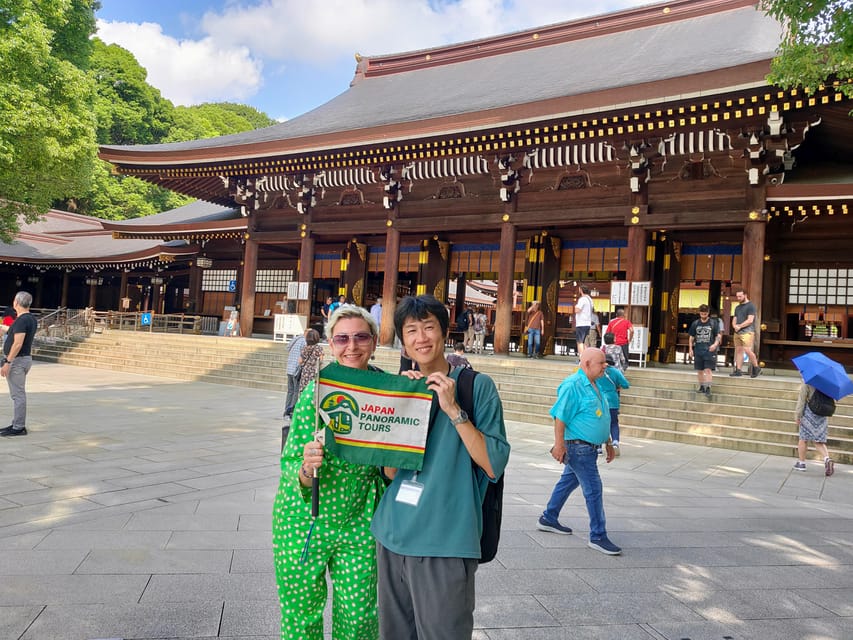
- Meiji Shrine with practical shrine-visit guidance helps you feel respectful without being unsure.
- Asakusa is your “slow down” zone, with time for Nakamise shopping and classic Sensō-ji photos.
- Ichibancha matcha from Uji, Kyoto is included, plus you may have gelato options.
- Coach comfort perks include ventilation, antibacterial coating, and free Wi-Fi.
- Audio headsets support Spanish, French, Italian, German, Portuguese, and Ukrainian.
Morning Tokyo from Shinjuku or Ginza: the ride that actually helps
This tour is built for mornings, starting around 8:00am in central Tokyo. Depending on what you book, you’ll meet either at the Ginza Robert Indiana sculpture area or the Shinjuku Love statue area. Either way, it’s a good setup if you want your Tokyo day to begin with “big picture” orientation before you branch out on your own.
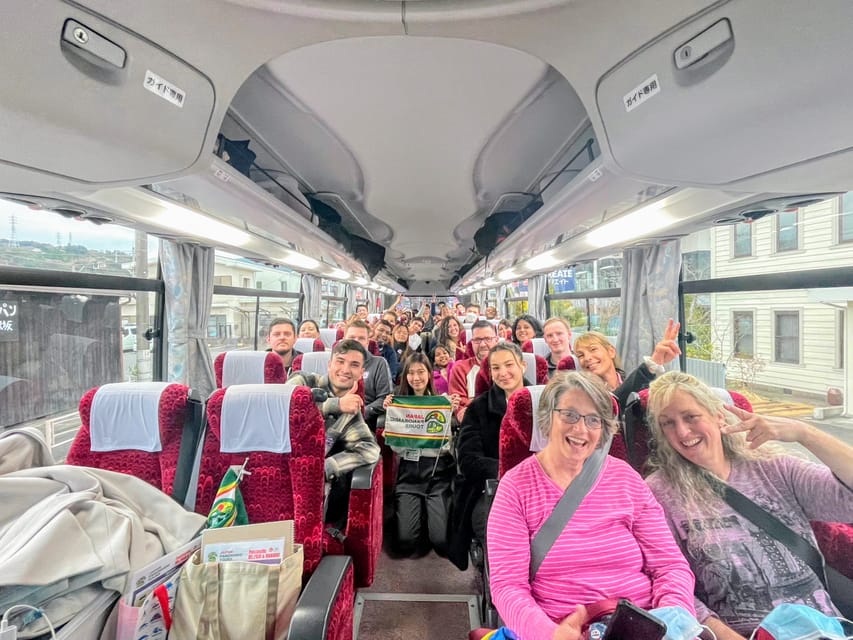
The coach is where this works. You get an air-conditioned ride with free Wi-Fi, plus antibacterial coating and regular ventilation. That matters in Tokyo—morning can still feel warm, and you’ll be sitting for a while as the bus moves between neighborhoods. If you’re new to Tokyo, this kind of route also helps you learn what’s where, so later subway rides feel less like guessing.
Do expect some city driving reality. The order can shift due to traffic or weather. The good news is the guide helps smooth the experience so you’re not left staring at the window wondering what’s next.
You can also read our reviews of more tours and experiences in Tokyo

Meiji Jingu: learning shrine etiquette without feeling like you’re faking it
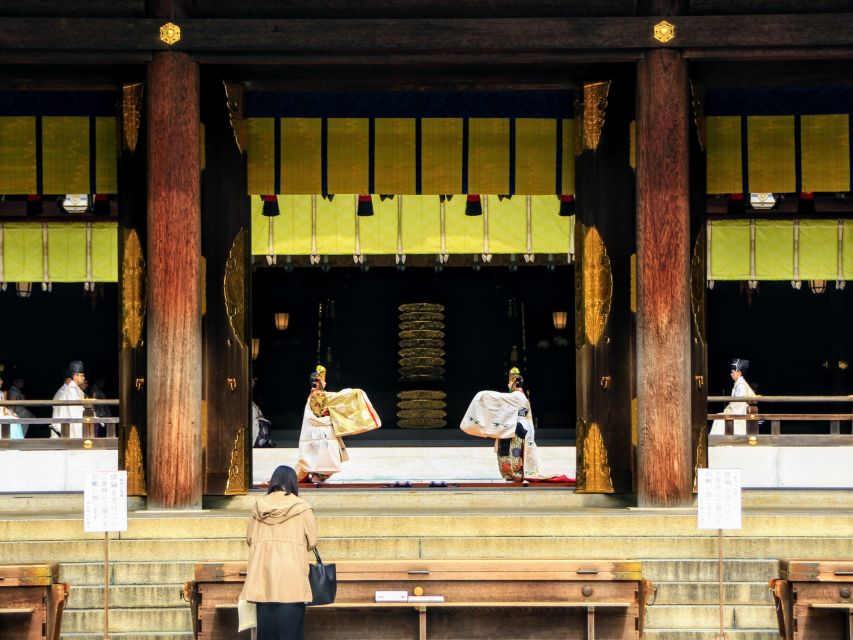
Your first major stop is Meiji Jingu Shinto Shrine, a major name in Japan known for its peaceful forest setting. In practical terms, it’s a break from the city’s noise—one that feels like a reset button. The shrine was built in 1921 and dedicated to Emperor Meiji, and the atmosphere is the point: you’re there to slow your breathing, look around, and follow the moment respectfully.
What makes this stop more than just a photo stop is the instruction. You’ll learn the traditional way of visiting a Shinto shrine, which helps if you’re unsure about what to do with your hands, your posture, or where to stand. I like having this kind of orientation because Tokyo can be intimidating if you don’t read the social cues.
Quick reality check: you’ll still be moving on to the next area after the shrine visit, so wear shoes that can handle uneven ground and time spent standing. Comfortable shoes aren’t a suggestion here—they’re the difference between enjoying the atmosphere and feeling cranky.
Imperial Palace photo time: what you can see in the time you have
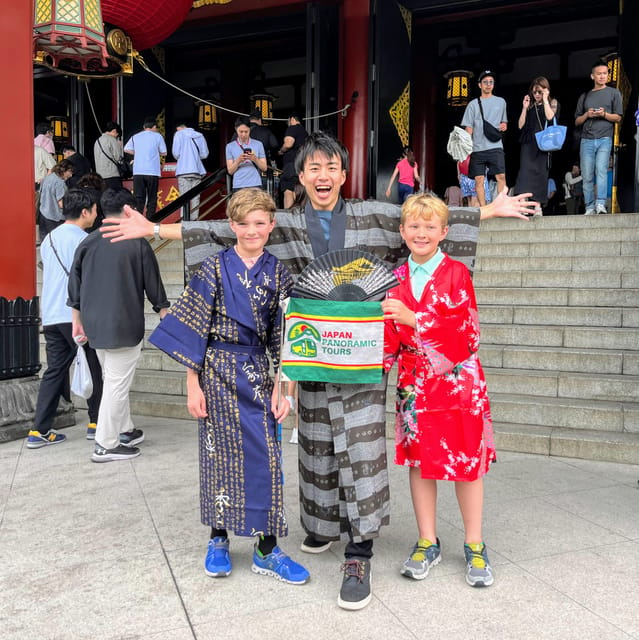
Next up is Tokyo Imperial Palace, with a photo stop at the Outer Garden. You may visit either the East Garden or get views/photo access around Niju-bashi Bridge, depending on operations. Either option is valuable because it gives you a sense of scale and a classic Tokyo landmark without requiring a full half-day detour.
This portion works best if you treat it as a “view and understand” stop. You’ll also get context about Japan’s eras as the bus moves through areas tied to historical Tokyo, including references to the site of Edo Castle. That kind of framing makes the palace area more meaningful when you’re not just snapping pictures.
If you want to linger deeply, this won’t be your longest stop. But for most people, it’s a strong trade: you get landmark access in a tight morning without sacrificing the rest of the day.
Harajuku and Omotesando: pop culture flashes through the window
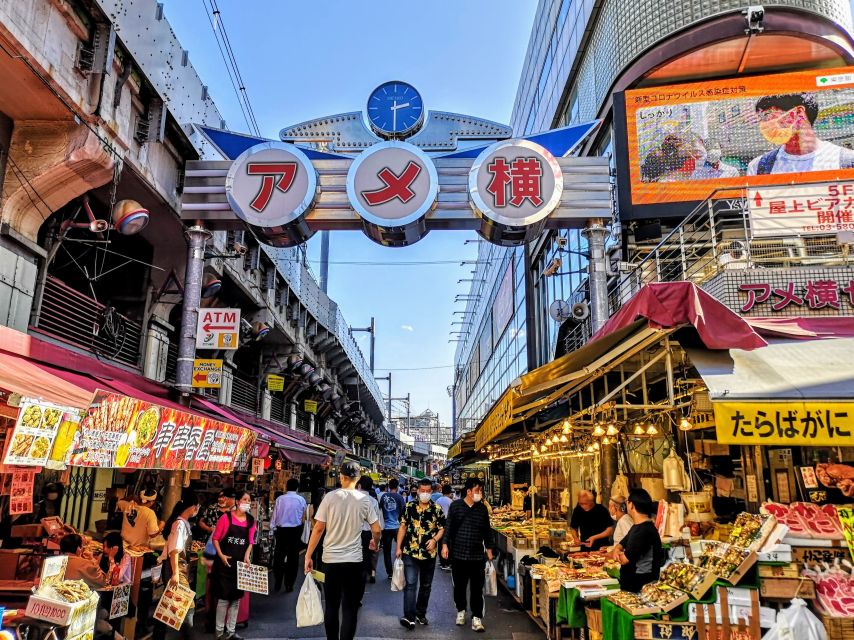
As the bus heads toward the more modern districts, you’ll pass by Takeshita Avenue, closely associated with Harajuku and Japanese pop culture. Then you’ll go near Omotesando, known for upscale shopping and stylish streets.
Even if you’re not a heavy shopper, this section is useful. It shows Tokyo in contrast mode—between centuries-old shrine calm and the aesthetic-forward energy of youth culture and fashion streets. Plus, the bus makes it easy to “sample” neighborhoods without spending your whole morning trying to decide where to wander.
There’s also a notable architectural moment: you’ll pass the National Diet Building (the Japanese parliament house) with its symmetrical design built in 1936. If you like architecture, this is a quick payoff during transit, not an extra stop that eats time.
Akihabara and Ueno: from anime culture to old-school Tokyo walking
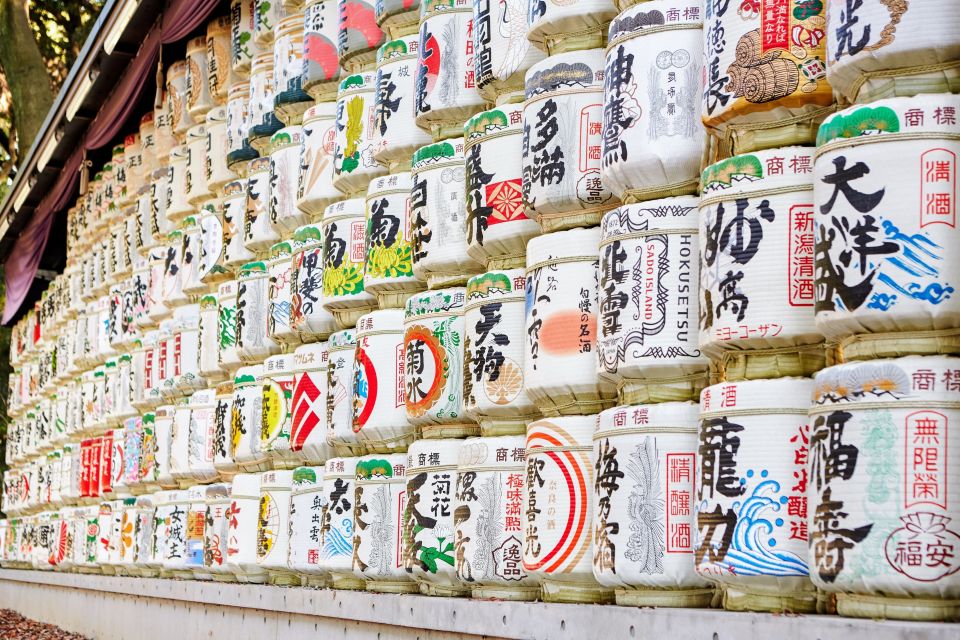
After the palace area, the route swings toward Akihabara, a hub for “otaku” anime and electronics culture. If you love tech gadgets or you’re just curious, seeing Akihabara from the bus window gives you a strong sense of what to expect if you come back later for a longer explore.
Then you’ll go past Ueno, which is known as Japan’s oldest park. Even though you’re not spending an extended block of time inside a museum or park here, the bus passes help anchor the neighborhood in your mental map. You learn which directions and landmarks connect, which makes independent wandering later much easier.
A short stop area worth noting: Kappa-Bashi market street, packed with kitchen items, including knives and kitchenware, plus realistic-looking food replicas. This is one of those Tokyo “only here” zones that can be fun even if you don’t buy anything. You’re looking at the kinds of goods that support the city’s love of food and detail.




Asakusa and Sensō-ji: the morning turns into real street time
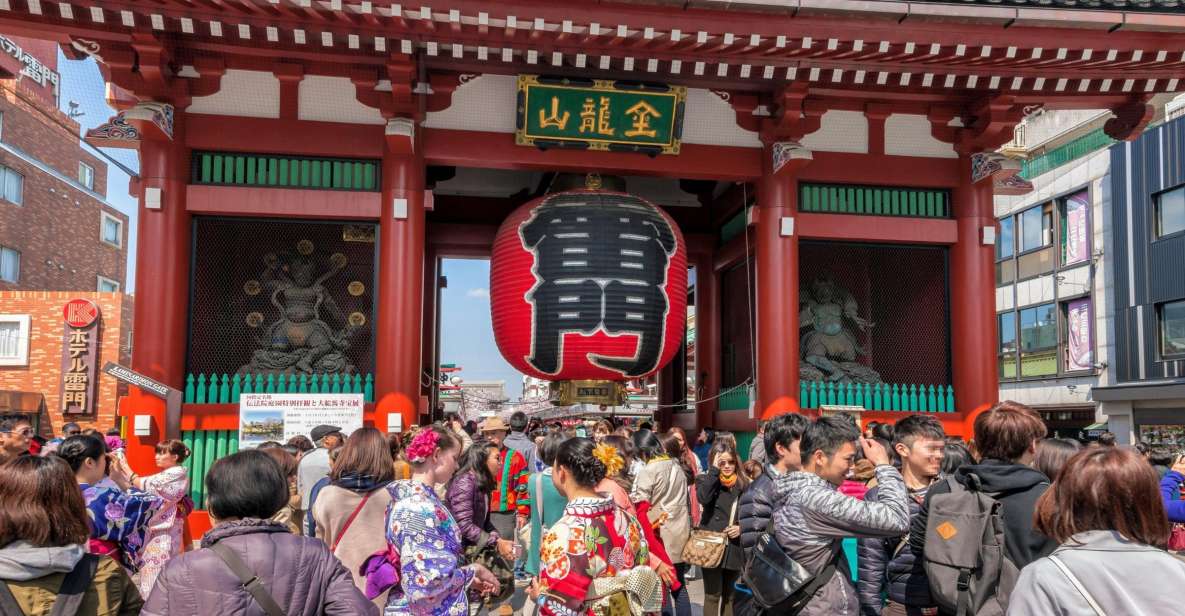
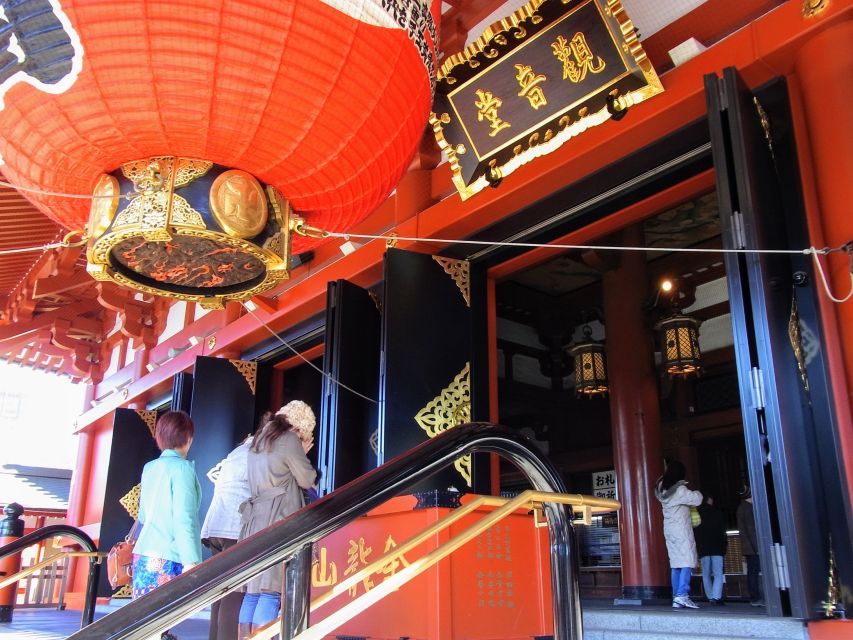
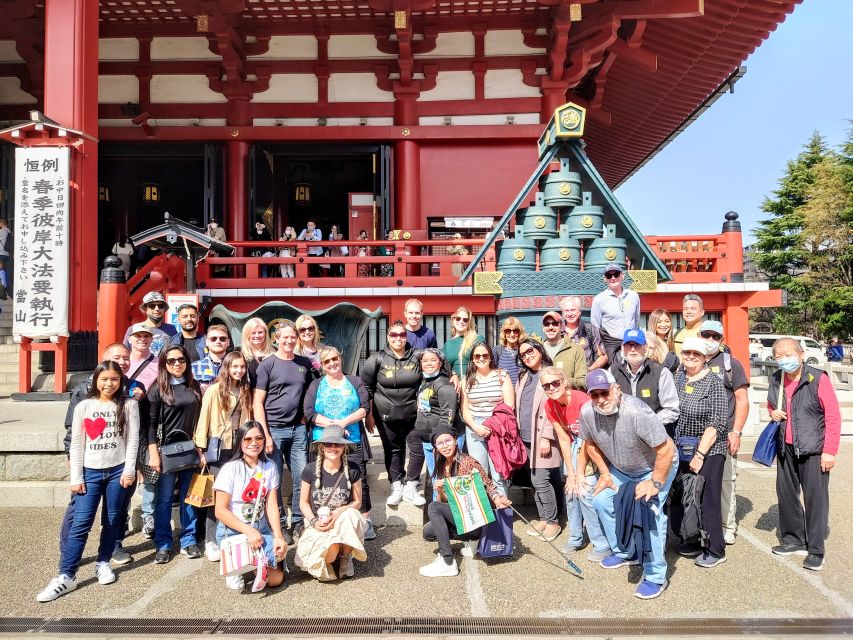
The day finishes in Asakusa at Sensō-ji, and this is the part that feels most like Tokyo “you time.” Here, you get to linger and roam more freely, instead of only rushing from one landmark to the next.
You’ll have time around Nakamise Avenue, the classic shopping street leading toward the temple area. It’s ideal for browsing snacks, souvenirs, and small gifts. And yes, you’ll want your camera ready for the Kaminari-mon Gate, with its iconic red lantern.
What I like about building Asakusa into the end of the tour is that you can leave with momentum. If you get the timing right, you’ll finish the organized bus portion and still have energy to keep exploring on foot.
The matcha experience: Ichibancha from Uji, Kyoto
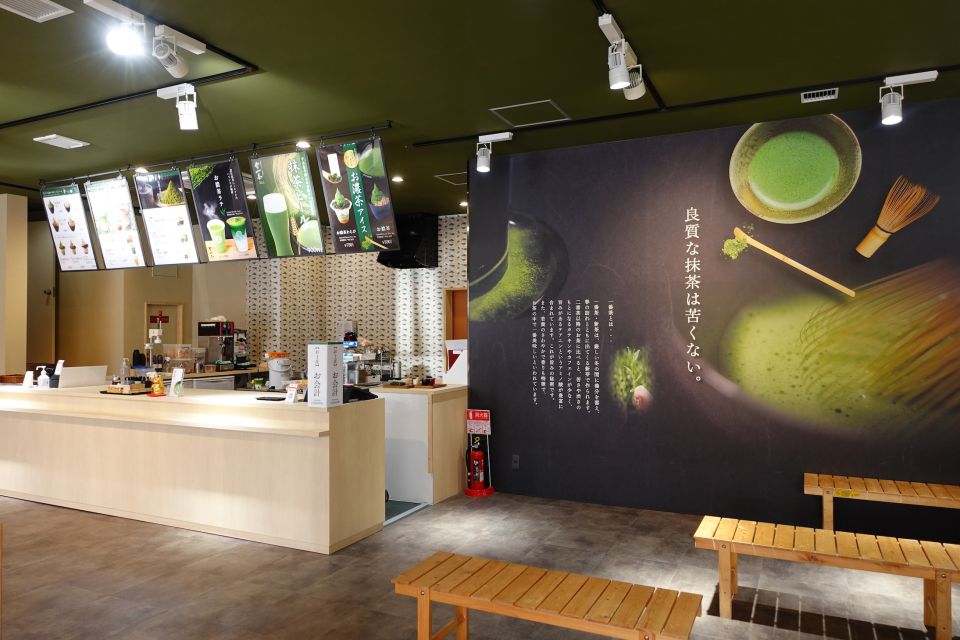
You get an authentic matcha experience as part of the tour. The matcha is described as Not Bitter Matcha Green Tea, labeled premium matcha, made using Ichibancha (first flush) from Uji, Kyoto. That’s a specific detail, and it’s exactly the kind of thing that makes the experience feel intentional rather than generic.
You’ll receive a matcha drink, and there may be options like sweet matcha gelato. (A matcha beer option is mentioned as an option in the experience description, but the included portion clearly covers the matcha drink or gelato.) Either way, it’s a concrete, edible memory, not just another stop where you “look but don’t do.”
Practical tip: even if you’re trying to travel light, you might want a small bag ready for matcha souvenirs. There’s a note that the matcha store can close on May 14th, and in that case souvenirs may be handled differently—but the tour still includes matcha.
Price and value: is $90 worth a morning of Tokyo hits?
At $90 per person for about 210 minutes, you’re paying for three things: organization, narration, and saved time. This isn’t just transport—it’s a guided way to see multiple neighborhoods in one go, including a shrine moment and a matcha tasting.
Where the value comes through:
- You get a live English guide plus audio headsets in several languages.
- You’re covered for major “first-time Tokyo” landmarks, without needing to map a route yourself.
- You receive a included matcha drink (or gelato), so you’re not guessing your budget for food entirely.
What may not suit everyone:
- If you strongly prefer self-paced travel, this format gives you less control over time at each location.
- If you’re on a tight schedule and can’t build an afternoon around Asakusa, plan carefully because there’s no extra drop-off service beyond ending near Sensō-ji.
In plain terms: this is good value if you want Tokyo highlights plus cultural context, and you’re okay trading a little independence for efficiency.
How to make the most of 210 minutes
This is a morning tour, so treat it like a “get your bearings fast” sprint that ends with time to roam. You’ll want to show up ready to walk at least a bit: comfortable shoes are the main item listed, and it’s the right call.
Also:
- Bring a light layer if it’s warm but later cools down.
- If you like shopping, Asakusa is where you’ll likely enjoy it most, because it’s the finishing zone with more room to wander.
Finally, manage expectations about pace. Even with a smooth guide and a comfortable coach, you’ll still feel Tokyo’s morning movement. The guide and audio help a lot with staying oriented, but it’s still a packed run.
Quick logistics: starting points, Wi-Fi, and end-of-day reality
The tour begins in central areas with two starting location options. The most important thing is to confirm which meeting point applies to your booking so you’re not sprinting across Tokyo with a backpack and stress.
You’ll also have free Wi-Fi on the bus, which is great for messaging friends, checking maps for your next move, or saving your favorite photo locations so you can come back later.
The tour ends at Asakusa / Sensō-ji, and the day’s format doesn’t include hotel drop-off. If you have plans that require you to be somewhere else later—like Shinjuku, Shibuya, or a specific dinner reservation—line that up with the fact that you’ll start your afternoon in Asakusa.
Should you book this Tokyo morning coach tour?
Book it if you’re:
- New to Tokyo and want a structured intro to major neighborhoods
- Interested in shrine etiquette and not just taking pictures
- Happy with a paced morning that ends with real street time in Asakusa
Skip it or look for another option if you:
- Hate moving around on a schedule
- Want long, unbroken time at one site (this tour spreads time across many stops)
- Can’t work with an Asakusa ending point
If you fit the first group, this tour is a practical way to see Tokyo’s top highlights efficiently, learn a little cultural grounding along the way, and finish with matcha and temple street energy.
FAQ
How long is the Tokyo morning sightseeing bus tour?
The tour duration is 210 minutes.
Where do I meet, and where does the tour end?
The tour starts at a central Tokyo meeting point that may vary by option, including locations around Ginza (LOVE sculpture) and Shinjuku (LOVE statue), and it ends in Asakusa at Sensō-ji. No extra hotel drop-off is included.
Is there a live guide, and what languages are provided?
There is a live tour guide in English, and audio headsets are provided in Spanish, French, Italian, German, Portuguese, and Ukrainian.
What’s included for food or drinks?
You get a matcha drink or matcha gelato as part of the experience.
Is Wi-Fi available on the coach?
Yes. There is free Wi-Fi on the bus.
What should I bring?
Bring comfortable shoes. Also be ready to handle loading and unloading of your own luggage from the trunk yourself.