REVIEW · TOKYO
Tokyo: Meiji Shrine, Asakusa, Skytree Bus Tour and Cruise
Book on GetYourGuide →Operated by Japan Panoramic Tours · Bookable on GetYourGuide
Tokyo makes sense faster from a coach. In a 10-hour loop, you glide between Meiji Shrine, Asakusa, and Tokyo Skytree, while an English-speaking guide and audio headsets keep the story moving. What I like most is the skip-the-line access to the Tembo Deck and the real-deal matcha moment in Asakusa.
One possible drawback: this is a long day with lots of walking, so your feet need to be ready. If you’re expecting a mostly sit-and-watch tour, this one can feel busy even with air-conditioning on the ride.
In This Review
- Quick hits
- A One-Day Tokyo Hit List Across Three Eras
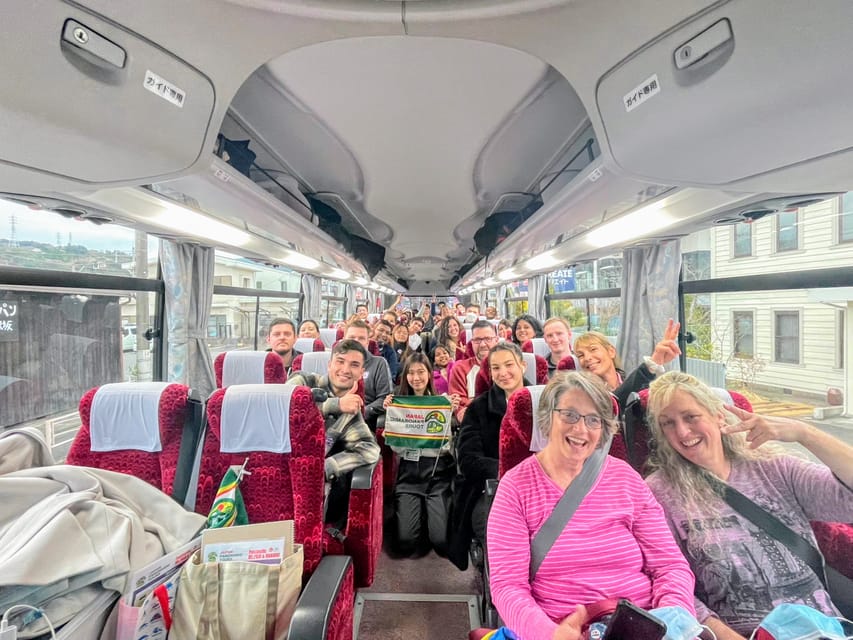
- Meeting in Shinjuku and Riding the Deluxe Coach
- Meiji Shrine: Tokyo’s Forest Reset
- Imperial Palace Area: Edo Roots Without the Big Museum Lines
- Harajuku and the Urban Pass-By: See It Without Clocks Beating You
- Asakusa: Nakamise, Kaminari-mon, and the Perfect Old-City Stroll
- Matcha Experience in Asakusa: Uji First-Flush Flavor
- Lunch as an Izakaya-Style Set Meal (If You Add It)
- Tokyo Skytree: 350 Meters and Skip-the-Line Sanity
- Odaiba and the Rainbow Bridge Cruise: Where the Day Turns Scenic
- When the Cruise Doesn’t Run: Hamarikyu or Fukagawa Instead
- Price and Value: Why $122 Can Make Sense
- How Much Walking This Day Adds Up
- Best For Who, Skip If…
- The Final Verdict: Should You Book This Tokyo Day Tour
- FAQ
- FAQ
- Is lunch included?
- Does the tour include Tokyo Bay Cruise?
- What’s included at Tokyo Skytree?
- Are vegetarian or gluten-free meals available?
- What dietary restrictions should I know about the lunch?
- What languages are available for the audio guide?
Quick hits
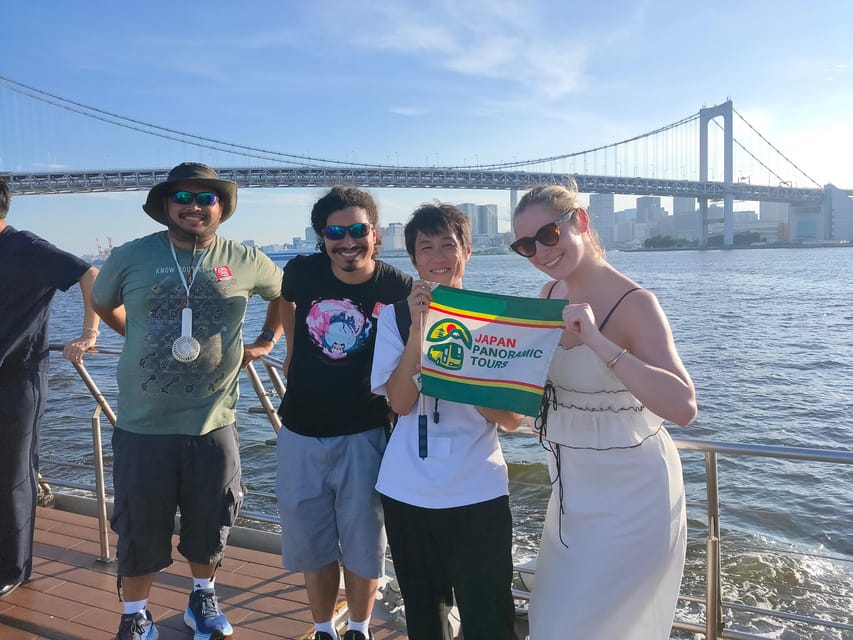
- Skip-the-line Tembo Deck at Tokyo Skytree (350m) for big views without the main hassle
- Uji first-flush premium matcha served in the Asakusa matcha experience
- Asakusa food tasting plus free time near Nakamise and Kaminari-mon
- Tokyo Bay Cruise under Rainbow Bridge on most days, with alternates when it can’t run
- Audio headsets in multiple languages to catch details even when you’re not facing the guide
A One-Day Tokyo Hit List Across Three Eras
This tour is built for people who want the “Tokyo basics” fast: sacred Shinto, classic old-city streets, and modern skyline views. You’ll cover places that normally take multiple days to string together efficiently, especially if you’re mixing first-timers sights with Japanese-food experiences.
The payoff is how the day flows from calm to noise. You start with a forested shrine experience that feels like a pause button, then switch to Asakusa’s street energy, and end with the Skytree and Odaiba waterfront.
You can also read our reviews of more boat tours in Tokyo


Meeting in Shinjuku and Riding the Deluxe Coach
Your day starts around central Tokyo with pickup near Shinjuku (the Love statue) or a Ginza meeting option. You ride in an air-conditioned coach with Wi‑Fi, and you get a professional English-speaking guide plus audio headsets (Spanish, French, Italian, German, Portuguese, Ukrainian).
That matters more than it sounds. When you’re moving across Tokyo all day, good commentary helps you understand what you’re seeing instead of just collecting photos. Guides like Aya, Hiro, Levin, and Sora are often praised for keeping the schedule organized and the explanations clear, which is exactly what you want on a compressed itinerary.
Meiji Shrine: Tokyo’s Forest Reset
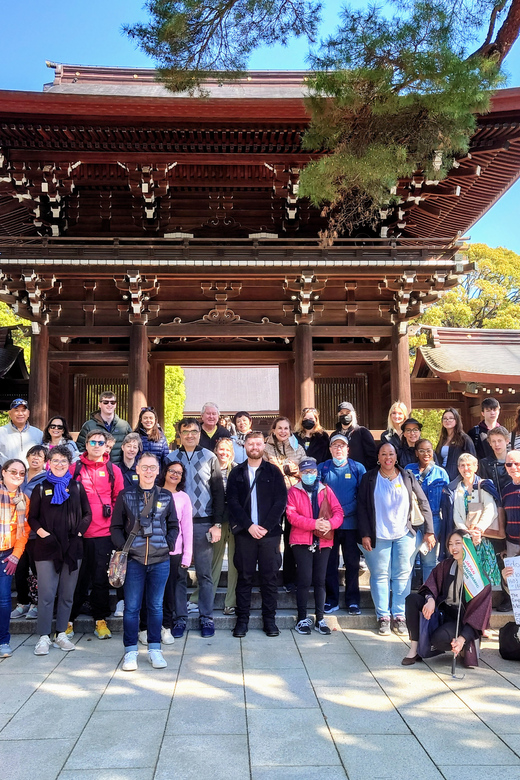
Meiji Jingu Shinto Shrine is the emotional warm-up for the whole day. You’re walking into a shrine complex designed for atmosphere, not crowds-for-crowds’ sake, and the forest setting makes the city noise fade fast.
This stop is about how Shinto space works: approach paths, the rhythm of gates, and the way the grounds are laid out for quiet attention. It’s also a great time to slow down your pace a notch, because later in the day you’ll be moving again.
Practical tip: wear comfortable shoes and plan to spend your energy on the walkways. The shrine is scenic, but you’ll still be standing and walking more than you might expect.
Imperial Palace Area: Edo Roots Without the Big Museum Lines
Next comes Tokyo Imperial Palace. Even if you’re not staring at every building, the outer areas connect you to the city’s older layers—Edo Castle history is part of what you’ll hear.
Your exact stop is either the East Garden option or the Outer Garden route around Niju-bashi Bridge. Either way, you get a photo-friendly landmark moment while the guide explains how Tokyo’s power center shifted over time.
This is one of those stops where speed actually helps. A 30-minute window keeps the day from stalling, and it sets you up for the next change of scenery.
Harajuku and the Urban Pass-By: See It Without Clocks Beating You
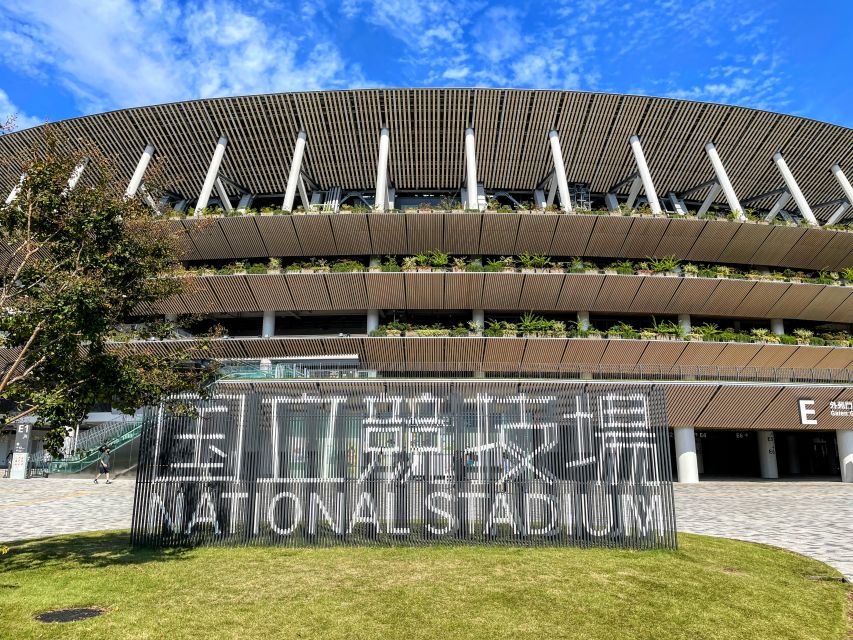
You’ll pass by Harajuku and the Omotesando shopping district, plus you’ll get views from the bus window as you travel through major corridors. There’s also Akihabara and Ueno routing later, plus Kappa-bashi street views (the kitchen-tool area).
These pass-by sections do two jobs:
1) They get you oriented fast about Tokyo’s geography.
2) They help you decide what you might want to revisit on your own.
If your Tokyo plan is tight, this “preview” value is real. You’re not trying to shop everything today—you’re learning where things are so your next day feels smoother.


Asakusa: Nakamise, Kaminari-mon, and the Perfect Old-City Stroll
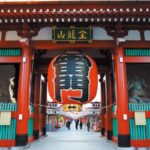
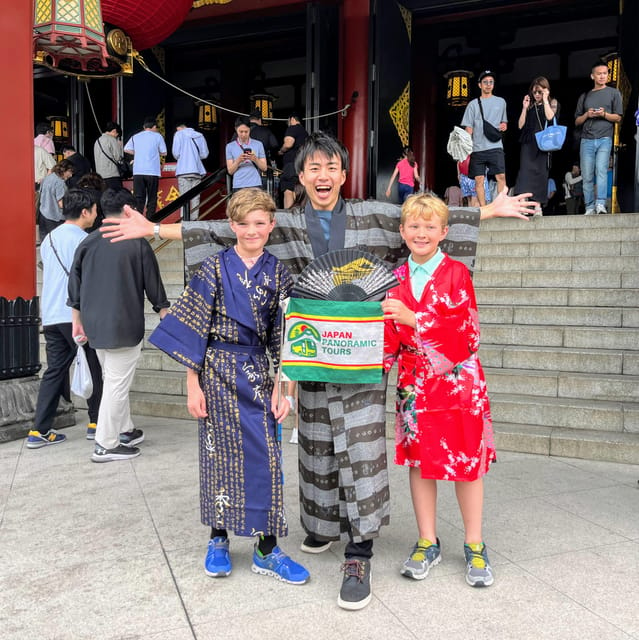
Asakusa is the anchor stop for atmosphere. You’ll head to Nakamise avenue for shopping and snack browsing, then you’ll hit the iconic Kaminari-mon gate with its red lantern look that practically screams photo.
The schedule gives you a food tasting moment early, then either lunch (if you selected it), and then more free time. That structure is useful because it lets you sample without committing to a full sit-down meal right away.
Also, Asakusa is one of Tokyo’s best places for “wander with purpose.” The streets are made for short loops—walk, glance, snack, and duck into side shops.
Matcha Experience in Asakusa: Uji First-Flush Flavor
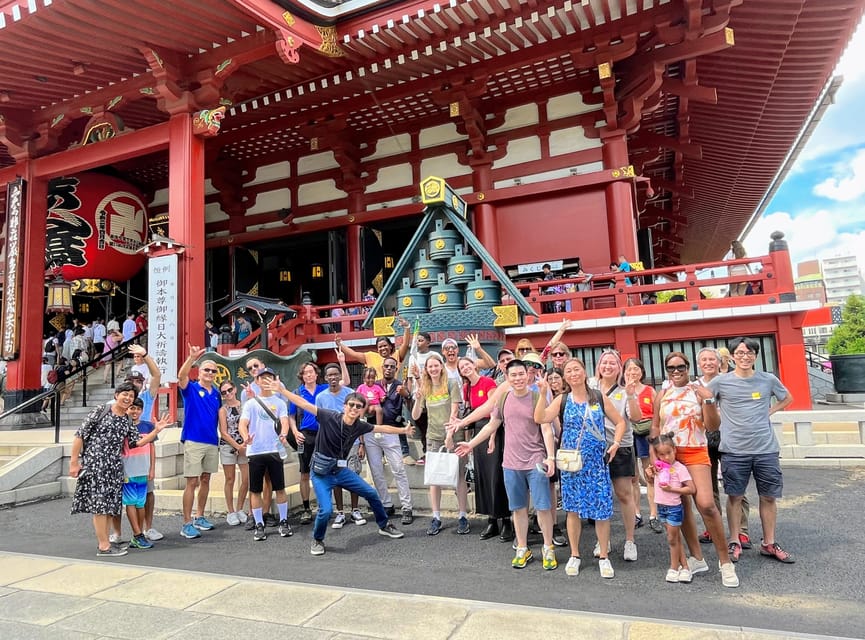
This tour includes a matcha experience that goes beyond a sugary souvenir sip. You’ll get premium matcha made from Ichibancha, the first flush from Uji, Kyoto—often described as a higher-grade style.
You may also have options like sweet matcha gelato or matcha beer (depending on what’s offered day to day). The best part is that you learn how matcha is treated like a craft product, not just a trend.
If you don’t normally order matcha, this is still worth it because it’s paired with context. The guide helps you understand why Uji is famous, and you taste the difference instead of just being told.
Note: the matcha store is closed on May 14, so matcha souvenirs are provided instead of the usual giveaway.
Lunch as an Izakaya-Style Set Meal (If You Add It)
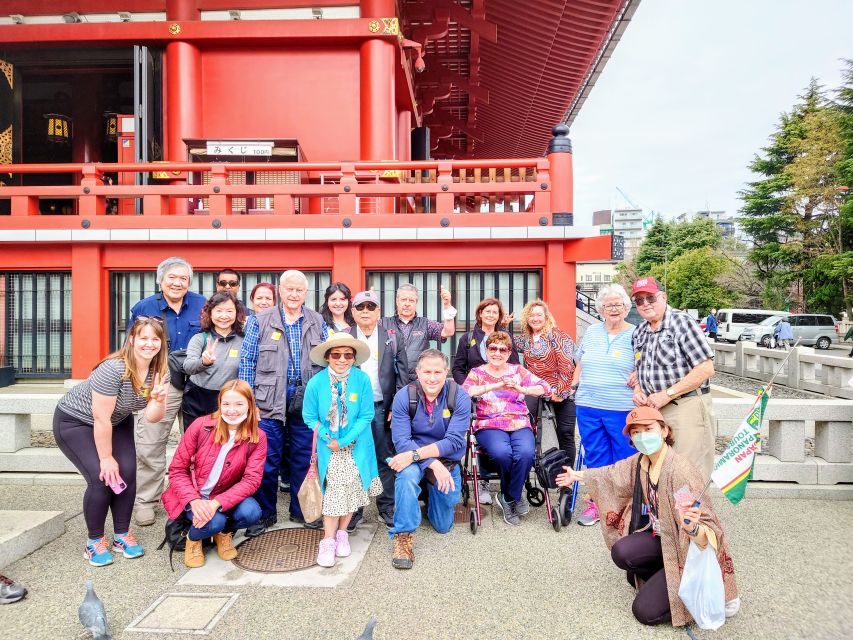
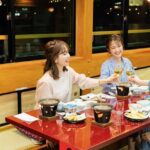
Lunch is offered as a Japanese pub–style set meal in Asakusa. The standard plates include Japanese fried chicken (karaage) and tofu, plus a soft drink.
A key detail for food planning: pork and seafood aren’t used in the main meal. Still, dashi stock contains fish broth, so if you avoid fish entirely, skip lunch and plan your own meal.
They also state that lactose-free, Muslim-friendly, and allergy-friendly meals beyond the listed options aren’t available. If you need vegetarian or gluten-free, you should indicate it at booking. Gluten-free options use grilled chicken, rice, and tofu.
One more practical point: if you add options on the day, you can pay more. It’s smarter to choose what you want in advance.
Tokyo Skytree: 350 Meters and Skip-the-Line Sanity
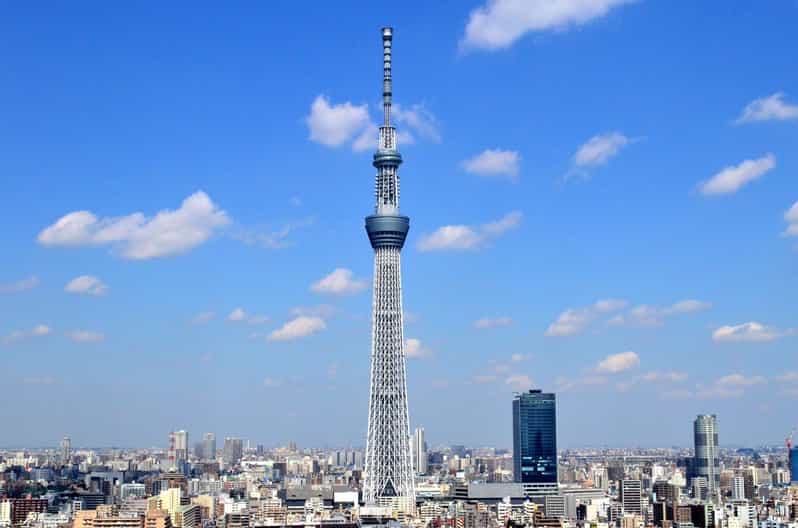
Tokyo Sky Tree is the big-ticket moment, and the included admission to the Tembo Deck is the reason this tour feels efficient. At 350 meters up, the views stretch across multiple city layers—so you can connect what you saw earlier from ground level to what Tokyo looks like from above.
This also tends to be a morale booster near the middle or later part of a long day. After walking through Asakusa streets, going up lifts the whole vibe.
You’ll also visit the Sora-machi shopping complex. You can treat it as a decompression zone—rest your feet, snack, and browse for small souvenirs without dragging it out.
Odaiba and the Rainbow Bridge Cruise: Where the Day Turns Scenic
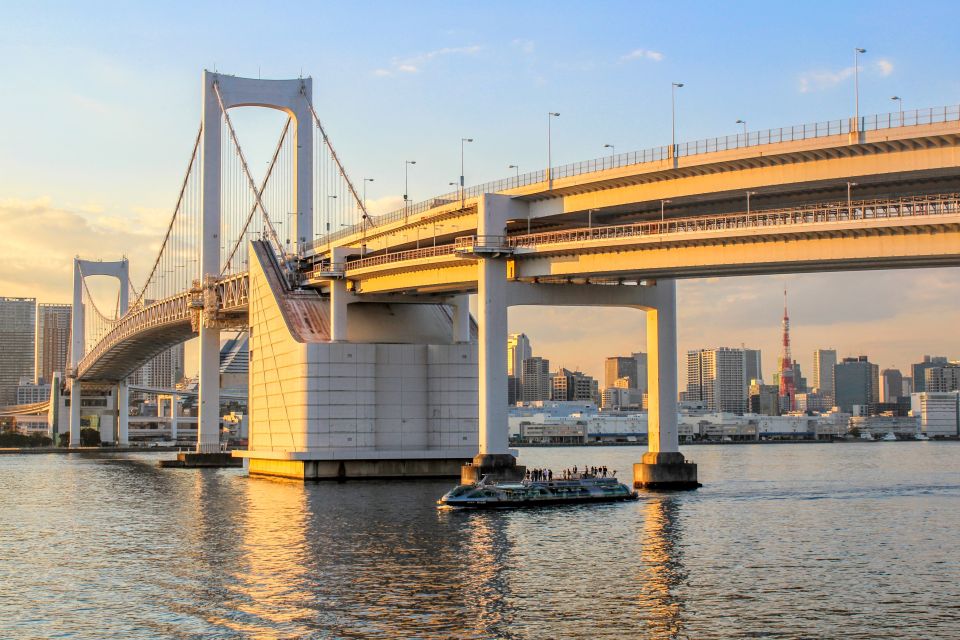
After Skytree, you head toward Odaiba. The route sets you up for the final activity: Tokyo Bay Cruise, usually except on Tuesday.
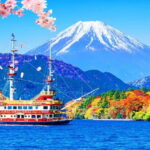
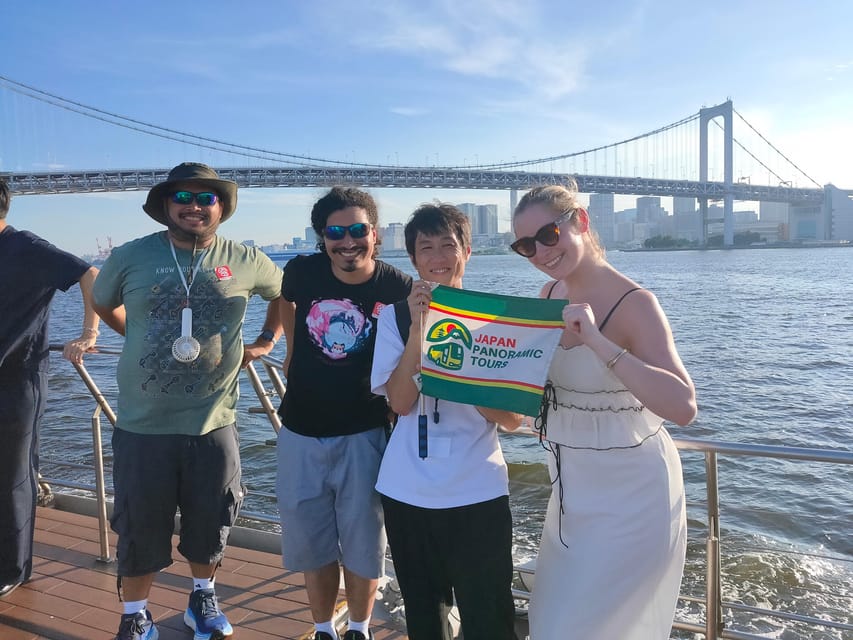
On the cruise, you ride under the gorgeous Rainbow Bridge and look at Tokyo’s skyline from the water. This is a nice contrast to the shrine and street scenes—you get a more open, breathing kind of sightseeing moment.
Timing tip: if the weather is clear, take your time at the railing. The views are the point, and you’ll want a few angles, not just one quick glance.
When the Cruise Doesn’t Run: Hamarikyu or Fukagawa Instead
The cruise can change. On Tuesday, Tokyo Bay Cruise is not included, and the plan swaps to Fukagawa Edo Museum or Hamarikyu Gardens. Separately, sometimes the cruise doesn’t run due to high tide or technical maintenance, and then you visit Hamarikyu Garden or the Fukagawa museum instead.
Worth knowing: no refund is given when the cruise can’t run. So when you’re booking, think of the cruise as a bonus, not the only reason you’re paying.
This replacement matters because it gives you a different Tokyo flavor—gardens or a museum stop—so the day doesn’t collapse even when the bay part changes.
Price and Value: Why $122 Can Make Sense
At around $122 per person for a 10-hour day, you’re paying for convenience plus included attractions. The tour includes:
- Transport by air-conditioned coach and Wi‑Fi
- A professional English guide
- Skip-the-line Tembo Deck entry at Tokyo Skytree
- Tokyo Bay Cruise except Tuesday
- Matcha experience (and optional matcha add-ons depending on what’s offered)
- Optional lunch (if selected)
- Audio headsets in several languages
If you tried to replicate this yourself—Sky Tree tickets, coordinating transit across far-apart neighborhoods, and finding reliable guided commentary—you’d likely spend more time than money. This tour trades some freedom for structure, and that’s a good deal when you only have a short window in Tokyo.
It’s also a good choice if you’d rather spend your energy on sights instead of figuring out transfers all day.
How Much Walking This Day Adds Up
This isn’t a couch tour. Between shrine grounds, Asakusa shopping streets, Nakamise browsing, and Skytree walking inside the complex, your step count can get high. One review even flagged 11,000+ steps as a reality.
The good news: the coach breaks help. You get ride time between zones, plus free time in Asakusa. Still, pack for walking like it’s part of the activity, not an afterthought.
Practical take: bring comfortable shoes and plan for weather. You’ll be outdoors for multiple stretches.
Best For Who, Skip If…
This tour fits you well if you:
- Want a structured Tokyo overview in one day
- Appreciate guided historical and cultural context
- Like the idea of included sky-high views and a food/matcha experience
- Have limited time and don’t want to coordinate transit all day
It’s not a great fit if:
- You need mobility assistance, since it’s listed as not suitable for people with mobility impairments
- You hate walking and standing for long periods
- You have strict allergy needs not covered by the meal options
The Final Verdict: Should You Book This Tokyo Day Tour
Book it if you want a fast, well-organized Tokyo sampler that includes the big visual payoff at Skytree and a matcha + Asakusa food experience. The skip-the-line entry and guided routing make it feel less like planning work and more like sightseeing with guardrails.
Skip it if you already know Tokyo well and prefer building your own day without a fixed rhythm. This one moves by design, and that’s not everyone’s travel style.
FAQ
FAQ
Is lunch included?
Lunch is included only if you select it. The lunch is a set meal with Japanese fried chicken and tofu plus a soft drink.
Does the tour include Tokyo Bay Cruise?
It includes Tokyo Bay Cruise except on Tuesday. Sometimes the cruise may not run due to high tide or technical maintenance, and then you visit Hamarikyu Garden or Fukagawa Edo Museum instead.
What’s included at Tokyo Skytree?
You get skip-the-line admission to the Tembo Deck observation deck (350 meters), plus time to explore Sora-machi.
Are vegetarian or gluten-free meals available?
You can request vegetarian meals or gluten-free meals at booking. Gluten-free meals include grilled chicken, rice, and tofu. If you have serious allergies, the guidance says to book without lunch.
What dietary restrictions should I know about the lunch?
The set meal has no pork and no seafood in the main meal, but dashi stock contains fish broth. The tour notes no nuts and no crustaceans, and it says lactose-free and Muslim-friendly meals aren’t available.
What languages are available for the audio guide?
Audio headsets are available in Spanish, French, Italian, German, Portuguese, and Ukrainian. The live tour guide operates in English.