REVIEW · TOKYO
Tokyo: Hakone Fuji Day Tour w/ Cruise, Cable Car, Volcano
Book on GetYourGuide →Operated by GORYO TRAVEL CO. LTD. · Bookable on GetYourGuide
Fuji in one day is a gamble, but it’s a fun one. This Hakone tour strings together Lake Ashi pirate-boat cruise views, then the sulfur-steam world of Owakudani where you can try the legendary Kuro Tamago (black boiled egg). My only caution: the mountain can hide behind clouds, and strong wind can also affect the cruise or ropeway.
I like that you’re not planning this day from scratch. You ride an air-conditioned coach, follow a set rhythm with a live guide (English/Chinese), and you get tickets for the cruise and ropeway built into the tour.
You also get choices without breaking the day. In the afternoon you can go for Gotemba Premium Outlets or swap shopping for Gotemba hot springs with Fuji views, but plan on warm layers because Hakone weather can feel cooler than Tokyo.
In This Review
- Key Things That Make This Tour Worth It
- Riding From Shinjuku to Hakone: A Day Built for Motion
- Lake Ashi Pirate-Boat Cruise: Fuji Meets Water
- Hakone Ropeway to Mt Hakone: A Different Perspective for the Same Icon
- Owakudani Great Boiling Valley: Volcano Close-Up (and the Smell)
- Kuro Tamago (Black Boiled Egg): The Legend You Can Actually Taste
- Gotemba Premium Outlets or Fuji-Facing Onsen: Choose Your Flavor of Relaxation
- Gotemba Outlets: A Fuji View While You Shop
- Gotemba Onsen Kaikan: Unwind With a Mount Fuji View
- What the Comfort and Live Guide Actually Buy You
- Fuji Visibility, Wind, and the Day’s Real-World Limits
- Price and Value: What $98 Covers (and What You’ll Pay Separately)
- Who This Tour Is Best For (and Who Should Skip It)
- Should You Book This Hakone Fuji Day Tour?
- FAQ
- How long is the Tokyo to Hakone day tour?
- Where does the tour depart from in Tokyo?
- What’s included in the tour price?
- What’s not included?
- Is the tour offered in English?
- How long do you spend at Lake Ashi and the ropeway?
- What do you do at Owakudani?
- Is there a place to shop during the day?
- What is the hot spring option like?
- What should I do if the weather is bad?
Key Things That Make This Tour Worth It
- Pirate-boat cruise on Lake Ashi (about 30 minutes): A classic Fuji-and-water angle, delivered with a fun theme.
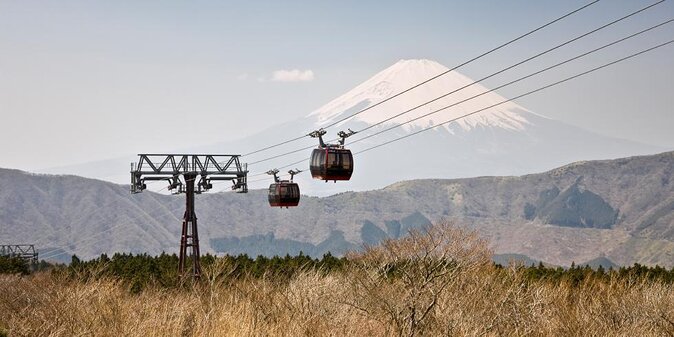
- Hakone Ropeway up Mt Hakone (about 20 minutes): You see Fuji from a different height and angle.
- Owakudani Great Boiling Valley (about 75 minutes): Volcanic sights, sulfur heat, and the Kuro Tamago legend.
- Black eggs are the star snack: Expect boiled-in-sulfur lore plus a quick lunch window.
- Flexible afternoon: Gotemba outlets for shopping and possible Fuji views, or Gotemba Onsen Kaikan for a Fuji-facing soak.
Riding From Shinjuku to Hakone: A Day Built for Motion
The day starts in Tokyo and runs about 10 hours, with a return to Shinjuku scheduled for around 6:00 PM. The big idea is that you’re using a single coach day to hit multiple Hakone zones without the stress of trains, buses, and ticket lines.
You’ll do long scenic drives, but they’re in an air-conditioned bus. Reviews often highlight that these coaches are comfortable and practical for phone-charging on the go, which matters when you’re chasing views that can change by the hour.
One important reality check: the tour’s timing depends on road conditions and traffic, so your exact minute-by-minute order can shift. That’s normal for a day trip, and it’s part of what you’re paying for—someone else manages the schedule while you enjoy the ride.
You can also read our reviews of more boat tours in Tokyo


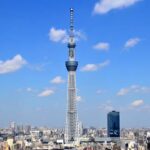
Lake Ashi Pirate-Boat Cruise: Fuji Meets Water
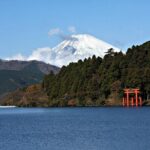
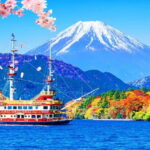
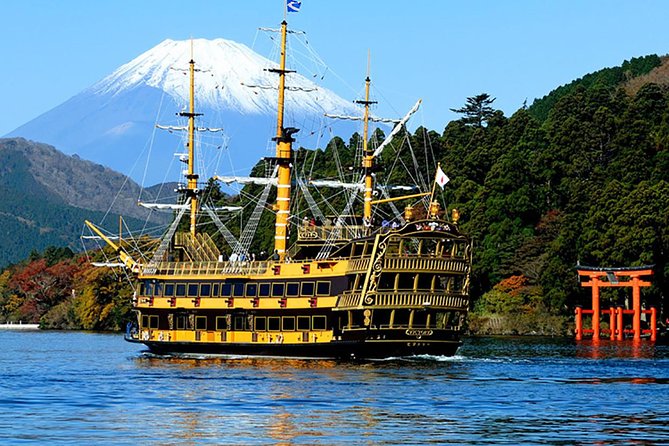
Lake Ashinoko (Lake Ashi) is where this tour starts stacking up the “wow” factors. After a coach ride, you’ll board a well-themed pirate boat for about 30 minutes, which is short enough to stay snappy but long enough to enjoy the water views.
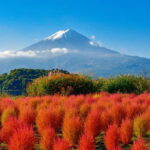
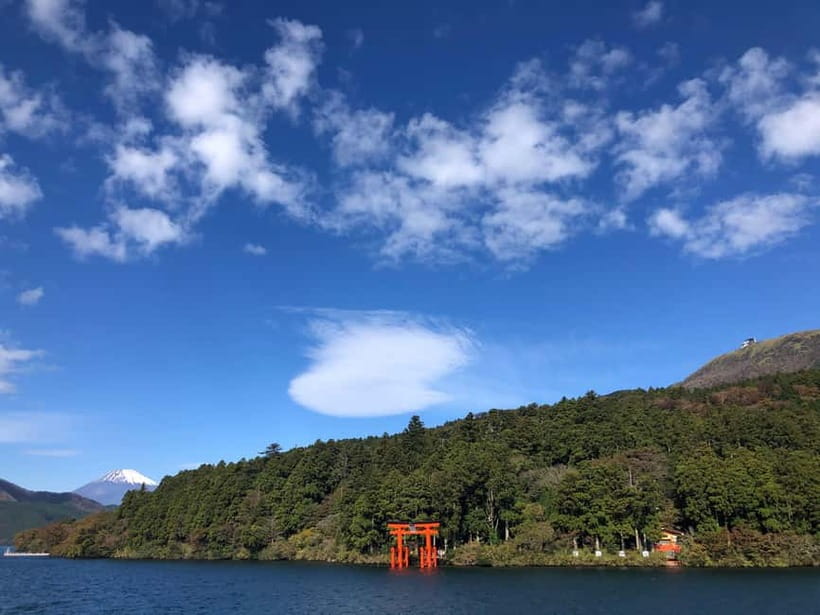
This is one of the best moments for Fuji-style photos, because you’re looking across open space. When conditions are right, you can see Fuji around the lake area; when they’re not, you at least get atmospheric mountain silhouettes and the sense that you’re right at the edge of something big.
Practical note: you’ll want comfortable shoes for boarding and moving around the harbor area. And because the day can be chilly early, dress in layers so you don’t cook yourself on the bus and then freeze on the water.
Hakone Ropeway to Mt Hakone: A Different Perspective for the Same Icon
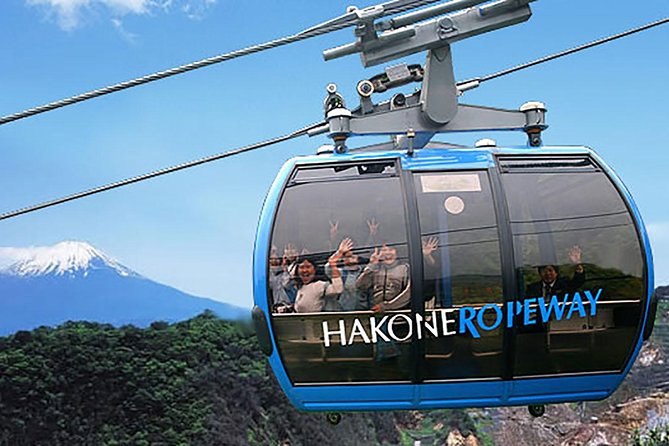
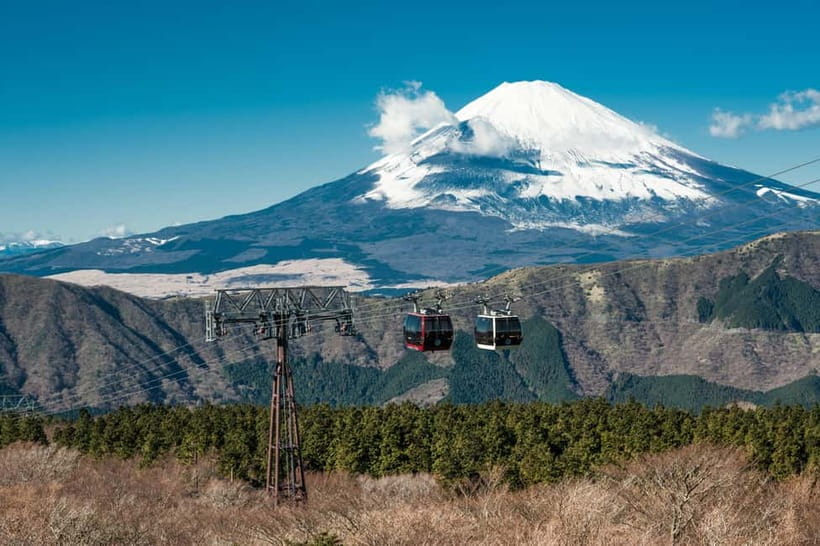
After the lake, you’ll take the Hakone Ropeway up toward the Mt Hakone area for about 20 minutes. This is a key step because it changes your viewing angle—same Fuji obsession, different altitude, and often different weather patterns.
Ropeways can be quick, but they’re not just a thrill ride. They’re a tool: they put you above tree line and buildings so your sightlines open up. If Fuji is going to show itself today, this segment is one of your best shots.
The tour also warns that strong winds can affect whether the ropeway runs. Translation: your day has a plan, but Hakone has weather too.
Owakudani Great Boiling Valley: Volcano Close-Up (and the Smell)
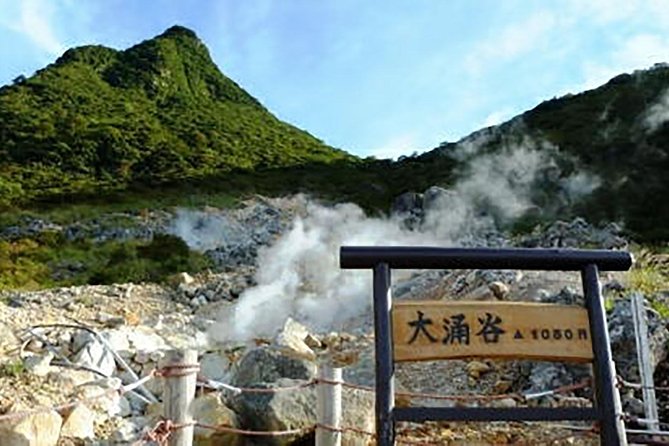
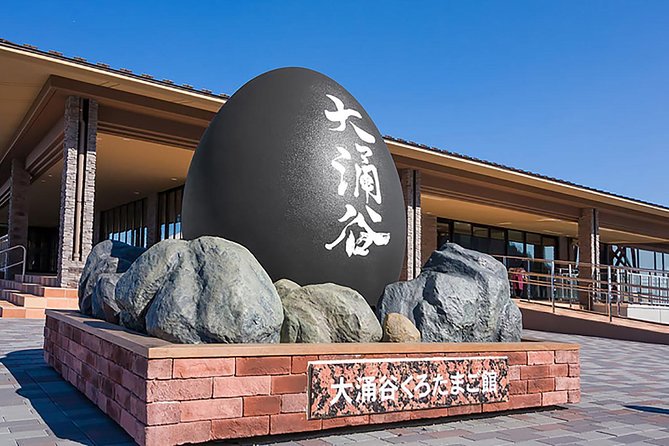
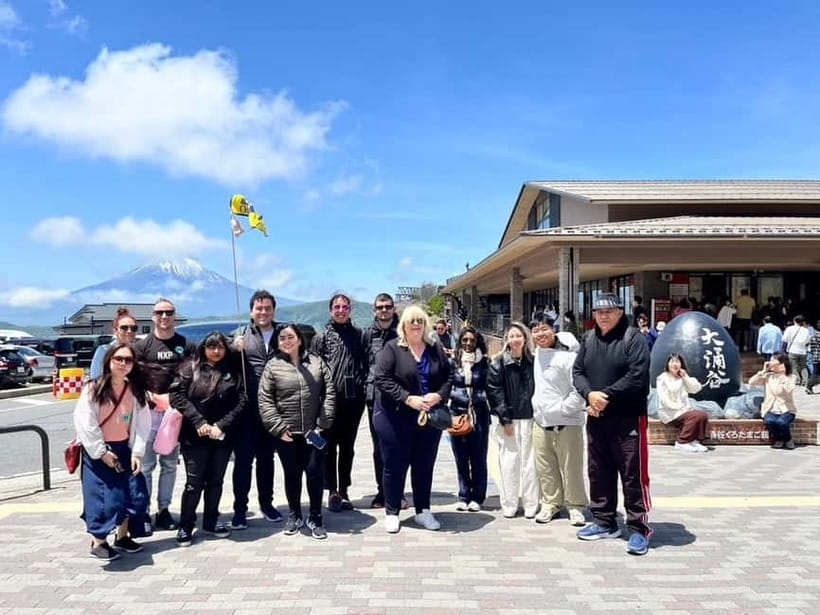
Next comes the real drama: Ohwakudani / Owakudani Valley, the Great Boiling Valley. You’ll get about 75 minutes there for photos, sightseeing, and lunch.
This is an active-volcano environment shaped by eruptions that go back thousands of years. The tour specifically calls out sulfur escaping as part of the volcanic scene, and that matters because you’ll likely notice the environment in more ways than one. Expect a heat-and-sulfur vibe, and plan to take your time with the viewpoints rather than rushing straight to the snack stand.
Kuro Tamago (Black Boiled Egg): The Legend You Can Actually Taste
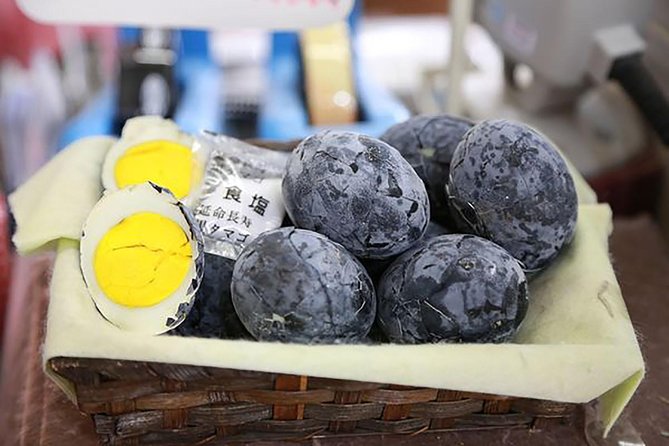
The famous stop is the legendary Kuro Tamago, the black boiled egg. The idea is simple and fun: you eat the egg cooked in sulfur-rich conditions, and the legend says it adds seven years to your life.
Even if you’re not a folklore person, this is a food experience that connects to the place. You’re standing in a volcanic zone and eating something that’s part science, part myth, part tourist ritual that somehow works.
There’s also shopping around this area, plus a lunch window. If you’re trying to keep the day moving, Owakudani is a good place to grab food that matches the setting—rather than waiting until later and getting stuck with whatever’s left.

Gotemba Premium Outlets or Fuji-Facing Onsen: Choose Your Flavor of Relaxation
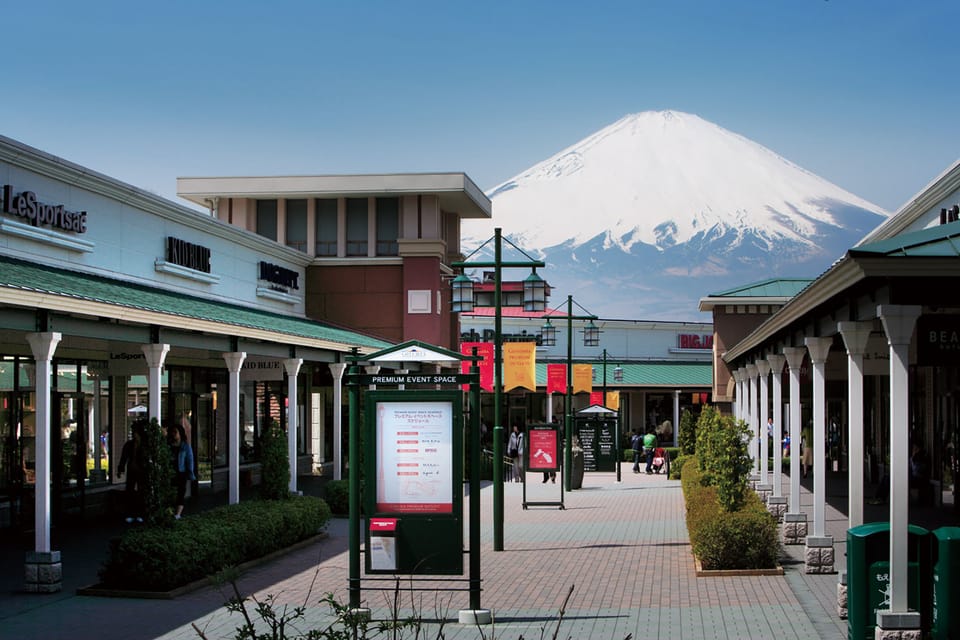
By the afternoon, the tour gives you a trade: shopping time at Gotemba Premium Outlets or hot spring time at Gotemba Onsen Kaikan (about one hour for the onsen option).
Gotemba Outlets: A Fuji View While You Shop
The outlets option is around two hours. Gotemba Premium Outlets is described as one of the largest outlet malls in Japan, and the fun detail is that you can even see Mount Fuji from inside the complex.
This is a good fit if you like practical shopping and want brands and basics without hunting across multiple districts in Tokyo. It’s also an easier way to fill time when the weather isn’t cooperating for Fuji views from the open mountainside.
One caution: outlet mall time can feel fast if you’re not a shopper. If you are, this can feel like free bonus time. If you’re not, pick the onsen and treat the outlets as optional.
Gotemba Onsen Kaikan: Unwind With a Mount Fuji View
If you choose the hot springs, you’ll spend about one hour at Gotemba Onsen Kaikan. The big draw is the chance to enjoy a soak while looking at Fuji—exactly the kind of Japan comfort moment that makes jet-lag feel like it had a point.
Tickets and a towel are not included, so you’ll pay extra on-site for that. Also, plan your timing: if you do the onsen, it can be calmer and less crowded than shopping, which is a nice reset after Owakudani’s intensity.
Hot springs aren’t just a luxury. They’re also a smart recovery strategy for the day: sitting, relaxing your legs, and warming up if the weather turns cooler.
What the Comfort and Live Guide Actually Buy You
This tour includes a live guide and provides transportation in an air-conditioned bus. That matters because this route is not just about scenic stops—it’s about managing a lot of moving pieces in one day.
Many guides who’ve led this circuit (people like Tina, Jeffry, Vicky, Ivan, and Ontabi are all named in past departures) are praised for clear instructions and staying organized. The best guides do two things: they help you understand what you’re looking at, and they help you avoid time-wasting confusion at each stop.
You’ll also get a structured rhythm:
- cruise ticket and ropeway ticket are handled,
- you know when to eat and when to move,
- and you have someone to ask when the weather changes plans.
It’s also worth knowing luggage rules: only one hand carry bag is allowed, and large bags aren’t. If you’re traveling with bigger luggage, you’ll want to plan ahead so your day trip doesn’t turn into bag-sitting.
Fuji Visibility, Wind, and the Day’s Real-World Limits
Let’s be honest: Fuji is weather-dependent. The tour info specifically notes that visibility depends on weather, and multiple points (cruise and ropeway) can be affected if conditions get too windy.
That’s why I treat this tour like a best-chance sampler. You’re not just buying a ticket to see a single mountain peak. You’re buying a day that includes multiple angles—lake, ropeway, volcanic valley, and then either shopping or onsen—so even if Fuji is shy, you still get a real Hakone day.
If Fuji is your number-one objective, keep expectations flexible. Even strong skies can still blur or hide the summit from certain vantage points.
Also, the tour runs in a single-day loop, which means you’ll be moving with time constraints. If you want Hakone at a slow pace, you might later wish you had an overnight. But for a first visit from Tokyo, this is a practical way to experience the core highlights.
Price and Value: What $98 Covers (and What You’ll Pay Separately)
At $98 per person for a 10-hour day trip, the value is in the bundle. The tour includes:
- sightseeing cruise ticket on Lake Ashi,
- ropeway ticket,
- air-conditioned bus transportation,
- and a live guide.
What’s not included:
- food and drinks (you’ll eat at stops, including the lunch window around Owakudani),
- personal expenses,
- and hot spring ticket and towel if you choose onsen.
So you’re paying for transportation plus admission-style pieces plus guided coordination. That’s usually cheaper and less stressful than building the same day yourself—especially when you factor in the time you’d spend researching, lining up, and rebooking if weather changes.
Who This Tour Is Best For (and Who Should Skip It)
This tour is a good match if you want:
- a structured day outside Tokyo,
- classic Hakone sights in one go,
- and a mix of scenery plus a relaxing end (onsen) or a fun shopping payoff (outlets).
It’s also good for people who don’t want to translate and troubleshoot transport on their own while chasing views.
It may not suit you if you have heart problems or respiratory issues, since the day includes active sightseeing and time in different environments. Also, if you’re not comfortable with cold/warm swings and walking around viewpoints, pack smart and take breaks when needed.
Finally, if you hate shopping malls, don’t feel pressured to choose outlets. The onsen option exists for a reason.
Should You Book This Hakone Fuji Day Tour?
If you want one day that hits Lake Ashi, the Hakone Ropeway, the volcanic Owakudani area, and then gives you a real finish at either Gotemba outlets or an onsen, I think this tour is a strong buy. It’s efficient, guided, and built around the kind of “variety in one day” that works well for Tokyo-based trips.
Book it if:
- Fuji is important, but you can handle clouds or wind affecting views,
- you want comfort and organization without DIY logistics,
- and you like the idea of black eggs, volcanic scenery, plus either shopping or hot springs.
Skip it if:
- you need guaranteed Fuji summit views,
- you dislike shopping enough that you’d resent a two-hour outlet block,
- or you want a slow, deep Hakone day (because this one is designed to move).
FAQ
How long is the Tokyo to Hakone day tour?
The tour runs for about 10 hours, and you return to Shinjuku around 6:00 PM.
Where does the tour depart from in Tokyo?
You’ll depart from Shinjuku, with meeting points that may vary depending on the option booked.
What’s included in the tour price?
The package includes the Lake Ashi sightseeing cruise ticket, the Hakone Ropeway ticket, air-conditioned bus transportation, and a live guide.
What’s not included?
Food or drink, personal expenses, and hot spring ticket and towel (if you choose the hot springs option) are not included.
Is the tour offered in English?
Yes. The live tour guide speaks Chinese and English.
How long do you spend at Lake Ashi and the ropeway?
Lake Ashi cruise time is about 30 minutes, and the ropeway time is about 20 minutes.
What do you do at Owakudani?
You’ll have a photo stop and time to visit the Great Boiling Valley area, usually with lunch included in the Owakudani window, plus chances to shop and try local items like Kuro Tamago.
Is there a place to shop during the day?
Yes. You have an afternoon option to visit Gotemba Premium Outlets for around 2 hours.
What is the hot spring option like?
You can choose Gotemba Onsen Kaikan for about 1 hour. The hot spring ticket and towel are not included, and you can often enjoy views of Mount Fuji.
What should I do if the weather is bad?
Visibility depends on weather. If weather is too bad and the tour must be canceled, you’ll be informed on or before 2:00 PM the day before. The itinerary may also change if the cruise or ropeway can’t operate due to strong wind.