REVIEW · TOKYO
Mochi Sweets Making Class in Tokyo
Book on Viator →Operated by ankotopia WAGASHI School · Bookable on Viator
Mochi dough is a lot more fun than it sounds. In a private residence near central Tokyo, you’ll learn how to make Japanese mochi from glutinous rice flour, then shape favorites like strawberry daifuku (with other fruit when needed) and more, with cultural context from Satoko San. I also like that the class is practical: you’ll leave with downloadable recipes plus photos and video from your session.
One thing to consider: this is held in a home with two short hair cats that stay in the bedroom during class, so if you have a strong cat allergy, you’ll want to think twice.
In This Review
- Key Points at a Glance
- Why Learn Mochi at a Private Tokyo Residence
- What You’ll Make: Daifuku, Dango, Warabi-mochi, Isobe-mochi
- The Step-by-Step Flow (Plus Photos, Video, and Tea Time)
- Plant-Based Mochi You Can Recreate After the Trip
- Price and Value: What $75.12 Buys You
- Getting There from Central Tokyo and Using Time Before/After
- Small Practical Notes: Cats, Language, and Family Suitability
- Should You Book Mochi Sweets Making Class in Tokyo?
- FAQ
- How long is the Mochi Sweets Making Class?
- Do I need to bring ingredients or cooking supplies?
- What mochi sweets will I learn to make?
- Is the class vegetarian or vegan friendly?
- Is it a private class or shared group?
- Can I cancel and get a full refund?
Key Points at a Glance
- Hands-on wagashi skills: you’ll make several mochi styles, not just one.
- Cultural framing: history and different ways to eat mochi are part of the lesson.
- Plant-based by design: vegetarian-friendly with vegan options.
- Real tasting + take-home box: enjoy your mochi with green tea or hojicha, then pack it up.
- Private experience: only your group participates, with extra privacy if your group is over 3 during off-peak times.
Why Learn Mochi at a Private Tokyo Residence
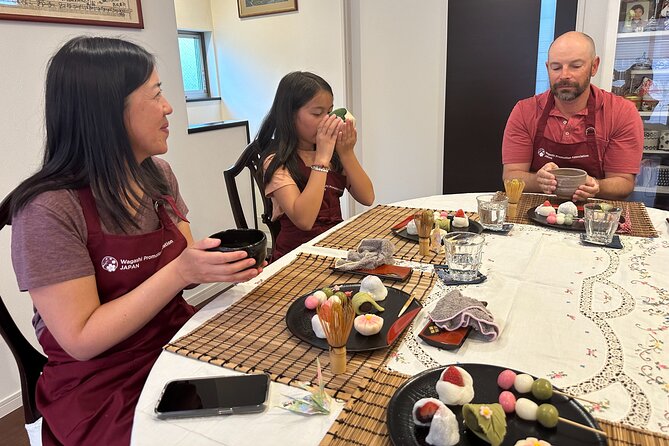
If you like your Tokyo experiences to feel human-sized, this class works. Instead of a big storefront workshop, you meet in a quiet residential neighborhood in Ota City, about 15 minutes from central Tokyo by train or car. The vibe is relaxed and cozy, which matters because mochi-making is hands-on and a bit sticky. You want a calm space where you can take your time and make fewer panicked messes.
You also get a very “Tokyo local life” advantage. The meeting area is close enough to the city that you can still see sights, but far enough that you can slow down. After class, you can browse nearby shops and supermarkets, pop into cafes, check out a shrine, and even work in a famous public bath if your schedule allows. That’s a nice way to turn one sweet-making activity into a half-day Japan routine.
You can also read our reviews of more tours and experiences in Tokyo


What You’ll Make: Daifuku, Dango, Warabi-mochi, Isobe-mochi
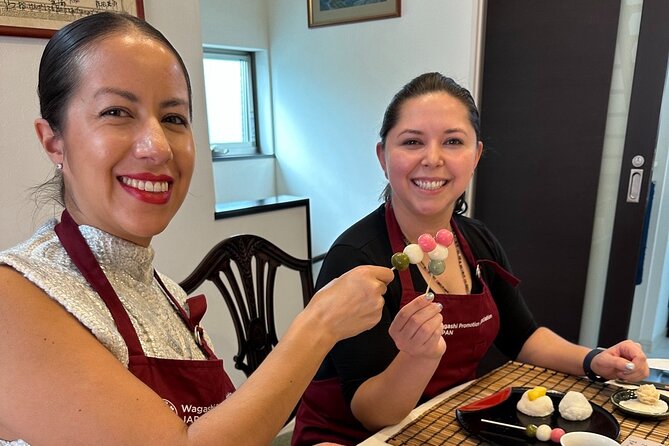
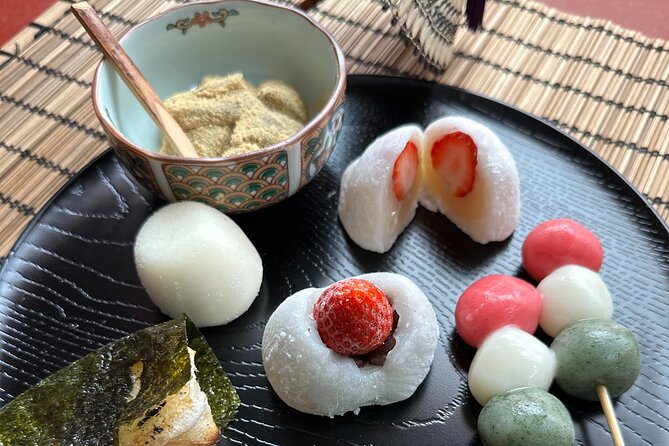
This isn’t a single-recipe class. You’ll learn mochi using glutinous rice flour, then build multiple desserts around it, including:
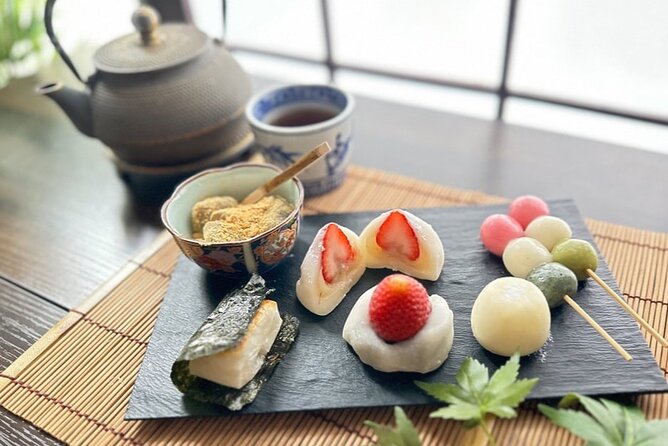
- Strawberry daifuku (or other fruit when strawberries aren’t in season—options like pineapple or kiwi are used instead)
- Dango made as mochi balls on skewers, with several flavors
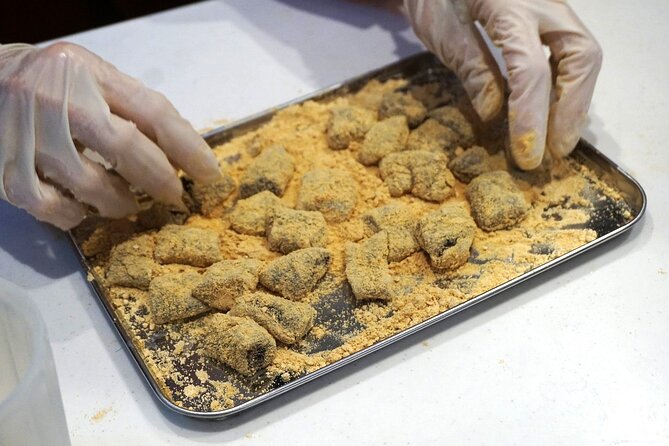
- Warabi-mochi, a mochi style you’ll likely recognize from Japanese snack spots
- Isobe-mochi, another classic variety that’s less common outside Japan
The fruit swap is a small detail, but it’s smart. When the season changes, your class still delivers the same idea—fresh flavor, clean presentation, and the right texture. You don’t leave with a “we couldn’t do that” experience.
You’ll also learn how to make mochi-ice cream. Even better, the mochi-ice cream recipe is downloadable, so you can try it again later without guessing measurements.
The Step-by-Step Flow (Plus Photos, Video, and Tea Time)
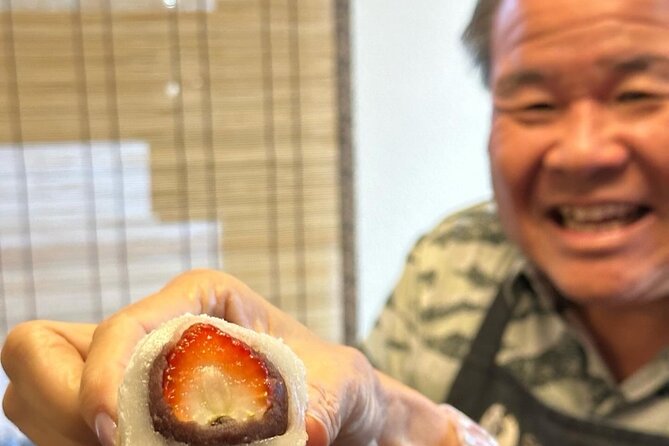
The class runs about 1 hour 30 minutes, and the structure is built for learning by doing. You don’t need to bring anything—apron, hand towel, special tools, and water are provided. That removes a lot of friction, especially if you’re traveling light or you’ve already had a long day of trains.
Because it’s private for your group, you’ll be able to go at your own pace. The class is described as step-by-step and solo- and family-friendly, which lines up with how mochi really works: speed comes later. First you learn handling. Then you learn shaping.
A big part of the value is the tasting moment. After you make your creations, you’ll eat what you made—including mochi-ice cream—with Japanese green tea or hojicha (roasted green tea). That pairing isn’t just decorative. Tea cuts sweetness and helps you notice texture, which is the whole point with mochi.
Also, you can get portrait photos and videos taken during the class. I like this because it means you’ll actually have memories that match what you did, not just blurry action shots after the fact. You’ll even receive a special box to take your mochi home.
Plant-Based Mochi You Can Recreate After the Trip
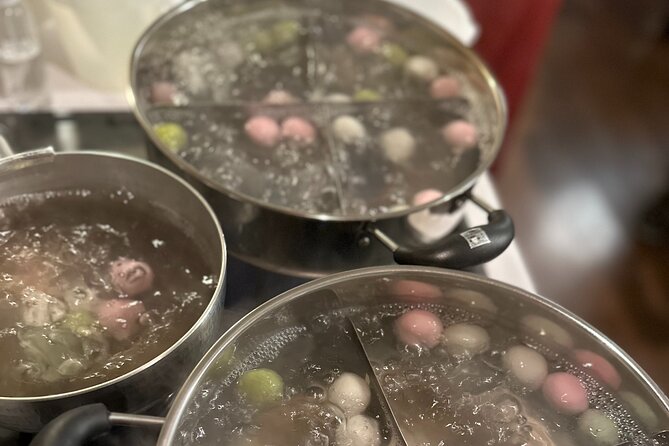
One of the smartest things here is that the ingredients are described as plant-based products, with vegan options available. If you follow a vegetarian or vegan diet, that’s a major practical win in Japan, where “no meat” can sometimes be unclear at workshops unless they specify options.
The class also emphasizes recipes that you can repeat later. You’ll get a downloadable easy recipe (and a separate downloadable mochi-ice cream recipe), and you’ll learn techniques that are meant to be doable with ingredients you can find back home. That’s a different kind of souvenir: not just a box of sweets, but a skill you can use again.
There’s also a cultural layer that makes the cooking stick. You’ll hear about mochi history and how mochi connects to Japanese tradition, plus various ways to eat mochi. When you understand the “why,” the “how” is easier to remember—and you’ll be more confident making it at home.
Price and Value: What $75.12 Buys You
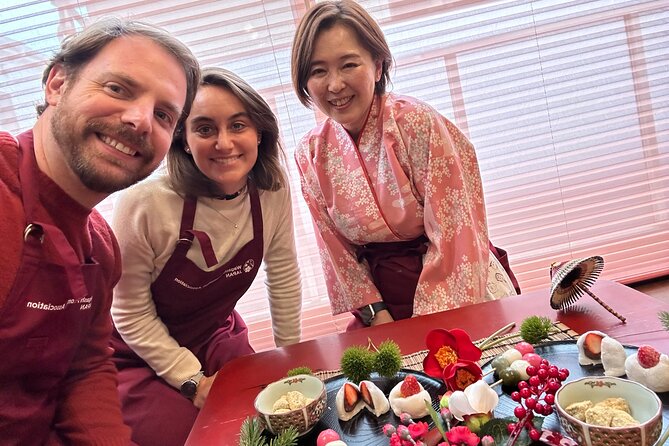
At $75.12 per person for roughly 1.5 hours, this sits in the midrange for hands-on Tokyo food classes. The best way to judge value isn’t by the time alone—it’s by what’s included and what you take home.
Here’s what you’re getting that justifies the cost:
- Tools, apron, hand towel, and special wagashi tools are included (no shopping list)
- Tea and tasting are included
- A special takeaway box is provided, so you’re not just eating on the spot
- You get portrait photos and videos
- The class includes cultural teaching, not only technique
- Ingredients are framed as plant-based, with vegan options available
One more value angle: it’s a private experience. For groups larger than 3 people, during off-peak season it becomes a private lesson with no extra cost (as described). If you’re traveling with friends or family, that can turn the per-person price into something closer to a group deal.
Also, the average booking lead time is 42 days. That suggests it’s popular or limited by schedule. If you want a specific date, don’t wait until the last minute.
You can also read our reviews of more tours and experiences in Tokyo





Getting There from Central Tokyo and Using Time Before/After
The meeting point is 20-15 Kitaminemachi, Ota City, Tokyo 145-0073, Japan, and the location is near public transportation. The activity ends back at the meeting point, so you’re not stuck with a mystery transfer plan.
Since it’s about 15 minutes from central Tokyo, you can plan it in a day that also includes other neighborhoods. I’d treat it like this: arrive with an easy schedule, then let the time around the class become your mini Tokyo outing.
Before or after the lesson, you can explore local places like:
- shops and supermarkets
- cafes
- a shrine
- a nearby public bath
This is a great fit if you’re tired of cramming Tokyo into just famous blocks. You get to see daily-life Japan for a couple of hours without turning it into a whole project.
Small Practical Notes: Cats, Language, and Family Suitability
The most important practical note is the cats. There are two short hair cats in the home, and they stay in the bedroom during the lesson. If you have a strong allergy, you should avoid this booking.
On the people side, this class is described as solo and family friendly. That’s consistent with the teaching style being step-by-step and patient, with a format that works for different ages. If you’re bringing kids, expect a learning-and-laughs kind of workshop rather than a silent culinary lab.
Language is another advantage. The reviews mention perfect English, which is a big deal in a hands-on class. You’ll want to understand cues like dough texture, timing, and how to shape each mochi type. Clear instruction reduces wasted attempts and boosts the odds you’ll leave with a few sweets you genuinely feel proud of.
Finally, don’t forget you’re getting a mobile ticket. Bring it up on your phone when you arrive.
Should You Book Mochi Sweets Making Class in Tokyo?
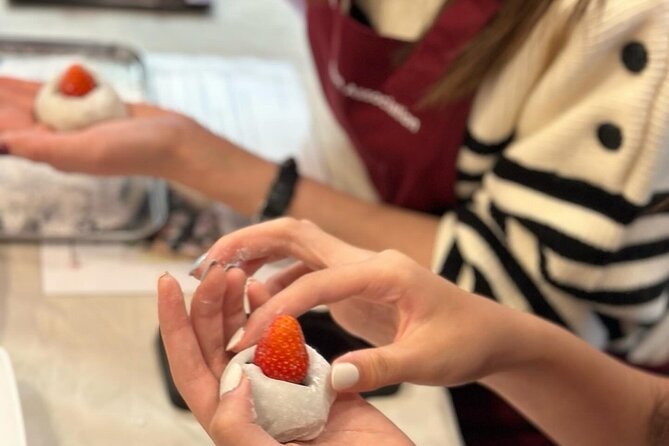
Book it if you want a Tokyo food experience that’s practical, personal, and repeatable. The big draws for me are the mix of mochi styles (daifuku, dango, warabi-mochi, isobe-mochi), the fact that ingredients are plant-based with vegan options, and the hands-on structure that fits beginners. The tea tasting and takeaway box make it feel like more than a demo.
Pass or think twice if:
- you have a strong cat allergy (even if cats stay in a bedroom during class)
- you hate sticky, hands-on cooking activities
- you want a purely sightseeing schedule with no home-based experience
If you’re on the fence, choose it as an early highlight in your Tokyo trip. It’s the kind of class that gives you something to bring home: sweets, stories, and techniques you can actually use.
FAQ
How long is the Mochi Sweets Making Class?
The class lasts about 1 hour 30 minutes.
Do I need to bring ingredients or cooking supplies?
No. Everything is provided, including an apron, hand towel, special tools for wagashi making, drinking water, and a takeaway box.
What mochi sweets will I learn to make?
You’ll learn mochi using glutinous rice flour, then make strawberry daifuku (or other fruit when strawberries aren’t in season), several flavors of dango, warabi-mochi, and isobe-mochi. You can also get a downloadable mochi-ice cream recipe.
Is the class vegetarian or vegan friendly?
The class uses plant-based products and is appropriate for vegetarians. Vegan options are available.
Is it a private class or shared group?
It’s a private tour/activity where only your group participates. If your group is more than 3 people during off-peak season, it becomes a private lesson with no extra cost.
Can I cancel and get a full refund?
Yes. There is free cancellation up to 24 hours before the experience’s start time for a full refund.
If you want, tell me your travel dates and group size and I’ll help you figure out a good time slot in your Tokyo day and what to pair it with nearby.