Tokyo at night is a different city. This 2-hour private night e-bike ride strings together major landmarks and a few calmer corners so you can see more without walking all over town. I like that the bike rental is handled for you, and I also like the human touch: your guide adds commentary as you glide past places like Shibuya Crossing and Tokyo Tower. One thing to consider is that the tour is best with moderate physical fitness and good weather, since it’s riding time the whole way.
You’ll start in Shibuya and end near Tokyo Station, with a guided route that keeps stops short so the ride stays smooth and the pacing stays sane. The highlights are big-name icons, but the tour format makes them feel less like a checklist and more like a guided evening stroll—just faster.
In This Review
- Key Things You’ll Notice on This Night E-Bike Tour
- The Smart Value of a 2-Hour Tokyo Night E-Bike Plan
- Starting at the Bell of Peace (and Why 6:00 pm Fits)
- Yoyogi Park, Harajuku, and Shibuya Crossing After Dark
- Japan National Stadium and Aoyama Cemetery: Sports Meets Serenity
- Roppongi Hills Shops and Restaurants: Upscale Tokyo in Motion
- Tokyo Tower Up Close: The Post-War Power Symbol
- Zojo-ji and Imperial Palace: Sacred Tokyo Near Iconic Streets
- Tokyo Station Finale: Easy Train Exit, Less Evening Stress
- What’s Included (and What You’ll Want to Bring)
- Price Breakdown: Is $147.80 Worth It?
- Who This Tour Fits Best (and Who Might Want Something Else)
- Should You Book This Tokyo Night E-Bike Tour?
- FAQ
- How long is the Tokyo night e-bike tour?
- Is this tour private?
- What does the tour include?
- Do I need tickets or paid entry for the stops?
- Where do I meet, and when does it start?
- What happens if weather is bad or I need to cancel?
Key Things You’ll Notice on This Night E-Bike Tour
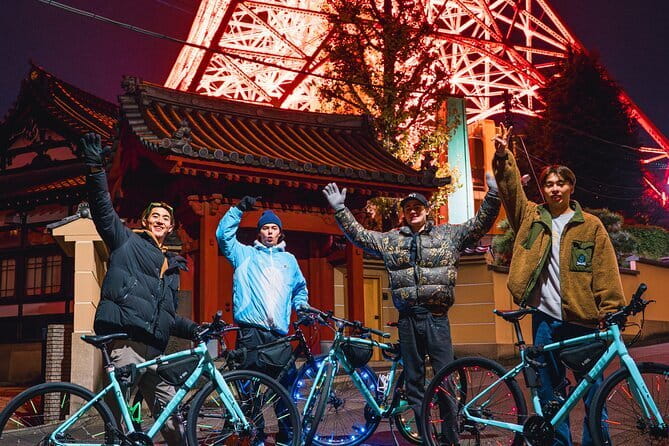
- Private pacing with a real guide: commentary as you move, not a rushed stop-and-go script
- Bike rental included: you don’t need to hunt for equipment before meeting up
- Short sightseeing stops: built for a 2-hour window covering many neighborhoods
- Phone-and-gear ready setup: a mini pouch stays on the bike for small essentials
- Icon-to-icon route: Shibuya Crossing, Harajuku, Tokyo Tower, Zojo-ji, and more in one loop
- Rain plan included: a raincoat is provided on rainy days
The Smart Value of a 2-Hour Tokyo Night E-Bike Plan
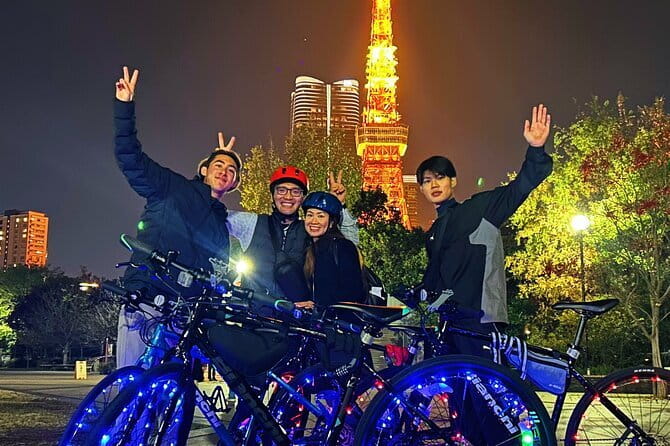
At $147.80 per person, this isn’t the cheapest way to see Tokyo. But for an evening tour, you’re paying for three things that usually cost you time or hassle: the bike, an in-person guide, and the efficient routing that strings together a lot of famous stops. In two hours, that adds up to a big stretch of Tokyo—without the usual “how do we get from here to there?” headache.
The other value is comfort with effort. This is not presented as an extreme ride; it’s a moderate-fitness-friendly night tour that’s designed to keep you moving while still letting you pause for photos and views. And because it’s private (your group only), you’re not stuck with a pace that doesn’t match how you like to travel.
One more practical win: your ticket is mobile, and you get a guide in English and Japanese. That matters in Tokyo, where a small misunderstanding can cost you time—especially at night.
You can also read our reviews of more cycling tours in Tokyo
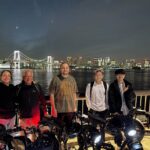
Starting at the Bell of Peace (and Why 6:00 pm Fits)
The meeting point is the Bell of Peace at Udagawacho, Shibuya (near public transportation). You start at 6:00 pm, which is a sweet spot for Tokyo: the day’s heat is usually fading, and the city begins switching into its evening vibe.
Beginning in Shibuya also makes sense. You’re placed right where Tokyo’s big-name urban energy lives, so you can ride into the rhythm of the city from the start instead of spending your evening commuting across town.
Since the tour runs about 2 hours and the total duration includes travel time between stops, the timing is doing real work. You’re not just “stopping at famous places”—you’re traveling between them efficiently as part of the experience.
Yoyogi Park, Harajuku, and Shibuya Crossing After Dark
The route kicks off with Yoyogi Park, and you’ll be in the area near Harajuku Station. Yoyogi tends to feel like Tokyo’s “exhale” zone—green and open compared to the dense streets around it. Even if you’re only spending a short time there, it’s a nice contrast point early in the ride.
Next up is Shibuya Crossing, which is famously photo-friendly even when you’re not trying to chase every camera angle. You’ll bike through it and get a quick look (about 5 minutes). This is where the e-bike format helps: you get the dramatic arrival without needing to stand around waiting for the perfect shot.
Then comes Harajuku, with a mix of high-end fashion boutiques and vintage shops. The stop is short (around 5 minutes), so it’s more about soaking up the street energy than shopping. If you want to browse, use the stop as a “pattern recognition” moment, then plan a longer return later in your trip.
The key trade-off here is time. If you love lingering in one neighborhood, this itinerary compresses things. But if you’re the type who wants Tokyo’s major hits plus a few quick contrasts, the short stops are a feature, not a flaw.
Japan National Stadium and Aoyama Cemetery: Sports Meets Serenity
From Harajuku, the tour shifts toward Japan National Stadium, tied to the 202 Tokyo Games. You’ll have about 10 minutes here, which is enough time to get oriented, look at the venue from the outside, and move on without feeling like you’re losing half your night.
Right after that, you’ll cycle through Aoyama Cemetery for about 10 minutes. This stop is one of the best examples of why a guided ride works. A cemetery can feel intimidating if you try to plan it on your own, but here it’s handled as a respectful sightseeing moment within the flow of the evening.
The vibe is different from Shibuya and Harajuku. You’re trading neon and fashion energy for a quieter, more reflective Tokyo corner. If you’ve ever wanted a tour that shows Tokyo isn’t only about crowds, this is the kind of stop that makes it feel real.
Roppongi Hills Shops and Restaurants: Upscale Tokyo in Motion
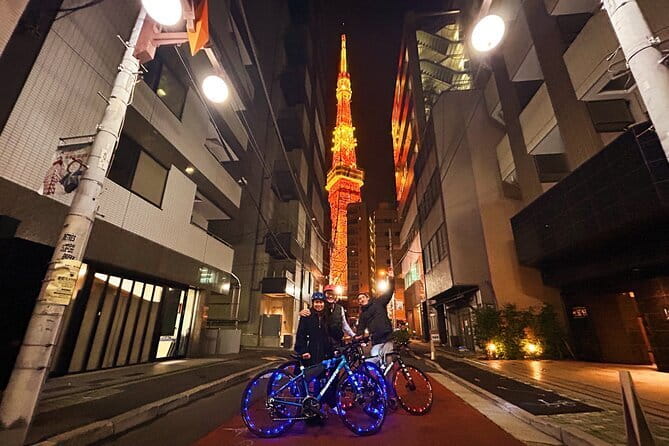
The ride continues to Roppongi Hills Shops & Restaurants, with about 15 minutes set aside. This is Tokyo’s more opulent side, and the tour frames it with the right context: art museums, Michelin-starred dining, and luxury shopping.
You won’t have time here to do a full museum visit, and you’re not being asked to. The value of this stop is perspective. Roppongi is a lesson in how Tokyo’s neighborhoods can feel like different countries—same city, totally different tone.
Biking through also changes how you experience it. Instead of arriving, wandering one building at a time, and then going back to street level, you get to keep your momentum and see the area as a connected zone.
You can also read our reviews of more city tours in Tokyo



Tokyo Tower Up Close: The Post-War Power Symbol
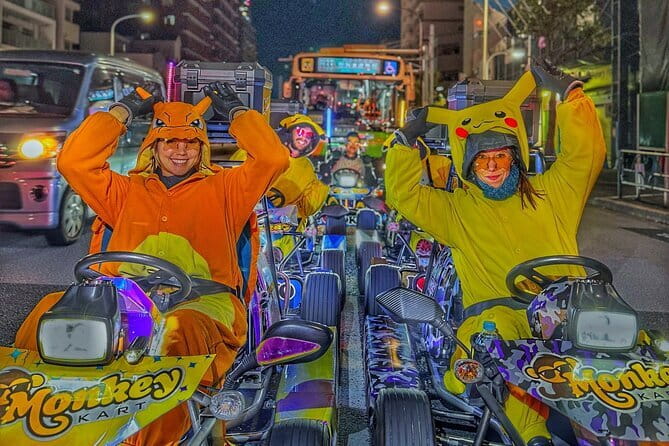
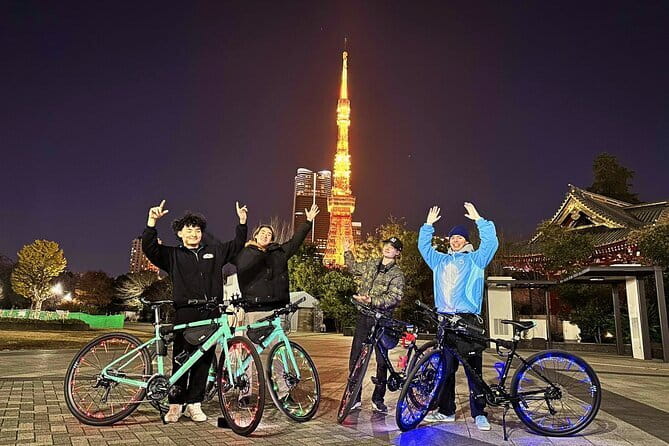
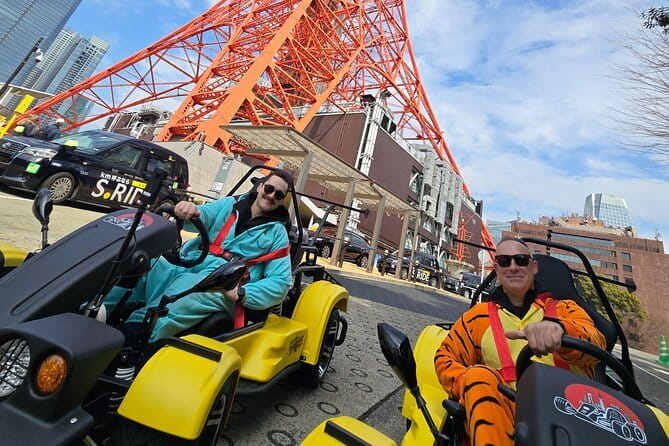
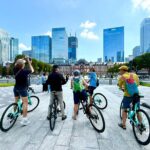
Then the tour brings you toward a closer view of Tokyo Tower. This stop matters because the tower isn’t just a viewpoint—it’s described as a symbol of Japan’s post-war rebirth as a major economic power. You’ll also hear the specific detail that Tokyo Tower is the world’s tallest, self-supported steel tower, and is 3 meters taller than its model, the Eiffel Tower.
Time at this stop is short, but that’s exactly why it works on an e-bike. You can get the big moment without turning your whole evening into a single-location detour.
This is also where your guide’s commentary pays off. A landmark can look impressive just as architecture, but hearing what it represents gives the photos a reason. You don’t just capture the tower—you understand what you’re looking at.
Zojo-ji and Imperial Palace: Sacred Tokyo Near Iconic Streets
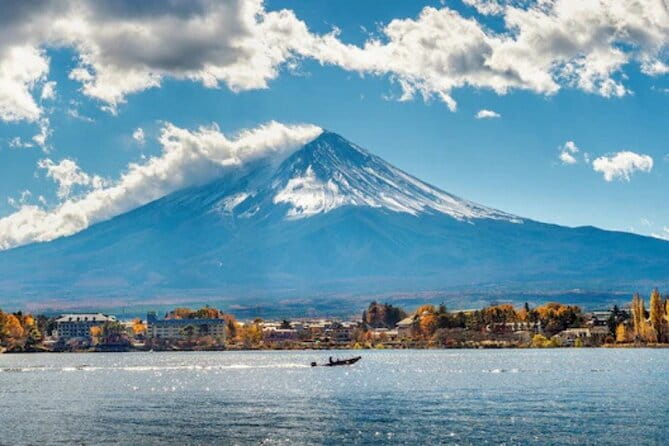
After Tokyo Tower, you’ll head to Zojo-ji, where you can see the famous temple (about 5 minutes). The tour description connects Zojo-ji to its role as a religious center and resting place of warlords, and it notes its historical importance right by Tokyo Tower. That proximity is why this pairing feels logical: it turns the area into more than a skyline view.
From there, you’ll cycle along the Imperial Palace, with about 10 minutes. You’ll be passing along the grounds where the Japanese emperor resides. Even with limited stop time, the ride format helps you grasp the scale of the palace area from the street and pathway views you’d miss if you only approached it on foot.
These two stops are also good mental reset points. If your evening has been mostly large, bright city scenes, the change to temple and imperial-area surroundings gives your brain a break without taking you far out of the route.
Tokyo Station Finale: Easy Train Exit, Less Evening Stress
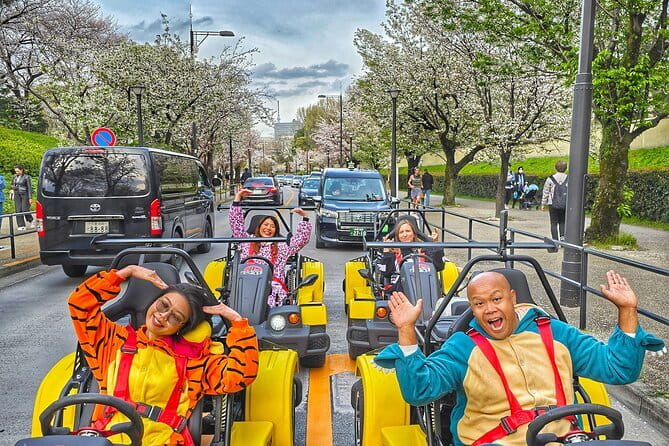
The tour finishes at Tokyo Station (Marunouchi). The final stop is about 5 minutes, and it’s a practical way to close the loop because it’s one of the easiest places in Tokyo to catch trains back to your hotel.
That “end where transit is strong” detail is more valuable than it sounds. Tokyo navigation can be a puzzle when you’re tired, and finishing near a major hub reduces the chance of turning the last 30 minutes into stress.
Also, the route is designed so you’re not stuck commuting across town before you can even start enjoying your evening. You’re already moving through the city, then you land at a transit anchor.
What’s Included (and What You’ll Want to Bring)
This tour is built around a simple idea: remove friction so you can focus on the sights. You get use of bicycle, bike insurance, and a mini pouch on the bike for phone, wallet, and keys. On rainy days, there’s a raincoat provided, and your guide speaks English and Japanese in person.
You’ll also want to plan around what’s not included. Food and drink aren’t included, so I recommend you handle dinner before the tour or keep snacks/water ready on your own. The ride is about 2 hours total, so you don’t need a huge picnic, but Tokyo nights can still catch you with low appetite or thirst once you’re moving.
If you’re bringing a phone for photos, the mini pouch is genuinely helpful. It reduces the scramble of stopping every time you want to check a map or take a picture.
Price Breakdown: Is $147.80 Worth It?
Let’s be practical. You’re paying $147.80 per person for a private 2-hour nighttime e-bike tour with an in-person guide, equipment rental, and bike insurance. For many “see the city fast” experiences, you typically pay extra for bikes or you end up renting them yourself while trying to figure out locking and pickup logistics.
Here, those issues are removed. You show up, get on the bike, and ride. You also get a route that hits multiple standout locations: Shibuya Crossing, Harajuku, Japan National Stadium, Aoyama Cemetery, Roppongi Hills, Tokyo Tower, Zojo-ji, Imperial Palace, and Tokyo Station.
If you value time, convenience, and guidance—especially at night—this price starts to feel more reasonable. The only time I’d hesitate is if you already have a comfortable plan to rent an e-bike and you’re confident navigating the route on your own. If you want Tokyo explained while you move, the guide is the difference-maker.
One more note: this tour is booked about 43 days in advance on average, so it often has limited availability closer to your dates. If you’re traveling in peak season, earlier booking can save you headaches.
Who This Tour Fits Best (and Who Might Want Something Else)
This is a great match if you want a night-focused Tokyo experience that covers a lot of ground in a short window. It also works well if you don’t love walking long distances, but you still want to stop and see things up close.
You should book it if:
- You like guided commentary and want context, not just sightseeing
- You want a private experience rather than sharing with strangers
- You prefer a clear end point near a major transit hub
You might skip it if:
- You’re not comfortable with moderate physical fitness riding requirements
- You can only travel when the weather is guaranteed (the tour requires good weather)
- You want long, slow time in a single neighborhood
Should You Book This Tokyo Night E-Bike Tour?
I’d tell you to book it if your goal is to see Tokyo’s biggest icons and a few quieter stops in one efficient evening, with a guide handling the flow and a bike rental ready on arrival. The mix of Shibuya energy, Harajuku style streets, Tokyo Tower symbolism, and calmer cultural stops like Zojo-ji and the Imperial Palace area makes it feel like more than a highlight reel.
The main reason to hesitate is the setup itself: it’s a short, riding-heavy 2 hours with a moderate fitness requirement and a good-weather dependency. If that fits your trip style, this is one of the more practical ways to do Tokyo at night without turning your evening into a logistics problem.
FAQ
How long is the Tokyo night e-bike tour?
The tour runs for about 2 hours. The total duration includes the travel time between stops.
Is this tour private?
Yes. It’s a private tour/activity, so only your group participates.
What does the tour include?
You get the bicycle, bike insurance, a mini pouch on the bike for small items, and an in-person guide (English and Japanese). On rainy days, a raincoat is included.
Do I need tickets or paid entry for the stops?
The itinerary lists the stops with free admission. That means you can enjoy these viewpoints without paid admission tickets for the listed stops.
Where do I meet, and when does it start?
You meet at the Bell of Peace, Udagawacho, Shibuya (near public transportation) at 6:00 pm. The tour ends at Tokyo Station (Marunouchi).
What happens if weather is bad or I need to cancel?
The experience requires good weather. If it’s canceled due to poor weather, you’ll be offered a different date or a full refund. You can cancel for a full refund up to 24 hours before the start time.