REVIEW · TOKYO
Tokyo Must-See Attractions Private Walking Tour With A Guide
Book on GetYourGuide →Operated by Guydeez Tours · Bookable on GetYourGuide
Tokyo makes sense fast with a local guide. This private walk helps you connect the dots between classic sights and modern Tokyo, with a guide who can explain what you’re seeing and how to plan the rest of your trip. I especially liked the private, exclusive feel (no crowding your route) and the way the guide shares practical advice beyond the stops. One thing to consider: it’s a walking-first experience, so you’ll want to be comfortable moving at a steady pace.
I also like that you can keep the tour flexible. Hotel pickup inside the city helps you start smoothly, and the guide can tailor the route based on what you care about most. The downside is that the price is set for a guided experience, not for attraction tickets or food, so you’ll still budget for those separately.
In This Review
- Key Highlights at a Glance
- Why a Private, Custom Tokyo Walk Makes the City Click
- Price, Time, and What $63 Buys You (and What It Doesn’t)
- Hotel Pickup and a Smooth Start in Central Tokyo
- Ueno Park and Odaiba: Big Contrasts in 30 Minutes
- Ginza and Tokyo Skytree: Upscale Streets and Wide Views
- Akihabara and Meiji Shrine: Pop Culture Energy Meets Quiet Tradition
- Sensō-ji Temple and Tsukiji Outer Market: Classic Tokyo You Can Feel
- How the Guide Helps You Beyond the Stops
- What to Know Before You Go (Walking Pace and Planning)
- Who This Tour Fits Best
- Should You Book This Private Walking Tour?
- FAQ
- How long is the Tokyo private walking tour?
- Is this tour private?
- Does the guide speak English?
- Where does the guide meet us?
- Is hotel pickup included?
- What’s included in the price?
- Are attraction tickets and monument entry included?
- Is food or drinks included?
Key Highlights at a Glance
- Private and customizable route, so your walk matches your interests
- Hotel pickup when you’re staying in Tokyo, plus easy meet-up logistics
- A focused route hitting major areas: Ueno, Odaiba, Ginza, Skytree, Akihabara, Meiji, Sensō-ji, Tsukiji
- A guide who helps you book tickets for desired visits (when you want extra entries)
- Panoramic commentary at Tokyo Skytree and big cultural context at temples and shrines
- Advice that helps you manage your time and move through Tokyo with confidence
Why a Private, Custom Tokyo Walk Makes the City Click
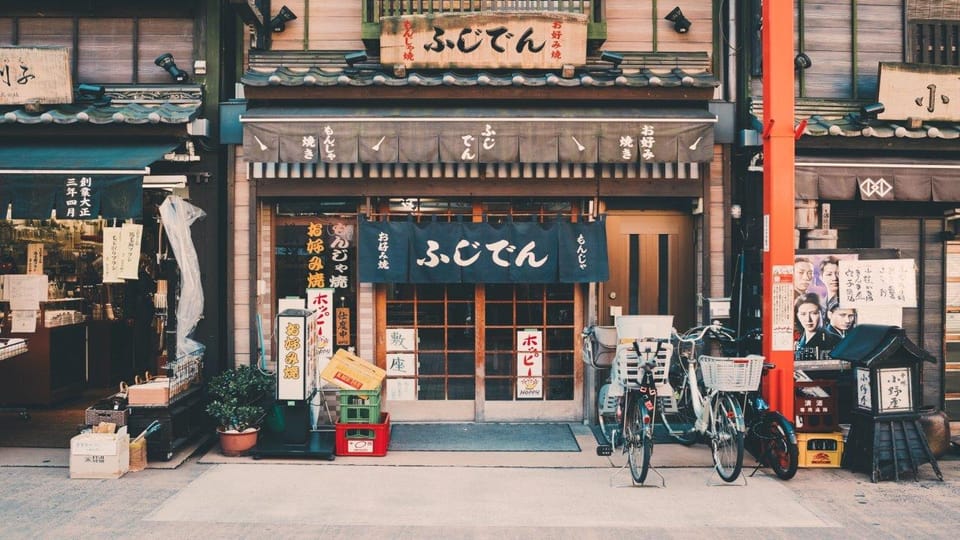
Tokyo can feel like a maze until someone shows you the logic behind it. This tour is built around that moment when the city stops being confusing and starts being manageable. You get a guide’s point of view as you move from area to area, so each stop feels connected, not random.
I love the private format because it changes how you travel. You can ask questions, slow down for photos, or spend extra time where your eyes keep landing. In a city with tons to see, that flexibility is the difference between ticking boxes and actually understanding what you’re looking at.
The other big win is customization. If you’re more into pop culture than luxury shopping, or you want extra time around the temples and markets, the guide can shape the walk. That also means you’re less likely to feel rushed at your least favorite stop.
You can also read our reviews of more walking tours in Tokyo


Price, Time, and What $63 Buys You (and What It Doesn’t)
At $63 per person, you’re paying for more than a route. You’re paying for a guide who can explain the sights, help you navigate, and suggest what to do next. For a city like Tokyo, that “how to make the most of my time” factor is often worth every yen.
The duration can run from 2 to 8 hours, which matters because Tokyo is not one-speed. If you’re short on time, you can choose a tighter window and still cover several top areas. If you have a full day, you can stretch the walk and let the guide adjust the pacing to your preferences.
What’s not included is equally important. Entry fees for monuments and museums, plus food and drinks, are on you. Attraction tickets are also not included, though the guide can help with booking if you decide you want something extra. So think of this tour as the smart framework—and budget separately for any paid entries or meals.
Hotel Pickup and a Smooth Start in Central Tokyo
One practical advantage here is the meeting setup. The guide picks you up at your hotel if you’re located in the city, and you can request a central starting point if needed. That saves you time and stress, especially on day one when you’re still mapping subway lines in your head.
You also get an English-speaking guide, with other language options available (French, Italian, Spanish, Japanese, Portuguese). In my experience, having a guide who can meet you in your language level keeps the tour more comfortable and makes it easier to ask the follow-up questions that turn sightseeing into real understanding.
You don’t need to worry about joining a big group either. This is a private walk, so you and your guide are the focus. That’s a big deal in Tokyo, where crowds can make it hard to hear anything, even if you’re standing right near a landmark.
Ueno Park and Odaiba: Big Contrasts in 30 Minutes
The tour starts with Ueno Park, with a photo stop and guided sightseeing that’s brief but useful. Ueno Park is a good early stop because it sets a “Tokyo seasons and culture” tone quickly. If you’re traveling during cherry blossom season, Ueno becomes especially relevant, and the guide can point out how people experience the area during that time.
Next comes Odaiba, where the feel shifts. Odaiba is presented as a futuristic destination, and that contrast is exactly why it works early in the day. When you go from a park setting into a more modern, engineered part of the city, Tokyo stops feeling like one single thing and starts feeling like many Tokyos living side by side.
Both stops include a photo stop and a guided walk, so you’re not stuck with a long transit gap or a long explanation at one point. Instead, you get a sense of how the day will flow: quick snapshots with context attached.
Ginza and Tokyo Skytree: Upscale Streets and Wide Views
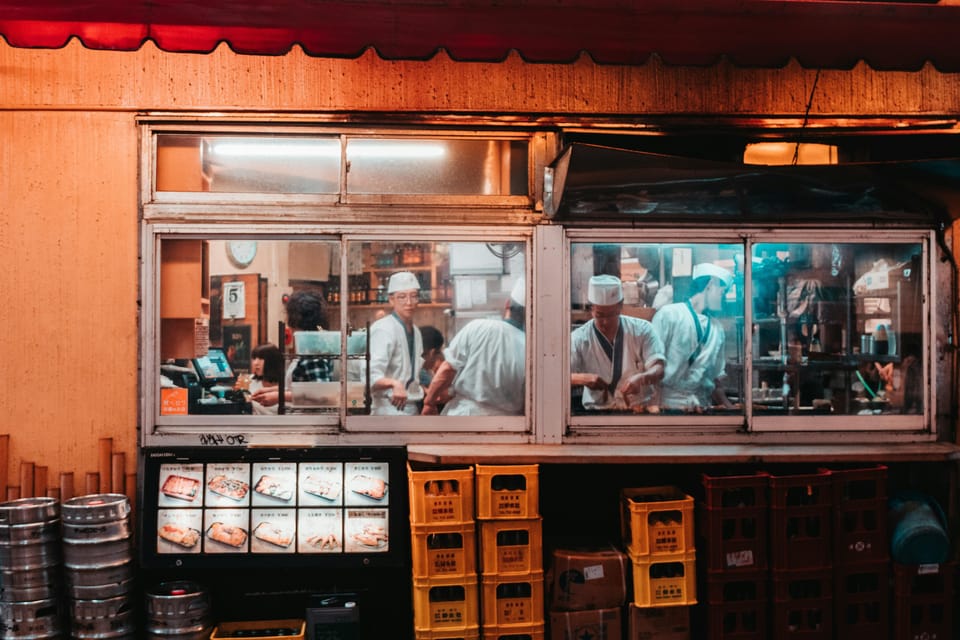
After Odaiba, the route takes you into Ginza, which is described as an upscale district. This is where you see a different side of Tokyo—shopping streets, polished energy, and the kind of atmosphere where people move with purpose. The value of the guide here is simple: they help you understand what you’re seeing without turning it into a sales pitch or a speed-run.
Then you reach Tokyo Skytree, where you get photo stops and guided sightseeing, plus commentary that focuses on the views. The standout point in the description is that you get panoramic views with guidance. That’s a big deal because looking down over Tokyo can be overwhelming if you don’t know what you’re scanning for.
This is the kind of stop that pays off later. Once you have a mental map from above, the neighborhoods you visit afterward make more sense. Even if you’re not memorizing subway lines, you’ll understand where the city expands, where it concentrates, and how different areas connect.
You can also read our reviews of more guided tours in Tokyo




Akihabara and Meiji Shrine: Pop Culture Energy Meets Quiet Tradition
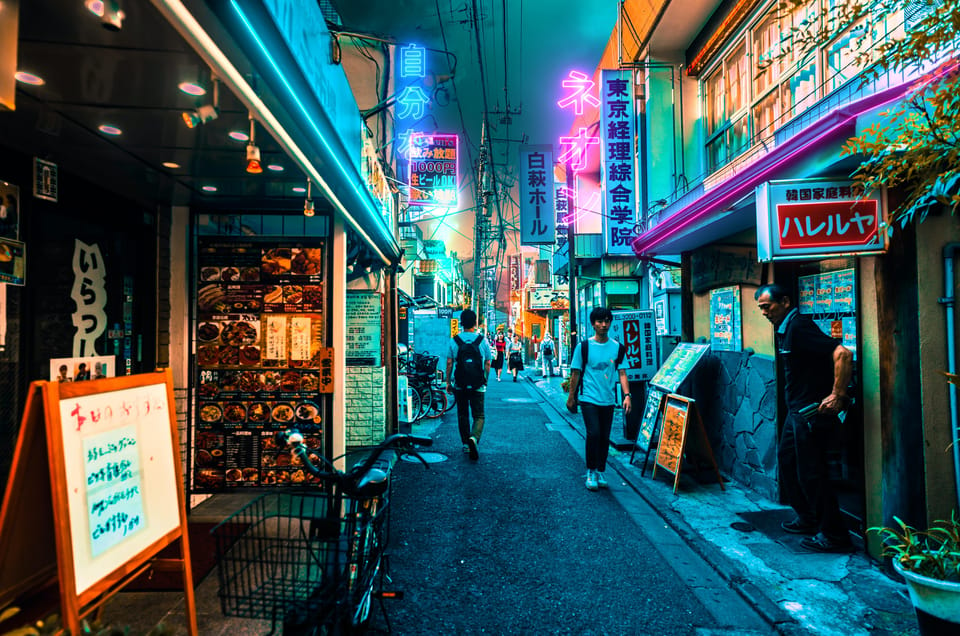
Now comes a fun shift: Akihabara is positioned as Tokyo’s modern pop culture hub. This is where the city’s “present day” mood comes through fast. You’ll walk through the area with the guide, and the point isn’t just to see the signs—it’s to understand why this district matters in Tokyo’s culture and why it draws so many visitors.
After Akihabara, the tour turns to Meiji Shrine, adding a calmer, more traditional counterweight. A shrine visit has a different rhythm than a pop culture district, and that contrast is part of the experience. With a guide, you’re not just walking through an impressive setting—you’re getting stories and context that change how the space feels.
If you like travel that doesn’t flatten Tokyo into one theme, this pairing is strong. One district tells you how Tokyo imagines itself now. The other helps you understand how Tokyo anchors itself through tradition.
Sensō-ji Temple and Tsukiji Outer Market: Classic Tokyo You Can Feel
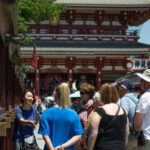
The walk heads to Sensō-ji Temple, another historic site with guided context. The key value here is context. Temples in Tokyo can look similar from a distance, but stories give you the reason for the details you notice up close.
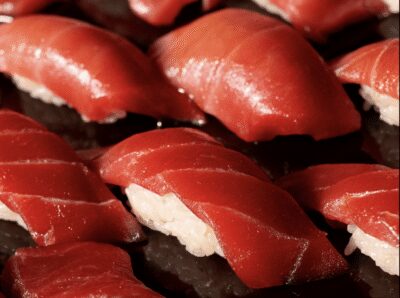
Then the tour shifts into Tsukiji Outer Market, with guided sightseeing that includes a photo stop. The highlight described here is the chance to sample fresh seafood while you navigate the market. This is exactly the kind of stop that feels “Tokyo in real life,” not just “Tokyo on a postcard.”
One caution: you’ll probably feel hungry at Tsukiji, and that can make you spend a little more than you planned. That’s not a complaint, it’s just good to know. Since food and drinks aren’t included, you’re free to taste, but you should expect to treat yourself.
How the Guide Helps You Beyond the Stops
A good Tokyo guide doesn’t just point. They help you plan. That’s a major theme in what you get here: lots of valuable advice about other things to do in the city. It’s the kind of guidance that helps you avoid the two common mistakes—spending too much time in the wrong area or leaving Tokyo with a checklist but no rhythm.
The guide’s familiarity matters most when you’re trying to connect dots across neighborhoods. This tour touches a lot of different districts, so your guide is also your translator for how the day fits together. You also get help with booking tickets for the visits you want, which can save time if you decide to add a monument or museum entry.
Also, you’re walking with an experienced local who can explain what you’re seeing while you’re still close enough to notice details. That makes the tour feel less like a bus route and more like a personal lesson you can keep using later.
What to Know Before You Go (Walking Pace and Planning)
Because this is a walking tour with local transit used as needed, the best preparation is comfort and timing. Wear shoes you trust for long stretches, and give yourself flexibility if you slow down for photos.
Entry tickets aren’t included, so decide in advance what you want to pay for versus what you’re happy to see from the street or public areas. If you want optional monument or museum entries, the guide can help with ticket booking, but you’ll still need to handle payment.
You’ll also want to remember that food and drinks are your choice. Tsukiji can be the most tempting part of the day, so set a small budget you’re comfortable with. That way you can enjoy the market without it turning into a surprise bill later.
One more practical point: the tour’s language support is broad. If you prefer English, confirm that when you book so you get smooth communication from the first question to the last one.
Who This Tour Fits Best
This private walking tour is a strong match if you want to see a lot of Tokyo’s “headline districts” without spending your trip fighting directions. It’s especially good for first-timers who want orientation plus context.
It also works well for people who like variety in their days. The route includes parks, a futuristic area, shopping streets, a skyline viewpoint, pop culture, shrine and temple sites, and a major market. If you’ve been worried that Tokyo tours only cover one theme, this does a nice job mixing it up.
I’d also say it’s a good fit for travelers who appreciate a friendly, professional guide. One guide named Albert stood out for being very professional and clearly prepared, and another visitor specifically praised the guide’s simplicity and friendliness. That kind of guide energy shows up when the tour feels smooth rather than scripted.
Should You Book This Private Walking Tour?
I’d book it if you want an organized, private way to hit many of Tokyo’s must-sees while still having room for questions and personalization. The guide advice component is the real value, not just the list of stops. If you’re the type who likes to return from a trip with a better sense of how the city works, you’ll probably feel grateful you did this on the first days.
Skip or adjust your expectations if you want fully ticketed attractions, included meals, or a very slow pace. Since monument entry and food aren’t included, you’ll want to plan your budget and decide which paid experiences you want to add.
If you’re deciding between going solo and adding a guide, think of this tour as buying clarity. You pay for time saved, context gained, and a smoother path through big, different neighborhoods.
FAQ
How long is the Tokyo private walking tour?
It runs for 2 to 8 hours, depending on the starting time and the option you choose.
Is this tour private?
Yes. It’s a private group, so there won’t be anyone else in your group.
Does the guide speak English?
Yes. The guide is English speaking, and additional languages are also available: French, Italian, Spanish, Japanese, and Portuguese.
Where does the guide meet us?
The guide will pick you up at your hotel if your hotel is located in Tokyo. If you’re staying outside the city, the provider suggests a central meeting point.
Is hotel pickup included?
Yes, hotel pickup is included (for hotels within the city).
What’s included in the price?
Included are the English-speaking guide, the private and customizable format, walking tour and public transport (except if you select one of the options), help from the team to book tickets for desired visits, and hotel pickup if you’re staying in the city.
Are attraction tickets and monument entry included?
No. Entry to monuments and museums and tickets to attractions are not included.
Is food or drinks included?
No. Drinks or food are not included.