REVIEW · TOKYO
Tokyo: Private Walking Tour With Fresh Eyes, Local Hearts
Book on GetYourGuide →Operated by Exploring_Tokyo · Bookable on GetYourGuide
A city of signs and subway lines can feel overwhelming fast, but a private walking tour turns Tokyo into something you can actually navigate. I like how the day is shaped around you, not a rigid script, and I also like that you mix big icons with traditional stops like shrines and temples. One drawback: it’s mostly walking plus public transport, so you’ll want to choose the length that fits your stamina.
What makes this especially practical is the way the guide sets the plan in advance and then adjusts day-of. Guides like Toko and Momo show up with real-world context, from using the train system on day one to helping you find a great meal afterward.
In This Review
- Key moments you’ll care about
- Why a private walk with a local guide beats a day-long checklist
- Price and logistics: hotel pickup, meeting points, and public transport
- Your guide’s game plan: how the itinerary gets tailored
- Imperial Palace area to Tsukiji Outer Market: iconic Tokyo with cleaner pacing
- Shibuya Crossing and Meiji Shrine: big-city views, then a reset
- Asakusa Culture Tourist Information Center and Asakusa Shrine: how to slow down in old Tokyo
- Shinjuku, Shinjuku Gyoen, and Golden Gai: city scale with a mood shift
- Akihabara Electric Town and Super Potato: when tech culture is the attraction
- Gardens and parks: Hama-rikyū, Kiyosumi, Koishikawa Kōrakuen, Rikugien, and Yoyogi Park
- Takeshita Street and Nezu Shrine: contrast shopping street energy with a calmer shrine stop
- Tokyo Tower, Zojo-ji, Ueno Park, Ameyoko, and Ueno Toshogu Shrine
- Gotokuji and Kanda Shrine: finishing with “local life” energy
- If you have kids, want accessibility tweaks, or need food help
- Should you book this private Tokyo walking tour?
- FAQ
- How long is the private tour?
- Is this tour private, or will I join other people?
- What’s included in the price?
- What’s not included?
- Where do we meet, and do we get pickup?
- What languages are available, and is it accessible?
Key moments you’ll care about
- Tailored itinerary: you choose a focus (temples/shrines, iconic Tokyo like Shibuya, or a neighborhood loop)
- Private group only: just your party with a local guide
- Flexible duration: options run from short to full-day (check availability for starting times)
- A mix of classic and modern Tokyo: Palace area, Tsukiji Outer Market, Meiji Shrine, Asakusa, Shinjuku, Akihabara, Ueno, and more
- Food and culture guidance: guides share where to eat, including post-tour recommendations like omakase
Why a private walk with a local guide beats a day-long checklist
Tokyo rewards people who can slow down and look sideways. This tour is built for that. Instead of sprinting between must-sees, you get a guide who can explain what you’re seeing and how it connects to everyday life—then steer you toward the parts that match your interests.
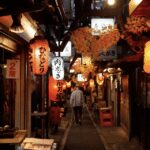
I really like the balance between traditional sites and modern neighborhoods. You might start in a very formal, historic setting, then transition to lively commercial streets and iconic intersections like Shibuya Crossing. Later, the day can include things like Akihabara Electric Town and even game-arcade culture at Super Potato Akihabara. The point isn’t to tick boxes. It’s to help you understand Tokyo’s different faces, in one coherent route.
There’s also a big advantage to private pacing. The reviews highlight real accommodation—like a guide handling bathroom breaks and elevator detours when traveling with an infant. That kind of flexibility matters because Tokyo’s “walkable” can also mean stairs, crowds, and sudden route changes.
You can also read our reviews of more walking tours in Tokyo


Price and logistics: hotel pickup, meeting points, and public transport
At $25 per person, this is priced like an efficient way to buy time with a local guide—especially because hotel pickup is part of the deal. You’re not paying extra for a private group, and you’re not stuck on a one-size itinerary. The tradeoff is that you still pay for your own meals and any transportation fees on top of the tour.
Here’s how the logistics usually work:
- You’ll either get a pickup from your hotel (optional) or meet at a designated spot based on your chosen focus, such as Shibuya, Shinjuku, or Tsukiji.
- Expect a mix of walking and public transportation. That’s part of the value: you learn how the city moves.
- The tour is available in English and Japanese, and it’s listed as wheelchair accessible, which is a helpful baseline for planning your route pace.
One more practical note: because the meeting point can change depending on what you pick, you’ll want to confirm the exact location with your guide before you head out. That’s the easiest way to avoid the classic Tokyo problem of “we’re both waiting somewhere, just not the same somewhere.”
Your guide’s game plan: how the itinerary gets tailored
After booking, your guide reaches out within about two weeks before the tour to discuss your interests and schedule. That pre-trip chat is where the tour stops being generic and starts being useful. If it’s your first visit, you can ask for help with the transport system and how to move between major areas. If you love temples and shrines, you can shape the route around those. If you want iconic scenes like Shibuya or Tsukiji, you can build your day around that.
This approach also shows up in what guides actually do. In one review, Toko met a guest right at the airport and walked them through the basics of Tokyo’s train system, including how to get around major neighborhoods. That’s the kind of on-the-ground guidance that helps your whole trip, not just that one day.
And if you’re the type who likes recommendations, Momo’s review includes a post-tour walk to her favorite omakase place. Even if you don’t plan a food-focused itinerary, it’s nice to know your guide can point you toward a next step when the walking tour ends.
Imperial Palace area to Tsukiji Outer Market: iconic Tokyo with cleaner pacing
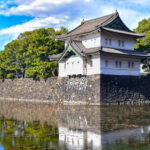
A common longer-day route starts near the Tokyo Imperial Palace, then heads toward Tsukiji Outer Market. Even without turning this into a history lecture, this pairing works well because it teaches contrast.
In the Palace area, you get a sense of Tokyo’s formal side—useful if your first days in Japan are still about learning the city’s rhythm. Then Tsukiji Outer Market shifts the tone into everyday life: crowds, storefront energy, and browsing culture. A guide can help you spend time where it actually makes sense, instead of wandering blindly and accidentally losing your place in the day.
A private guide also helps you avoid one of Tokyo’s quiet traps: time evaporates when you keep stopping to figure out where you are. Here, you’re walking with context. You’re not just moving from point A to B; you’re learning how each area “works” in the wider city.
If you’re only booking a shorter option, you can still choose a focus that touches these big names—or swap them for other parts of Tokyo, like Shibuya, Asakusa, or Ueno.
Shibuya Crossing and Meiji Shrine: big-city views, then a reset
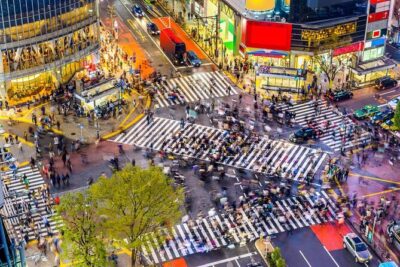
Shibuya Crossing is the kind of place where you feel like you should be taking photos nonstop. But what you really need is to know how to cross, where to stand, and how to avoid wasting time in the wrong direction. With a local guide, you get the iconic scene and the practical flow around it.
Then comes Meiji Shrine. Pairing those two stops in one day is smart. Shibuya gives you the high-energy Tokyo. Meiji Shrine gives you an instant reset—breathing space, calmer pacing, and a break from the street-level noise. Even if you’re not the type who loves quiet spaces, it’s a good moment to regroup.
This is also where you benefit from private tailoring. If you prefer more shrine and temple time, the guide can spend more attention on these spiritual stops. If you want the “modern Tokyo” angle, you can shorten the pauses and move more quickly toward the city’s neighborhoods.
You can also read our reviews of more private tours in Tokyo


Asakusa Culture Tourist Information Center and Asakusa Shrine: how to slow down in old Tokyo
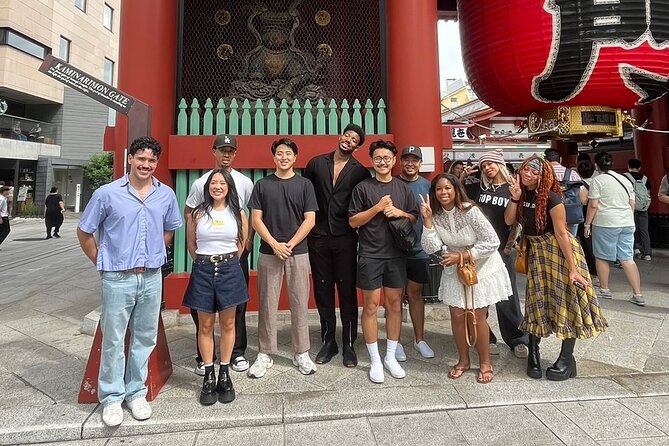
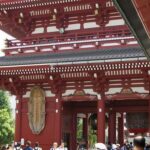
Asakusa has a way of rewarding people who pay attention. A route often includes the Asakusa Culture Tourist Information Center and then walks on to Asakusa Shrine. I like this because it gives you a starting point for the area: you’re not guessing what’s most worth seeing.
With Asakusa Shrine, the value is in guided pacing. A guide can help you understand what you’re looking at and how to behave in a respectful way, without you having to research rules on your phone mid-walk. It’s an easy win, especially if Japanese etiquette is still new to you.
Asakusa is also a great place for a photos-and-people-watching rhythm. The tour format helps you do it without turning the day into random wandering.
Shinjuku, Shinjuku Gyoen, and Golden Gai: city scale with a mood shift
As the day moves toward Shinjuku, Tokyo starts feeling even more layered. Your route can include:
- Shinjuku, for the large-neighborhood energy
- Shinjuku Gyoen National Garden, for a calmer break
- Golden Gai, for a more specific nightlife-style atmosphere
This sequence is useful because it teaches you a key Tokyo lesson: different districts have different “speeds.” Shinjuku tends to feel huge and fast. A garden helps you slow down before you step back into the late-night neighborhood vibe.
And Golden Gai is the kind of place where local guidance can save you from misunderstandings. Even if you don’t plan to stay out late, you’ll get the context for what kind of area it is and where to look around safely.
Akihabara Electric Town and Super Potato: when tech culture is the attraction
If you’re into gaming, tech, or pop culture, Akihabara Electric Town and Super Potato Akihabara are often part of the same stretch. This isn’t just about buying things. The real value is having someone explain what you’re seeing and what’s worth your time.
I especially like that this fits into a private walking-day format. Akihabara can swallow hours. With a guide, you can focus on what you actually came for—arcades, displays, hobby shops—and still keep your day moving toward other neighborhoods.
If you’re not into pop culture, you can still use the same day structure, but swap stops for more shrine-and-temple time, or focus on parks and gardens instead.
Gardens and parks: Hama-rikyū, Kiyosumi, Koishikawa Kōrakuen, Rikugien, and Yoyogi Park
One of the best parts of this tour style is how it builds in quiet. A longer day can include multiple garden stops:
- Hama-rikyū Gardens
- Kiyosumi Gardens
- Koishikawa Kōrakuen
- Rikugien
And it may also include Yoyogi Park
These breaks aren’t filler. They’re how you keep the day from burning you out. Tokyo can be loud and fast, and gardens give you a reset where you can actually absorb details—texture, space, and that slower “walk and look” rhythm.
They’re also smart for families. In a review with an infant, the guide was accommodating with necessary bathroom breaks and route adjustments. Even if your group doesn’t travel with kids, you’ll appreciate fewer back-to-back crunches of crowds.
Takeshita Street and Nezu Shrine: contrast shopping street energy with a calmer shrine stop
A route may also include Takeshita Street, plus Nezu Shrine and Nezu Museum. That combination makes sense because it mirrors Tokyo’s contrast between youth fashion street culture and quieter, more understated sacred space.
If you go to Takeshita Street, go with the expectation that it’s about people watching and quick browsing. Then Nezu Shrine gives you a completely different pace, with a guided visit so you don’t feel like you have to figure everything out alone.
Even when the tour includes highly different areas, the guide’s role stays the same: keep you moving, help you understand what you’re seeing, and tailor the order to your preferences.
Tokyo Tower, Zojo-ji, Ueno Park, Ameyoko, and Ueno Toshogu Shrine
Some routes include the classic Tokyo skyline moment with Tokyo Tower, then head to historic stops like Zojo-ji Temple. That’s a good pairing because it mixes spectacle with tradition.
Later, a route often shifts into Ueno Park, plus Ueno Ameyoko Shopping Street and Ueno Toshogu Shrine. This can be a strong late-day option because:
- Ueno gives you space to roam
- Ameyoko adds shopping-street energy
- Toshogu Shrine adds a structured, traditional stop
If your legs are getting tired, this is where private pacing is gold. You can ask the guide to slow down, take fewer side stops, or focus on what matters most to you.
Gotokuji and Kanda Shrine: finishing with “local life” energy
For a longer itinerary, you may end with stops like Gotokuji temple and Kanda Shrine. I like ending on sites that feel grounded and lived-in. It’s a way to wrap up the day without ending on only the most tourist-heavy corners.
This also ties back to what the best guides do: they don’t just show you famous places. They help you leave with a mental map of how neighborhoods differ and how to return later on your own.
If you have kids, want accessibility tweaks, or need food help
This tour is listed as wheelchair accessible, and the private nature makes it easier for your guide to adjust on the fly. On top of that, the reviews include examples of a guide being flexible with an infant—handling bathroom breaks and detours when elevators were needed. That’s a practical sign the guide isn’t rigid.
Food tips are also part of the value. One guide (Momo) was mentioned for walking a guest to her favorite omakase place after the tour. Another review mentions pointing out good places to eat around the guest’s hotel. So even if meals aren’t included, your guide can reduce the stress of finding a solid dinner after a full day of walking.
Should you book this private Tokyo walking tour?
Book it if you:
- Want a first-timer friendly way to get oriented fast
- Prefer a guide who can tailor the day to temples/shrines, iconic stops, or neighborhood culture
- Like the idea of mixing big sights with parks and gardens, not just a nonstop checklist
- Are traveling with a group that benefits from private pacing (including families who might need small adjustments)
Skip it (or shorten the length) if you:
- Don’t want walking or public transport involved
- Only have time for a single quick grab at one area and nothing else
- Expect meals to be included (they’re not)
If you’re choosing between options, I’d pick the length that lets you do a few neighborhoods without rushing. Tokyo is best when you slow down just enough to notice details—and this kind of private walking tour gives you that margin.
FAQ
How long is the private tour?
The tour is offered in durations from 1 to 8 hours. You’ll choose from set options (1, 2, 4, 6, or 8 hours), depending on what’s available for your dates.
Is this tour private, or will I join other people?
It’s a private tour/activity, meaning only your group participates.
What’s included in the price?
Included: hotel pickup (optional), a local guide, a guided tour, and tour customization/local insights.
What’s not included?
Meals and drinks are not included. Transportation fees are also not included, and private transportation is not provided.
Where do we meet, and do we get pickup?
Your meeting point is designated based on your selected area (such as Shibuya, Shinjuku, or Tsukiji). Hotel pickup is optional, and you can request pickup from your hotel or another location.
What languages are available, and is it accessible?
The live tour guide is available in English and Japanese. The tour is listed as wheelchair accessible.