REVIEW · TOKYO
Japanese Cooking and Udon Making Class in Tokyo with Masako
Book on Viator →Operated by Traveling Spoon · Bookable on Viator
Cooking in a real Japanese home beats the usual. This private Japanese cooking and udon making class with Masako pairs hands-on noodle work with Kanji calligraphy you take home.
I love that you do not need to shop for ingredients—everything is included—so you can focus on technique instead of logistics. I also love the one-to-one teaching feel, with a translator on hand since Masako’s English is limited, which helps when you’re learning steps like kneading dough and rolling tamagoyaki.
The main catch is access: there is no hotel pick-up, so you’ll navigate public transport to a local neighborhood address, and Masako does not accept children for safety reasons.
In This Review
- Key highlights to know before you go
- A Tokyo dinner class that feels like being invited in
- Your welcome: green tea and Masako’s Kanji calligraphy
- Choosing your menu: four options, one goal
- The udon core: kneading, resting, cutting, and cooking
- Tamagoyaki and the egg timing lesson
- Tempura technique: vegetables, shrimp, and small details
- The meal you make: multi-course food plus drinks
- Calligraphy souvenirs, and the small thoughtful extras
- Location in Adachi City: plan your arrival like locals do
- Price and value: what $142 buys you
- Who this class is perfect for (and who should pass)
- FAQ
- FAQ
- What is the class length?
- Is this a private class?
- Do I need to buy ingredients?
- Are drinks included?
- Is there hotel pick-up or drop-off?
- Does Masako accept children?
- How will I choose my meal options?
- Should you book this Japanese Cooking and Udon Making class with Masako?
Key highlights to know before you go
- Kanji name calligraphy on arrival: Masako writes your name in Japanese characters right at the start.
- No ingredient shopping: everything needed for the meal is provided.
- Real home-kitchen pacing: you get hands-on instruction for udon dough, cutting, and cooking.
- Classic dishes built into one lesson: udon plus items like tamagoyaki and tempura depending on your menu choice.
- You eat what you make: the class ends with a multi-course meal and drinks.
- Keepsakes beyond food: expect your calligraphy souvenir, and in some sessions extra handmade items.
A Tokyo dinner class that feels like being invited in
Most cooking classes in Tokyo show you a technique and send you back out. This one stays rooted in a real home setting, with Masako’s family-style approach to cooking and clear, practical steps. You’re not just watching. You’re working the dough, frying the tempura, and learning how the pieces fit together into a Japanese meal.
The format also helps you slow down. The total time is about 2 hours 30 minutes, so you can actually practice without the feeling that everything is rushed to the next station. And because it’s private for your group, Masako can adjust to your pace, rather than sticking to a rigid script.
You can also read our reviews of more cooking classes in Tokyo
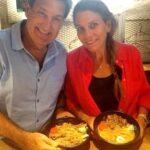
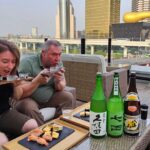
Your welcome: green tea and Masako’s Kanji calligraphy
You’ll start with a cup of green tea, then turn your attention to something very Japanese: calligraphy. Masako writes your name in Kanji, and the class begins with that calm, ceremonial tone before the kitchen gets busy.
This is more than decoration. A name written in Kanji turns the night into something personal, and it’s a reminder to pay attention to details—the same mindset you’ll use when kneading udon dough or shaping tamagoyaki. The keepsake is part of the experience, not an add-on.
Because Masako speaks limited English, you’ll have a translator present during the class. One note: communication can still feel smooth in real time, so if you’ve been worried about language gaps, this setup is designed to prevent that. Still, don’t plan on complex back-and-forth; you’ll do best asking short, focused questions as you go.
Choosing your menu: four options, one goal
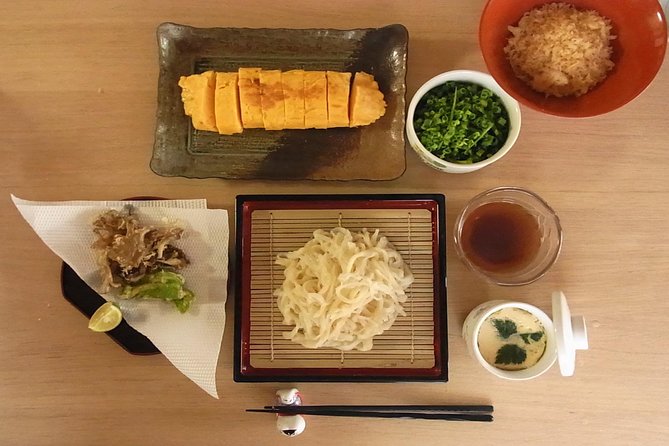
Masako offers four menu choices, and you should message her ahead of time with the one you want. The description highlights an easy-to-recreate, family-style cooking approach, and the class commonly covers classic comfort foods like udon and Japanese egg omelet (often tamagoyaki), plus tempura.
The key for you is to treat the menu choice as a strategy for your cooking goals. If you want noodles, prioritize the udon-heavy option. If your goal is learning the feel of Japanese omelet-making, choose the menu that puts tamagoyaki front and center. If you want frying technique and timing, pick the menu that leans more into tempura.
Also, note the home-cooking angle. The class emphasizes dishes you can repeat back home, and a lot of the value comes from learning the method, not just copying a finished plate.
The udon core: kneading, resting, cutting, and cooking
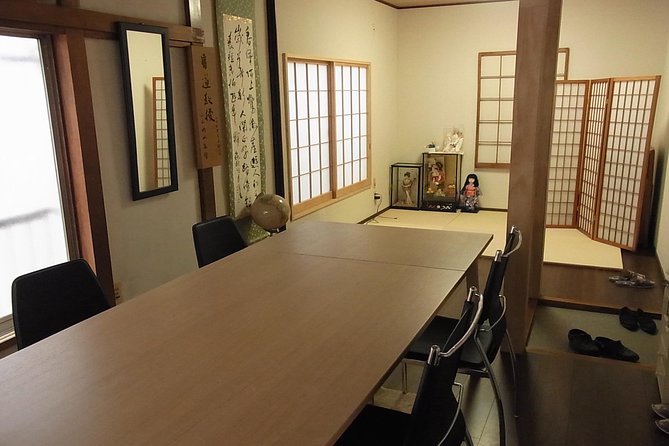
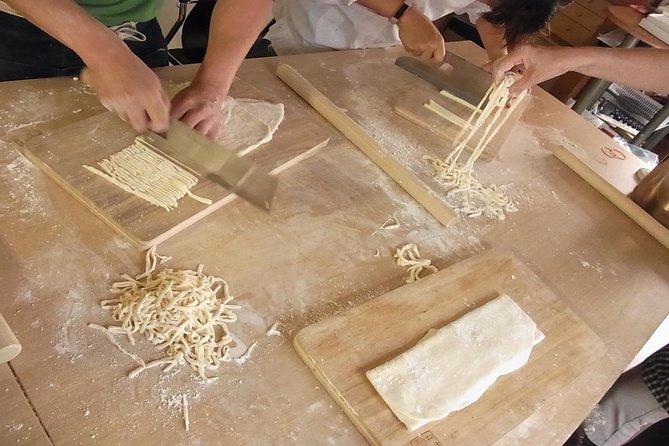
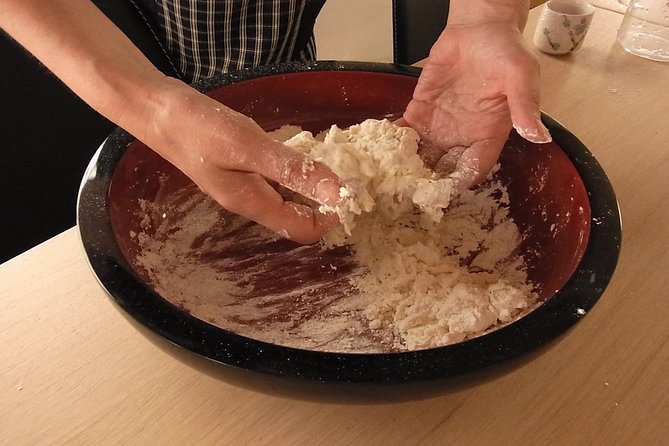
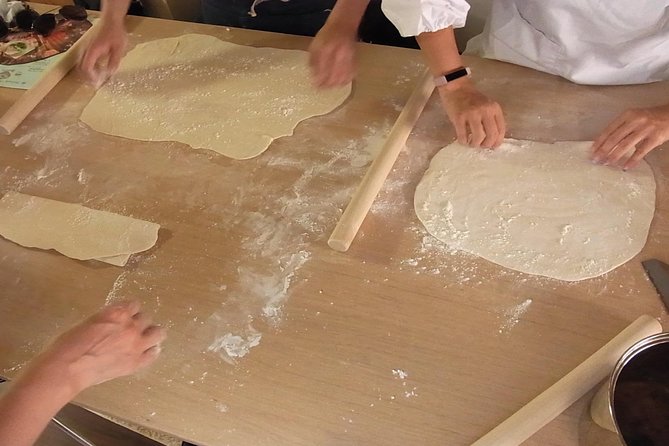
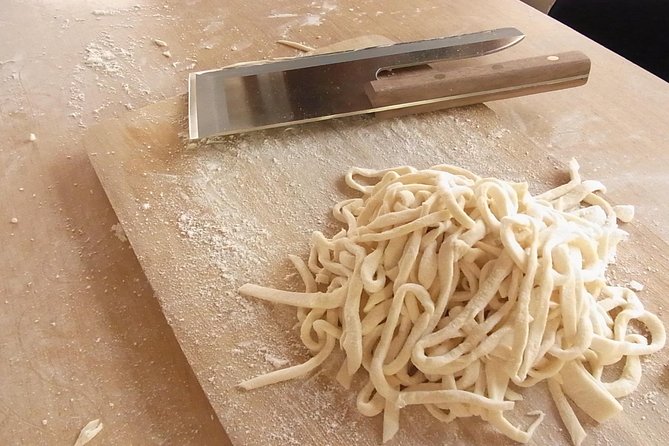
The heart of the class is making udon from scratch. You’ll work the dough, learn the best way to knead, and then move through the steps to cut noodles and cook them.
Why this part matters: udon is all about feel. Kneading affects texture, resting helps the dough behave, and how you cut changes how the noodles cook. Even if your kitchen skills are basic, Masako’s instructions aim to be practical, with clear, step-by-step guidance.
Expect a hands-on rhythm. You’ll likely do multiple small tasks during the noodle portion—measuring and mixing, kneading, flattening, cutting—so the class feels active rather than like a demonstration. That’s also why the private format works: you can get corrected in real time before a bad habit locks in.
If you worry about being a beginner, take comfort from what you’ll learn. The structure is designed so you can participate even without advanced cooking experience. You’re not expected to already know how to handle dough.
Tamagoyaki and the egg timing lesson
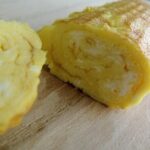
A big reason people love this class is that you’re not stuck with noodles only. Many menus include tamagoyaki, the classic Japanese rolled omelet, which is a different kind of skill than noodle dough.
Rolling tamagoyaki is about control: heat, timing, and layering. You learn how to prepare the egg mixture and then how to manage the pan so you get clean layers rather than scrambled chaos. The class format gives you guidance at each step, so you’re not guessing.
This is also one of those skills that transfers. Once you know the technique, you can make tamagoyaki in your own kitchen with confidence, even if the exact ingredients vary. You’ll walk away with a repeatable approach instead of only a memory of one meal.
You can also read our reviews of more tours and experiences in Tokyo



Tempura technique: vegetables, shrimp, and small details
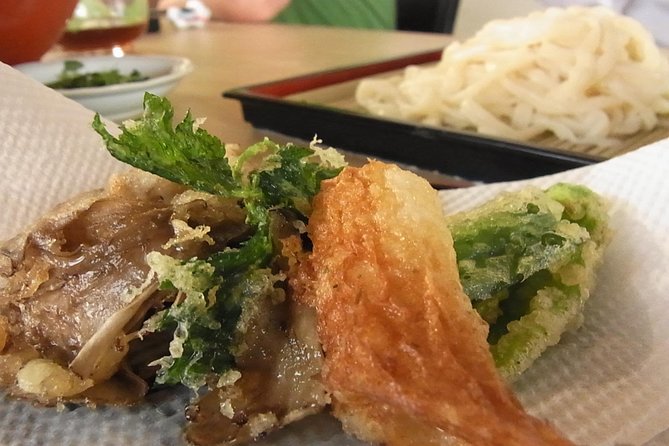
Tempura shows up in many sessions, often with vegetables and shrimp. Even when ingredients are included, tempura still has a “feel” component: how the batter meets the oil, how you manage frying time, and how you avoid soggy results.
Masako’s style is practical. You’re not just told what to do. You learn why you do it. That’s how you end up with technique you can reuse rather than a plate that looks impressive once and then disappears in your second attempt.
You’ll also get insight into Japanese cooking habits that don’t always show up in restaurant meals—things like how ingredients are prepped and how the kitchen stays organized while multiple items cook. It’s a real workflow lesson, not just a recipe lesson.
The meal you make: multi-course food plus drinks
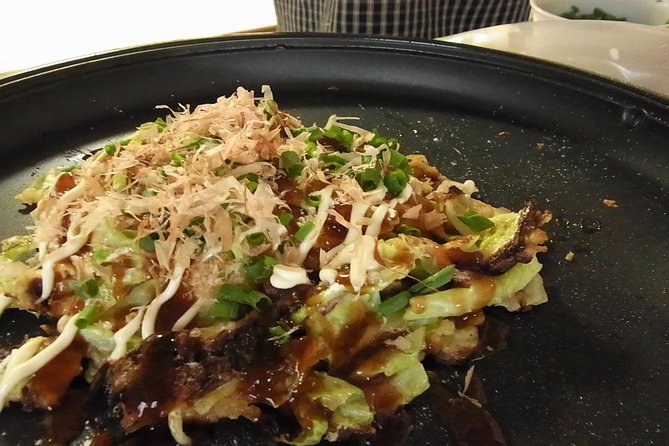
By the end, you eat everything you prepared. The experience is designed around a multi-course meal, and alcoholic beverages are included.
In at least one session, sake shows up as part of the drinks, which makes the meal feel more celebratory and less like an instructional lunch. Even if you don’t drink much, it helps set the tone: you’re cooking dinner with someone who treats it like a real occasion.
One underrated value here is the pacing of eating. You’re not rushed off to the next activity. You sit down and enjoy what you made, which makes the teaching feel connected instead of abstract.
And yes, you should come hungry. You’ll leave full, and you’ll have enough context that you can describe what you learned without sounding like you only memorized a list of steps.
Calligraphy souvenirs, and the small thoughtful extras
Your Kanji keepsake is built into the class: Masako writes your name in Japanese characters and you take home that souvenir. That alone is a memorable Tokyo moment, especially if you like Japanese arts and crafts.
Some classes include extra touches beyond the calligraphy. People have been given things like handcrafted fans with symbols and names, plus small handmade gifts. In weather emergencies, Masako has even offered an umbrella so you’re not stuck in a downpour getting back out.
None of these extras should be assumed every time, but they fit Masako’s overall style: she turns the evening into a warm, personal exchange. The small details add up to the feeling that you’re not just buying a ticket—you’re being looked after.
Location in Adachi City: plan your arrival like locals do
The meeting point is in Adachi City, Senju, near public transportation. The class starts and ends at the same place, and there is no hotel pick-up or drop-off.
That means the travel time matters more than you think. If you’re staying far from Adachi, build in buffer time so you’re not sprinting to the door. You’ll also want to arrive on time because this is a home setting with a real kitchen schedule.
The good news: public transit access is part of the setup, and the directions tend to be straightforward enough to manage. Still, if you hate navigating when it’s dark or rainy, treat this as a planning priority.
Price and value: what $142 buys you
At $142 per person, the price can look steep until you break down what’s included.
You’re paying for:
- Private instruction in a home kitchen
- All ingredients and fees handled for you
- A meal you eat, with alcoholic beverages included
- Time with Masako, plus calligraphy as a keepsake
For many cooking classes, you still end up doing ingredient shopping on your own or paying extra for the meal. Here, the class is structured so the cooking and eating are part of one package, which makes the cost feel more reasonable.
Also, the time is well allocated. At 2.5 hours, you get enough practice to feel like you learned something real: kneading, shaping, rolling, frying, cutting. If you’re spending one evening in Tokyo anyway, this is one of the better ways to turn that evening into skill, not just sightseeing photos.
One practical cost saver: you don’t need to buy kitchen staples in advance because everything needed comes with you. That can add up quickly when you compare it to building ingredients yourself.
Who this class is perfect for (and who should pass)
This is ideal if you want an authentic, hands-on Tokyo experience that goes beyond tourist checklists. If you like learning technique—especially noodle-making and Japanese omelet methods—this class fits your interests.
It’s also a great fit for couples or small groups because the private format keeps attention on you. People who enjoy small cultural touches, like Kanji calligraphy and Japanese kitchen etiquette, also tend to love the way the evening is structured.
There is one important limitation: Masako does not accept children for safety reasons. If you’re traveling with kids, you’ll need to pick another activity that fits their age and your group’s needs.
FAQ
FAQ
What is the class length?
The class runs for about 2 hours 30 minutes.
Is this a private class?
Yes. It’s a private tour/activity, and only your group participates.
Do I need to buy ingredients?
No. You don’t need to shop for ingredients because everything is included.
Are drinks included?
Yes. Alcoholic beverages are included.
Is there hotel pick-up or drop-off?
No. Hotel pick-up and drop-off are not included, and the activity ends back at the meeting point.
Does Masako accept children?
No. Masako does not accept children for safety reasons.
How will I choose my meal options?
Masako offers four menu choices. You should message your preference in advance.
Should you book this Japanese Cooking and Udon Making class with Masako?
If you want one Tokyo night that teaches real technique and feeds you like a proper meal, I think this is a strong booking. The combination of udon-making practice, tamagoyaki and tempura skills, plus a Kanji calligraphy keepsake is a rare mix of hands-on cooking and cultural detail.
Book it if:
- you want private guidance
- you prefer skill-based activities over generic tastings
- you’re excited to take something home you can actually repeat
Skip it if:
- you can’t handle traveling on your own to the neighborhood meeting point
- you’re traveling with children, since Masako does not accept them
One last tip: since confirmation happens subject to availability, and the class can fill, it’s smart to plan ahead rather than waiting until the last minute.