REVIEW · TOKYO
Tokyo: Karate Experience with Former All-Japan Champion
Book on Viator →Operated by Karate Comic Ryo · Bookable on Viator
First time doing karate in Tokyo is a little intimidating. Then it turns into a focused, sweaty lesson with Sensei Ryo, a former All-Japan champion. I love how the class is built for real beginners but still works if you already know your way around martial arts, and I really like the emphasis on form first: bowing, breathing, stances, and step-by-step technique. One thing to consider: kicks can be tough if your mobility is limited, so expect some moves to feel demanding.
The structure is practical and easy to follow. You get gear (a uniform and pads), plus an approach that breaks techniques into small parts, so you can actually learn instead of just copy. And since it’s a maximum group size of 8, you’re more likely to get corrections that matter for your body.
If you’re expecting full-contact sparring, adjust your expectations. The lesson ends with kumite training without physical contact, so it’s safer and calmer than typical sparring, but it’s not the same adrenaline hit as hitting pads or trading punches.
In This Review
- Key takeaways before you go
- A former champion and real coaching in central Tokyo
- A note on style: Kyokushin is part of the mix
- Azumabashi Hall and the 90-minute class rhythm
- Group size changes the whole experience
- Bowing, belly breathing, and the Standing Zen Training position
- The signature moment: Standing Zen Training
- Punches, blocks, and kicks: learning by breaking it down
- If your kicks feel hard, you’re not alone
- Non-contact kumite essentials: defense training without the bruises
- What you should feel during this part
- Ryo’s teaching style: clear instructions, friendly energy, and real corrections
- One-on-one feel in a small group
- Value for $66.99: what you’re paying for (and what you’re not)
- Who this is best for
- Culture meets fitness: the chat you might get after training
- Should you book Karate Comic Ryo in Tokyo?
- FAQ
- Where is the meeting point for the karate class?
- How long is the karate experience?
- Is kumite sparring included with physical contact?
- What equipment is provided?
- What group size is this class?
- Do beginners feel comfortable, or is it only for experienced karate students?
- What’s the cancellation window?
Key takeaways before you go
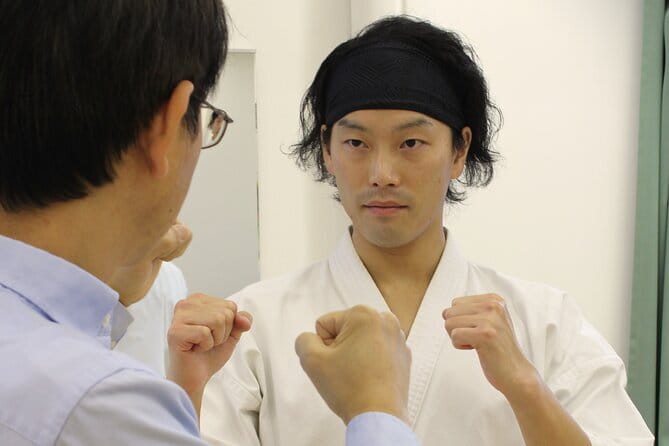
- Former All-Japan champion, 20 years’ experience: this isn’t a casual demo, it’s real coaching.
- Small group (up to 8): more attention, less time waiting.
- Standing Zen Training position: a signature stance that teaches balance and centered power.
- Non-contact kumite essentials: learn defense mechanics without getting banged up.
- Gear included: karate uniform and pads, so you travel lighter.
- Clear English instruction: Ryo explains and demonstrates so you can keep up.
A former champion and real coaching in central Tokyo
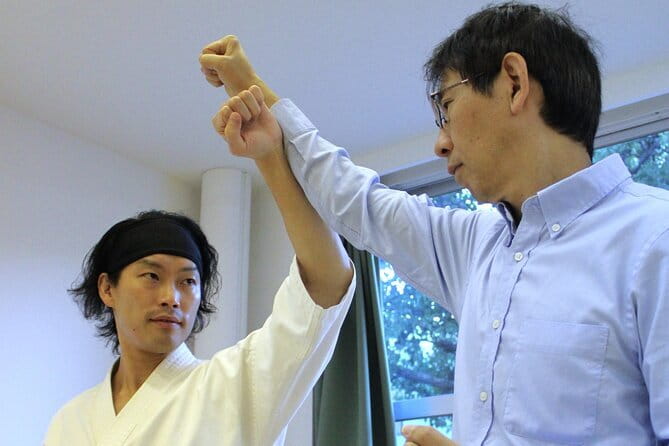
Tokyo has no shortage of activities, but a karate class led by a former All-Japan champion is a rarer kind of souvenir. This one is run by Karate Comic Ryo and taught by Ryo, who brings about 20 years of experience and (based on feedback you can expect) very clear instruction in English.
The “why this is interesting” part is the focus. Instead of tossing you into random drills, the class aims at fundamentals that connect to everything else: stance, alignment, timing, breathing, and controlled defense.
You’ll also like that the format stays accessible. The lesson is designed for beginners and people with prior karate experience, and Ryo adjusts the level so the class doesn’t feel either too easy or too chaotic.
You can also read our reviews of more tours and experiences in Tokyo.



A note on style: Kyokushin is part of the mix
Some past students reference Kyokushin karate in their experience. Even if you’re brand-new and don’t care about style names yet, that matters because Kyokushin tends to emphasize strong stances and practical, repeatable mechanics—exactly what this class teaches step by step.
Azumabashi Hall and the 90-minute class rhythm
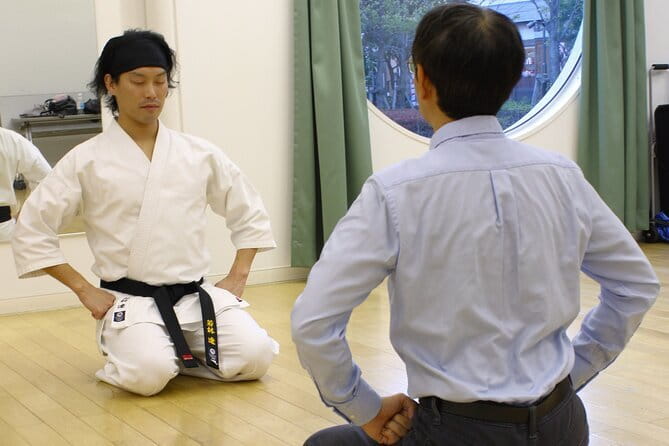
The meeting point is Azumabashi Hall, at 1-chōme-23-27 Azumabashi, Sumida City, Tokyo 130-0001. The class ends back at the meeting point, so you’re not building time buffers for a weird one-way route.
Timing is friendly: the session is about 1 hour 30 minutes and you can choose a morning or afternoon class. That makes it easy to slot into a Tokyo day plan without sacrificing too much sightseeing time. You also get a mobile ticket, which usually means less paperwork and fewer “where is that QR code” moments.
The biggest logistics win, though, is location. The class is described as being central and near public transportation, which matters in Tokyo where train transfers can steal your energy. If you’re planning to walk around after, this setup keeps the day simple.
Group size changes the whole experience
Maximum group size is 8 travelers. In a class like this, that’s not a small detail. Fewer people means more chances to correct your stance, posture, and technique while it’s still fresh in your body.
It also tends to make the pace feel more personal. Even if you’re sweating through the drills, you’re not stuck watching others while the instructor is busy with a larger crowd.
Bowing, belly breathing, and the Standing Zen Training position
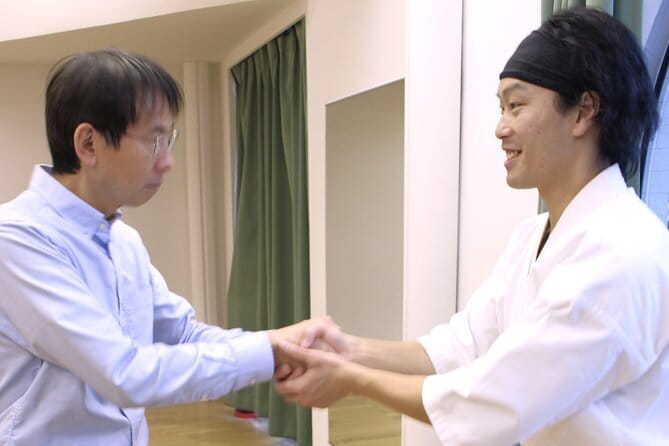
Most tourists think karate starts with punches and kicks. This one starts with a mindset.
You begin with learning how to bow, because karate etiquette follows the rule of starting with a bow and ending with a bow. It sounds formal, but it has a practical purpose: it sets the tone and makes the session feel like a real training space, not a one-off performance.
Then you practice deep breathing from your belly. The goal is more focus and a calm mind, even while your muscles warm up. This is useful beyond karate. If you’ve ever felt jittery in a new country, it’s the same idea: steady breath helps your body cooperate.
After that, you move into stretching for big areas:
- leg muscles
- hip joints
- shoulder blades
- chest
This part is more than “stretch and go.” In karate, hips, shoulders, and posture all decide whether your technique looks right and whether it feels right. If you show up stiff, you’ll feel the difference once you’re guided into these warm-up movements.






The signature moment: Standing Zen Training
One highlight is learning how to master the Standing Zen Training position. You’ll be taught this as a foundation, not a weird pose you do once and forget.
Expect this stance work to feel like balance practice with attitude. Your body learns where “center” is, how to stand without wobbling, and how power begins from structure before your legs and arms even move.
If you’ve done yoga before, the “find alignment” part will feel familiar. If you haven’t, don’t worry. You’ll get step-by-step guidance.
Punches, blocks, and kicks: learning by breaking it down
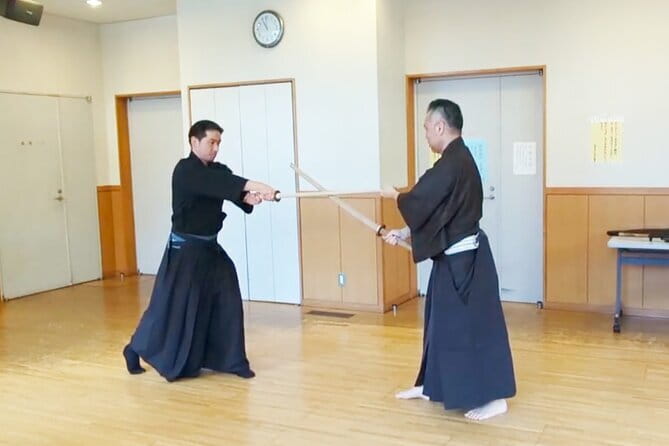
After warm-up, the session moves into core technique: punches, blocks, and kicks, always with a focus on proper stance.
The key teaching method here is that each technique is divided into a few moves, so you can learn step by step. That matters because most beginners struggle when an instructor asks you to do the whole motion at once. Here, you train the pieces until the motion starts to make sense.
You’ll also use pads as part of the practice. Pads help you understand force and placement without turning the class into something risky. And since pads are included, you don’t have to figure out what gear to bring or where to buy it.
If your kicks feel hard, you’re not alone
One review note points out the class adjusts to participants, but a student still wanted more tailoring because their mobility limited kick range. That’s a real consideration for you.
If you know your hips or hamstrings are tight, go in with the mindset of learning technique, not performing maximum height. You can still improve stance, balance, and the mechanics of a kick even if you can’t kick high.
Non-contact kumite essentials: defense training without the bruises
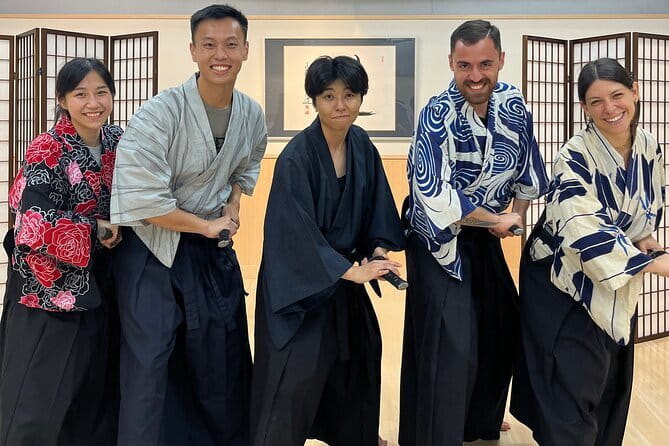
The last major phase is kumite training, described as the essence of sparring training without physical contact.
This is a smart approach for a short class. In real sparring, timing and distance matter, and those only come with lots of repetitions. But for a 90-minute experience, the safe version teaches the important parts: how to defend, how to align your body, and how to respond with precision.
Expect technique scenarios that focus on defending against:
- punches
- front kicks
- low kicks
Even without contact, you’ll practice the defensive responses with tips aimed at maximum precision and efficiency. The goal isn’t to win a fight. It’s to learn what your body should do when you see an attack and need to protect yourself.
What you should feel during this part
This segment tends to be more intense than the earlier warm-ups because your brain is doing more pattern recognition. You’ll go from “do the move” to “react to the move” while keeping good form.
Also, because there’s no physical contact, it’s a good option if you’re traveling solo or just don’t want to show up to dinner with sore hands and swelling. You still get the workout.
Ryo’s teaching style: clear instructions, friendly energy, and real corrections
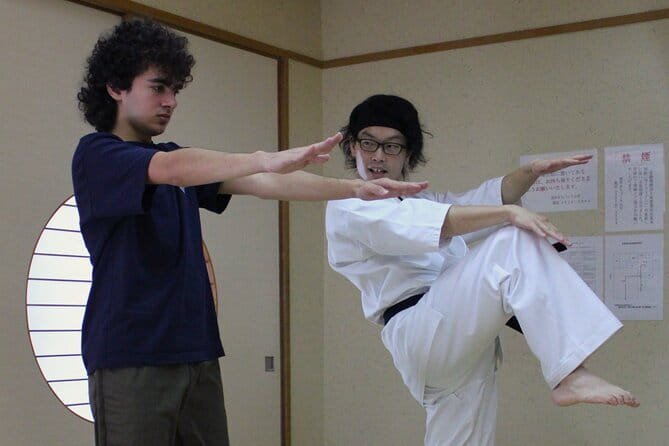
Ryo is the heart of the class. Multiple comments highlight that he’s friendly and makes lessons easy to follow, while still challenging.
Several people specifically mention:
- very clear instructions
- good English communication
- adjusting the class level to match the group
- teaching that feels both fun and demanding
That combination is rare. A lot of classes either go too “beginner babysitting” or too “try this on me right now.” Here, the coaching approach seems designed to keep you progressing while staying grounded in fundamentals.
One review also mentions the instructor helped correct techniques for someone coming from a different style, and another mentions improvements in posture and core strength. That lines up with the class emphasis on stance and belly breathing.
One-on-one feel in a small group
Even with more than one student, the maximum group size of 8 supports a more individualized feel. People mention clear progression and a sense of personalized coaching, which often happens when an instructor can actually watch your details.
Value for $66.99: what you’re paying for (and what you’re not)
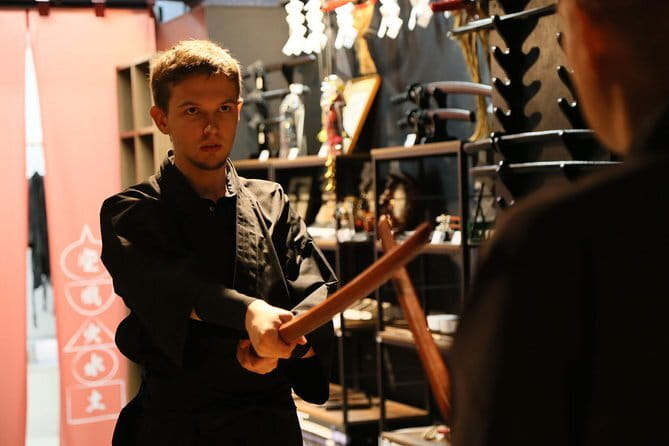
At $66.99 per person for about 90 minutes, this class sits in a midrange price zone for Tokyo activities. It’s not a bargain workshop, but it’s also not overpriced in a way that feels disconnected.
Here’s what you’re getting for the money:
- A coach with former All-Japan champion credentials and around 20 years of experience
- Instruction that covers both technique fundamentals and defensive response mechanics
- Gear included (karate uniform and pads)
- A small group format that supports real feedback
- A safety-minded approach with non-contact kumite
What you’re not getting is full-contact sparring, or a long cultural tour across multiple stops. This is focused. You pay for training time with a top-tier instructor, not for transport, admission tickets, or a large production.
Who this is best for
You’ll probably love this if:
- you want an active Tokyo experience with structure
- you’re a beginner and want a guided first karate class
- you have experience and want form fixes, balance work, or defensive mechanics practice
You might hesitate if you:
- need an ultra-low intensity activity (this is a workout)
- have major mobility limitations and want every kick tailored perfectly to your range (Ryo adjusts, but kick mobility is still a factor)
Culture meets fitness: the chat you might get after training
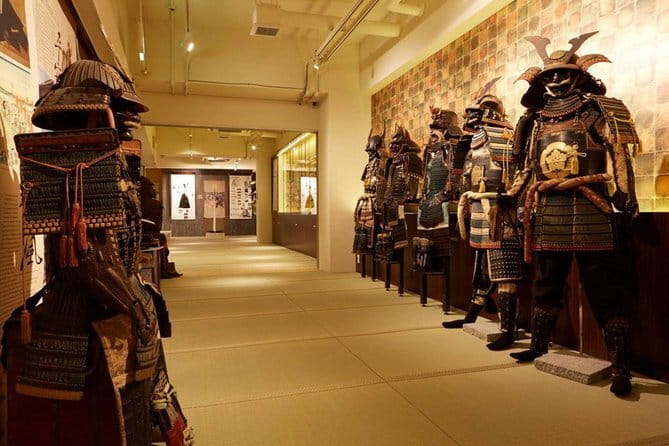
One nice detail that shows up is that there may be time after class for exchanging cultural differences. That’s not guaranteed in the formal description, but it’s been part of the experience for at least some students.
In practice, those conversations can be the best part of training when you’re away from home. You go from moving your body to understanding the person teaching it—why they care about karate, how it shows up in daily discipline, and how different countries practice similar ideas.
Even if you’re shy, a few friendly questions go a long way. Asking about stance work or the meaning of bowing can turn the class into a deeper memory than just photos and videos.
Should you book Karate Comic Ryo in Tokyo?
I think you should book it if you want a genuine, training-first activity with a coach who takes basics seriously. The class gives you fundamentals you can use the rest of your trip: better posture awareness, steadier breathing, and confidence that you can execute basic punches, blocks, and kicks safely.
Book it especially if you’re chasing something more authentic than a sightseeing photo stop. A former All-Japan champion teaching Kyokushin-style mechanics in a small group hits that sweet spot.
Skip it if you’re looking for full-contact sparring or you strongly prefer activities that don’t challenge your mobility. But if you’re open to learning, adjusting, and working at your level, this is the kind of Tokyo experience that feels practical and memorable long after you leave the mat.
FAQ
Where is the meeting point for the karate class?
The meeting point is Azumabashi Hall, at 1-chōme-23-27 Azumabashi, Sumida City, Tokyo 130-0001, Japan.
How long is the karate experience?
The class lasts about 1 hour 30 minutes.
Is kumite sparring included with physical contact?
Kumite training is described as without physical contact, so you practice defense and response mechanics without getting into contact sparring.
What equipment is provided?
You’ll be provided with a karate uniform and pads, so you don’t need to bring them.
What group size is this class?
The maximum group size is 8 travelers.
Do beginners feel comfortable, or is it only for experienced karate students?
The class is designed for beginners and people with prior karate experience, and the instructor adjusts the lesson level.
What’s the cancellation window?
You can cancel up to 24 hours in advance for a full refund.
If you’d like, tell me your travel dates and whether you’re morning or afternoon hunting, and I’ll help you pick the best time block around your Tokyo day.