REVIEW · TOKYO
Giant Sushi Cooking Class: Make a 1.5m Sushi Roll in Tokyo
Book on Viator →Operated by Japanese Cooking Home ~Wagaya~ · Bookable on Viator
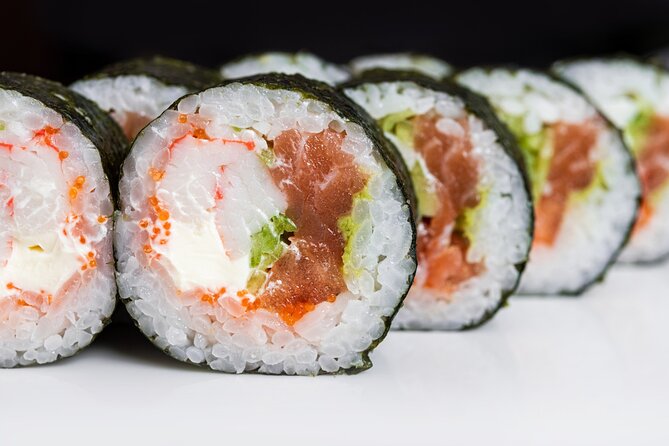
Tokyo does small sushi. This class does massive. You’ll make a 1.5m sushi roll in Meguro with local hosts, starting from basics like nori and sushi rice and ending with a cut-and-serve moment on Japanese dishware. It’s a rare full-day food workshop that feels playful, not stiff.
I like that the focus is practical technique you can repeat later: prepping fillings like fish and avocado, understanding what makes sushi rice work, then learning the rolling pressure for that iconic log shape. I also like the payoff beyond the roll itself, since your creation gets served on hand-painted plates made by local artists, with the chance to buy the dish at the on-site shop.
One consideration: this is scheduled for roughly 12 hours, so it’s more of a day-long plan than a quick evening activity. If you prefer short classes with minimal standing, you may want to think about your energy level.
In This Review
- Key highlights worth your attention
- Meguro Meeting Point: A straightforward start near transit
- The Big Idea: Making a 1.5m Sushi Maki in Tokyo
- What Happens First: Filling and Nori prep that sets you up
- Sushi Rice, Explained Like a Skill, Not a Mystery
- Rolling the Giant Log: Pressure, alignment, and patience
- Cutting and Serving: Your roll becomes a plated moment
- The Cafe Experience: Snacks, social games, and a relaxed day
- Price and value: Why $50 can make sense here
- Who should book this sushi roll workshop
- The practical “before you go” checklist
- Should you book the giant sushi class?
- FAQ
- Where does the sushi cooking class meet in Tokyo?
- How much does the class cost?
- How long is the experience?
- What will I make during the class?
- Do I learn sushi rice and nori, or only rolling?
- What fillings are used in the roll?
- How many people are in the group?
- Is the ticket digital?
- Where is the class located relative to transit?
Key highlights worth your attention
- A 1.5m sushi maki roll, not bite-size practice
- Fish, avocado, nori, and sushi rice all taught from scratch
- A focus on rolling pressure to get the right shape
- Cut and serve with hand-painted Japanese dishware
- Small group size, with a maximum of 12 travelers
- A cafe setting near public transit, described as about a 10-minute walk from the station
Meguro Meeting Point: A straightforward start near transit
The experience starts in Meguro City at 2 Chome-3 Senzoku, Meguro City, Tokyo 152-0012. The listing doesn’t drown you in steps, and it ends back at the same meeting point, so you don’t have to worry about a complicated route across town.
From the vibe described in feedback, you’re coming to a cafe that’s easy to find once you’re near the area. People highlight that it’s about a 10-minute walk from the station, which matters in Tokyo, where time and distance add up quickly. If you’re building a day around food, this location choice keeps your logistics simple.
Also note the experience provider name: Japanese Cooking Home ~Wagaya~. That’s a helpful clue that this is meant to feel like a home-style cooking session, not a showroom demo.
You can also read our reviews of more cooking classes in Tokyo


The Big Idea: Making a 1.5m Sushi Maki in Tokyo
Sushi is usually sold as bite-size pieces. Here, you make something that looks like a food sculpture. The 1.5m length changes everything: the roll needs more evenness, more care in portioning, and more steady hand control than a small roll.
That’s the clever part. You’re not just learning a recipe. You’re learning sushi technique at a scale that forces you to understand it. If you’ve ever watched people roll maki and thought, I could do that if it were smaller, this class takes away that excuse and turns the challenge into a fun goal.
You’ll craft a sushi log, then roll it into shape with the right pressure. The hosts explain that pressure is part of the skill, not just the final look. That’s the sort of detail you can’t easily pick up from eating sushi or from watching a video.
What Happens First: Filling and Nori prep that sets you up
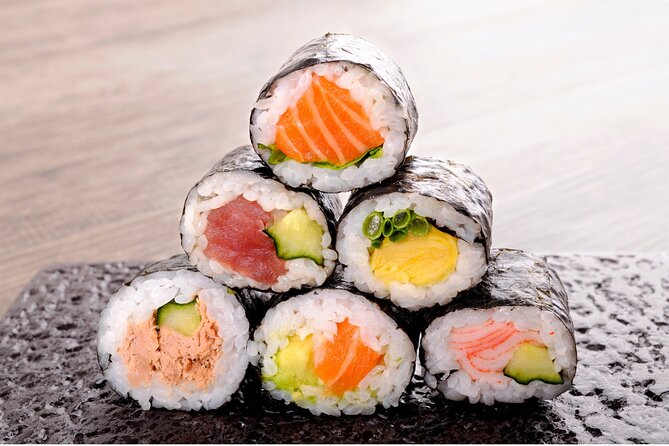
The class begins by building your ingredients. You’ll learn to prepare the fish and avocado fillings, plus the nori (seaweed). You’ll also get an explanation of what makes sushi rice unique, which is key if you want to recreate this later.
This early stage is where many cooking classes quietly lose you. You’re standing there, waiting, watching. Here, you’re doing the steps. Laying groundwork matters because your later choices depend on it: the filling balance, the rice texture, and how the nori behaves when rolled.
There’s also a sesame step. Your roll gets finished with a sprinkling of sesame seeds, which adds aroma and texture, but also helps you understand that presentation is part of the craft. Sushi isn’t only about flavor. It’s about structure.
Why this is valuable: if you want to make sushi at home, the hardest part is usually the rice and the assembly rhythm. Getting practice here helps you avoid common home mistakes like rice that’s too wet or filling that’s too heavy.
Sushi Rice, Explained Like a Skill, Not a Mystery
Sushi rice is the backbone of the whole experience, and the hosts specifically talk about what makes it unique. You’re not left to guess. You learn why sushi rice is treated differently than plain cooked rice, and you get a chance to connect that explanation to what you do next.
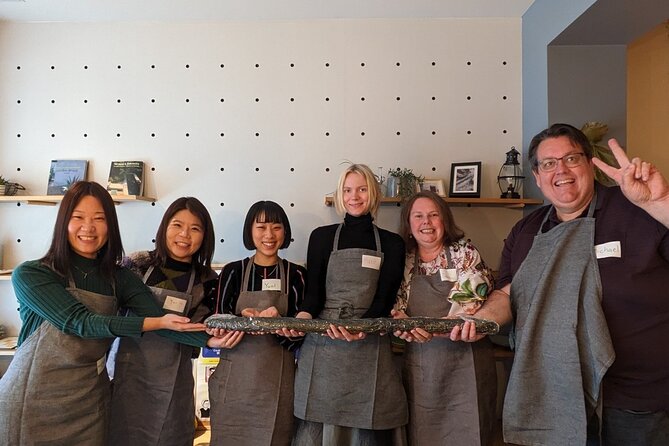
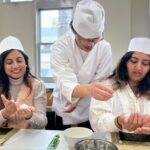
Then comes the practical part: with the chef and other participants, you’ll lay out your nori sheet, carefully place your sushi rice and fillings, and finish with sesame. This is the moment where the roll starts to become real.
One nice thing about learning sushi this way is that you start to see it as a sequence:
- prep ingredients,
- build layers carefully,
- roll with pressure,
- cut cleanly,
- serve well.
That sequence is what you’ll repeat later at home when you want another roll.
Rolling the Giant Log: Pressure, alignment, and patience
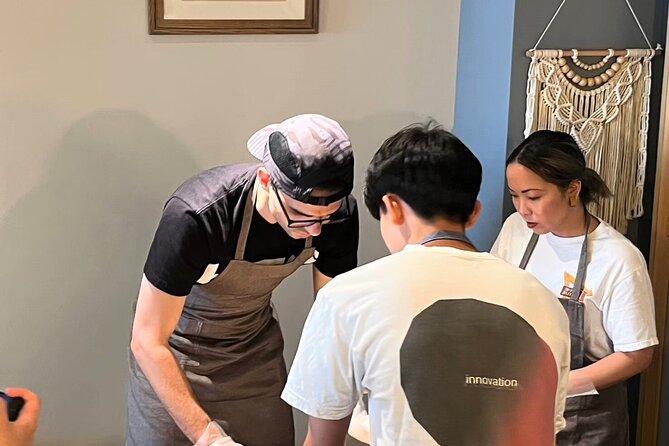
This is the star moment. You’ll roll the 1.5m sushi creation with the right amount of pressure to form the iconic log shape. That detail is emphasized because rolling isn’t just wrapping. It’s shaping.
With a long roll, you can’t rely on quick fixes. If your layers shift too much, you’ll feel it. If your pressure is uneven, the shape won’t hold. The class is designed so you experience those cause-and-effect moments instead of just hearing about them.
I like that this part turns technique into something physical. You’ll feel how nori texture and rice stickiness interact, how to keep alignment, and how pressure helps the roll stay together.
And since it’s hands-on, you’re also learning through feedback from the hosts and the shared pace of a small group.
You can also read our reviews of more tours and experiences in Tokyo



Cutting and Serving: Your roll becomes a plated moment
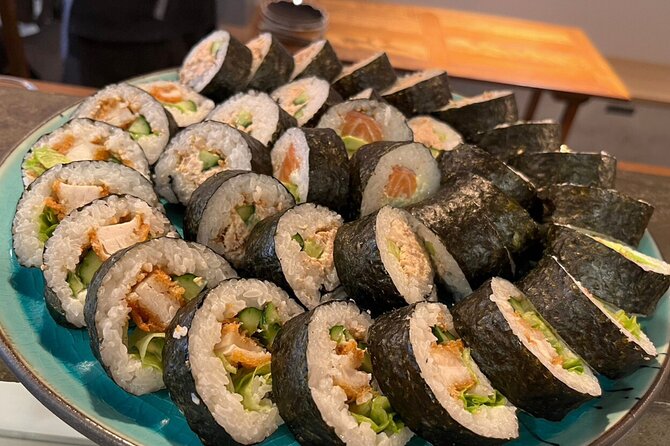
Once the roll is ready, it gets cut and served. This matters because sushi is often eaten with chopsticks or hands, and good cutting is part of the eating experience. Even if you’ve made sushi at home before, you might not have practiced the full flow from roll to plate.
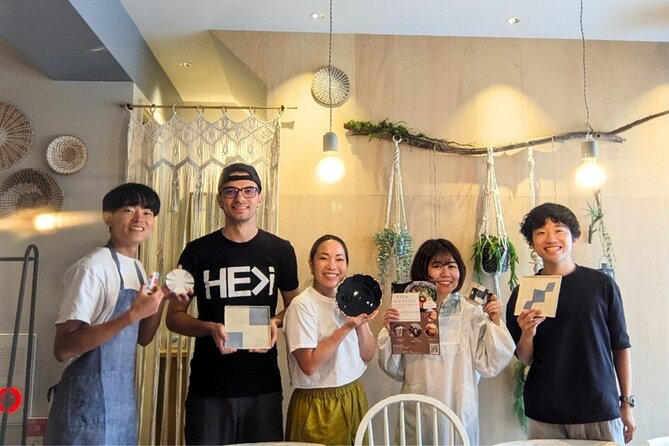
What makes this step extra satisfying is the dishware. Your roll is served on beautiful Japanese plates crafted and painted by hand. Each plate is described as unique, made by local artists, and there’s an on-site shop where you can buy the dish at the end.
This is more than decoration. It turns the class into a complete small ceremony. You’re not just producing food. You’re producing something meant to be shown and shared.
The Cafe Experience: Snacks, social games, and a relaxed day
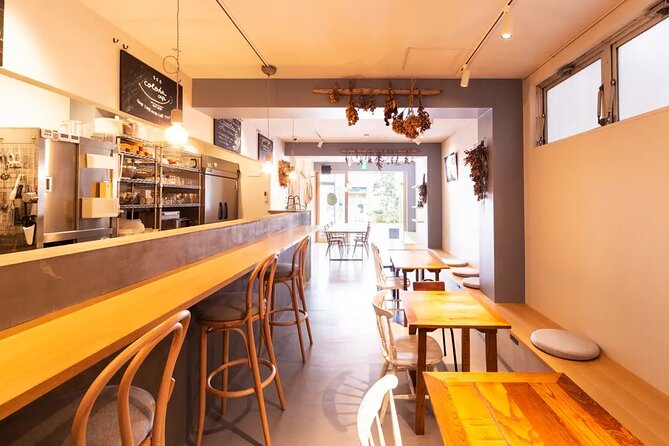
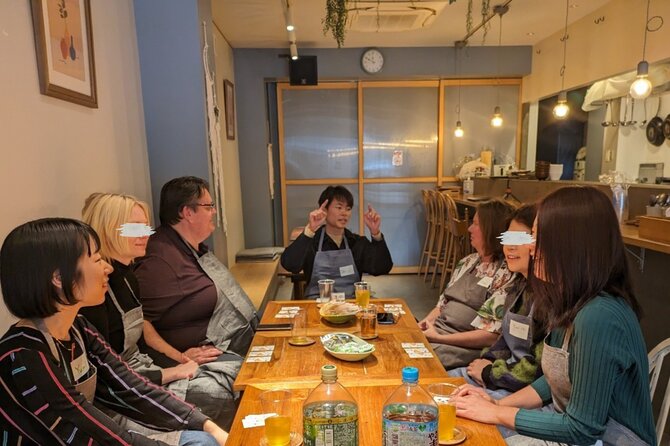
This class is structured like a cooking lesson, but it doesn’t feel cold or overly formal. In feedback, people mention that the cafe is near the station and that there are Japanese snacks plus some social games along with chatting.
That sounds small, but it changes how the day lands—especially if you’re traveling solo or with someone who worries about being stuck in a long, silent activity. Social games are a good way to break the awkward stage and get comfortable right before you start handling ingredients.
Group size is capped at 12 travelers, which usually keeps things from turning into a lecture. You should expect a more personal rhythm: enough people to feel lively, not so many that you get pushed to the back of the room.
Price and value: Why $50 can make sense here
At about $50, this isn’t a bargain class where you mostly watch. You’re making a large roll, learning multiple components (rice, nori, fillings), and getting a structured experience that runs roughly 12 hours.
Here’s the value logic:
- You’re paying for instruction plus hands-on time, including the rolling, cutting, and serving steps.
- You’re also getting the chance to use and learn from the process that goes into real sushi, not just a one-ingredient craft.
- The hand-painted plate adds value in a way that many food classes don’t. Even if you don’t buy one, it makes the final meal feel special.
A trade-off: it’s long. If you only have a half-day window, the price may feel less attractive simply because you’re buying more time. But if you’re planning a full Tokyo day around food, it can be a smart use of budget compared with activities where the main value is the novelty photo.
Who should book this sushi roll workshop
This is a great fit if you:
- want hands-on food instruction you can repeat at home,
- like interactive challenges (the 1.5m scale is part of the fun),
- enjoy cooking with other people in a small group,
- want a Tokyo experience that’s not just eating but learning.
It also suits families and couples based on how it’s described. And solo travelers can do well here because the cafe atmosphere includes chatting and games, which makes it easier to settle in.
If you dislike long time blocks, or you get restless sitting and standing for many hours, consider booking only if you can treat it like a full-day plan.
The practical “before you go” checklist
You’ll want to plan for a day where you’ll be engaged for most of the time, since the session runs about 12 hours. You don’t need special skills ahead of time, but you’ll get the most from it if you show up ready to focus and participate.
Also remember:
- the tour starts at 2 Chome-3 Senzoku in Meguro,
- it ends back at the meeting point,
- you’ll use the class’s setup (everyday cooking utensils and equipment are mentioned),
- the ticket is mobile, so have that ready on your phone.
If you’re the kind of traveler who likes to take notes, bring a small notebook. Sushi technique benefits from reminders like rolling pressure and rice handling, even if your hands already learn it in the moment.
Should you book the giant sushi class?
I’d book it if you want one standout Tokyo food activity that’s both serious about technique and fun about the experience. The 1.5m roll concept turns sushi-making into a memorable skill-building challenge, and the combination of prep, rolling, cutting, and serving makes it feel complete rather than partial.
Pass on it only if a full 12-hour day is too long for your travel style, or if you want a quick, light tasting rather than a hands-on workshop. If you can handle a long cooking day, this is the kind of class that gives you something real to bring home: muscle memory for assembly steps, better instincts for sushi rice, and confidence you can roll sushi again later.
FAQ
Where does the sushi cooking class meet in Tokyo?
It meets at 2 Chome-3 Senzoku, Meguro City, Tokyo 152-0012, Japan, and the experience ends back at the meeting point.
How much does the class cost?
The price is listed as $50.
How long is the experience?
The duration is approximately 12 hours.
What will I make during the class?
You’ll make a giant 1.5m sushi maki roll, then cut it and serve it.
Do I learn sushi rice and nori, or only rolling?
You’ll learn about sushi rice, and you’ll also work with nori (seaweed) as part of building the roll.
What fillings are used in the roll?
The class covers preparing fish and avocado fillings.
How many people are in the group?
There is a maximum of 12 travelers.
Is the ticket digital?
Yes, the tour uses a mobile ticket.
Where is the class located relative to transit?
It’s described as near public transportation, and one review notes the cafe is about a 10-minute walk from the station.