REVIEW · TOKYO
Tokyo:Tea ceremony experience at Komaba Warakuan
Book on GetYourGuide →Operated by Japanticket Inc. · Bookable on GetYourGuide
Tea time can be quiet, but Tokyo can feel loud.
At Komaba Warakuan, you get a calm tea ceremony lesson in a real historical school setting, with a choice between rich tea and light tea vibes. I love that it’s beginner friendly while still grounded in serious tradition, tied to the Kobori Enshu school and instruction for the third Tokugawa shogun.
I also really like the pacing because it’s small-group by design, capped at 4 people. In a 90 minutes to 2 hours window, you’ll learn how to make the tea, follow the etiquette, and enjoy Japanese tea with traditional sweets without feeling rushed.
One drawback: directions can be tricky, and the experience is Japanese only. If you don’t read Japanese, go in with a flexible attitude and a willingness to rely on gestures and the instructor’s step-by-step teaching.
In This Review
- Komaba Warakuan quick take: what you’ll notice fast
- Komaba Warakuan: training in a real Tokyo school setting
- Rich Tea vs Light Tea: choosing your mood in the tea room
- Before the first sip: tabi socks and the walk to the tea room
- What happens during the lesson: step-by-step tea making
- The sweets and the etiquette: quiet focus or friendly chatter
- Small group teaching in Tokyo: limited to 4 people
- Price and value: is $56 reasonable for a 90–120 minute tea lesson?
- Getting there and finding the place: the main practical risk
- Who should book Komaba Warakuan’s tea ceremony?
- Should you book it? My decision guide
- FAQ
- How long is the Tokyo tea ceremony at Komaba Warakuan?
- How much does it cost per person?
- Is it a small group experience?
- What language is the instruction?
- Do you offer different tea options?
- What is included in the experience?
- Do I need to bring tabi socks?
- What if I need to cancel?
Komaba Warakuan quick take: what you’ll notice fast
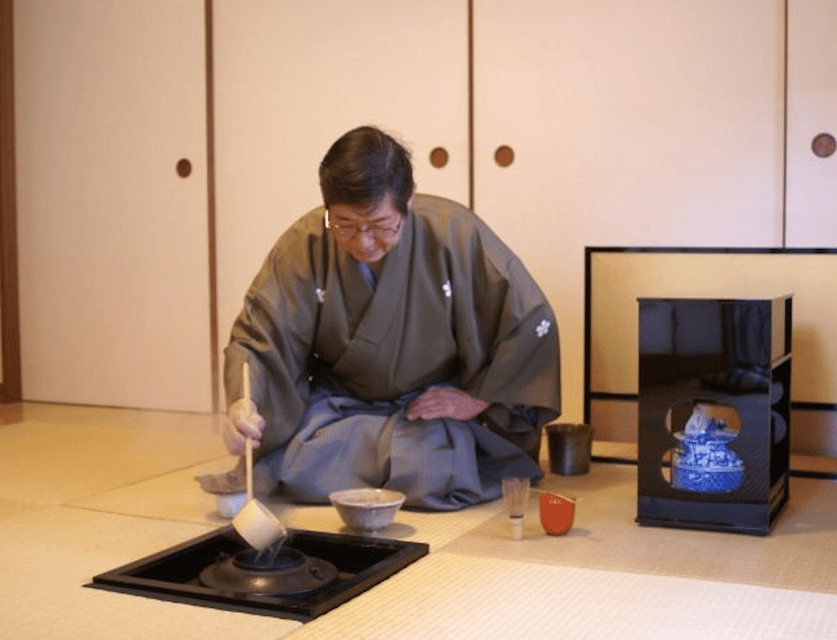
- Rich tea vs light tea seating: rich is for a quieter, hidden seat feel; light is brighter with more lively conversation
- Historically connected school setting: the training lineage links to the Kobori Enshu tradition and the third Tokugawa shogun
- Tabi socks right away: you’ll change into tabi socks and then walk to the tea room across open ground
- Beginner-friendly instruction: you’ll learn the steps of making tea carefully, not through a performance you just watch
- Tea and sweets included: each course comes with Japanese tea plus traditional sweets
Komaba Warakuan: training in a real Tokyo school setting
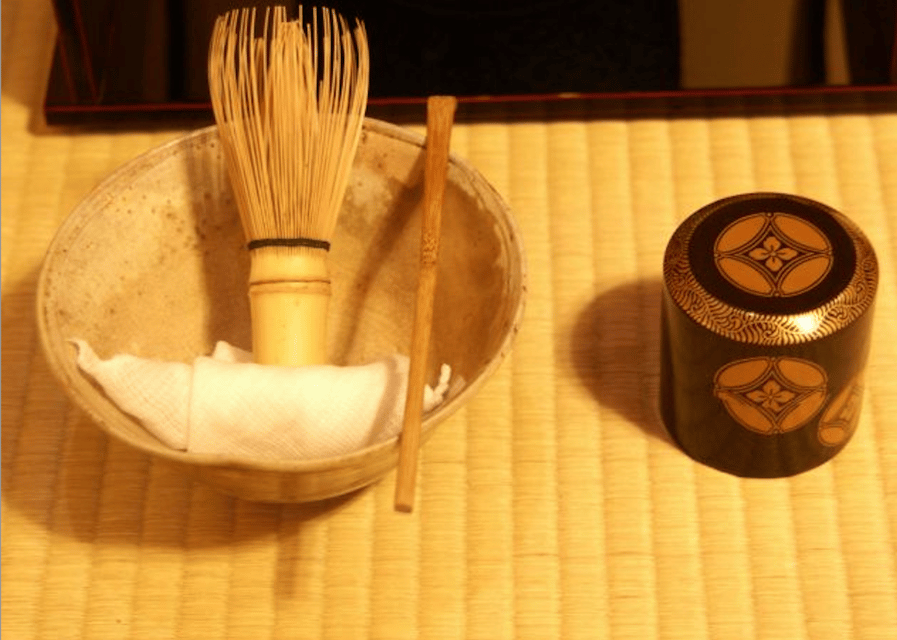
This tea ceremony is held at Komaba Warakuan, a school with long-standing connections to Japanese tea practice. What makes it more than a staged tourist show is the sense that you’re joining a class rather than watching a script. The school also ties to the Kobori Enshu school and served as a tea ceremony instructor for the third Tokugawa shogun, so the lesson carries real lineage rather than just generic “Japan vibes.”
You’ll likely feel the difference immediately when you arrive. The host will explain how the session works, then you shift into tea-ceremony mode. That transition is part of the value: you’re not just tasting matcha and leaving. You’re learning how the ceremony treats time, movement, and attention as part of the experience.
And yes, it’s authentic in a practical way. There’s structure. There are steps. You’ll be guided through them calmly, even if you’ve never done a tea ceremony before.
You can also read our reviews of more tours and experiences in Tokyo.



Rich Tea vs Light Tea: choosing your mood in the tea room
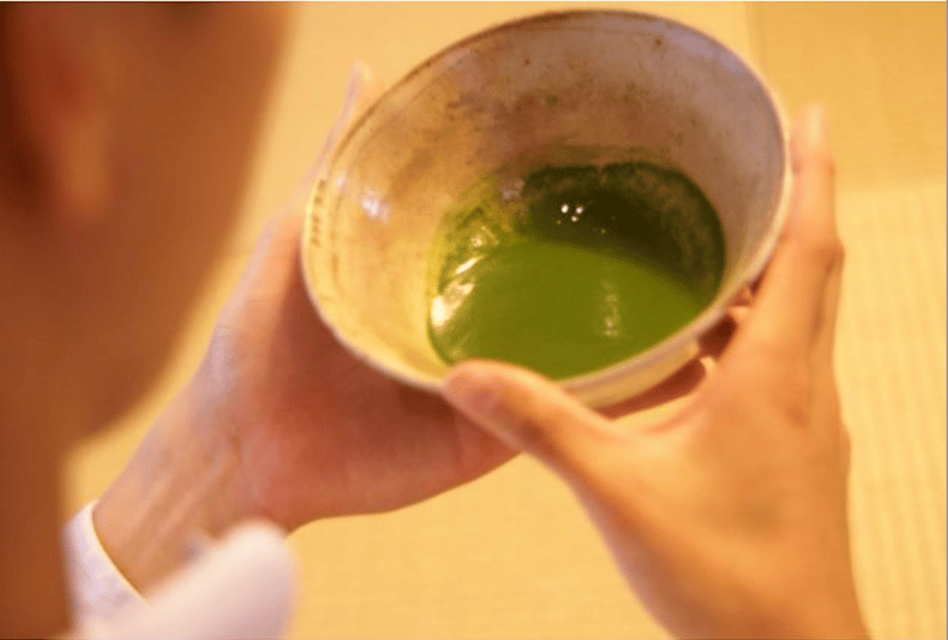
One of the smartest parts of this experience is that you choose your course based on how you want the session to feel. The options described as rich tea and light tea come with different seating styles and different social energy.
- Rich tea is described as having a hidden seat feel. The atmosphere leans quiet and focused, where you face the tea calmly.
- Light tea is described as the seat of the sun. It feels brighter and more open, with room for lively, friendly conversation.
Why this matters for you: if you’re the type who gets flustered in group settings, rich tea can help you settle in. If you like chatting and you want the tea ceremony to feel warm rather than formal, light tea is the better fit.
One more practical point: the session includes Japanese tea and traditional sweets in all three courses, so your choice isn’t about whether you’ll eat. It’s about how the ceremony atmosphere shifts while you learn.
Before the first sip: tabi socks and the walk to the tea room
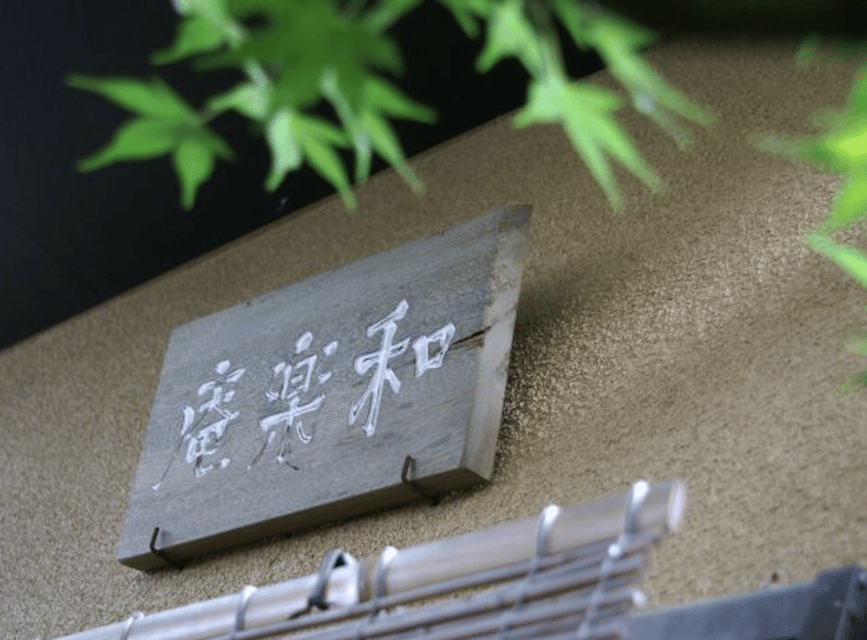
Tea ceremonies are often described as simple, but the body details are where the tradition lives. Before you even reach the tea room, you’ll be guided through the session flow.
After you arrive, you’ll get an explanation of what’s next. Then you’ll change into tabi socks right away. Tabi are the split-toe socks commonly worn with traditional Japanese footwear. Here, you’re provided tabi socks, and you can also bring your own if you prefer.
Then comes the walk: you’ll be led to the tea room through open ground. That little stretch matters. It slows you down and helps you stop treating the ceremony like a quick photo stop. You’ll feel the difference between arriving in Tokyo mode and moving into an old-school schoolhouse rhythm.
If you want to make this part go smoothly, wear socks that are easy to remove. Also, don’t plan tight timing right before this class. A relaxed arrival makes the ceremony feel better, not more stressful.
What happens during the lesson: step-by-step tea making
The heart of the experience is instruction. You’re not left on your own to figure it out. The instructor teaches you carefully how to make tea.
You’ll learn the sequence of the ceremony in a beginner-friendly way. Expect guidance on how to handle yourself and how to move around the tea setup. Even if you don’t fully understand every word (and the session is Japanese only), you can still follow the process because the teaching is practical and structured.
There’s also mention of tools that support the ceremony’s presentation. You’ll be provided Fukusa scissors—described as folding fan, paper, toothpick, and similar items. If you already have your own, you’re welcome to bring it, but you don’t need to show up with anything special.
For you, the big value is learning the logic behind the motions. Tea ceremony isn’t just about taste. It’s about how each step signals respect: how you prepare, how you handle utensils, and how you pause. When you understand that, you get more out of every sip.
The sweets and the etiquette: quiet focus or friendly chatter
Every course includes Japanese tea plus traditional sweets. That matters because it makes the ceremony feel complete. You’re not only drinking matcha or tasting tea; you’re also experiencing the balance between flavor, sweetness, and timing.
How the session feels can change based on your rich or light tea choice. With rich tea, you’ll be in a more quiet, composed seat setup—more “be still” energy. With light tea, it’s described as brighter and more fun, with lively conversation.
This is where you can choose what you want your brain to do. If you want meditation-style calm, choose rich tea and let the quiet do its job. If you want a shared experience where learning comes with human warmth, choose light tea and treat it like a relaxed lesson with a cultural backbone.
Also, don’t be surprised if you feel a little shy at first. That’s normal. Tea rooms are designed for attention, not performance. Give yourself the first minutes to settle in.






Small group teaching in Tokyo: limited to 4 people
This is one of those experiences where group size directly affects quality. It’s limited to 4 participants, which means you’re more likely to get personalized correction and clear explanations rather than being lost in a crowd.
In practical terms, small-group teaching helps you:
- Ask follow-up questions with gestures if you’re stuck
- Watch what the instructor is doing without constantly craning your neck
- Keep your own pace during the steps of making tea
- Feel comfortable even as a first-timer
It also makes it easier to choose your seating style and feel “placed,” not shuffled. In a tea ceremony, that matters. You’re guided into a flow, and a smaller group supports that flow.
Price and value: is $56 reasonable for a 90–120 minute tea lesson?
At $56 per person, you’re paying for an instructor-led, school-based tea ceremony experience with tea and traditional sweets included. That pricing can sound like a lot if you’re thinking of it as just a snack-and-photo activity.
But here’s how it reads in value terms: you’re not only consuming tea. You’re learning a process that’s traditionally taught step by step. You’re also receiving tools (like tabi socks and the Fukusa scissors-related items), plus the experience is held in a specific historical school setting tied to major tea lineage.
Where the price becomes a consideration is simple: if you end up spending extra time trying to locate the place, or if the Japanese-only format feels frustrating, you may judge the cost more harshly. One practical way to protect your value: arrive with extra buffer time and use navigation tools before you’re near the area.
If you’re the kind of traveler who likes hands-on cultural lessons, this tends to feel like fair value. If you only want a quick performance, you might want to compare against shorter, less instructive options.
Getting there and finding the place: the main practical risk
The biggest real-world hassle with this type of experience is location clarity. This activity is held at a school, and some schools aren’t the easiest to find from a random map pin. Directions can be a pain point, so I’d treat this like a “get there early” plan.
If you book this, do yourself a favor:
- Confirm your route before the day-of
- Allow more time than you think you need
- Use offline maps so you’re not dependent on spotty connections
Language is the other risk factor. The session is Japanese only. That doesn’t mean you’ll be totally lost, but it does mean you should go in ready to learn through visuals, repetition, and calm focus.
If you’re comfortable with that style of learning, you’ll probably enjoy it a lot more.
Who should book Komaba Warakuan’s tea ceremony?
This is a strong pick if you want a beginner-friendly Tokyo tea ceremony that’s more than a quick look. The small group and instructor-led teaching make it especially good for first-timers who want structure and gentle guidance.
It’s also a nice family-friendly option based on the types of ages that have enjoyed it, including kids in the 10s and teens. If you’re traveling with younger people, the 90 minutes to 2 hours length is manageable, and the hands-on steps can keep attention.
Choose it for yourself if:
- You like practical cultural lessons
- You want a calm activity away from crowded sightseeing
- You’ll appreciate etiquette and small rituals
- You’re okay with Japanese-only instruction
You might hesitate if:
- You need lots of English translation
- You get stressed when places are hard to find
- You only want a fast tasting without learning the process
Should you book it? My decision guide
Book it if you want to learn the tea ceremony as a practice, not just watch a performance. The combination of instructor-led instruction, a beginner-friendly pace, tea and sweets included, and the choice between rich (quiet, hidden seat feel) and light (sun seat, more lively conversation) gives you more control over the experience than many similar options.
Pass or rethink it if finding the exact location on your own would make you anxious, or if you strongly need English-only explanations. In that case, you may feel the $56 more than you feel the learning.
If you’re a calm, curious traveler who likes learning rituals with your hands and attention, this is a smart booking.
FAQ
How long is the Tokyo tea ceremony at Komaba Warakuan?
It runs about 90 minutes to 2 hours, depending on availability and the time slot you choose.
How much does it cost per person?
The price is $56 per person.
Is it a small group experience?
Yes. The group is limited to 4 participants.
What language is the instruction?
The instructor teaches in Japanese.
Do you offer different tea options?
Yes. You can choose between rich tea and light tea, which have different seating and atmosphere.
What is included in the experience?
You’ll get the experience fee with tax included, plus Japanese tea and traditional sweets as part of the courses.
Do I need to bring tabi socks?
You’ll be provided tabi socks, but you are welcome to bring your own.
What if I need to cancel?
You can cancel up to 3 days in advance for a full refund.